回歸內心平和,拾回質樸的寧靜之美—衛屋茶事
Return to Inner Peace and the Beauty of Simple Tranquility—SPUTNIK LAB
「和敬清寂(わけいせいじゃく)」意味著在茶道過程中,泡茶的主人與品茶的客人,彼此和睦、互相尊重,保持心靈純粹的同時,維持茶具、茶室、茶園的純淨,從而達到心境清淨、不喧賓奪主的境界。簡潔四字短語,即反映了茶道基礎的禪宗哲學,更體現出人生的至高修養。回想起初次踏進隱身於台南某條隱密巷弄內的日式茶館「衛屋茶事」,一股雅樸的氣息彷彿將時間線凍結於日治時期,眼見這座日式宿舍隨時間流逝自然老化、留下歷史的見證,各處僅簡單擺放蘊藏時光痕跡的古物家具,伴隨空中彌漫的悠遠沉香,心緒隨之沉澱。
“Wa Kei Sei Jaku” (和敬清寂) — harmony, respect, purity, and tranquility — embodies the essential spirit of the Japanese tea ceremony. It reflects a mutual reverence between host and guest, a shared pursuit of spiritual clarity, and the maintenance of unadorned beauty in the tools, the tea room, and the surrounding garden. This concise phrase captures not only the Zen philosophy underpinning the tea ceremony but also a broader ideal of cultivated living. Stepping into Sputnik Lab, quietly hidden down a narrow lane in Tainan, is like slipping into another era. The rustic elegance of the space seems to suspend time, anchoring visitors in the period of Japanese rule. Here, the gentle aging of the wooden former dormitory speaks of history rather than decay. Timeworn furnishings, each bearing the patina of years, are arranged with thoughtful restraint. The air carries the subtle, lingering aroma of aloeswood, inviting the mind to settle into calm reflection.
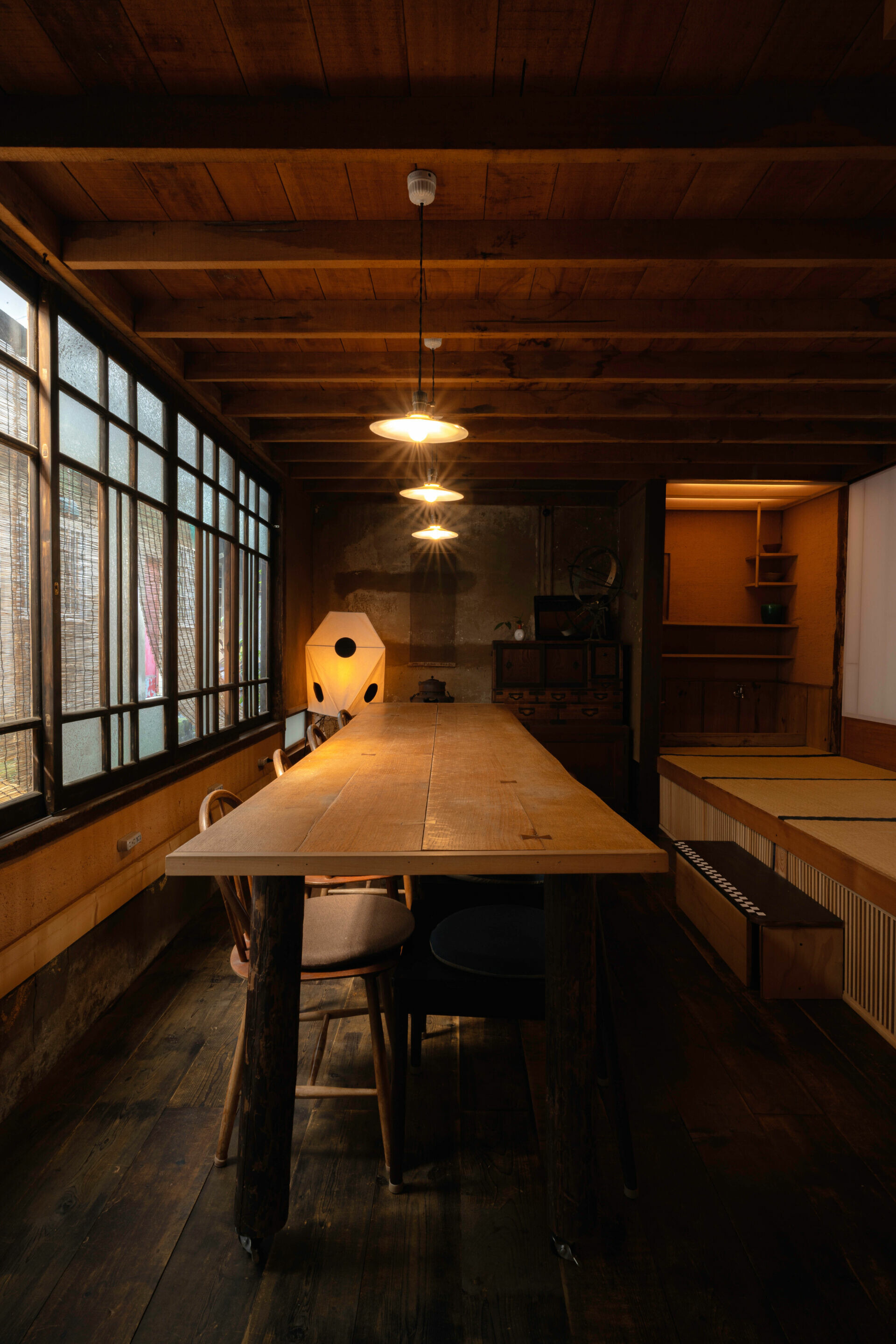
尊重日式町家歷史,還原日式茶屋純樸感受
Honoring Machiya Heritage: Restoring the Authentic Spirit of a Japanese Teahouse
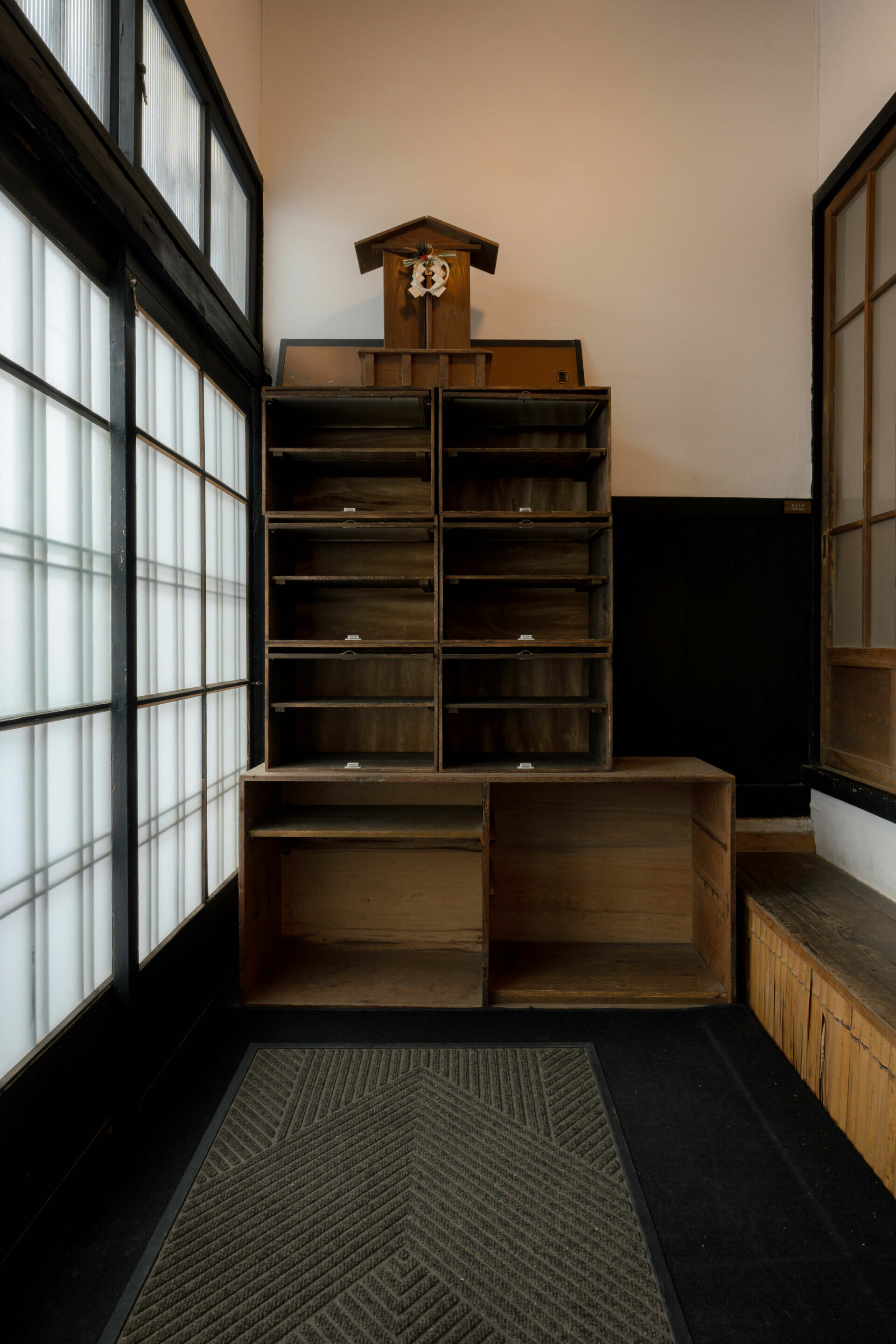
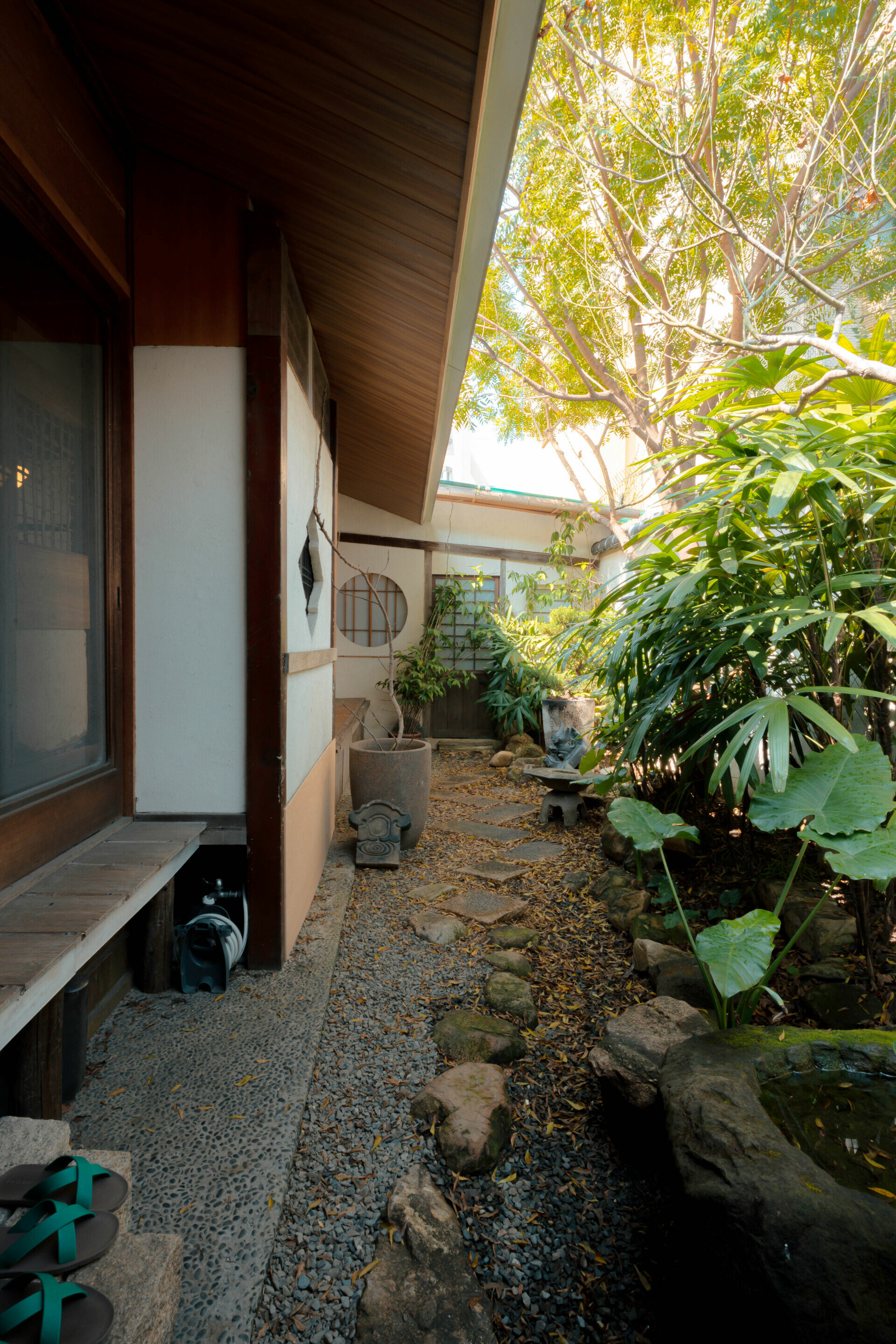
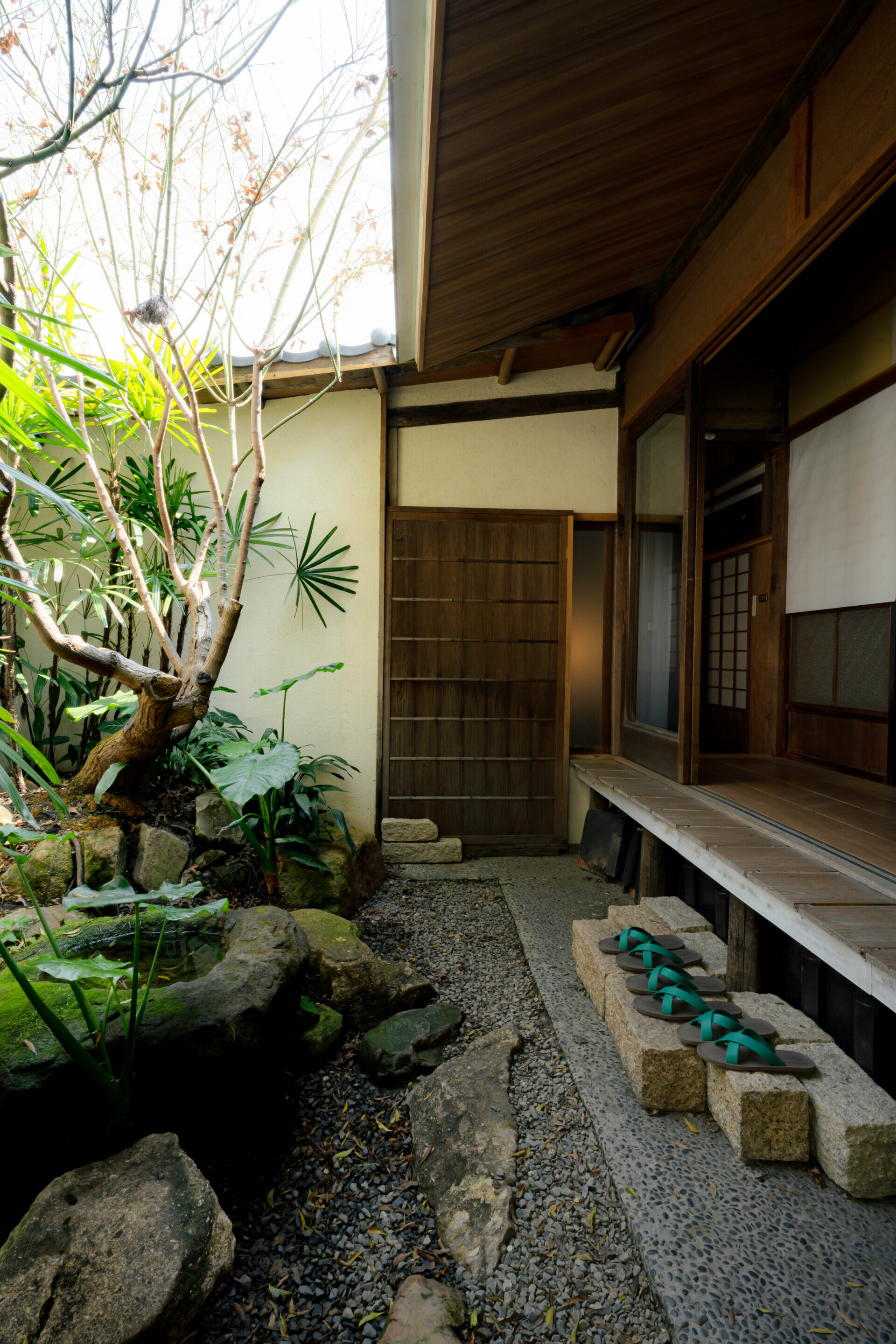
雖說當你走訪台南大街小巷,不難發現傳統日式建築的蹤跡。然而,這座前身為日治時期木造町屋的「衛屋茶事」,卻格外散發一種出塵脫俗的氣質,靜靜駐守於鄰近台南車站的小巷,以斑駁木頭、不加修飾的外牆與翠綠植栽默默歡迎前來探訪的顧客。走進屋內,你會驚訝地發現房屋仍保留日式房舍細緻的木造結構,可深刻感受到傳統町家的風情,這也正是「衛屋茶事」主理人劉上鳴當初深受這座老屋吸引的緣由。
While echoes of traditional Japanese architecture can still be found across Tainan’s streets and alleys, Sputnik Lab—originally a wooden machiya townhouse dating to the Japanese colonial period—possesses a uniquely ethereal character. Nestled quietly near Tainan Station, its weathered timber, unembellished facades, and lush plantings offer a subdued welcome to those who discover it. Inside, the fine wooden structure of the original house remains intact, offering a tactile connection to the spirit of the machiya. This enduring quality was what first captivated Liu Shang-Ming, the teahouse’s founder.
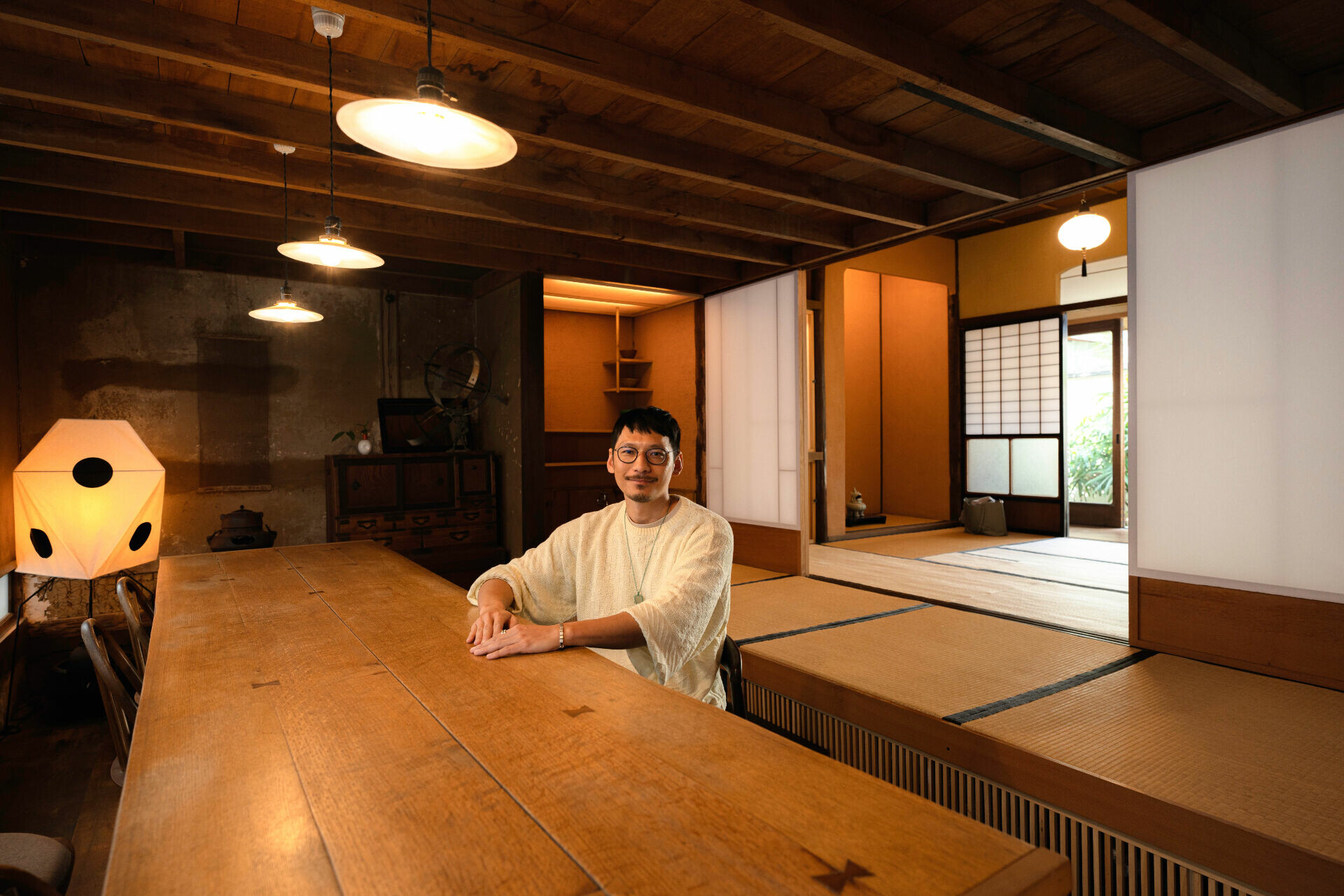
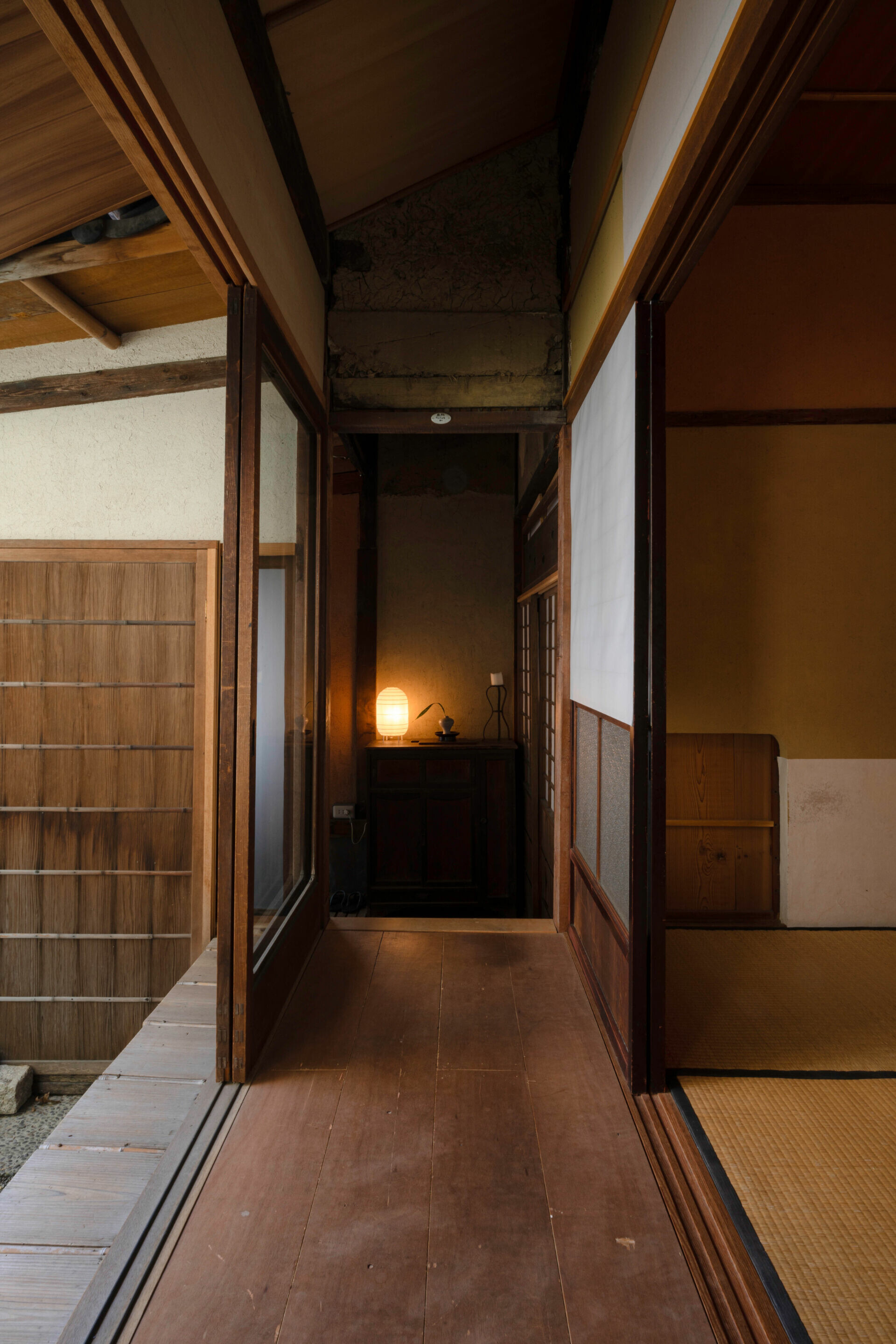
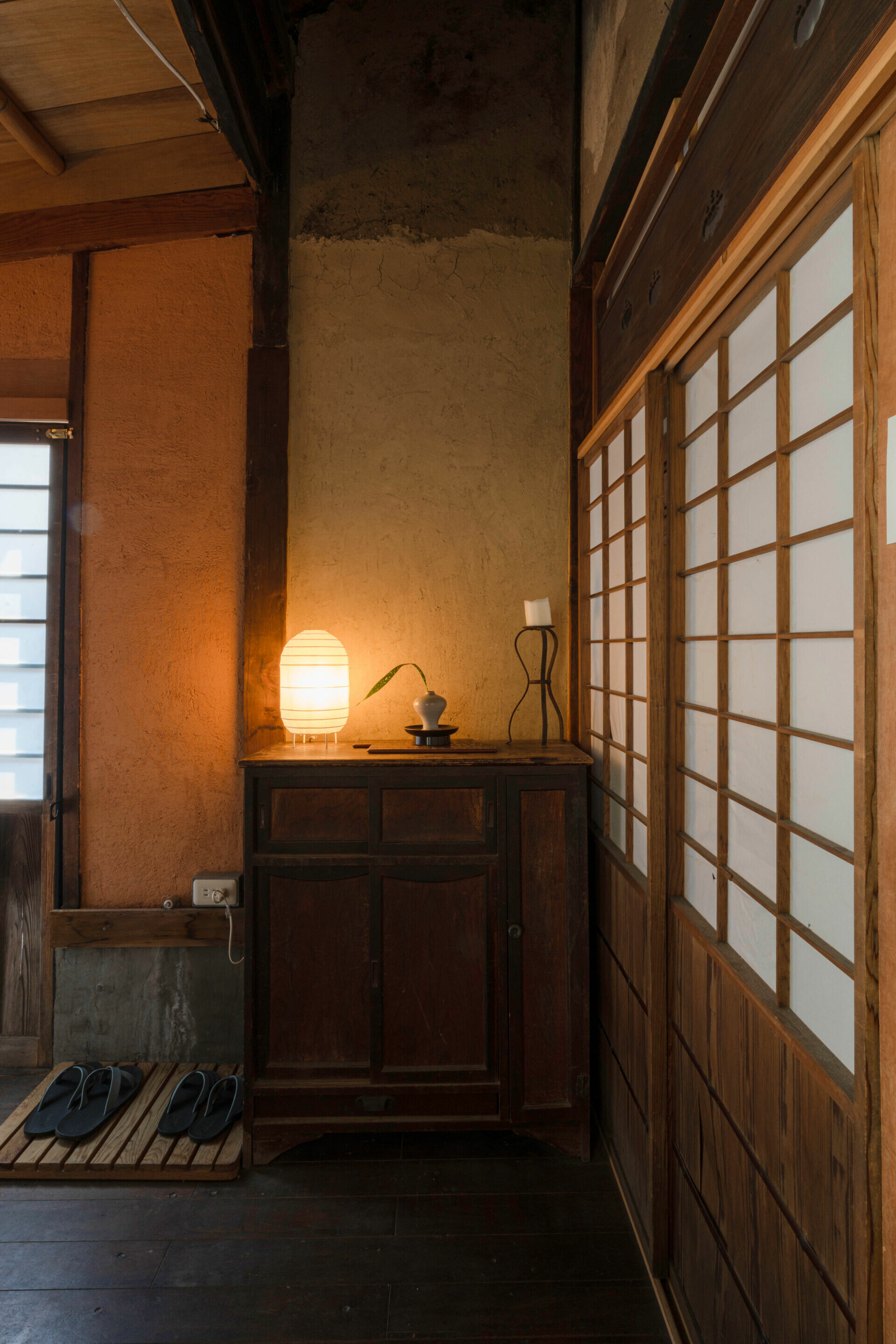
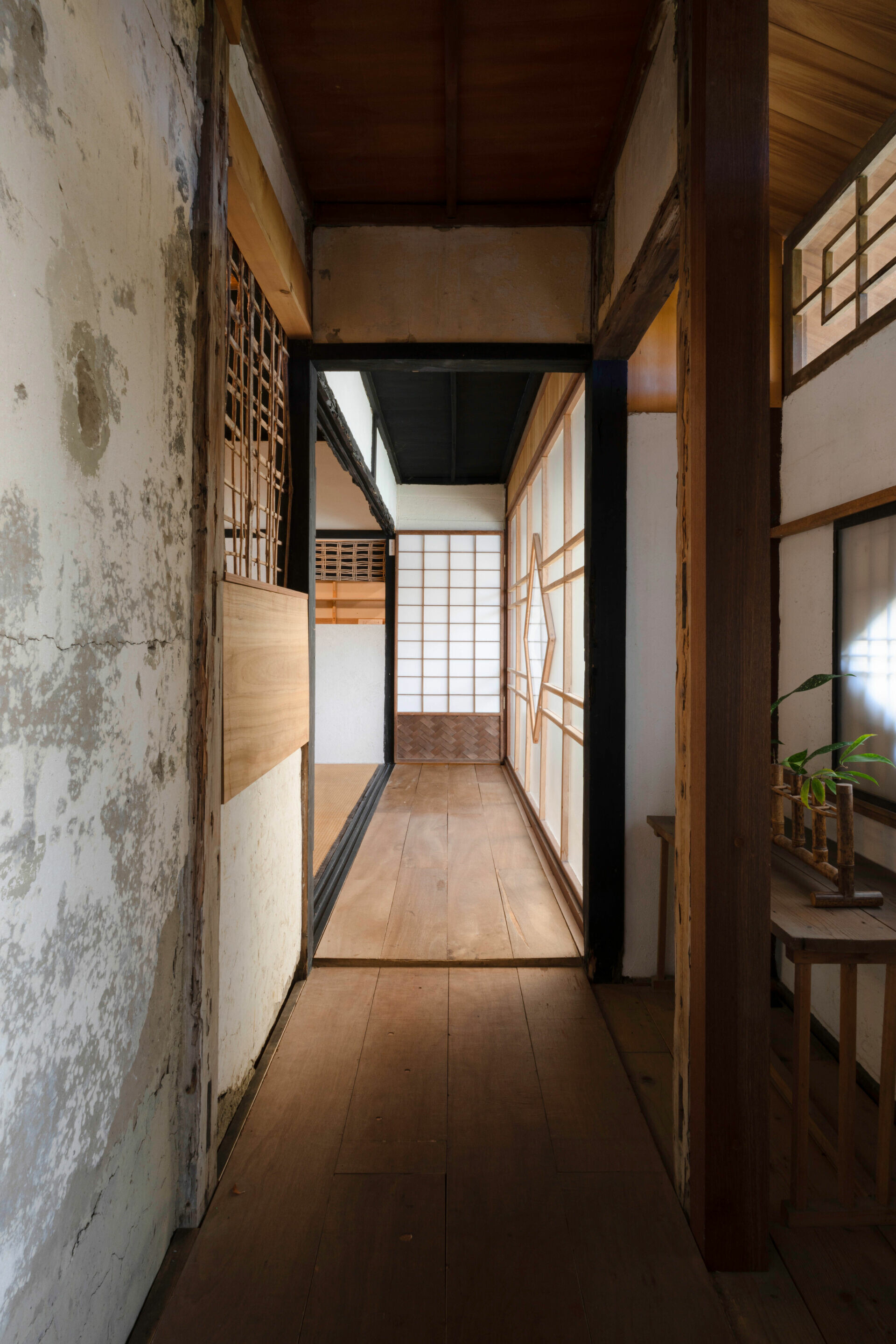
事實上,這棟日式宿舍古蹟原先為劉上鳴自己的工作室和居住所用。隨著親友們陸續前來參觀,愈發覺得,若能善加運用屋舍純樸而敞朗的格局,打造為餐飲空間,就能讓更多人有機會接觸這個獨具韻味的場域。再加上,十五年前在台灣的日式茶館相當少見,於是決定透過自身力量讓國人深度體會日本茶文化的魅力。為了確保即使經過修建,這座日式宿舍仍保有原本的歷史脈絡與建材質感。本來就有室內設計背景的劉上鳴承攬了所有老屋修復的大小流程,首先租下這座日式宿舍本身相連的三棟房,將走廊既有牆體打通,呈現能自在穿梭長屋格局的流暢動線。更親自赴往日本京都、關西地區考察當地日式茶館的用材與結構、翻閱歷史建築相關的原文書籍,最大限度還原這座屋舍的樣貌。
Initially, the building served as Liu’s private studio and residence. But as friends and acquaintances visited, Liu began to see the potential to share this serene, spacious setting more widely. At the time, Japanese teahouses were rare in Taiwan, and Liu envisioned creating a space where visitors could engage deeply with the refined world of Japanese tea culture. With a background in interior design, Liu personally oversaw the restoration. He leased three adjoining structures, removed existing corridor walls to establish a fluid, elongated layout, and traveled to Kyoto and the Kansai region to study authentic teahouse materials and construction techniques. He also consulted original Japanese texts on historic architecture to guide the restoration, aiming to preserve the residence’s authentic form to the greatest extent possible.
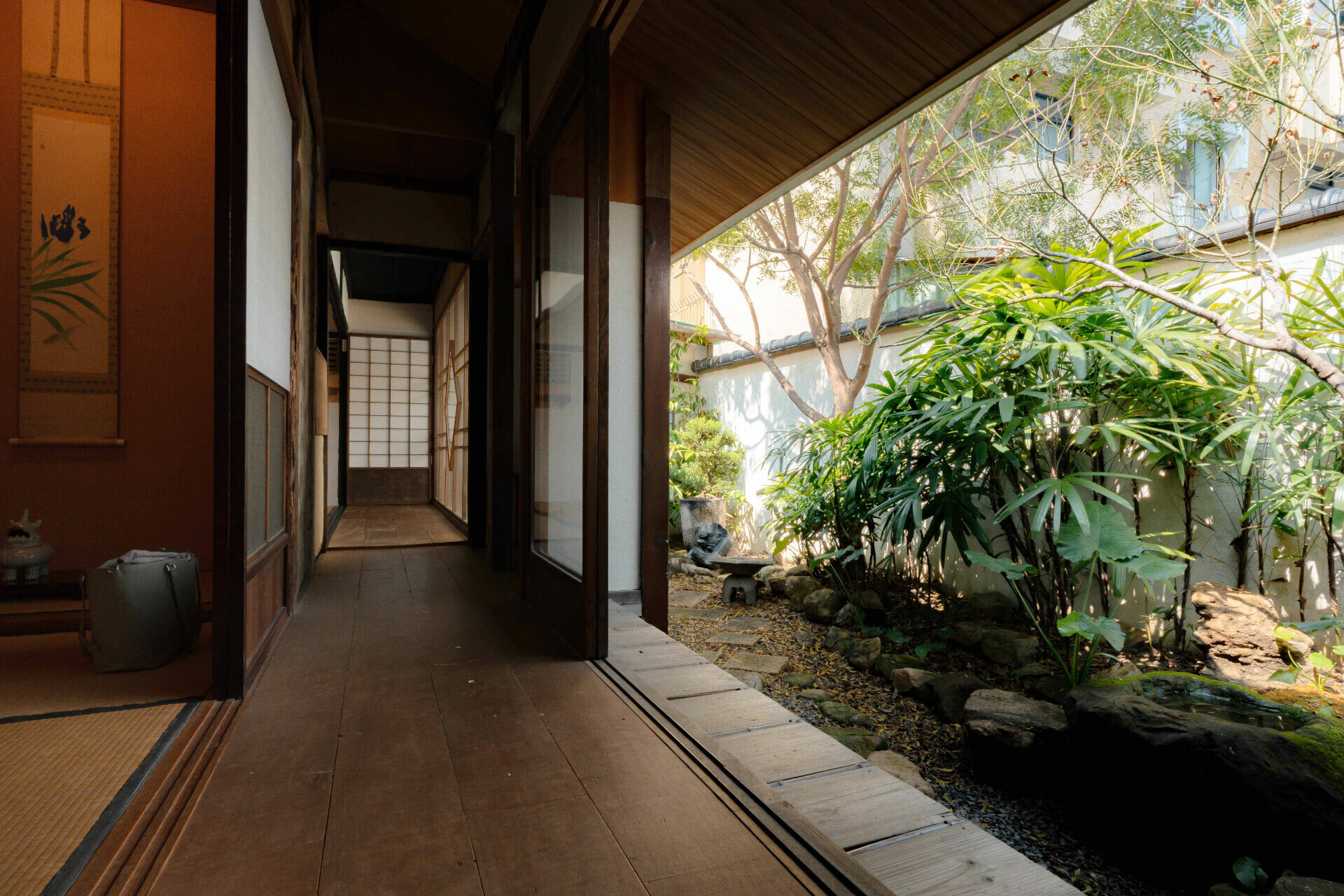
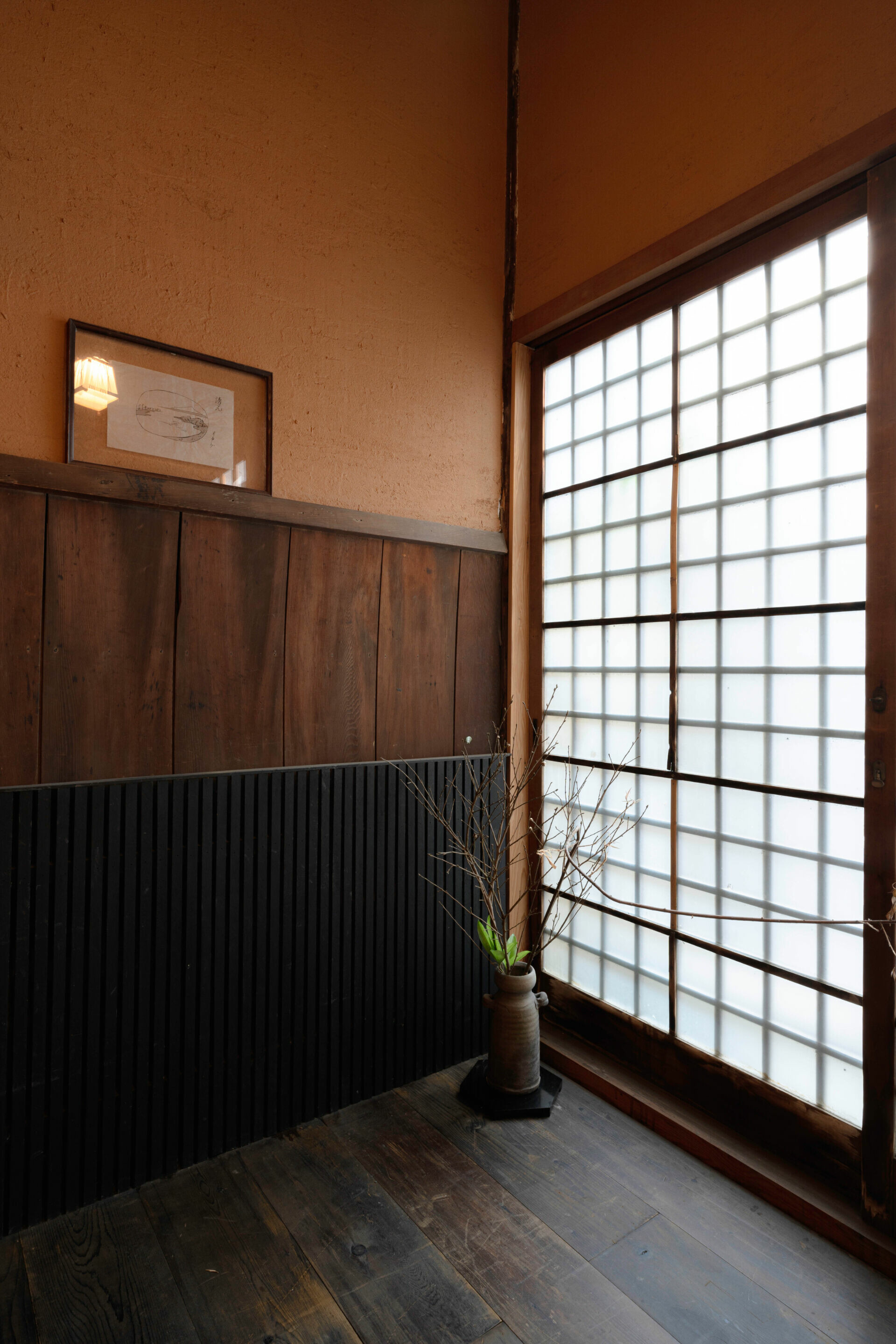
「我希望保留昭和時代的東西,因為那個年代的事物給我了很多啟發。」劉上鳴看到了這座老屋的設計巧思與特色,這些是現代人所無法複製的。儘管屋內隨處可見斑駁木材、脫落牆漆,或是因濕氣蛀掉的木頭,他仍視為房屋歷史的一部份,與其全部換新,劉主理人寧願不厭其煩地尋找古建材,例如:舊杉木、舊檜木等天然材料去補強建築結構,並以紋理塗料去貼合牆面原色調和肌理。在這裡,所有元素真實展現原貌,人們可以從裸露牆體、老舊木材中去觀察過去地痕跡,細品那份歷經歲月洗刷的無常美感,深入體會日式茶室的純樸感受,以及體悟到尊重自然材質選用的態度。
“I wanted to preserve elements from the Showa era,” Liu explains. “That period’s craftsmanship continues to inspire me.” Where others might have replaced deteriorated wood or peeling walls, Liu chose to embrace the natural traces of time. Rather than masking the effects of age, he sought out reclaimed building materials—vintage cedar and cypress among them—and used textured plaster to seamlessly integrate repairs with the original walls and surfaces. In every corner, the raw materials are left honest and visible. Visitors can read the past in exposed timbers and weathered surfaces, appreciating the wabi-sabi beauty of impermanence. This quiet authenticity extends beyond aesthetics; it invites contemplation of the traditional respect for natural materials and the passage of time.
城市中的避世之地,靜心體會生活
A Sanctuary Within the City: Experiencing Life Through Tea
劉上鳴也與我們分享道,「衛屋茶事」命名由來源於前工作室「小衛星設計實驗室(Sputnik Lab)」的發想,而 Sputnik 於俄文有人造衛星之意,也有旅伴的含意。劉主理人不願自身做的東西曲高和寡,反希望能打造貼近生活的事物,於是以此為工作室取名。爾後開始營業茶館,便從中取「衛」一字代表自身想維護這間日式町屋歷史軌跡的精神;「茶事」則意味著在這個場域中可以從事所有跟茶有關的事。因此這間茶館不僅提供一處喝茶的空間,有時亦會定期舉辦茶道課程、藝文展覽等活動。
The name Sputnik Lab reflects Liu’s broader design philosophy. It originated from his earlier creative studio, Sputnik Lab, where Sputnik—the Russian word for “satellite”—also connotes a traveling companion. Liu wanted to avoid creating work that felt exclusive or disconnected from daily life. When the teahouse opened, he chose the character Wei (衛, meaning“to protect”) to symbolize his intent to preserve the historical traces of the machiya, while Chashi (茶事) denotes a space devoted to all things related to tea. The teahouse offers more than a place to drink tea. It hosts tea ceremony classes, cultural exhibitions, and seasonal gatherings, fostering a deeper connection between visitors and the philosophy of tea.
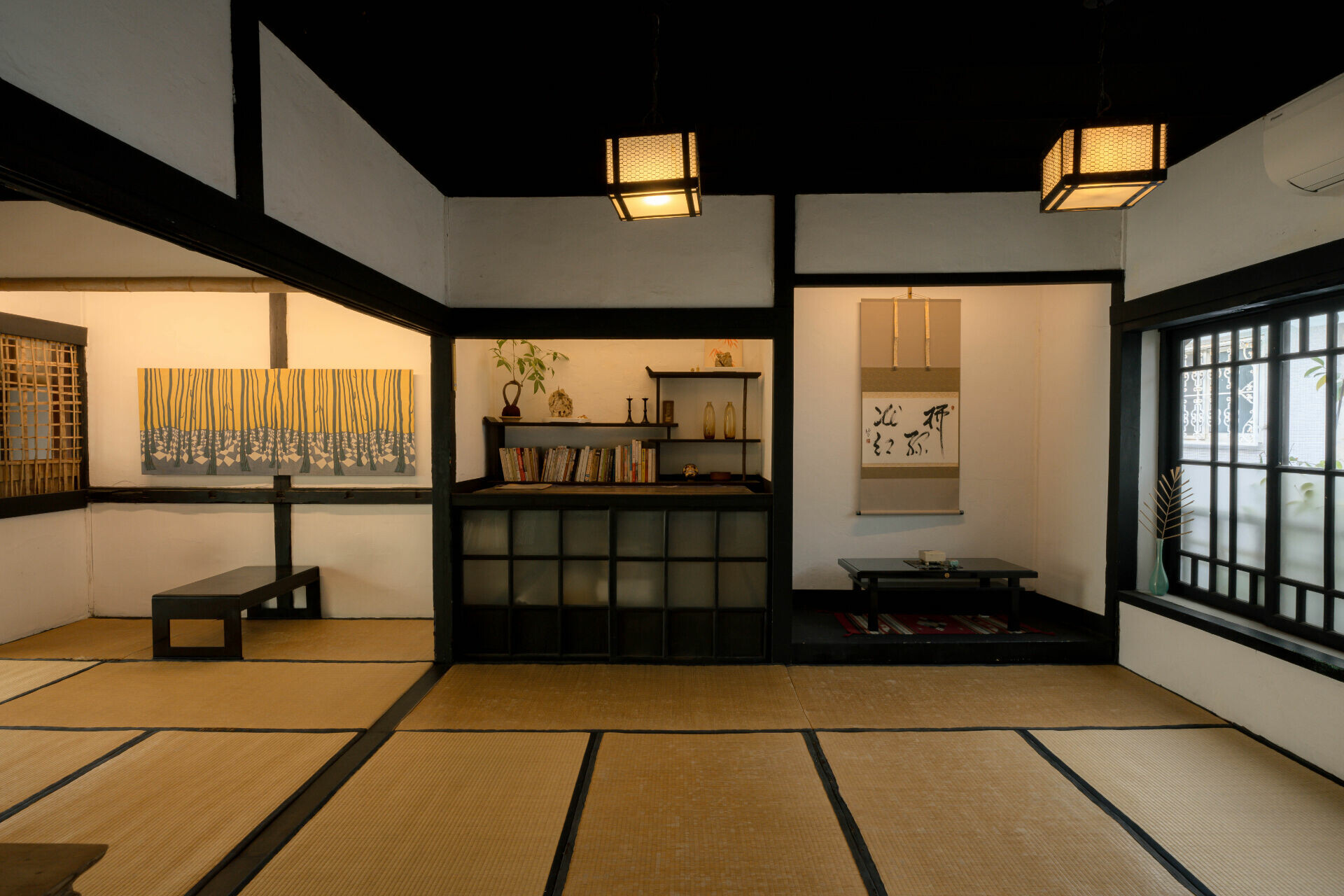
也許是從小看著父親自日本出差帶回來許多當地工藝品、書籍、雜誌,劉上鳴在耳濡目染下,自然而然對日本文化產生興趣;再加上小時候住在眷村,會好奇地思考房屋結構的作用。為此,劉主理人也希望透過修整日式建築,讓大家靜心體驗茶道儀式、品味時令和食佳餚,於各面向層面加深客人與日本文化的連結。
Liu’s connection to Japanese culture began in childhood. Growing up in a military dependents’ village, he was fascinated by the structure of houses and inspired by the Japanese crafts, books, and magazines his father brought home from business trips. Today, through the restoration of Japanese architecture, Liu invites guests to quietly experience the rituals of tea, savor seasonal kaiseki meals, and deepen their connection to Japanese culture in both form and spirit.
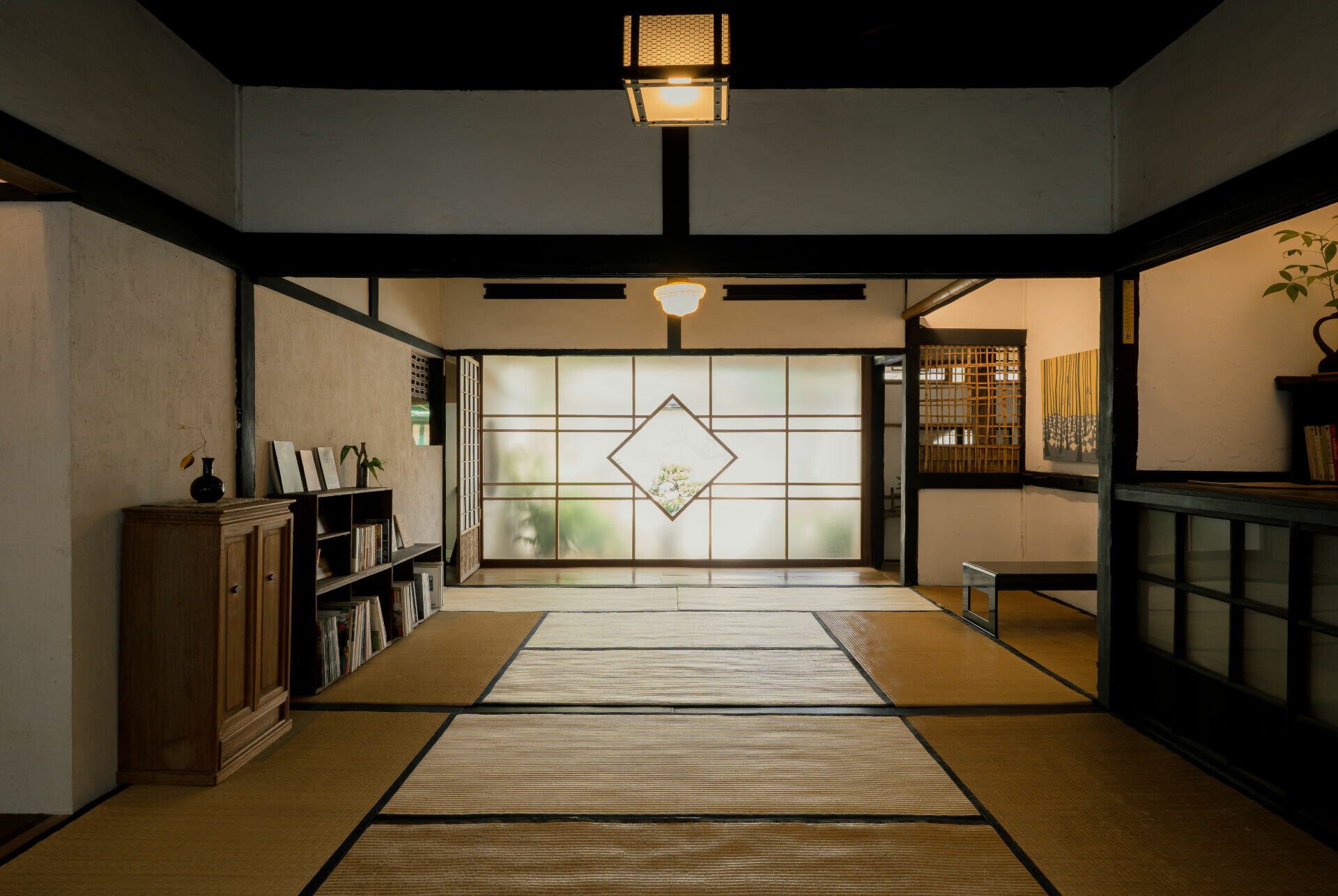
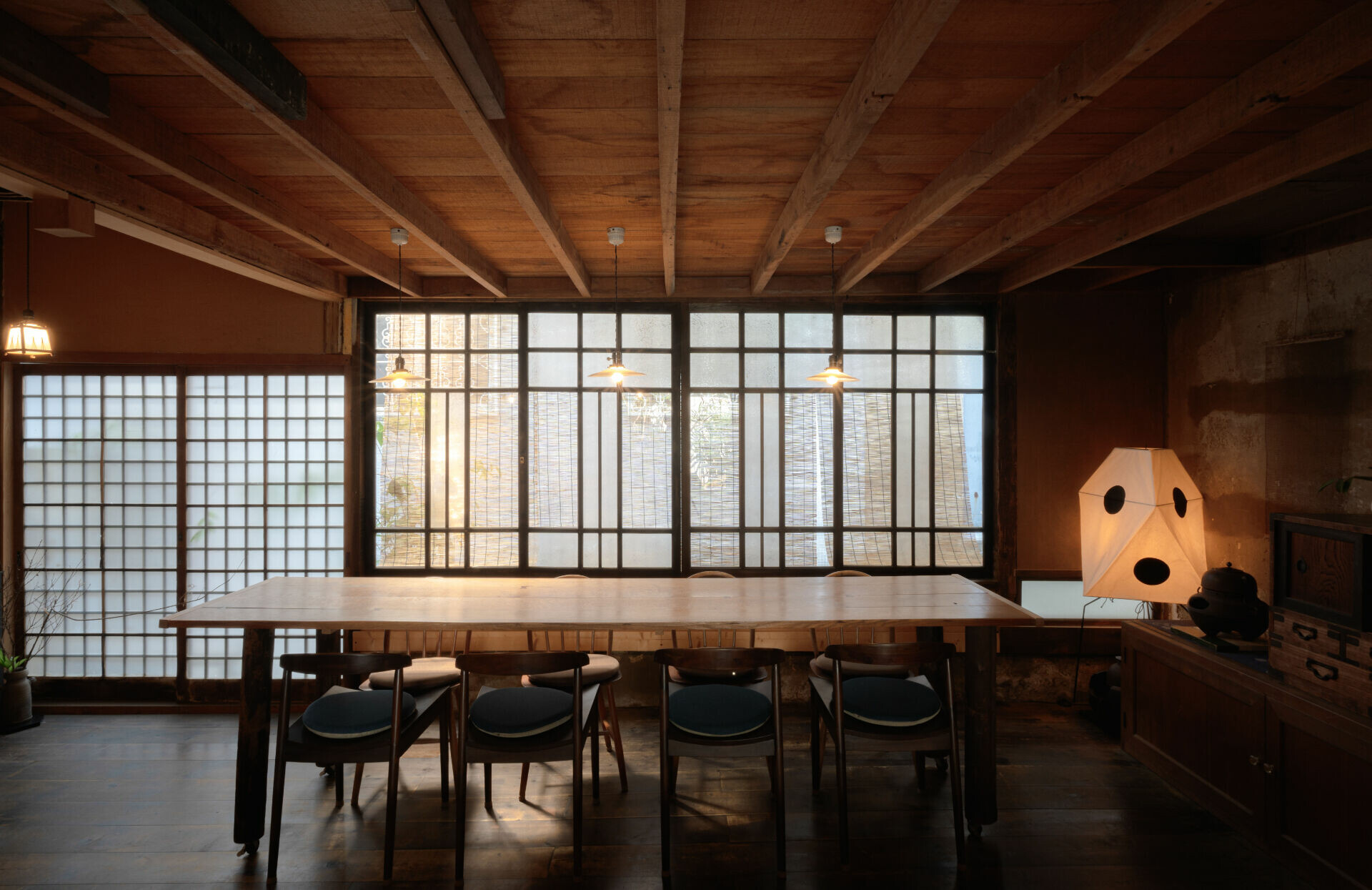
於速食時代下,這處清淨場域化作城市中一處安寧的避世之地,人們在茶室學習茶道之美時,亦能時刻靜觀茶庭內的植栽綠意隨著時間變化;坐在用餐區的榻榻米上細嚼和食之餘,視線望向大面玻璃中央好似被幾何窗戶框住的松樹,忘卻世俗,讓隨處可及的自然花木療癒心靈,從中拓展至精神層面、找回身心平衡。著眼未來,劉上鳴主理人期待舉辦主題多元常態性的展覽,賦予這座老屋生活感。
In an era defined by speed and convenience, Sputnik Lab offers a sanctuary of stillness. Visitors can learn the beauty of tea while observing the shifting greenery in the tea garden, or dine seated on tatami mats, savoring seasonal cuisine while gazing through large windows that frame a single pine tree—its branches creating a living composition that evolves with time. Here, the presence of natural materials and thoughtful design extends beyond aesthetics, offering a pathway toward inner balance. Looking ahead, Liu envisions a diverse program of exhibitions and cultural events that will continue to animate the life of the house, enriching its role as a living landmark where architecture, heritage, and contemplative living converge.