Apricity Development Brand Headquarters
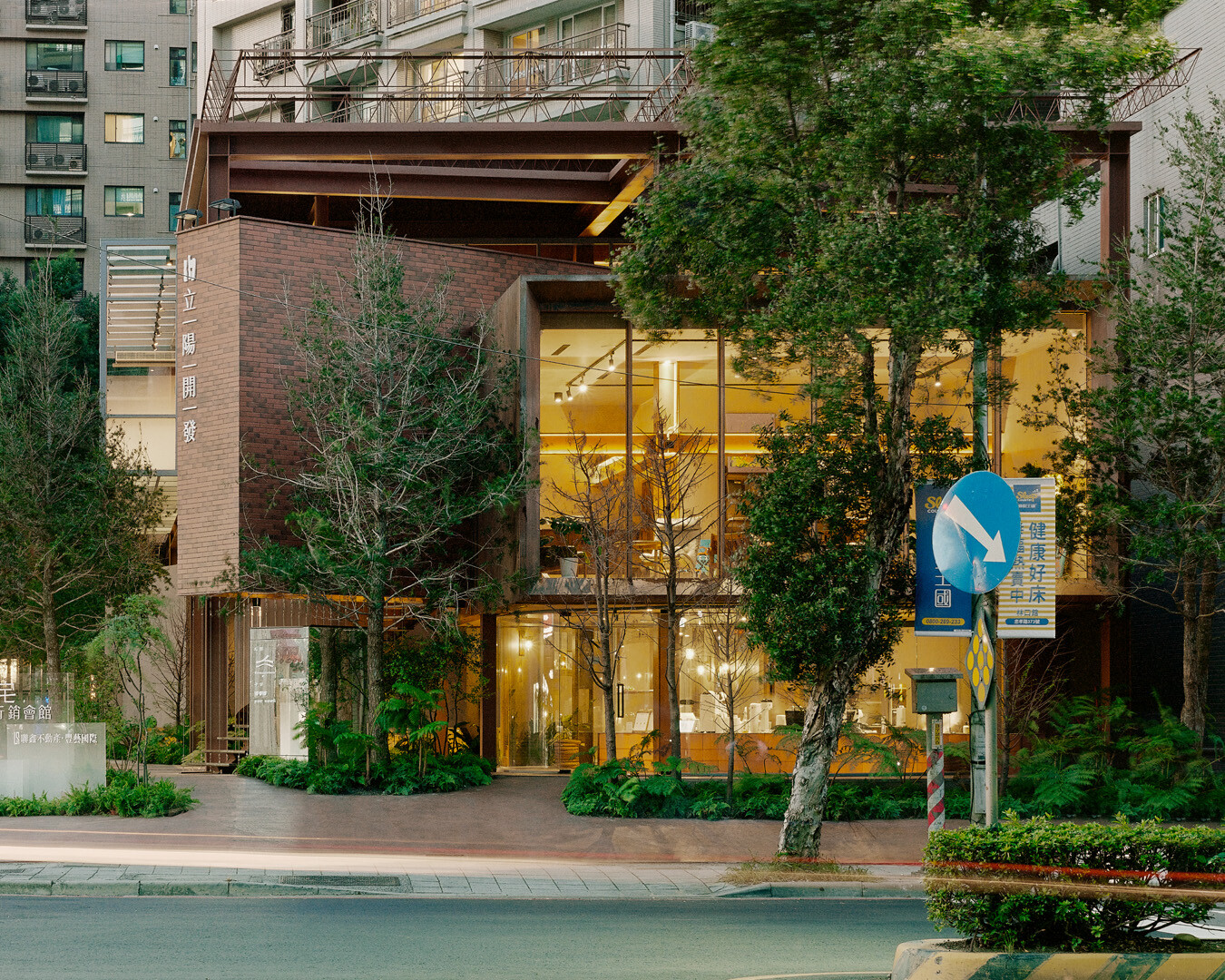
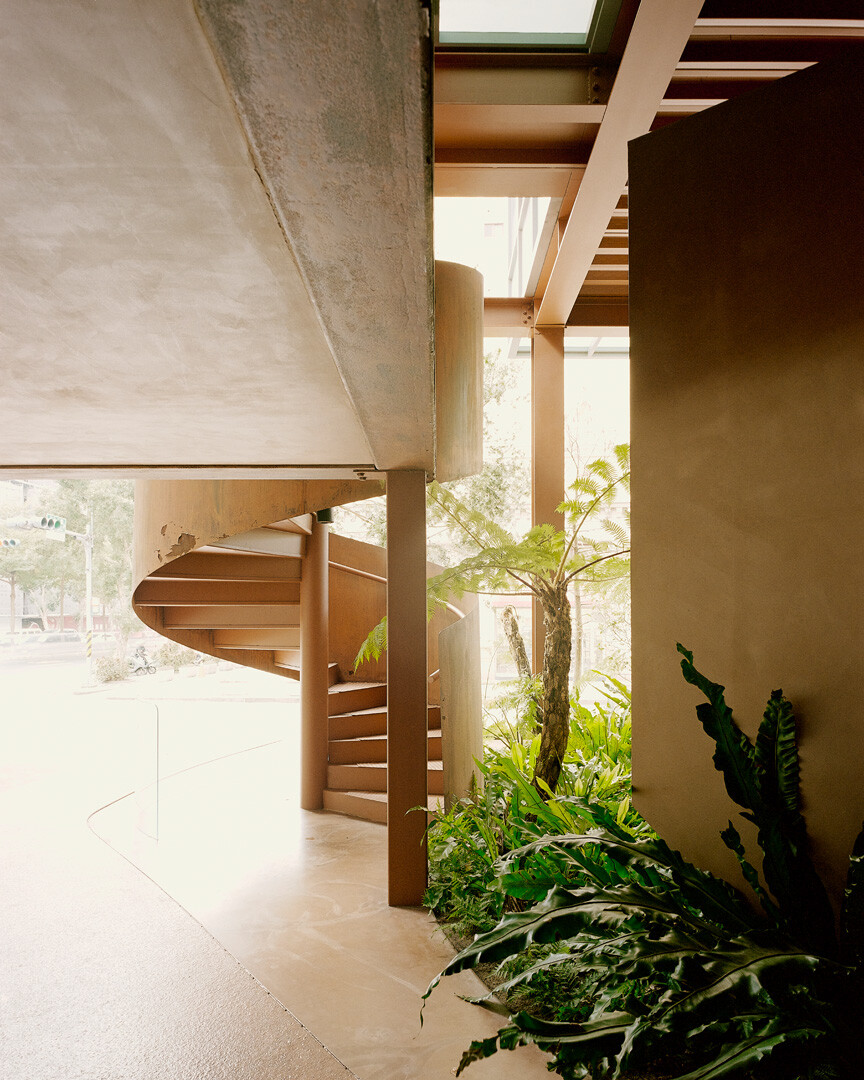
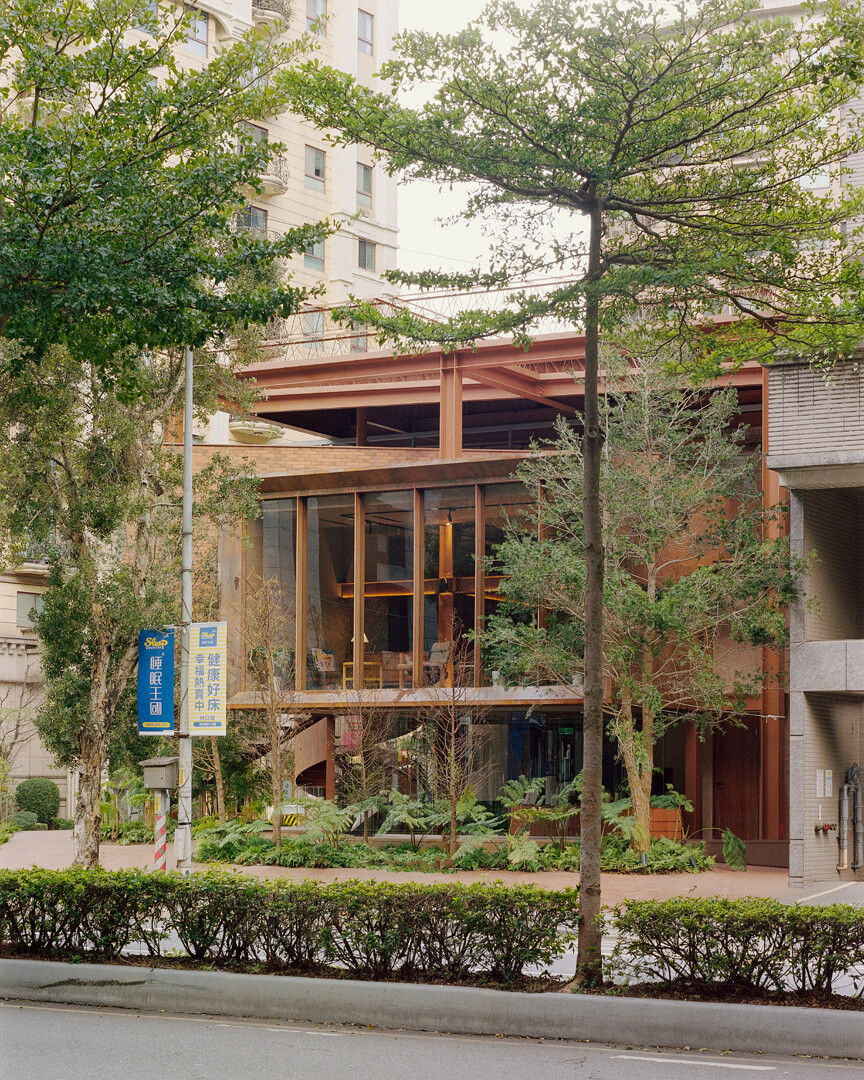
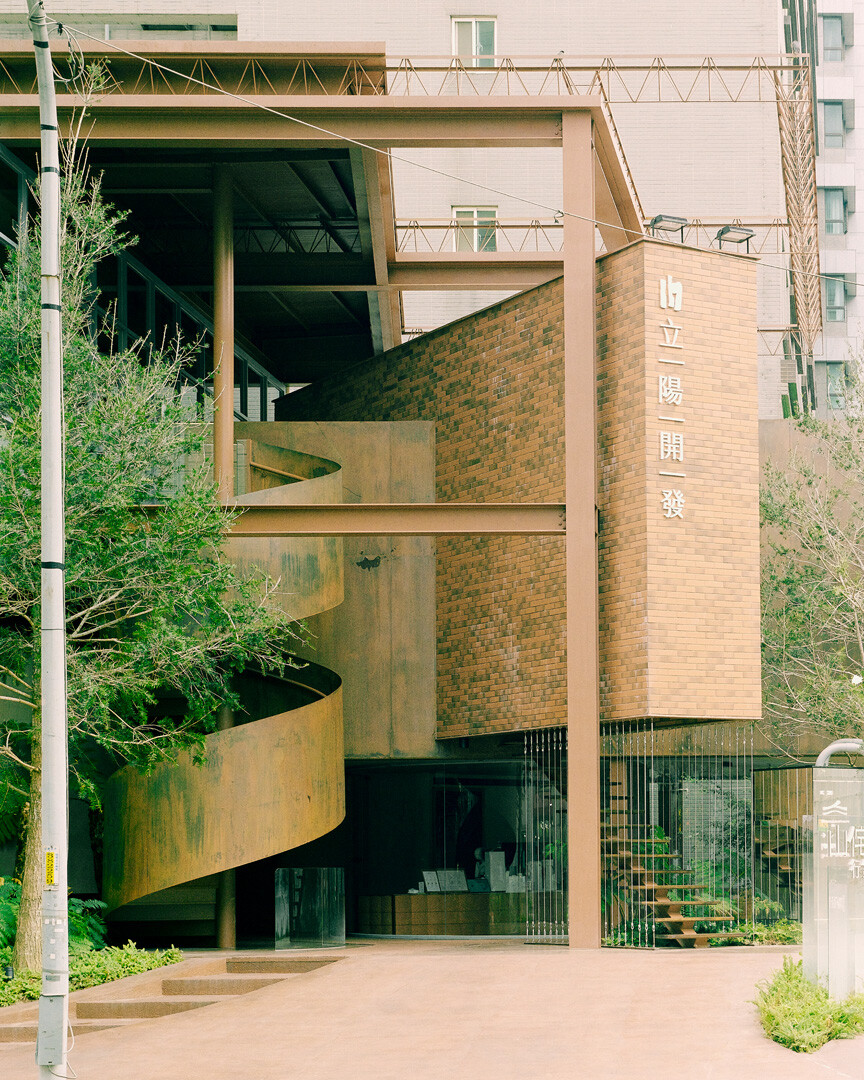
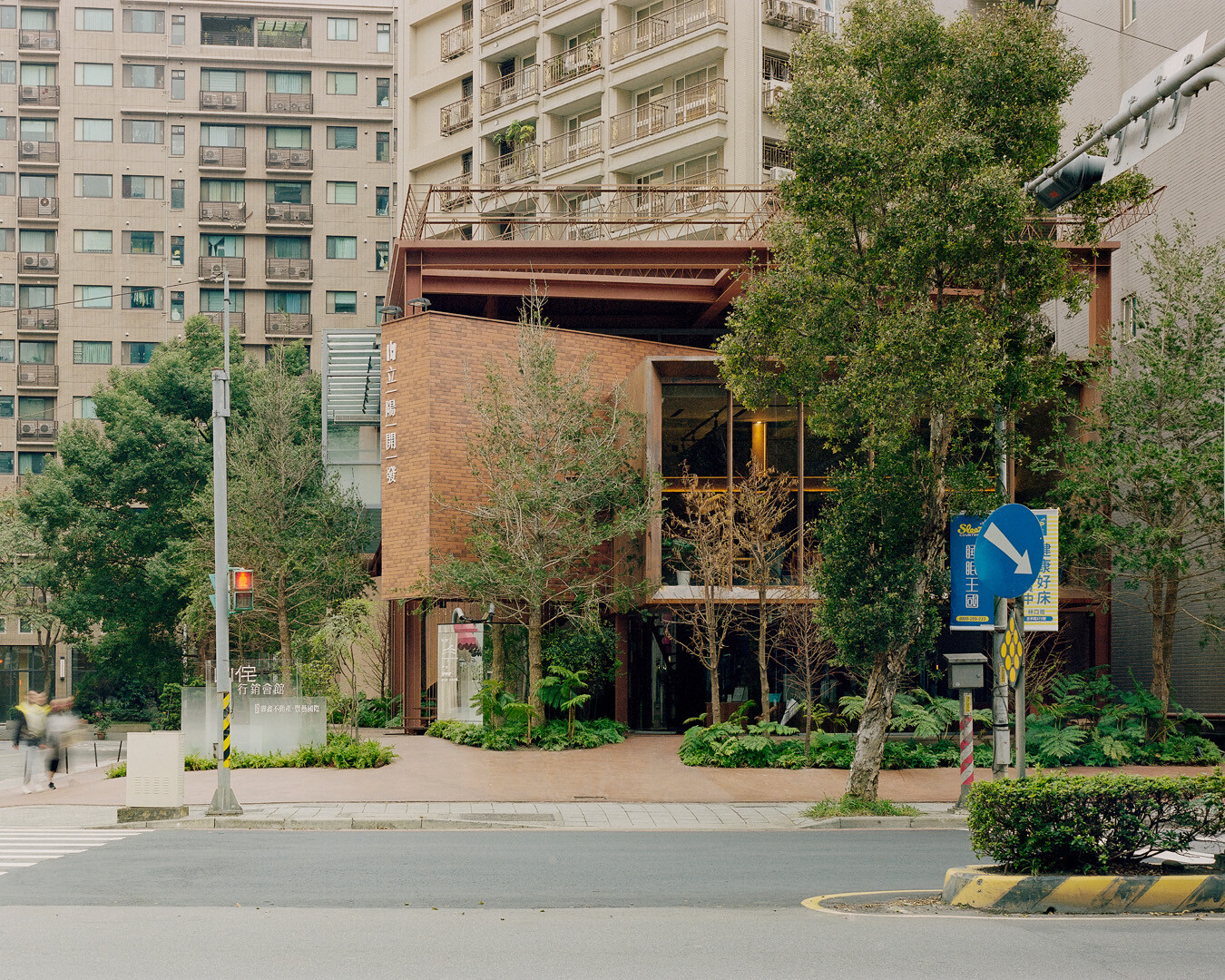
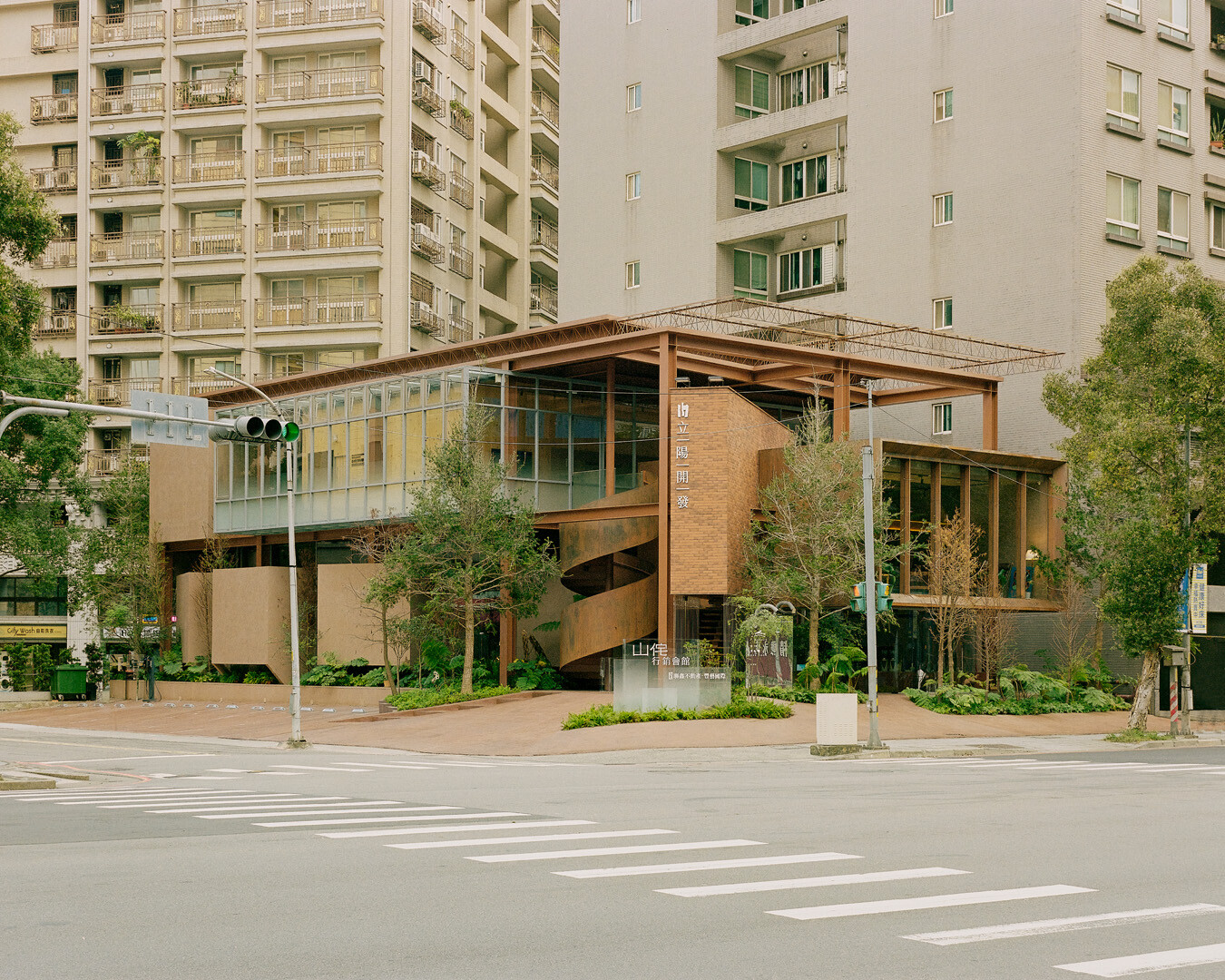
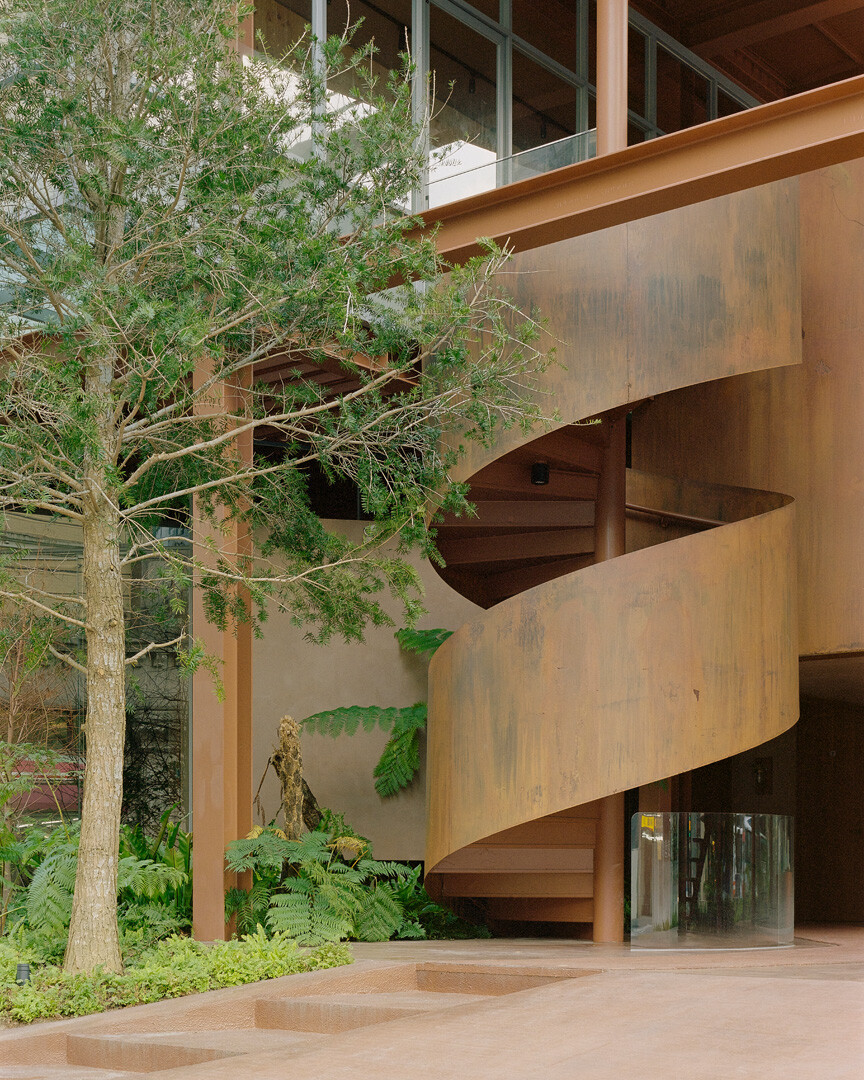
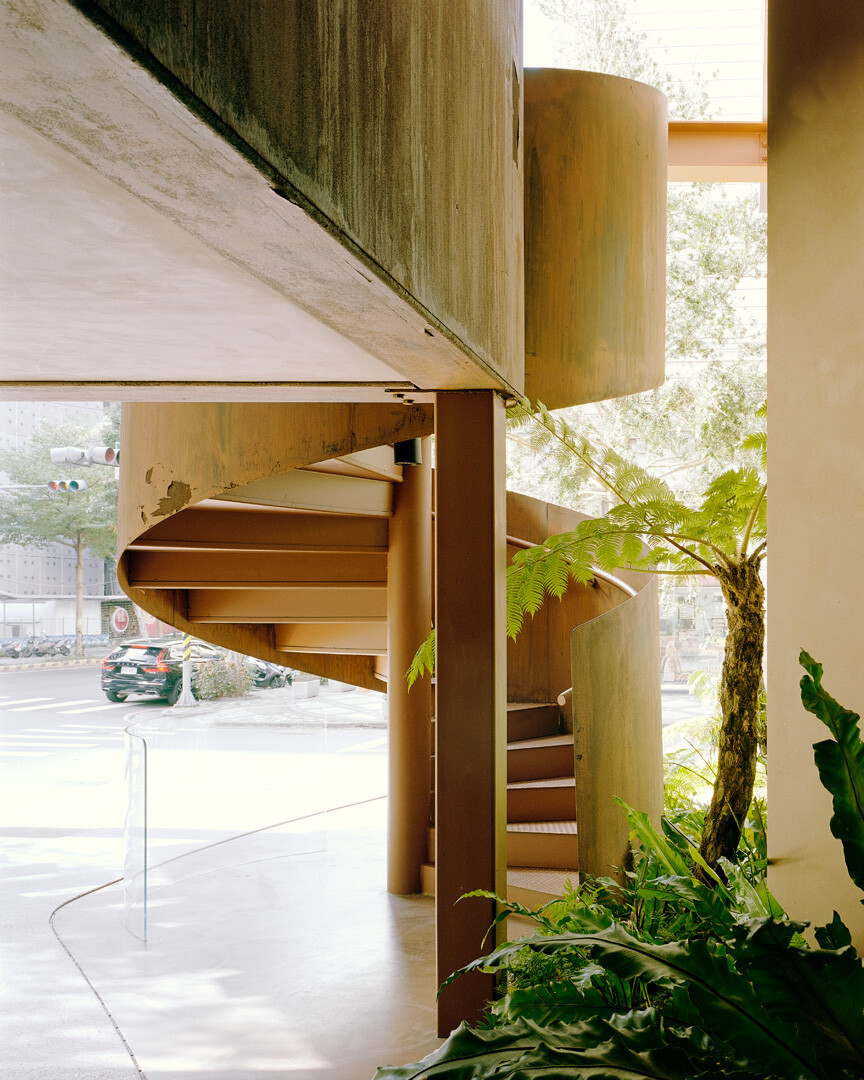
On the bustling, expansive avenues of Linkou, the grid-like city planning conveys a sense of order and clarity. It is nearly inconceivable today that, as recently as 1968, a dedicated coal-transporting railway line served as a cornerstone of the area's early industrial development. Nowadays, high-rise apartment buildings and expansive shopping malls characterize the landscape, and the disused railway has been reimagined into a green corridor, a quiet historical echo of an industrial past. At a prominent street corner sits a striking two-story structure. Its composition resembles Lego blocks—red-brick-colored geometric volumes interwoven within an exposed steel framework. The building’s distinctive organic form disrupts the otherwise predictable rhythm of the urban streetscape, making it impossible to ignore. Its dynamic façade moves subtly between transparency and enclosure, offering tantalizing glimpses into interior scenes through large expanses of glazing. At first glance, the interiors appear to house café or dining spaces, yet the external signage clearly marks it as the "WABI SABI VILLE Marketing Center." This paradox prompts immediate curiosity: why does a construction firm's headquarters embrace such a vibrant, forest-like ambiance? Closer inspection reveals an imposing exterior spiral staircase crafted from structural steel, its surface visibly weathered by time. Such unusual elements, at odds with conventional urban architecture, drive visitors inward to explore and unravel the mystery.
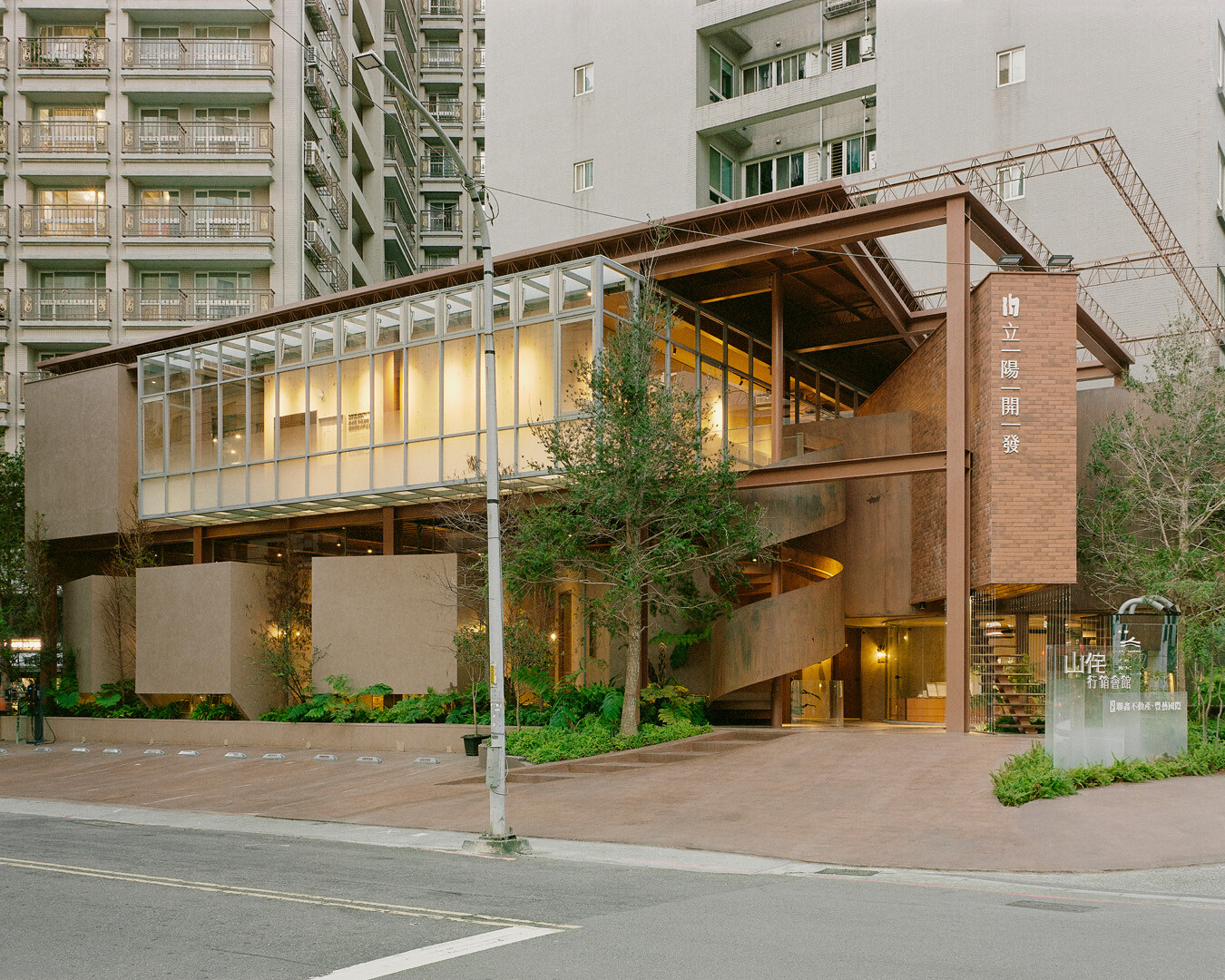
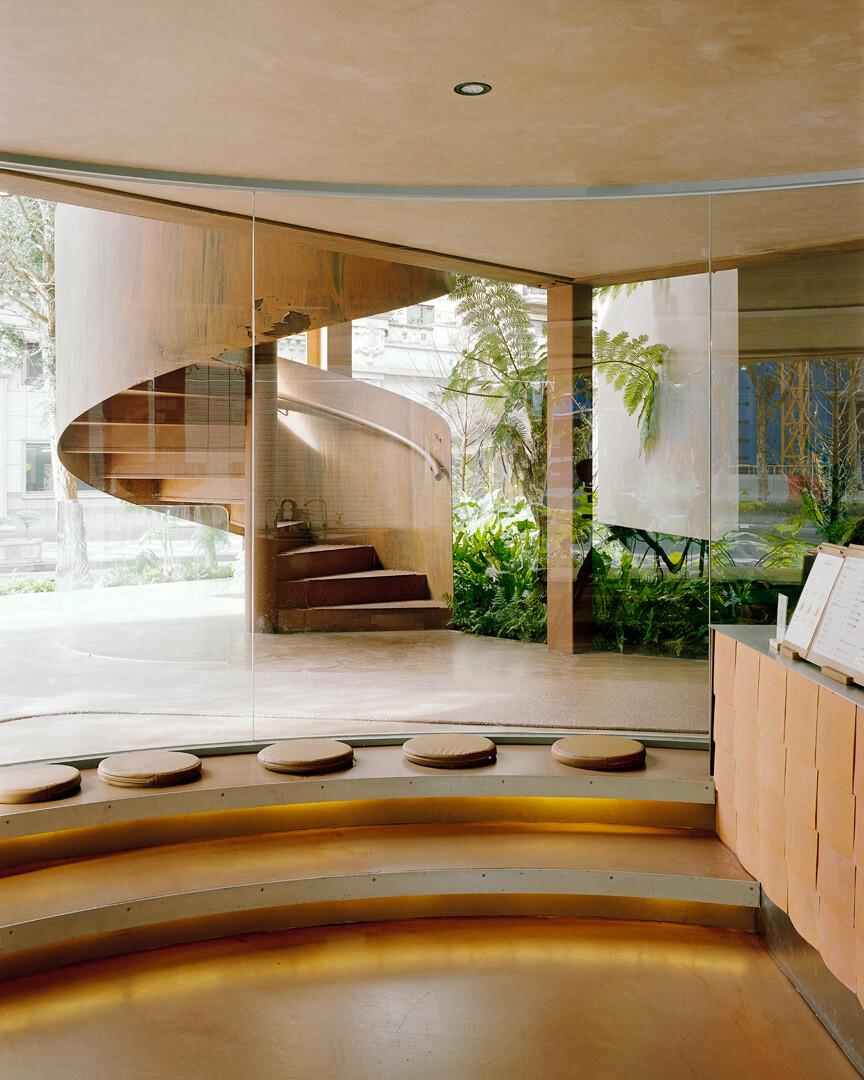
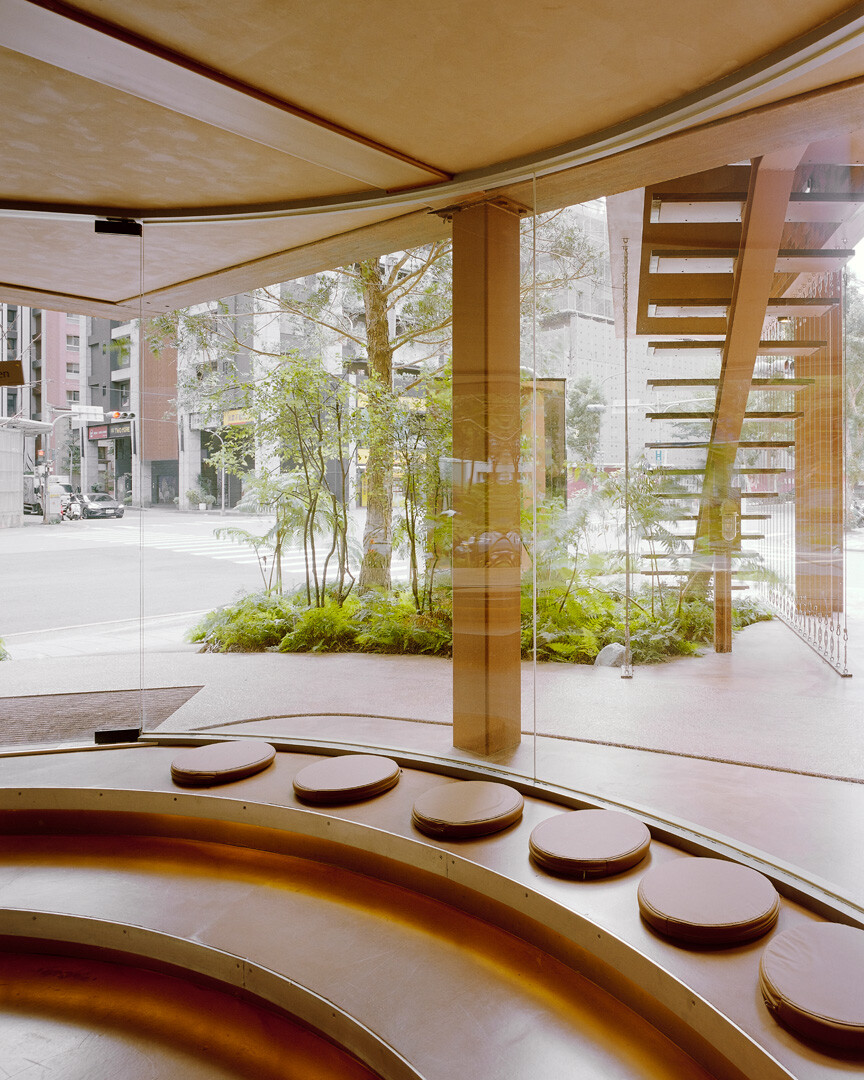
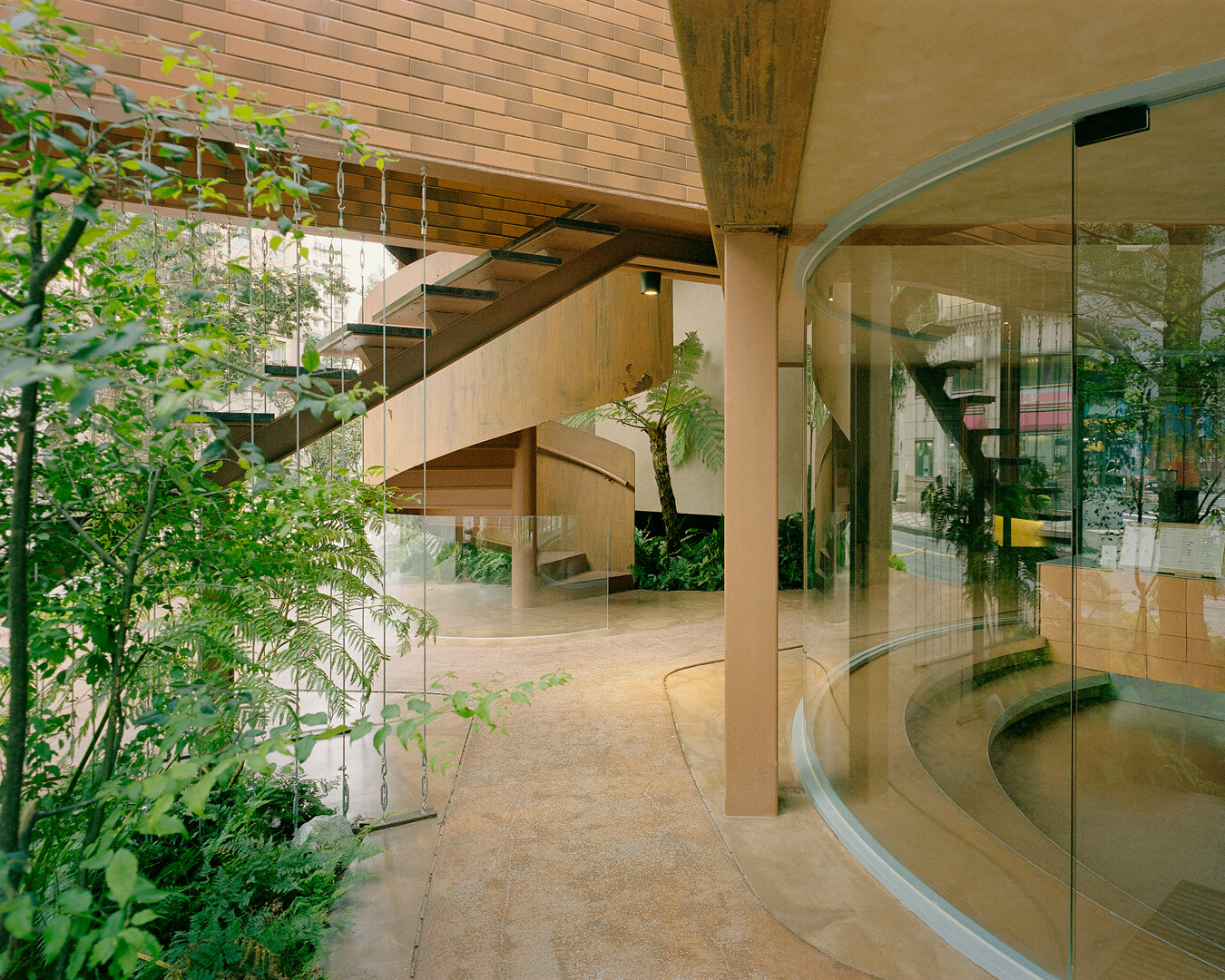
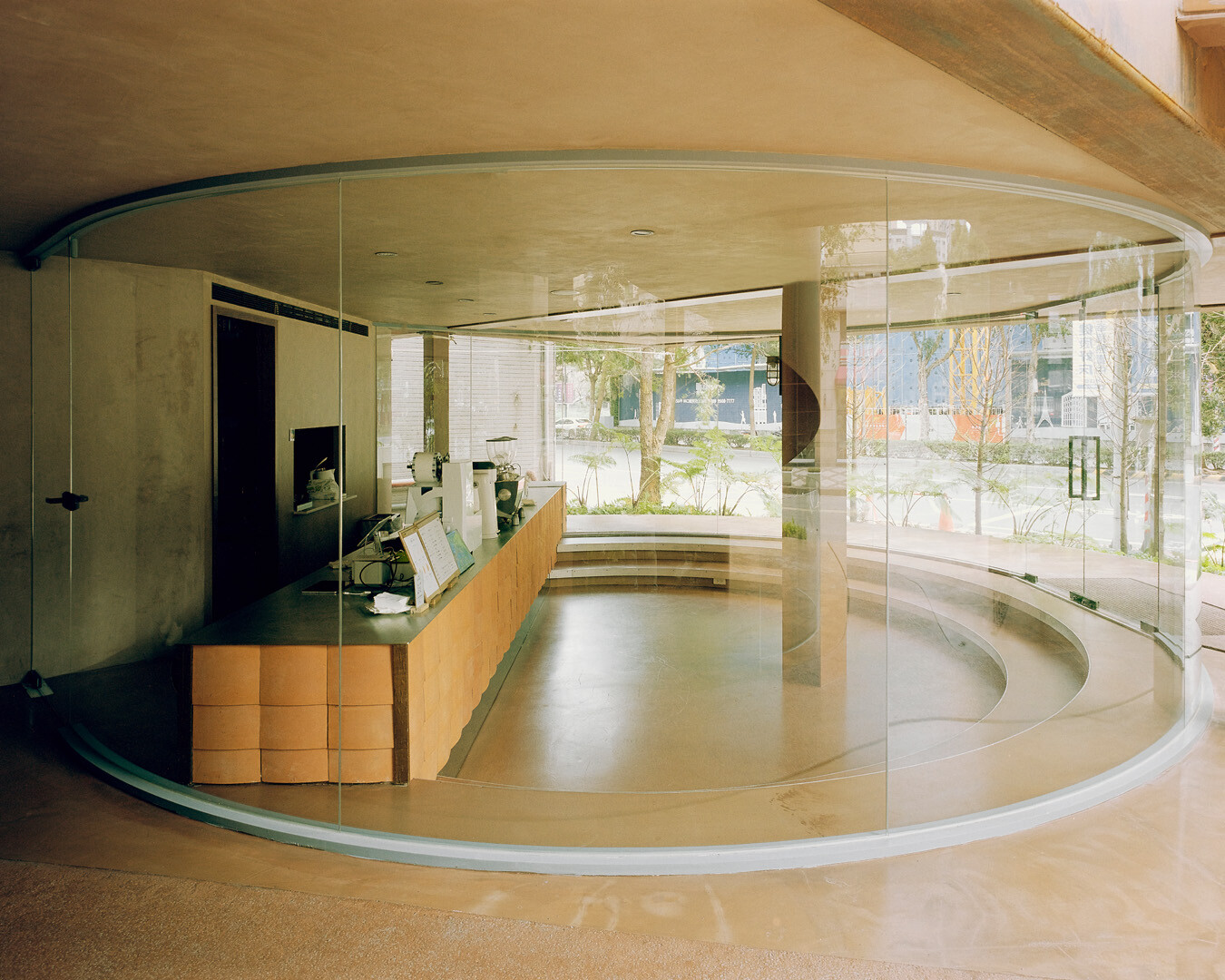
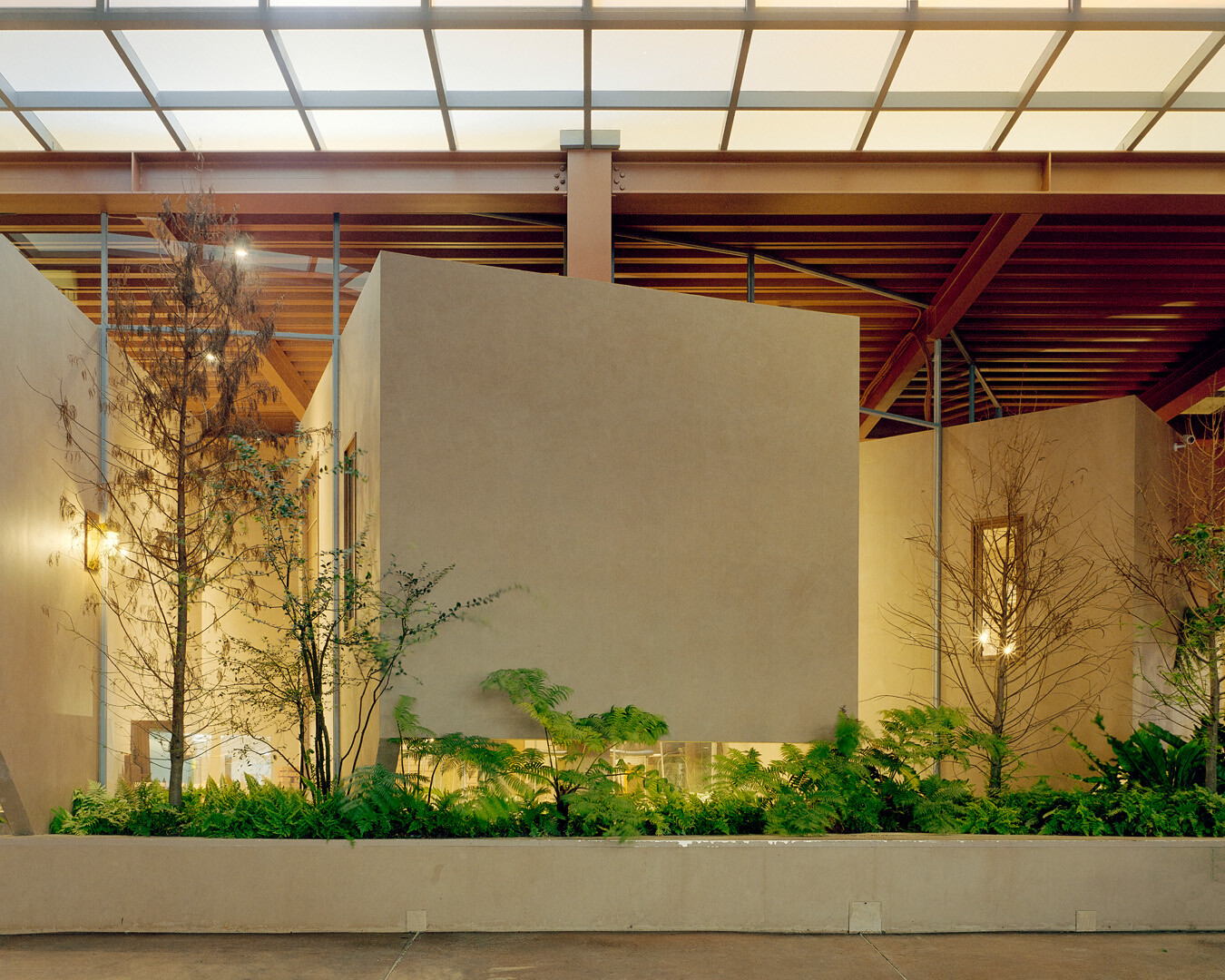
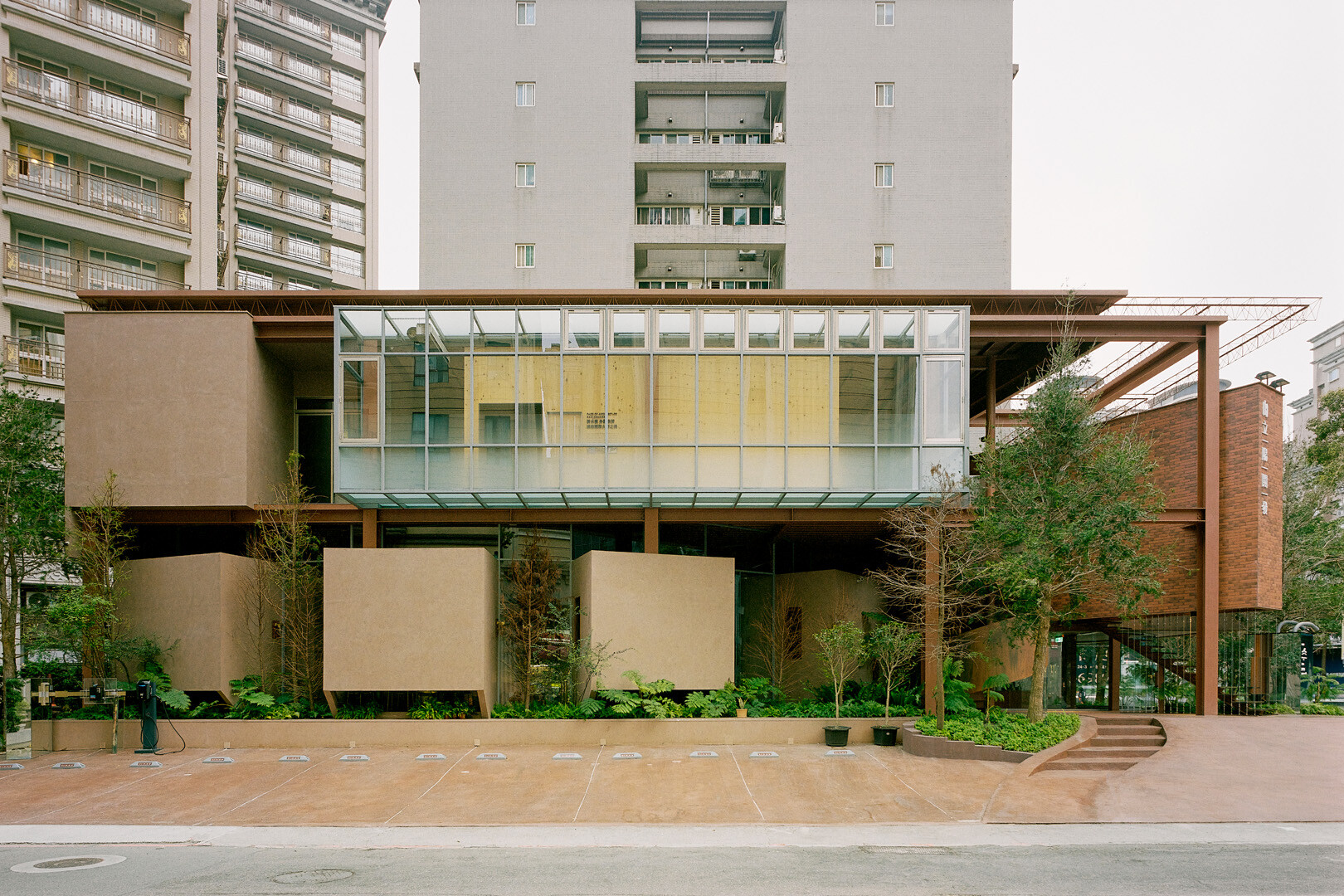
Before deciphering this puzzle, one must understand the background of the company itself. Apricity Construction has deep roots in Linkou spanning eight generations. Originally established during Taiwan’s Japanese colonial era as a charcoal-selling enterprise, the company transitioned through tile production and brick kilns before evolving into a reputable construction firm. Still guided by principles of meticulous craftsmanship and integrity, the firm remains committed to revitalizing land, tightly weaving architecture, culture, nature, and daily life. Therefore, even in designing a marketing center, the firm prioritized reflecting a profound respect for the land, aiming to redefine urban life and its relationship to the natural environment. Inspired by Apricity’s early hillside brick kilns, architect Yu-Jui Chang embraced a deconstructive approach, crafting a structure intentionally lacking a primary façade. Instead, geometric volumes reminiscent of functional factory spaces were arranged within a steel structural grid in response to the site conditions, unfolding gently in a fan-like array to evoke a sense of fluidity and dynamism. The gaps between these modules invite natural light and ventilation through extensive glazing, softening the rigid architectural lines. Inside, visitors wander along winding paths bordered by native Taiwanese plants suspended from steel frames, small sand mounds scattered naturally across the floor, and low red-brick seating platforms. The atmosphere, brimming with vitality, feels closer to an authentic mountain factory environment than a typical urban interior. It is immersive, unrestrained, and organic—until shifting views of the cityscape through windows gently remind visitors of their urban context.
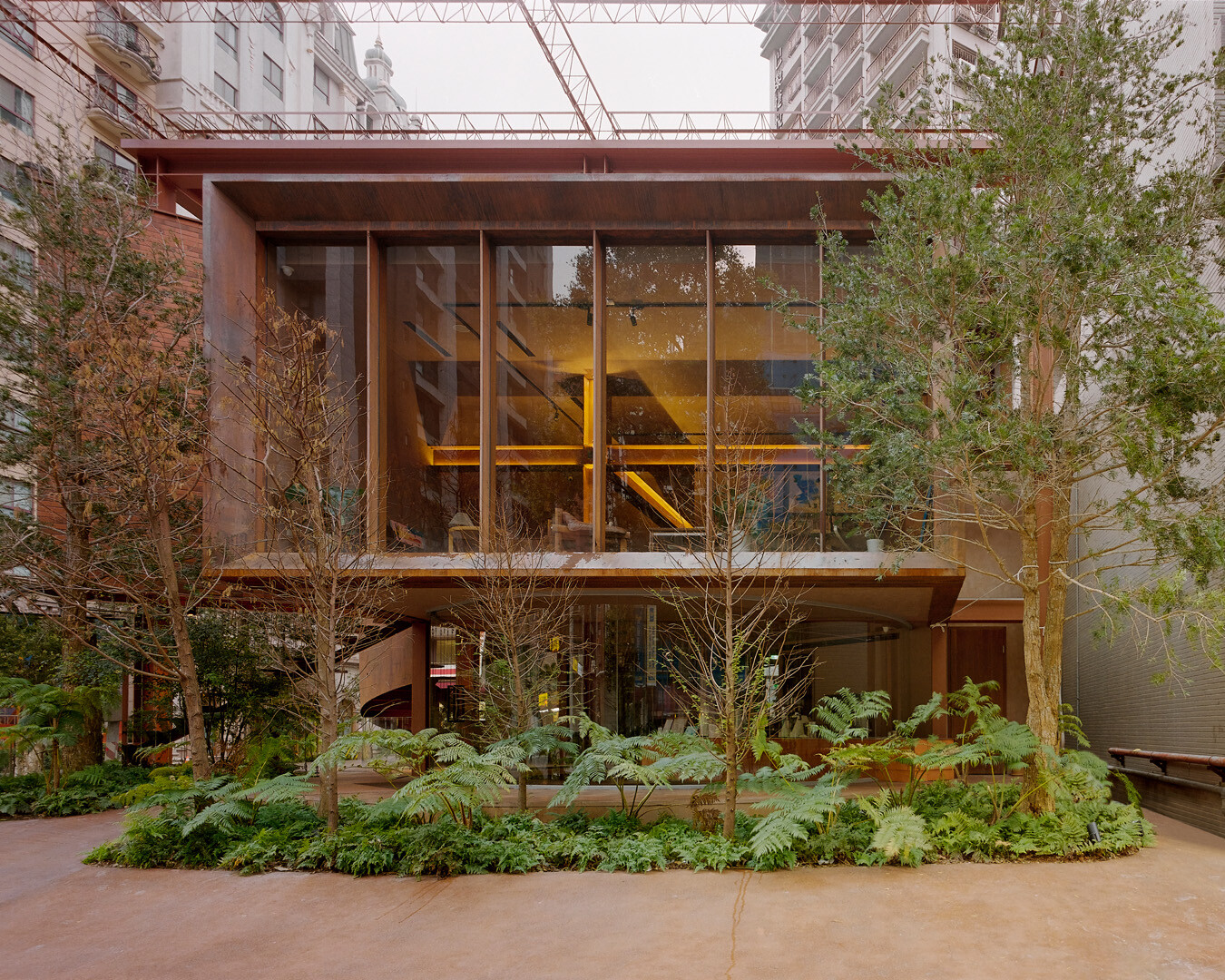
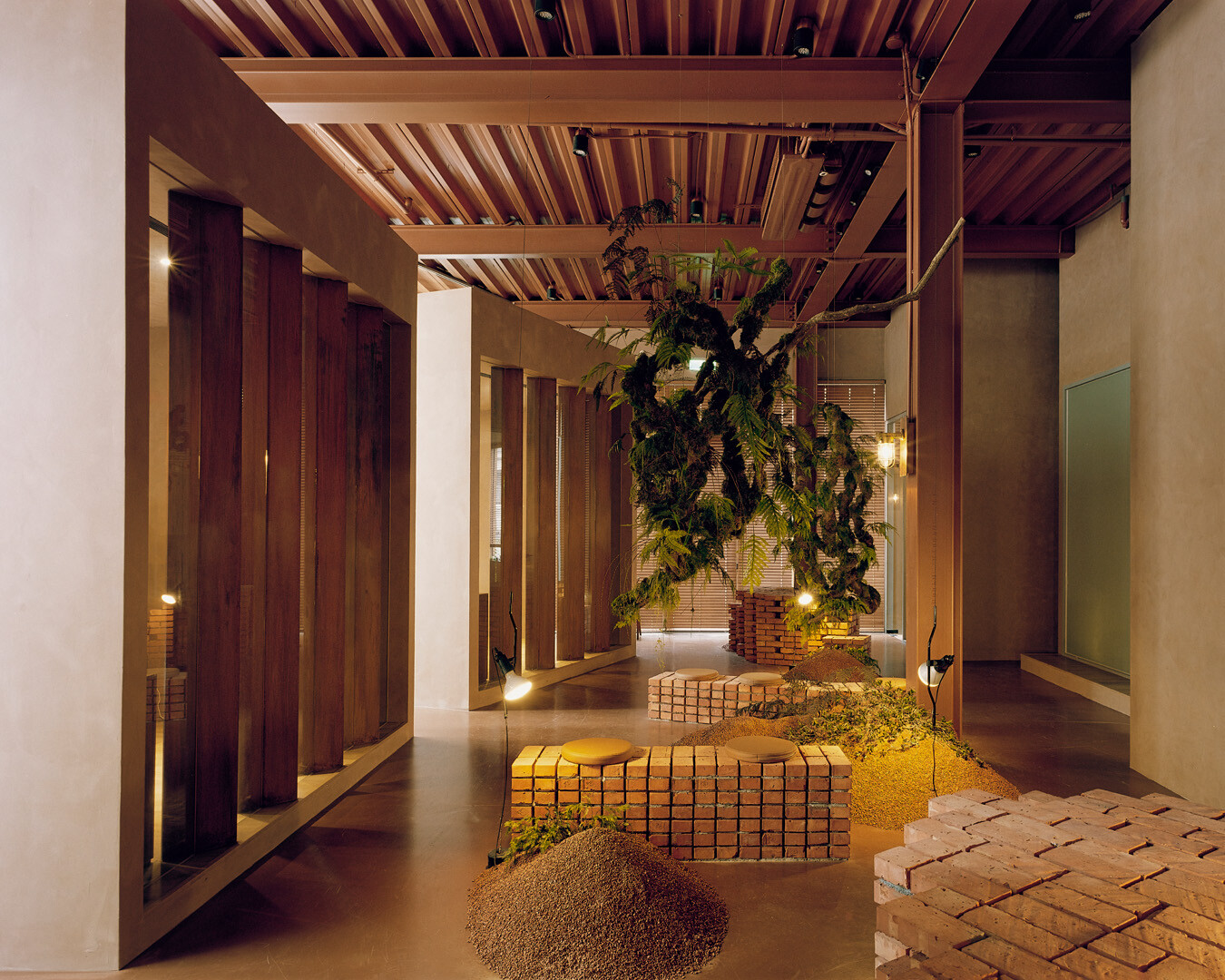
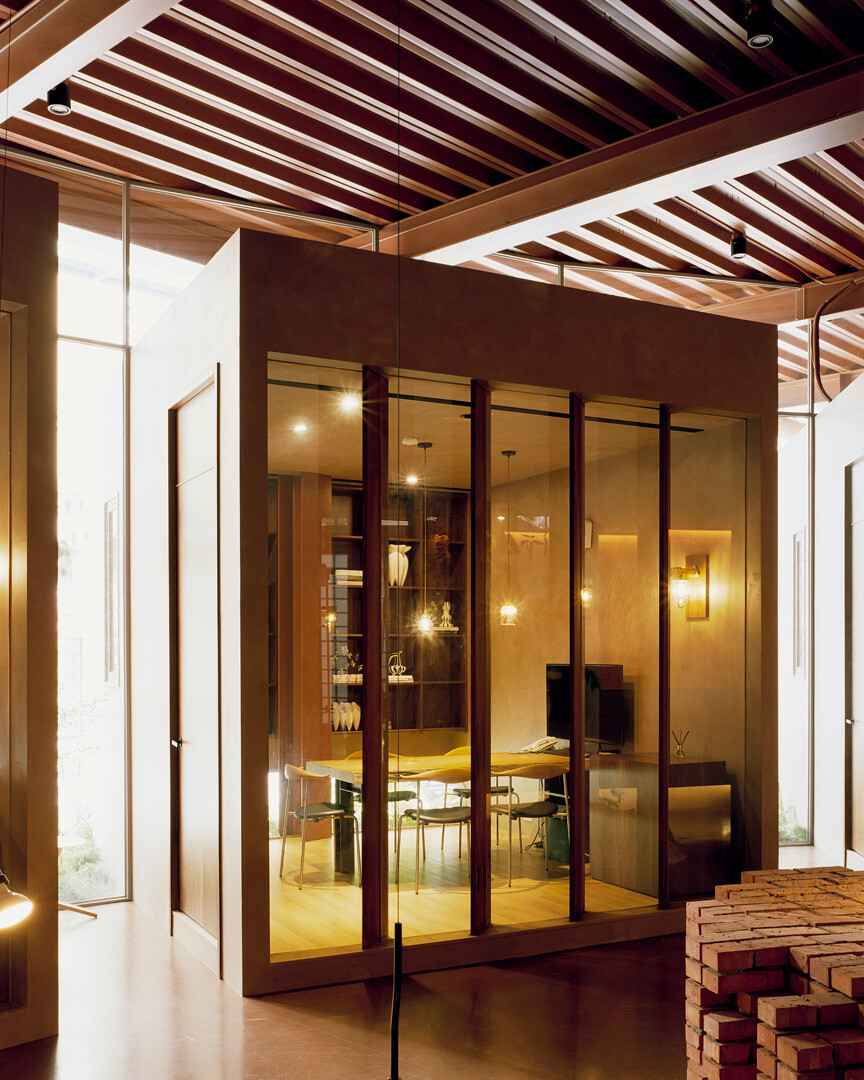
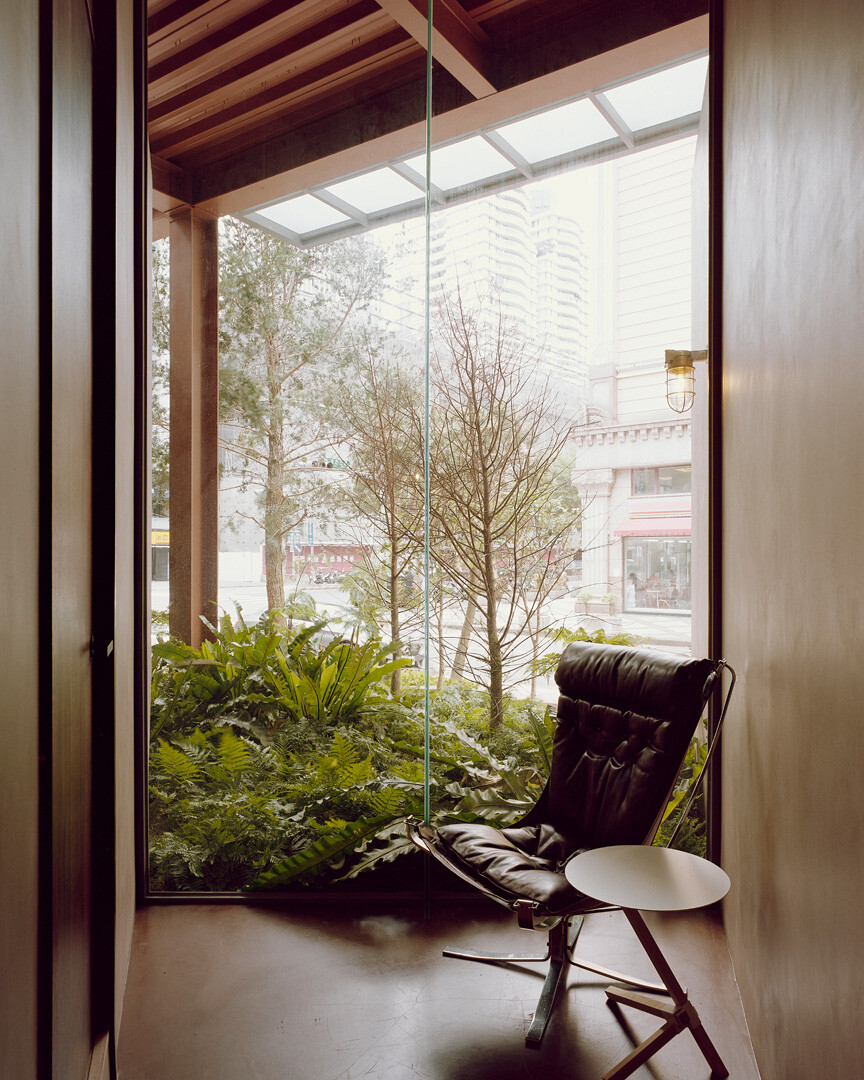
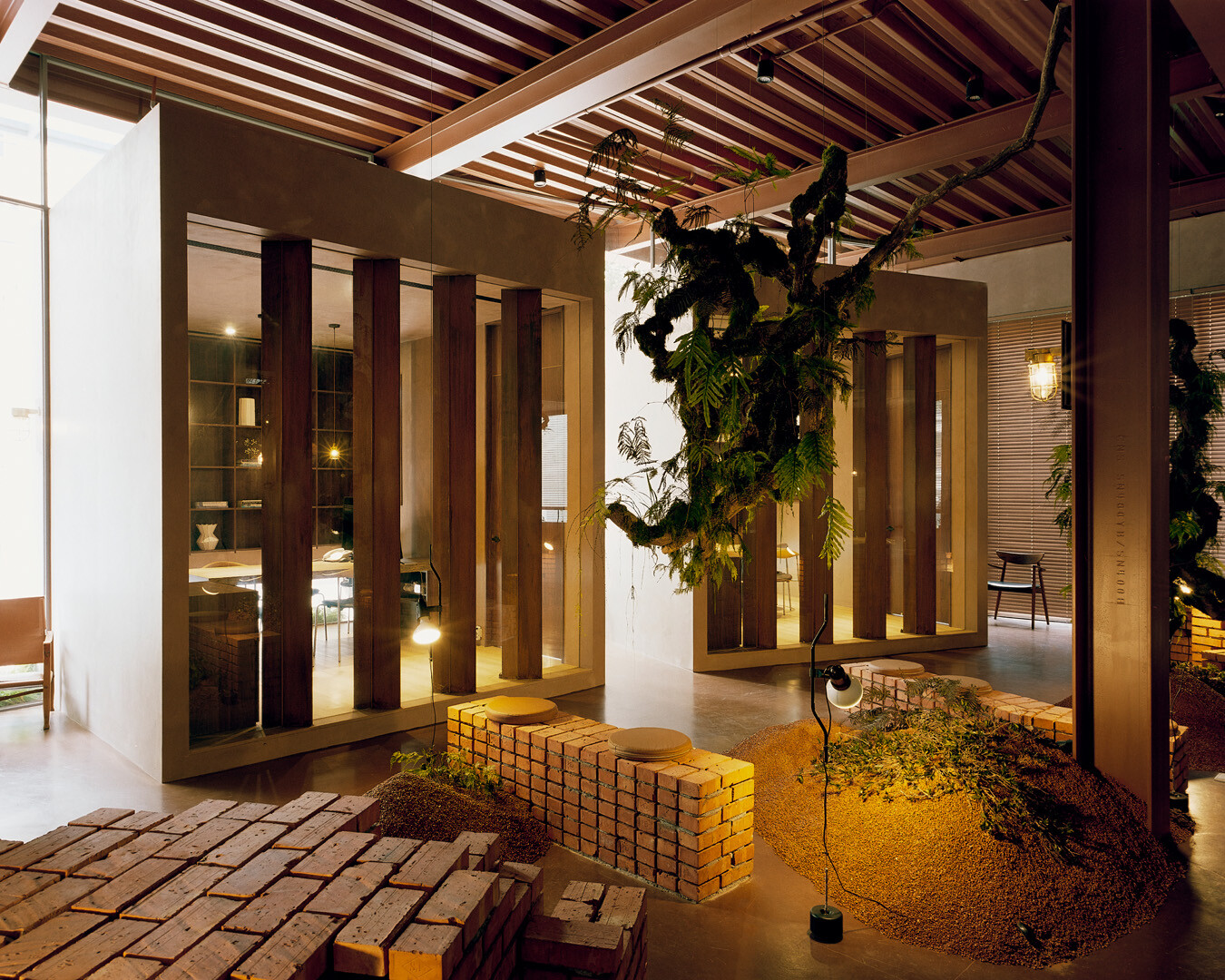
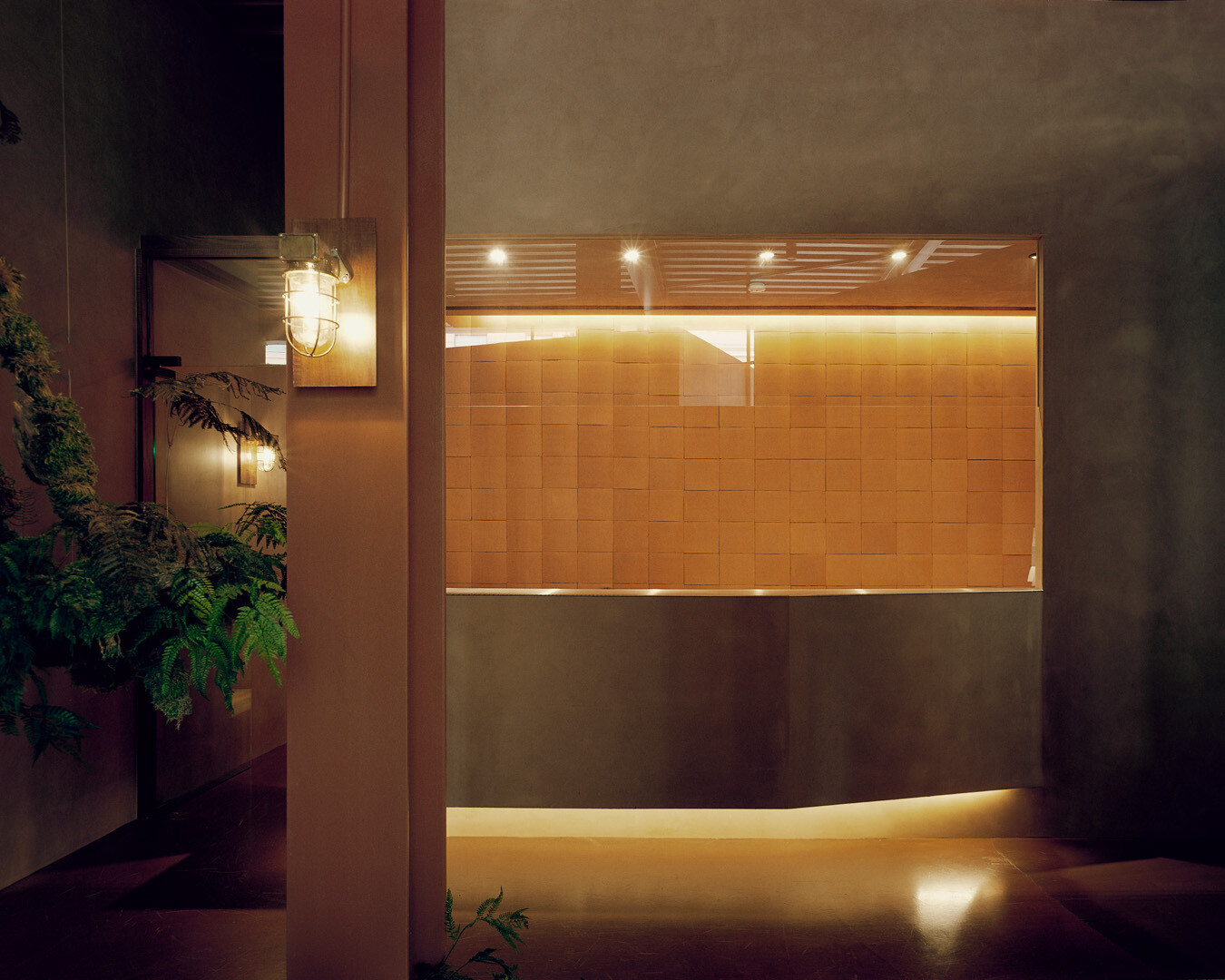
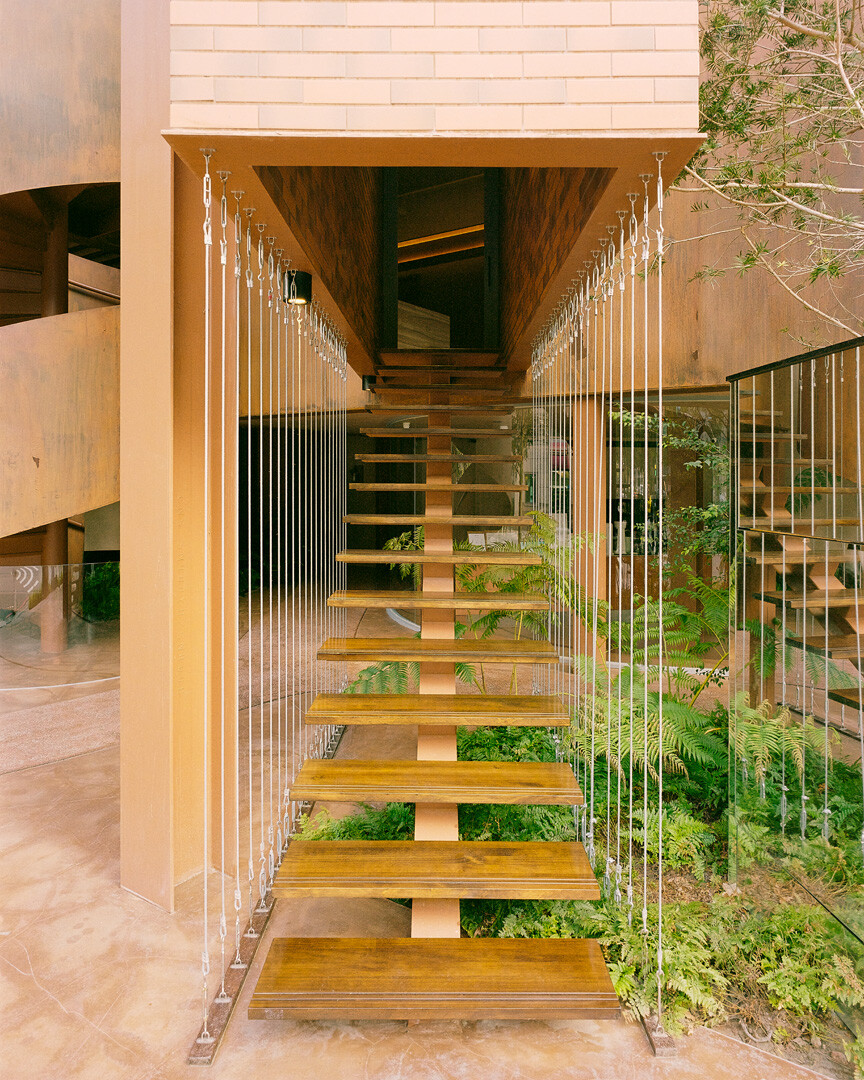
Walking through everyday streets, one might ordinarily dismiss corrugated metal sheds or aged industrial buildings as lacking aesthetic value. Yet, can these seemingly outdated materials express contemporary beauty? The architect poses this reflective question through the project, honestly translating his personal perceptions and cultural insights into architectural language. He deliberately incorporated factory motifs and woodland imagery into this urban structure, using weathering steel as the primary structural material to accommodate staggered, box-like volumes. From the exposed triangular roof trusses to the spiral staircase weathered by rust, every detail echoes the industrial heritage. Over time, these metal elements will further develop patina, subtly enhancing the sense of authenticity. Such thoughtful material selection and structural arrangement eloquently convey the collage-like character of Taiwan's urban fabric, expressing a unique, evocative beauty. By challenging conventional architectural forms, the project embodies Apricity’s innovative ethos. The integration of cafés and bookstores within neighboring blocks further extends its influence, inviting community residents and visitors alike to experience an enriched, tranquil urban lifestyle.