Boucaneries
Collective Agency and Awareness: Reclaiming the Future of Vernacular Architecture
Presented at the 19th Venice Architecture Biennale, Boucaneries is a participatory architectural installation by Canadian studio Atelier Pierre Thibault. Rooted in the traditional fish-smoking huts on Île Verte, Quebec, the project reactivates a disappearing vernacular typology through close collaboration with local residents—reframing it within the context of climate change, sustainability, and island resilience.
Living by the Rhythm of the Tides
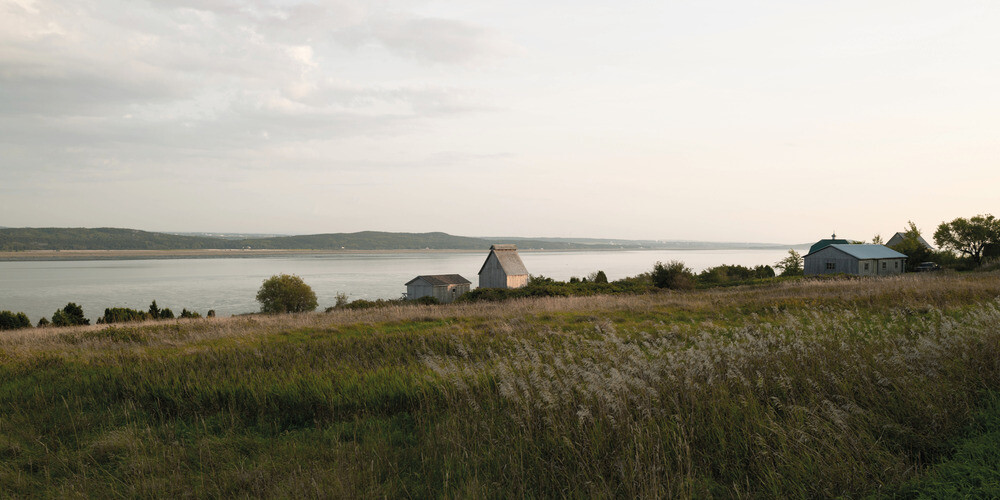
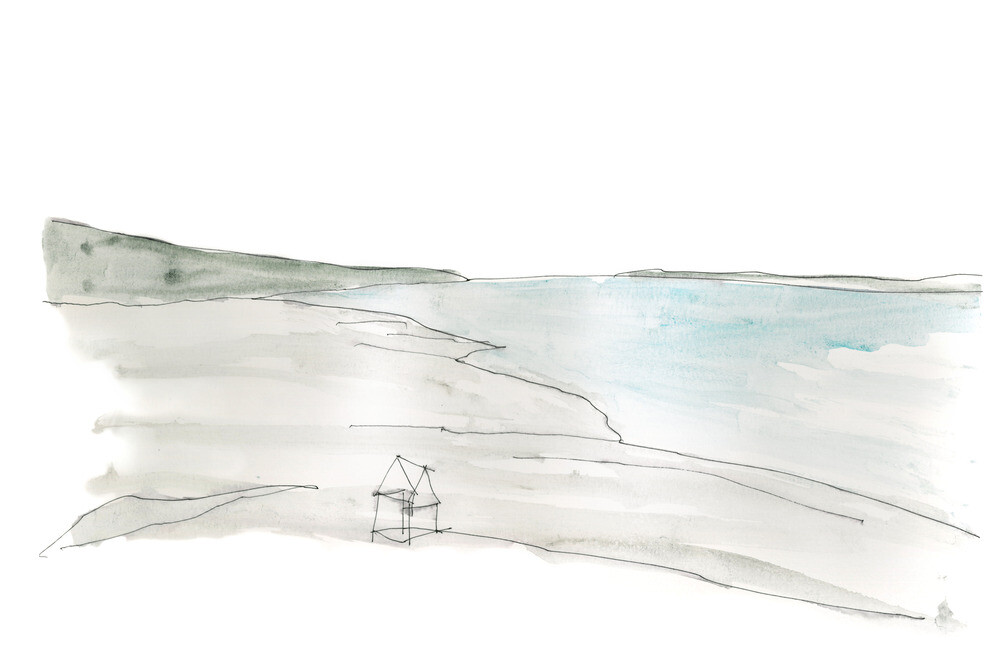
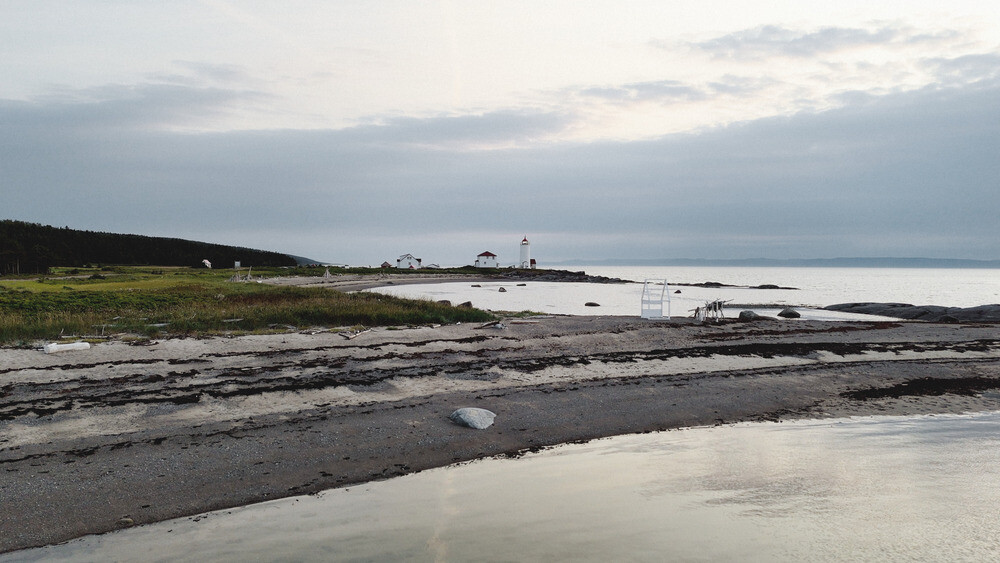
The initiative was originally sparked by a commission to design a private library for a literature-loving couple on Île Verte, a remote island in the St. Lawrence River. Invited alongside students from Université Laval, the studio immersed itself in the island’s cyclical way of life, shaped by its changing seasons and geographic isolation. Cliffs battered by northern winds overlook expansive river views, while the landscape alternates between open pastureland and dense spruce forests. In winter, the ferry ceases operation as the river freezes over. With climate change rendering the once-reliable ice bridges increasingly unstable, residents—known locally as Verdoyants—must now rely on helicopters for nearly five months each year, echoing the endurance and adaptability of their ancestors.
Twelve Echoes of a Disappearing Tradition
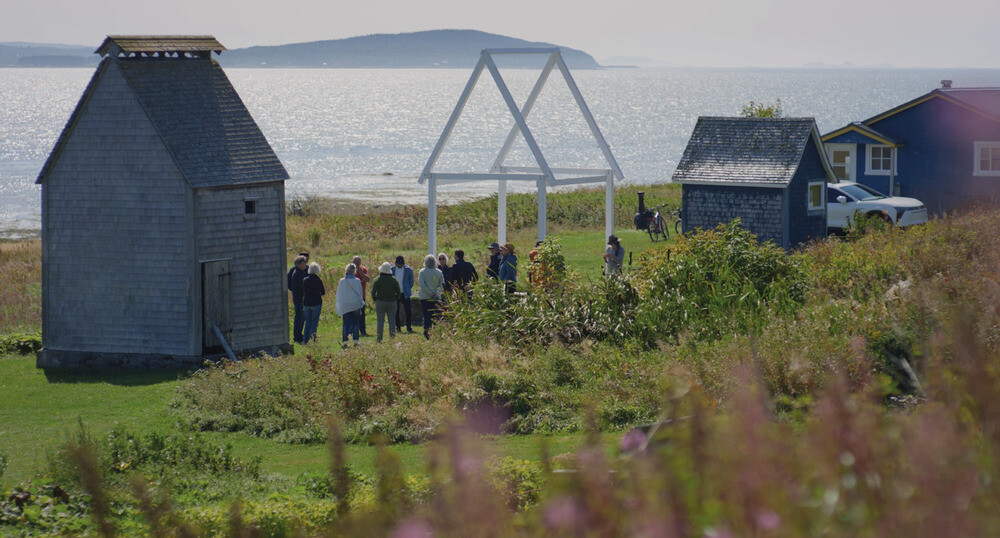
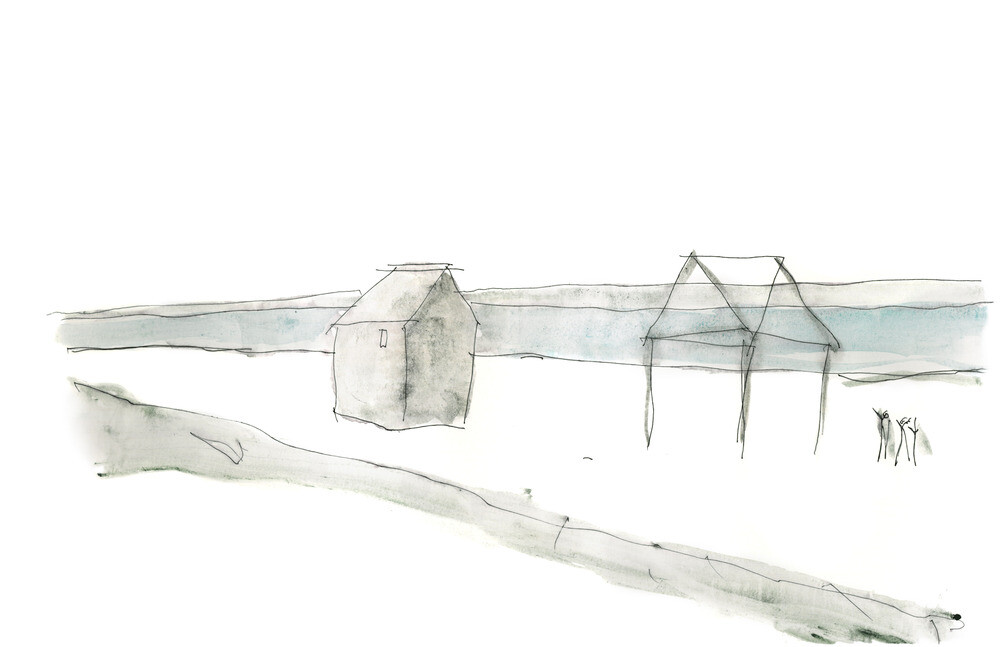
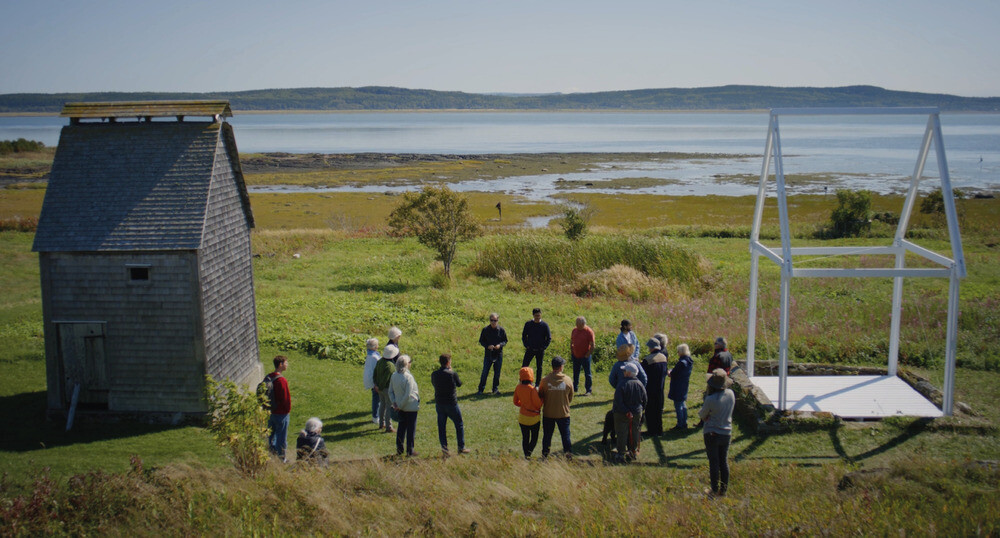
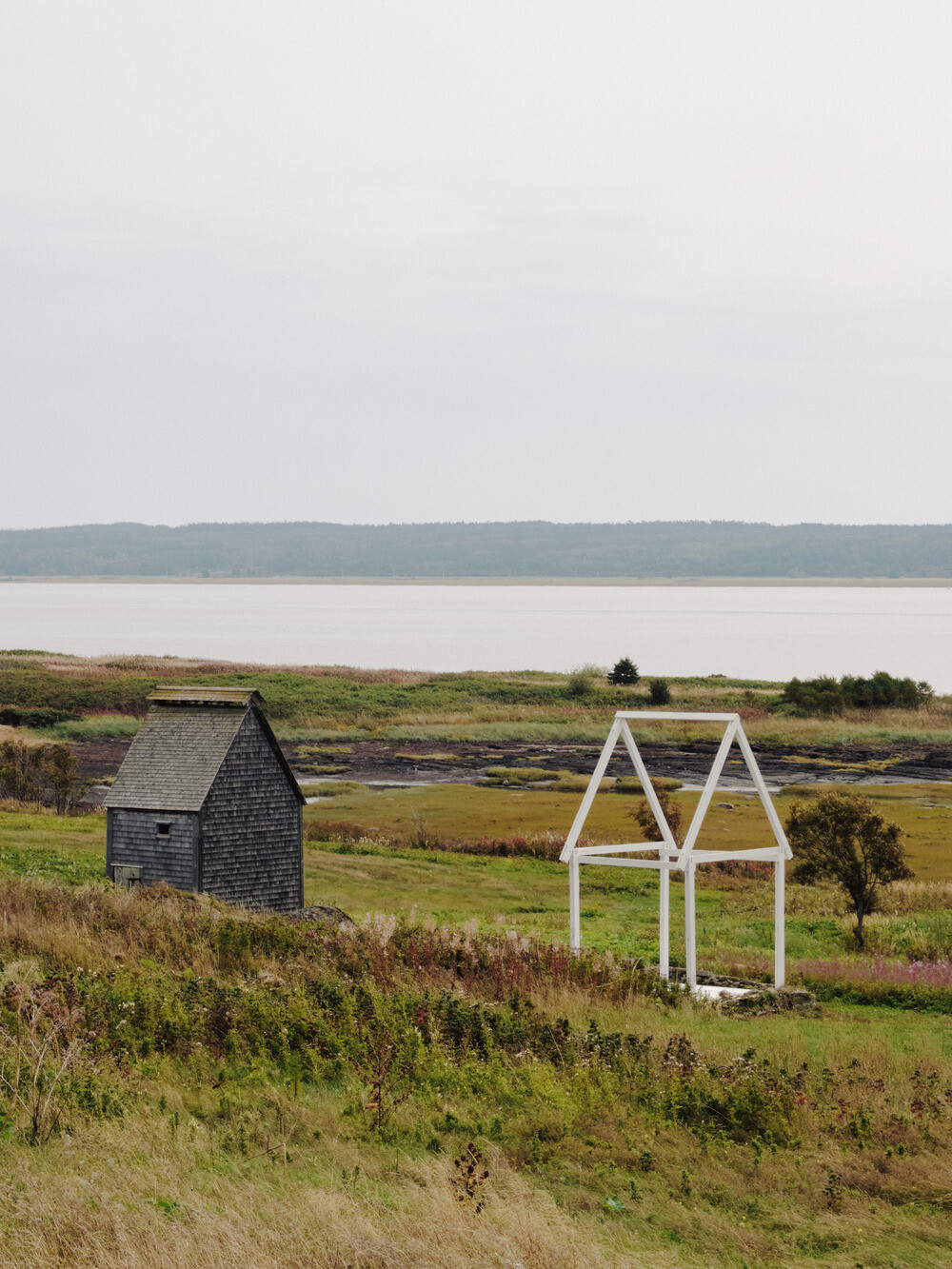
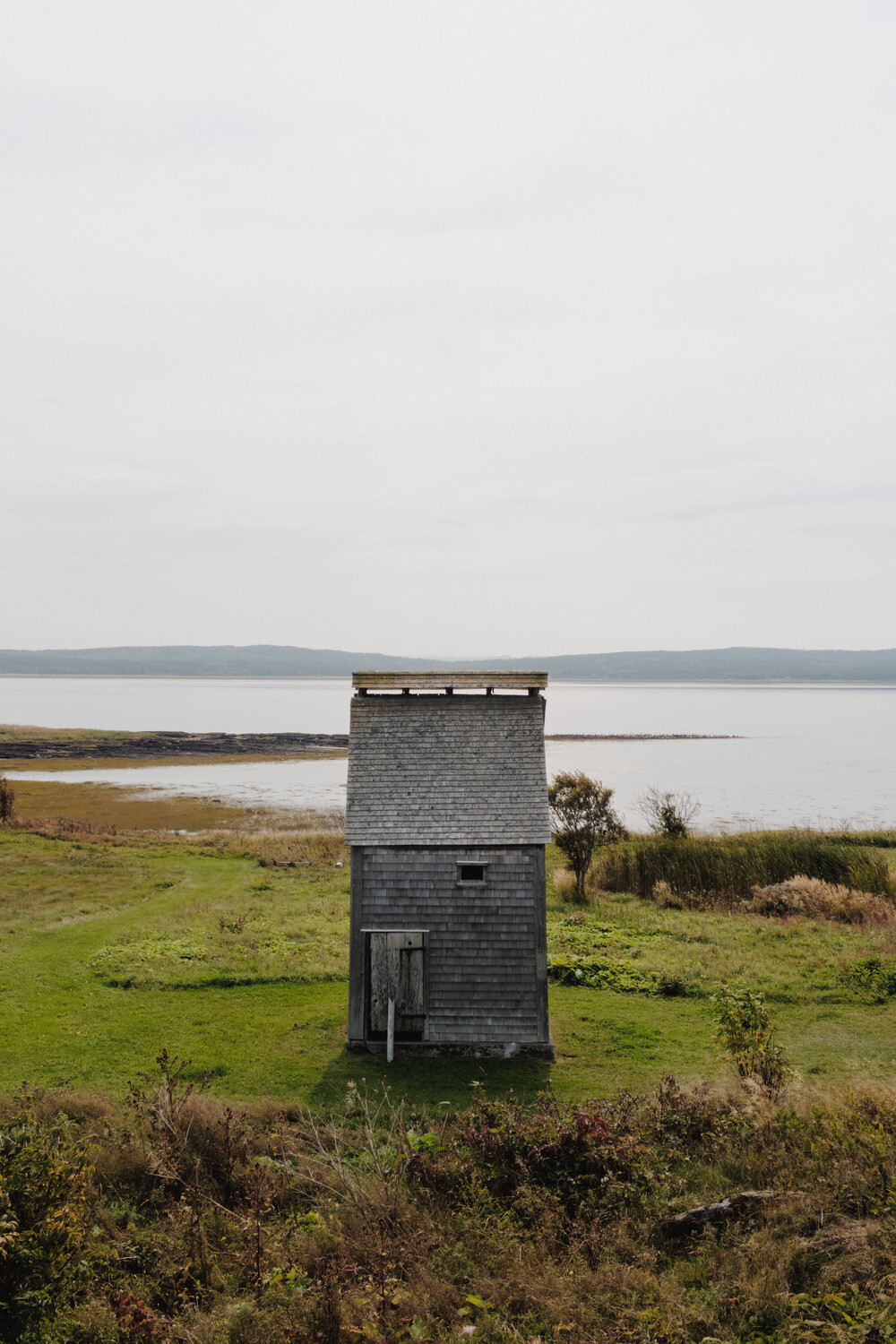
Historically, smoking fish was a practical method of food preservation for coastal communities in Quebec. The wooden smokehouses, or boucaneries (from the French boucaner, “to smoke”), were integral to Île Verte’s economy and cultural identity. As the fishing industry declined and sanitary regulations evolved, these structures fell into disuse. During field research and community conversations, the architects identified twelve distinctive vertical, windowless smokehouses—each with raw proportions and quiet presence, yet left to deteriorate under the harsh coastal climate.
➤ Photography by Alexis Boivin
Endangered Heritage, Revived Through Participation
A 2023 report by conservation architect Pascal Létourneau classified four of the twelve remaining boucaneries as having “exceptional heritage value,” and six others as “significant.” Architectural features such as vertical framing, ridge vents, interior drying racks, and humidity control mechanisms point to their cultural and technical relevance. Yet without intervention, these buildings face near-certain ruin—one has already collapsed.
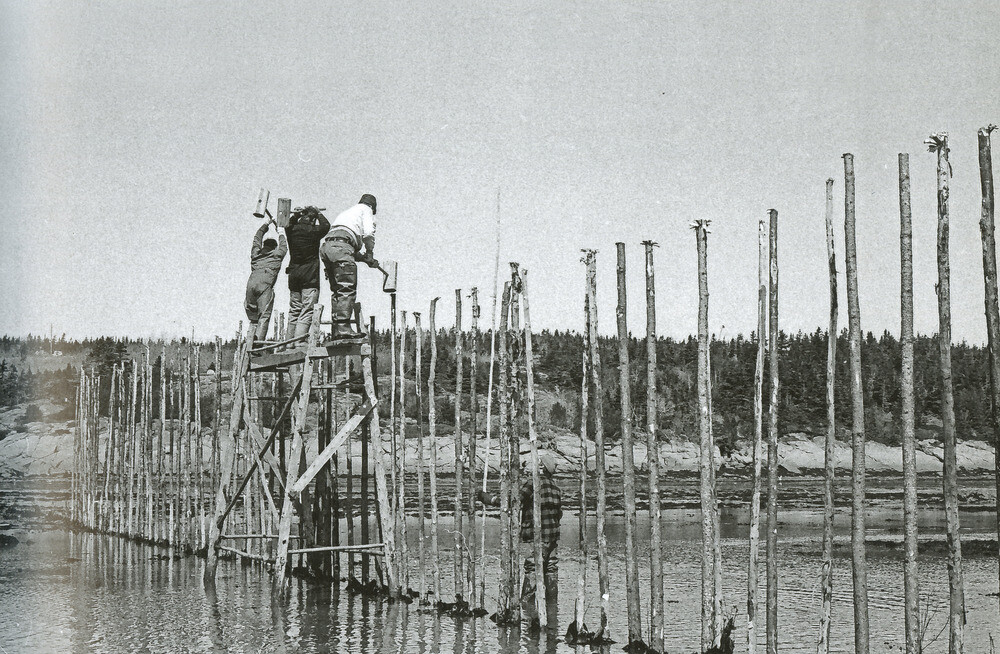
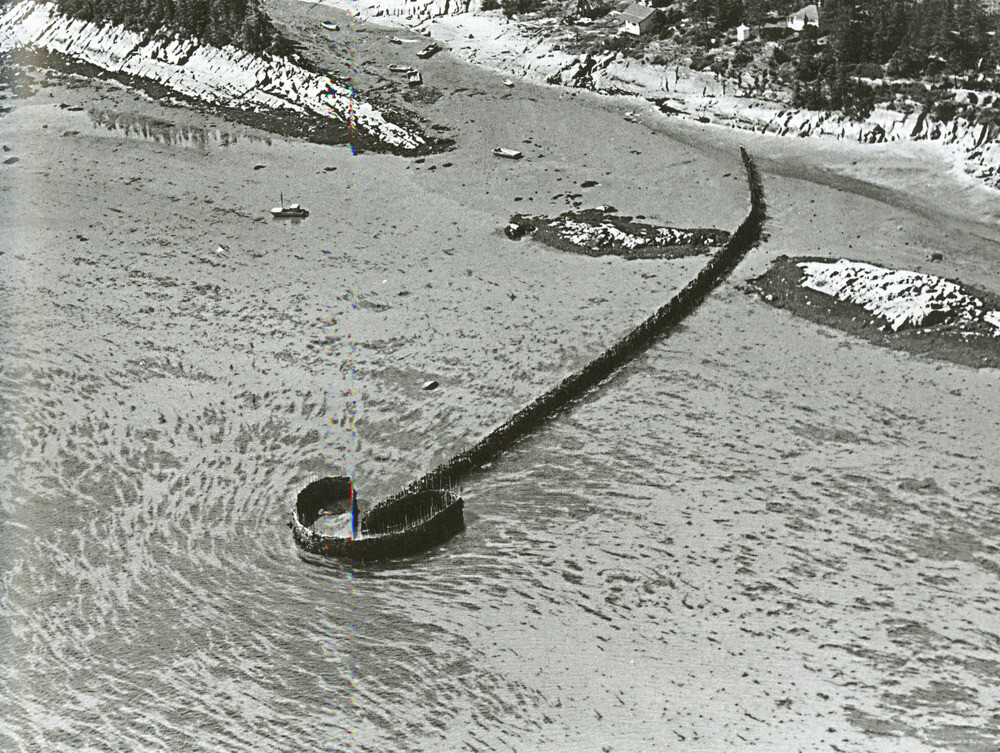
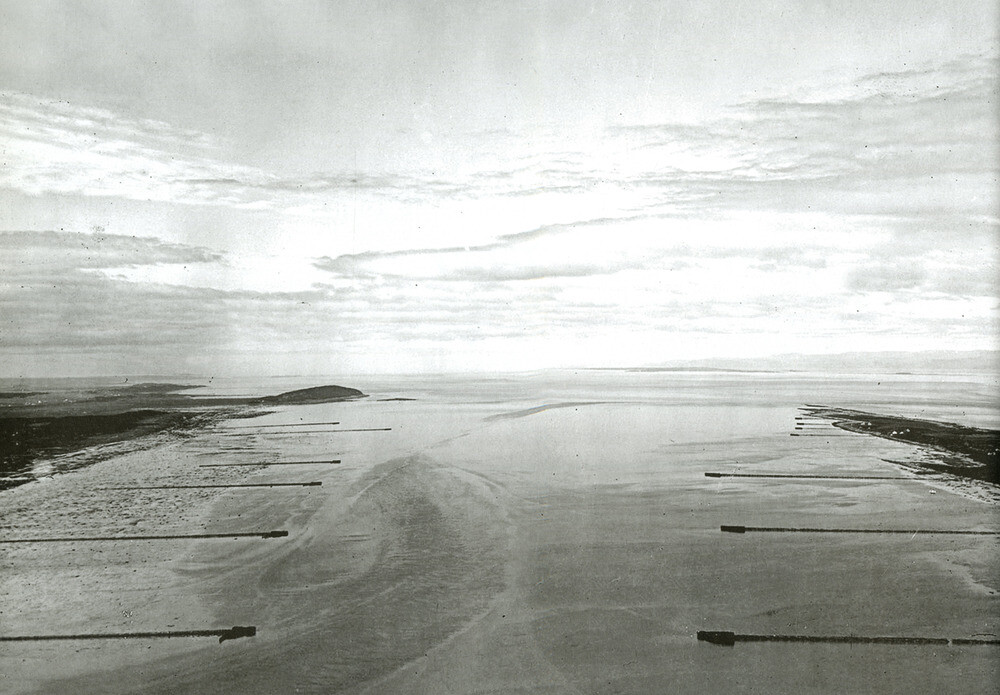
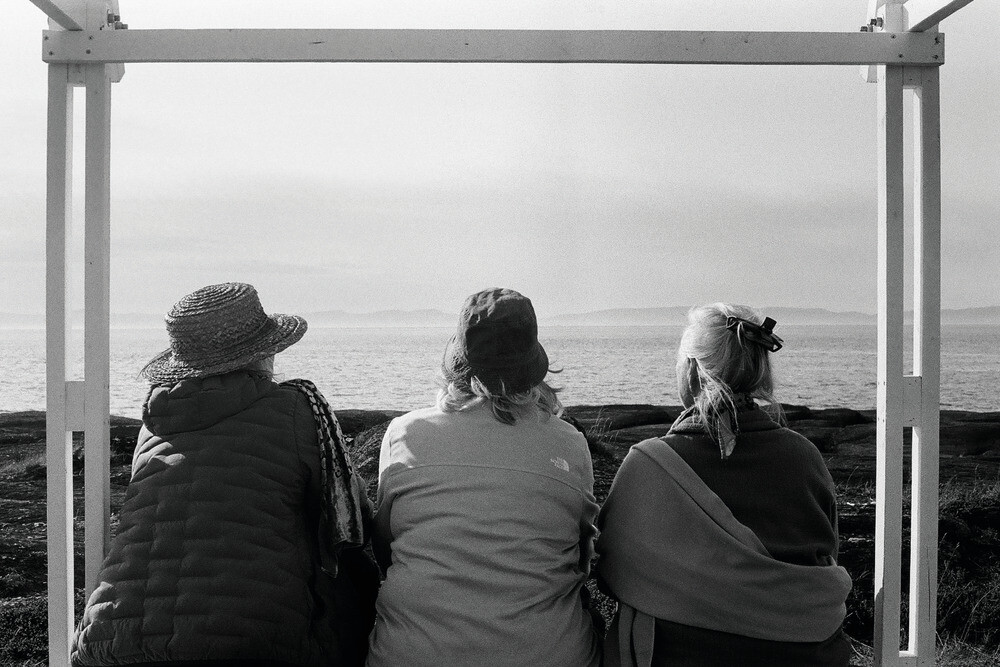
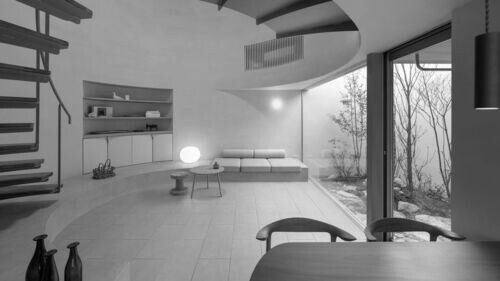
➤ Photography by Alex Lesage
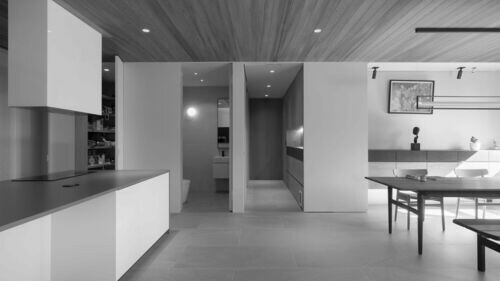
➤ Photography by Alex Lesage
➤ Photography by Alex Lesage
In response to the Verdoyants’ desire to preserve and reinterpret this vanishing legacy, Atelier Pierre Thibault launched a participatory design process guided by a central question: Can these silent remnants of the past become starting points for the future?
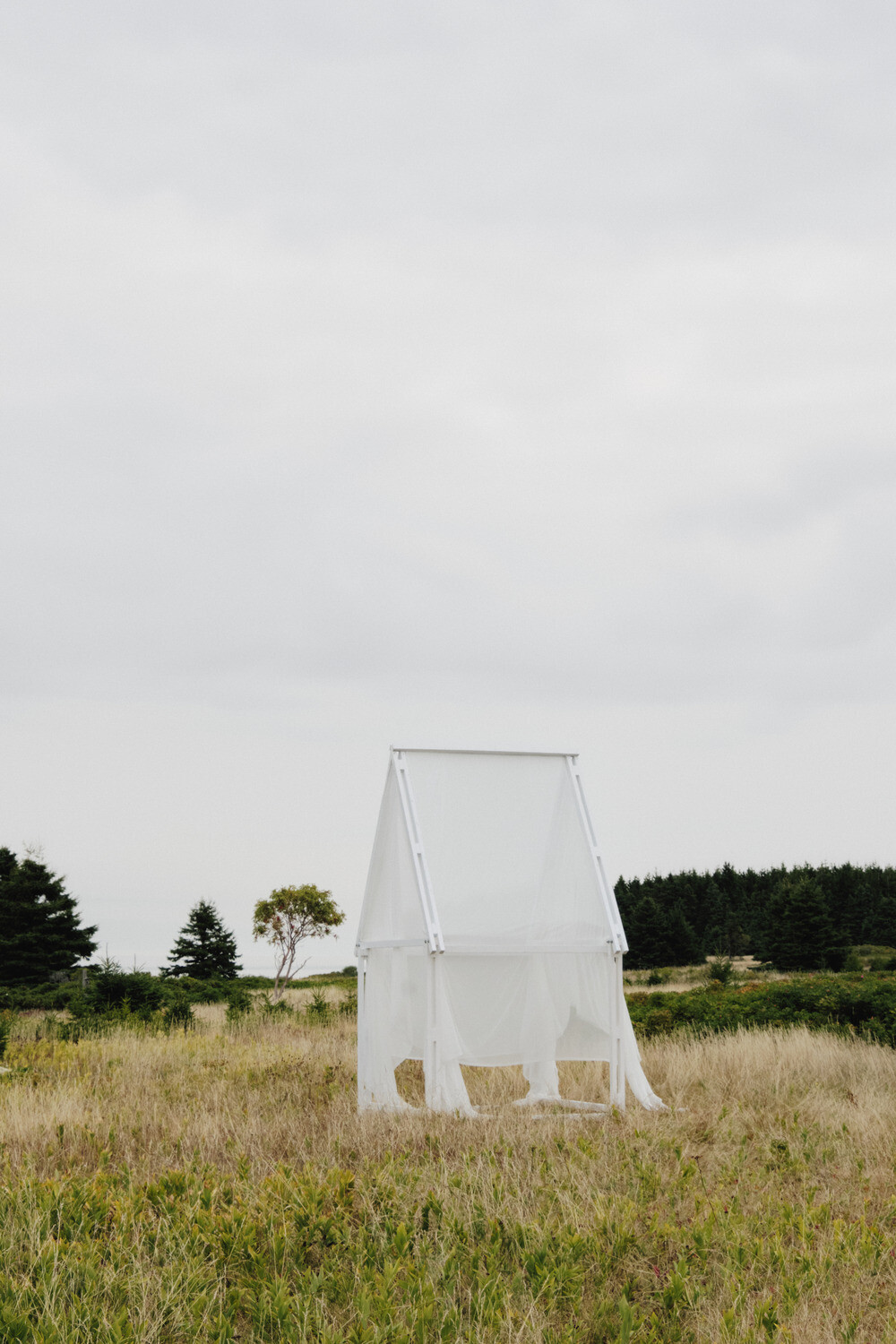
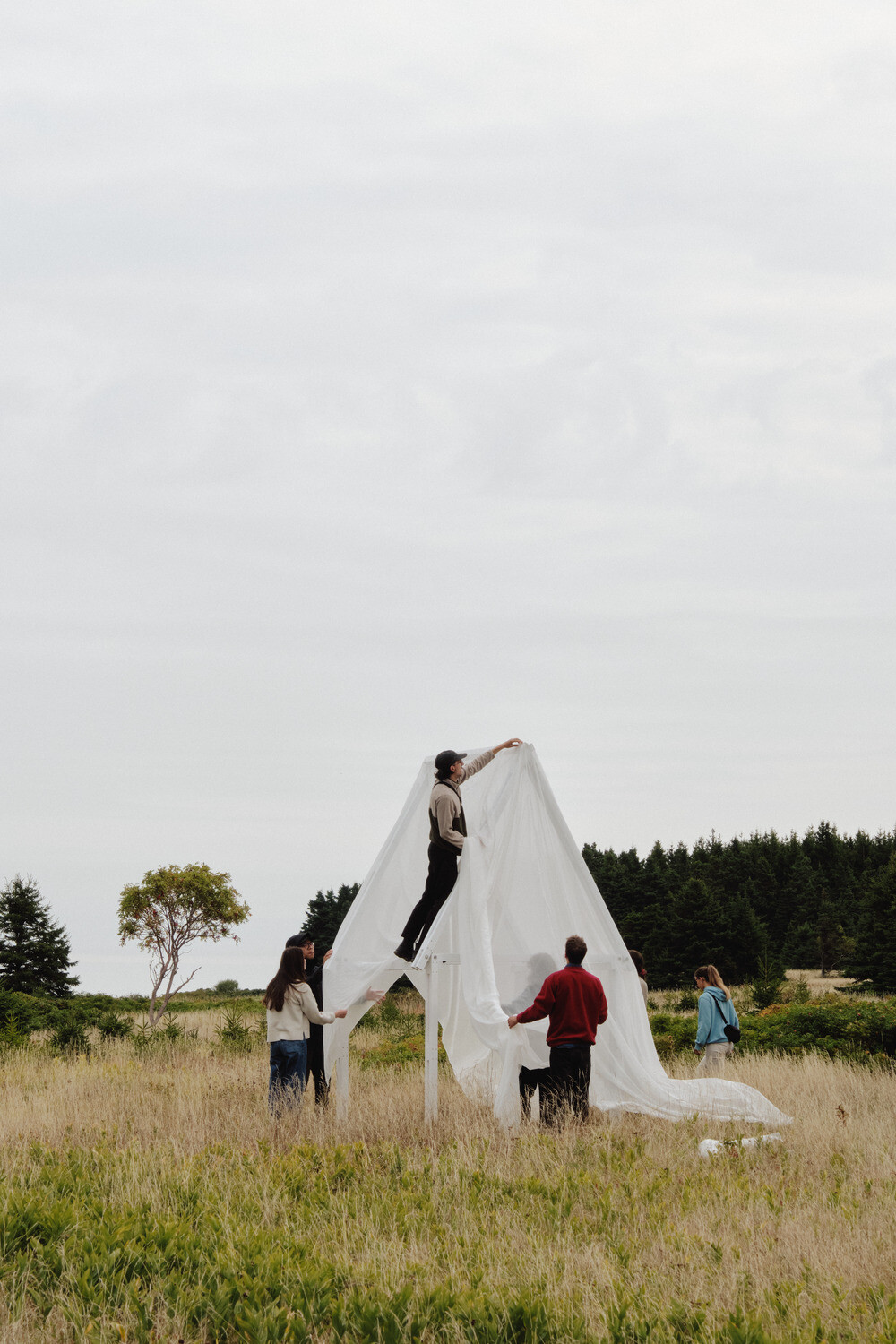
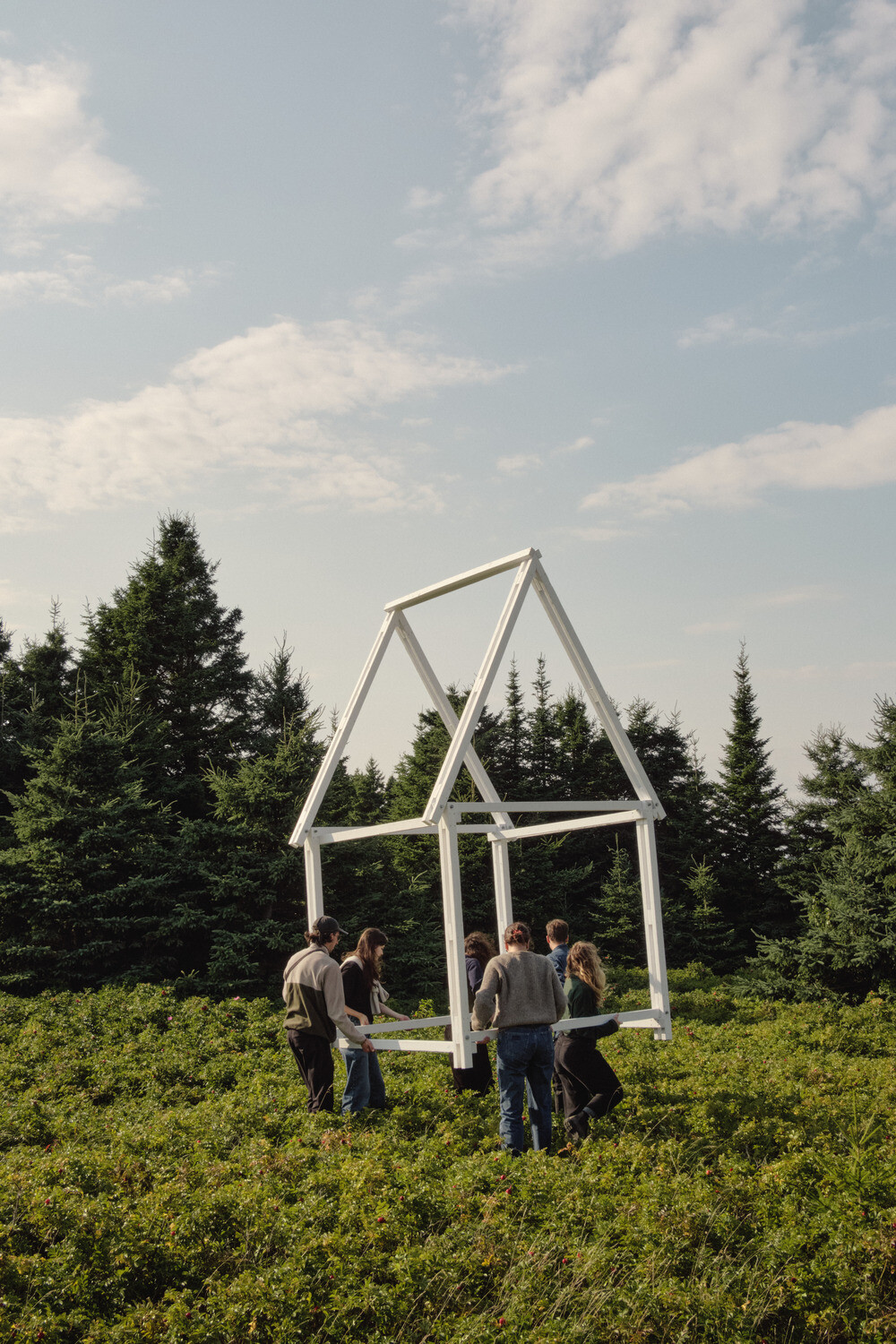
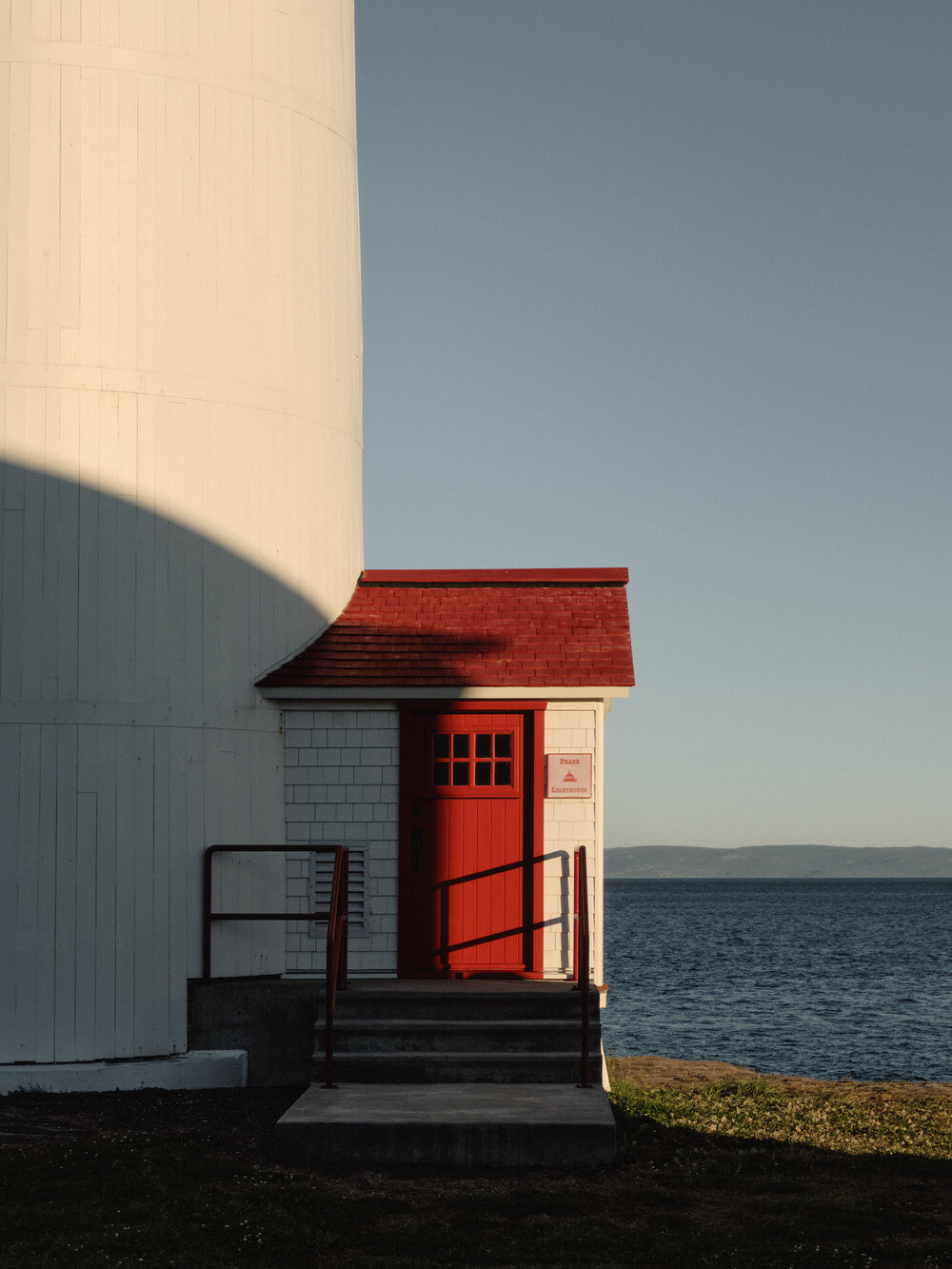
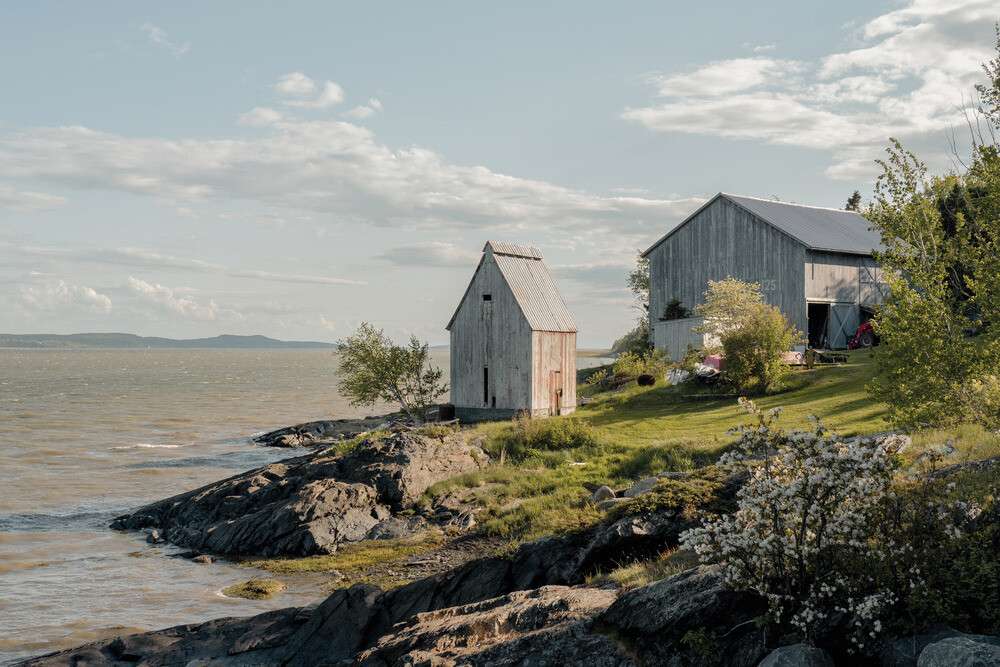
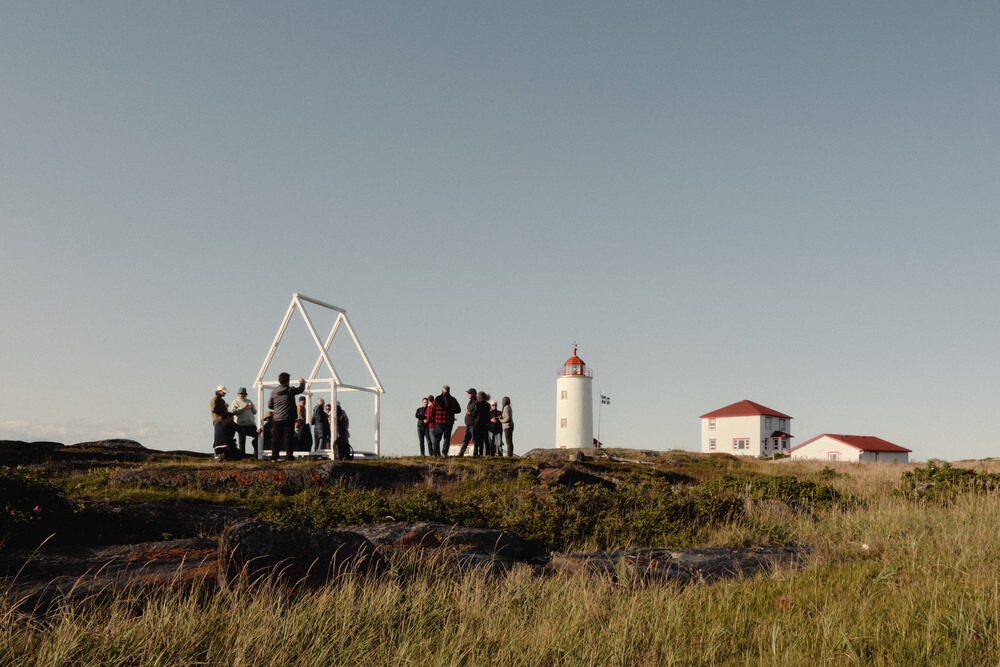
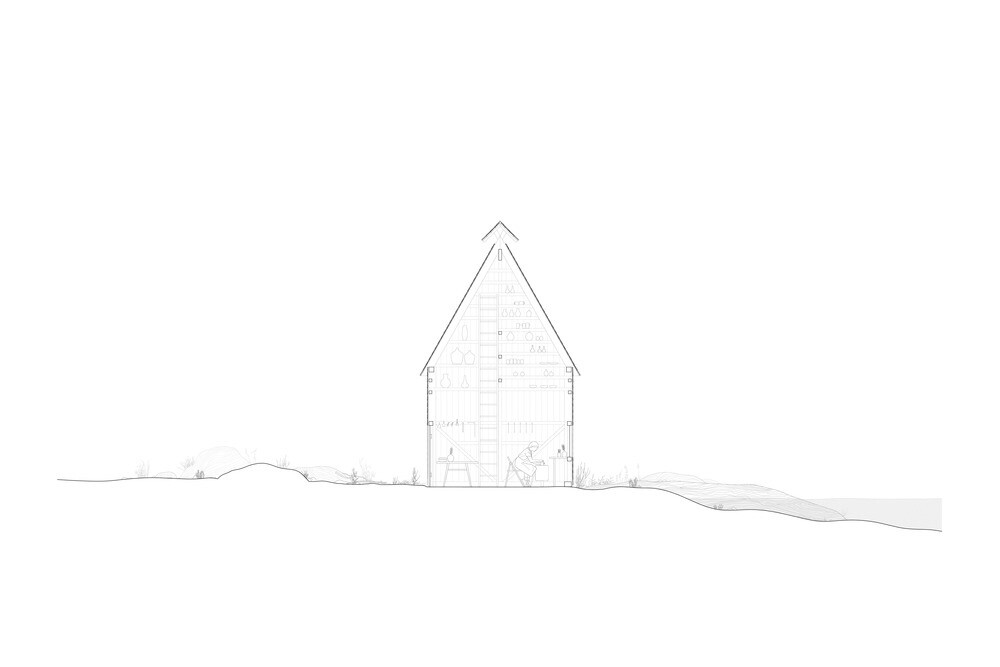
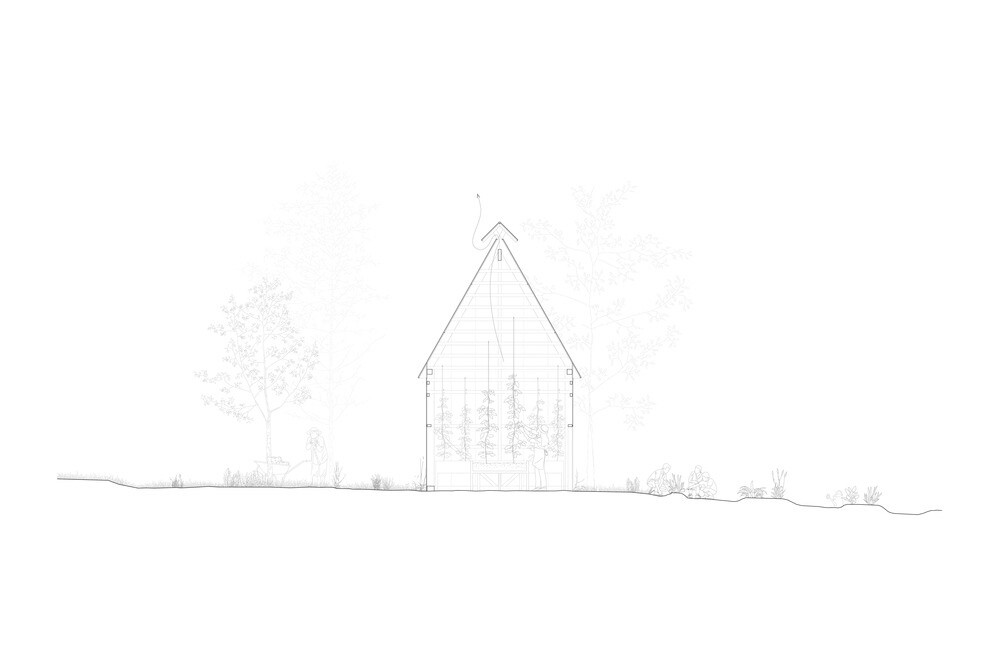
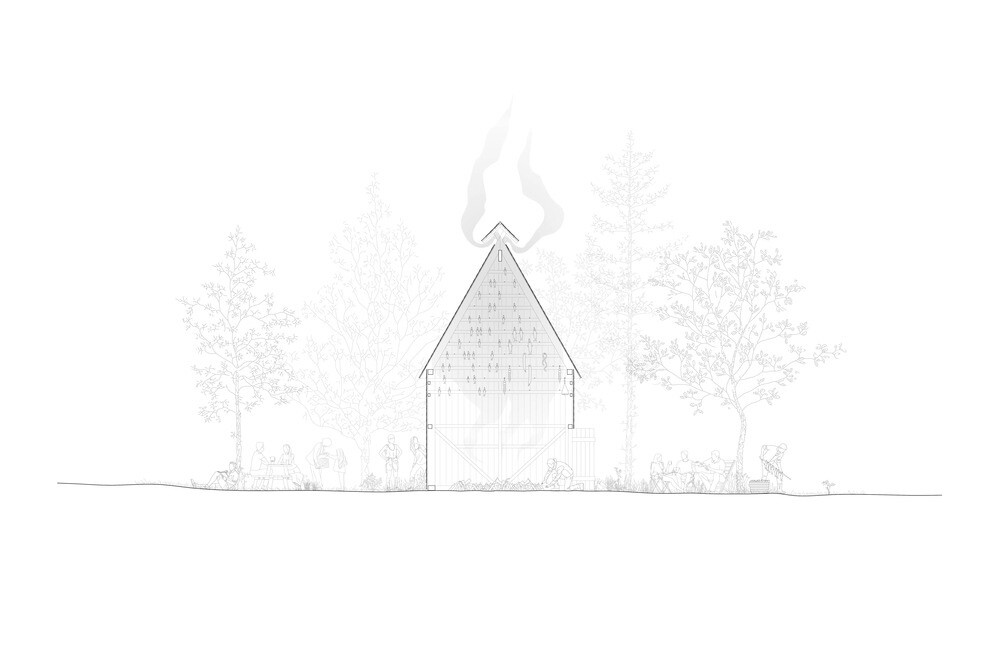
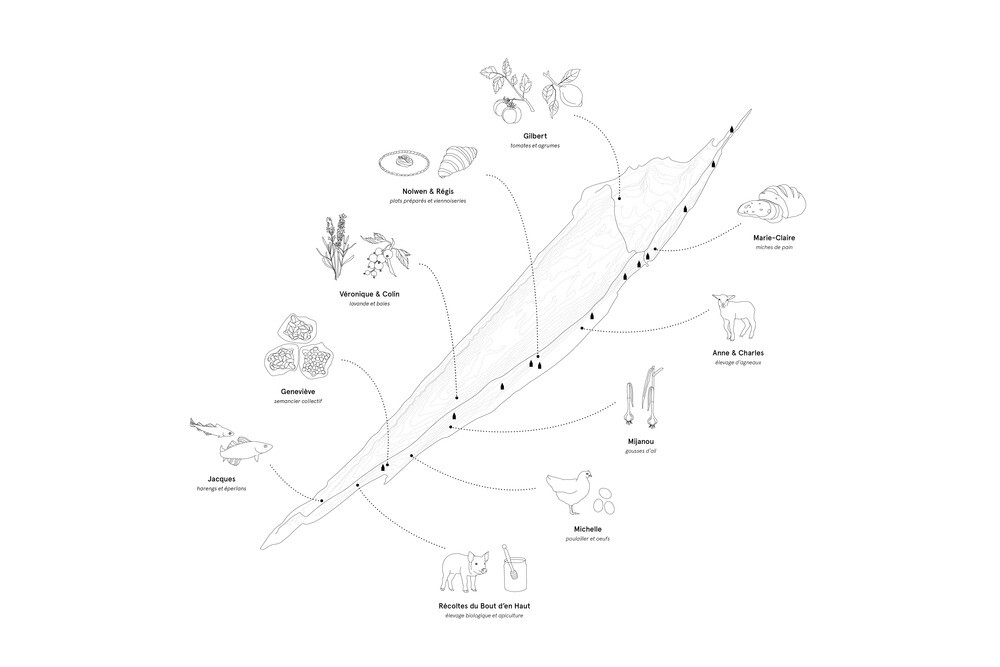
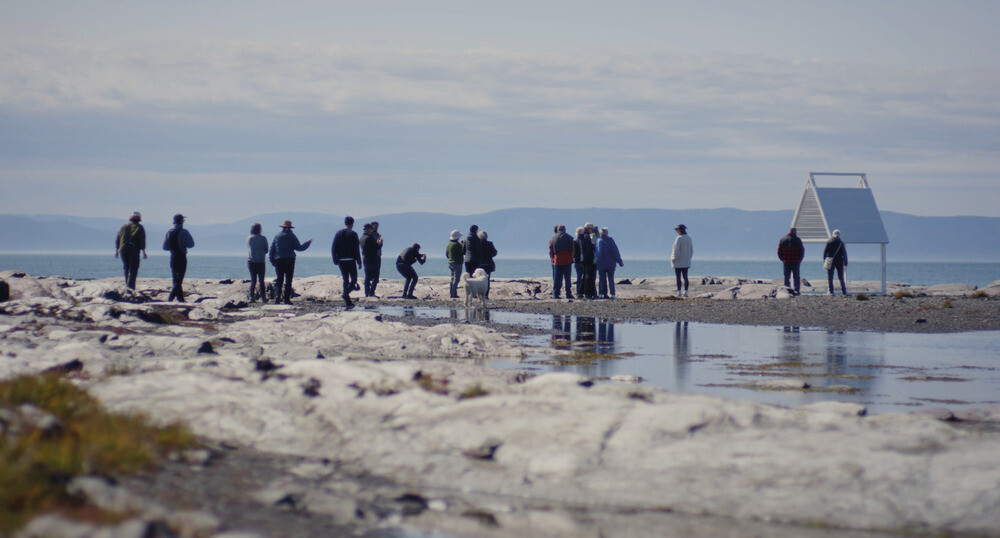
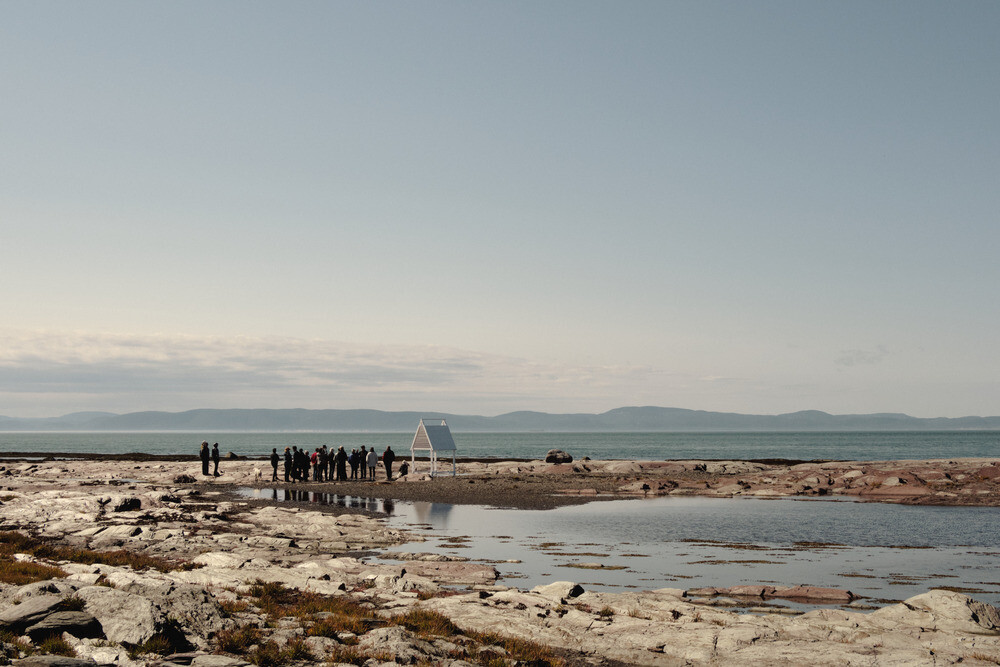
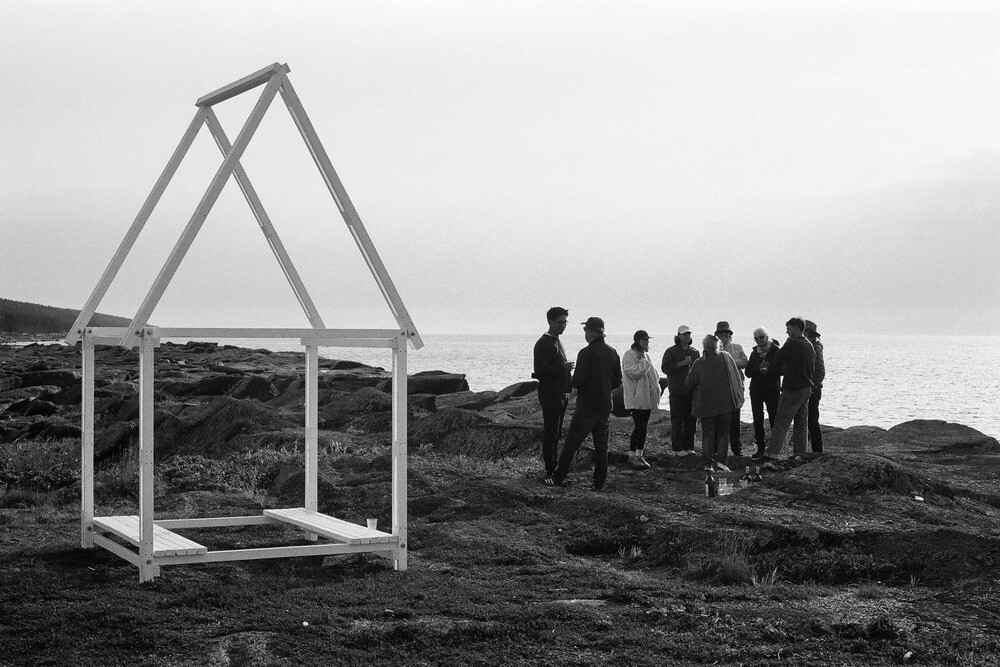
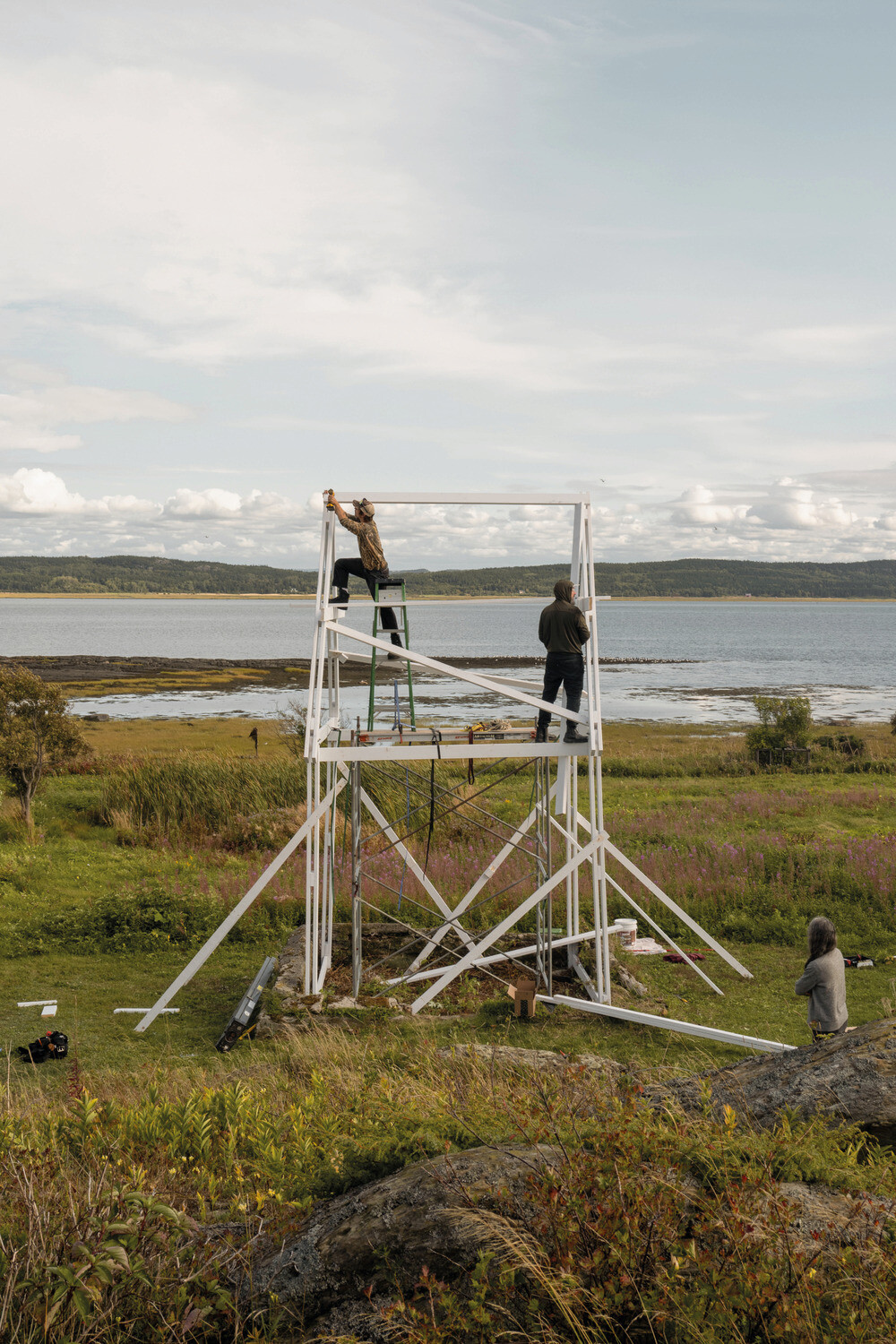
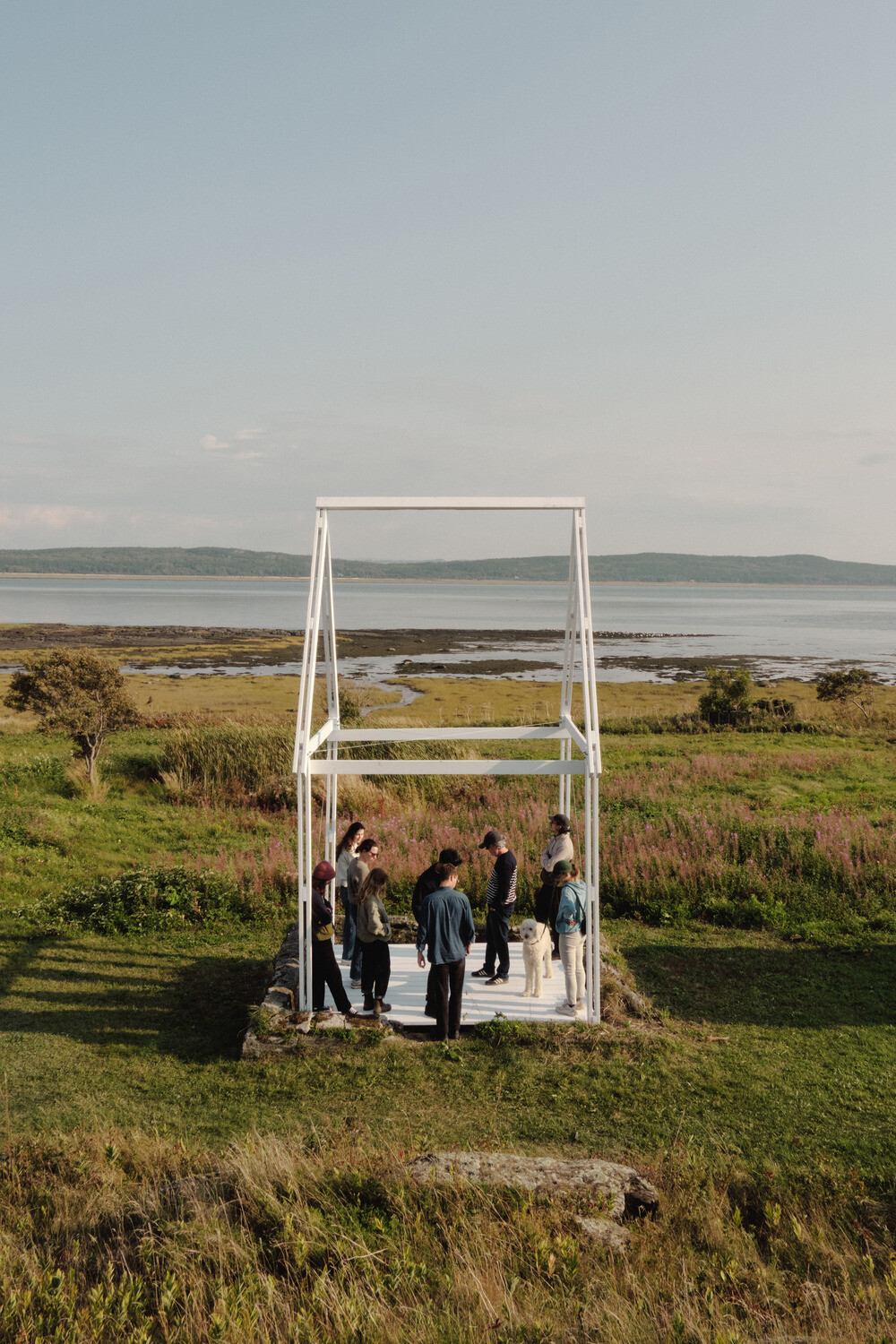
Throughout 2024, the studio worked with roughly fifty year-round residents to explore adaptive reuse possibilities for the twelve structures. Through on-site workshops and the construction of ephemeral installations, community members and architects collectively envisioned new functions—greenhouses, artist studios, storage shelters, or gathering spaces—that resonate with contemporary needs while honoring historical memory.
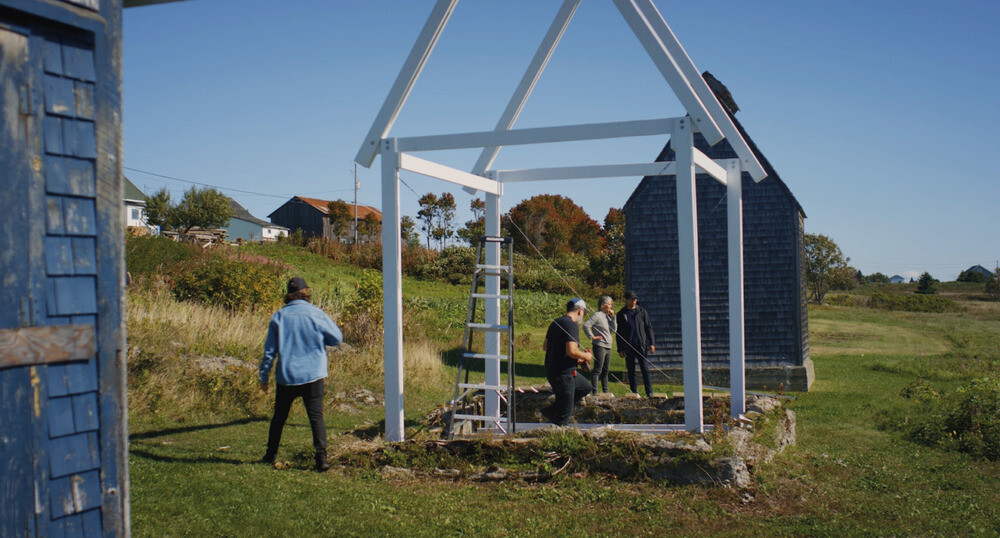
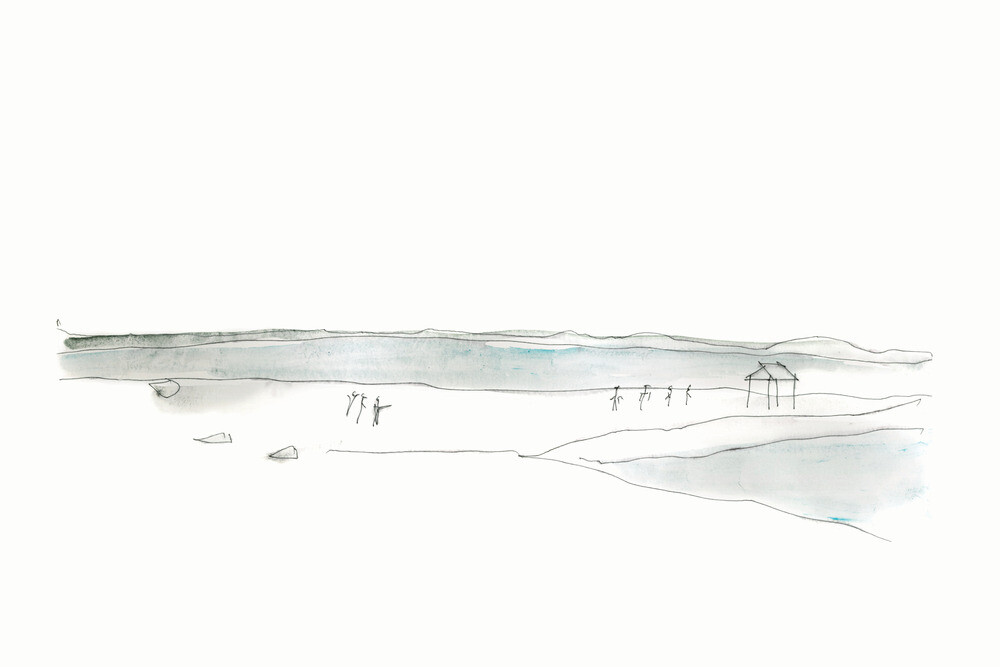
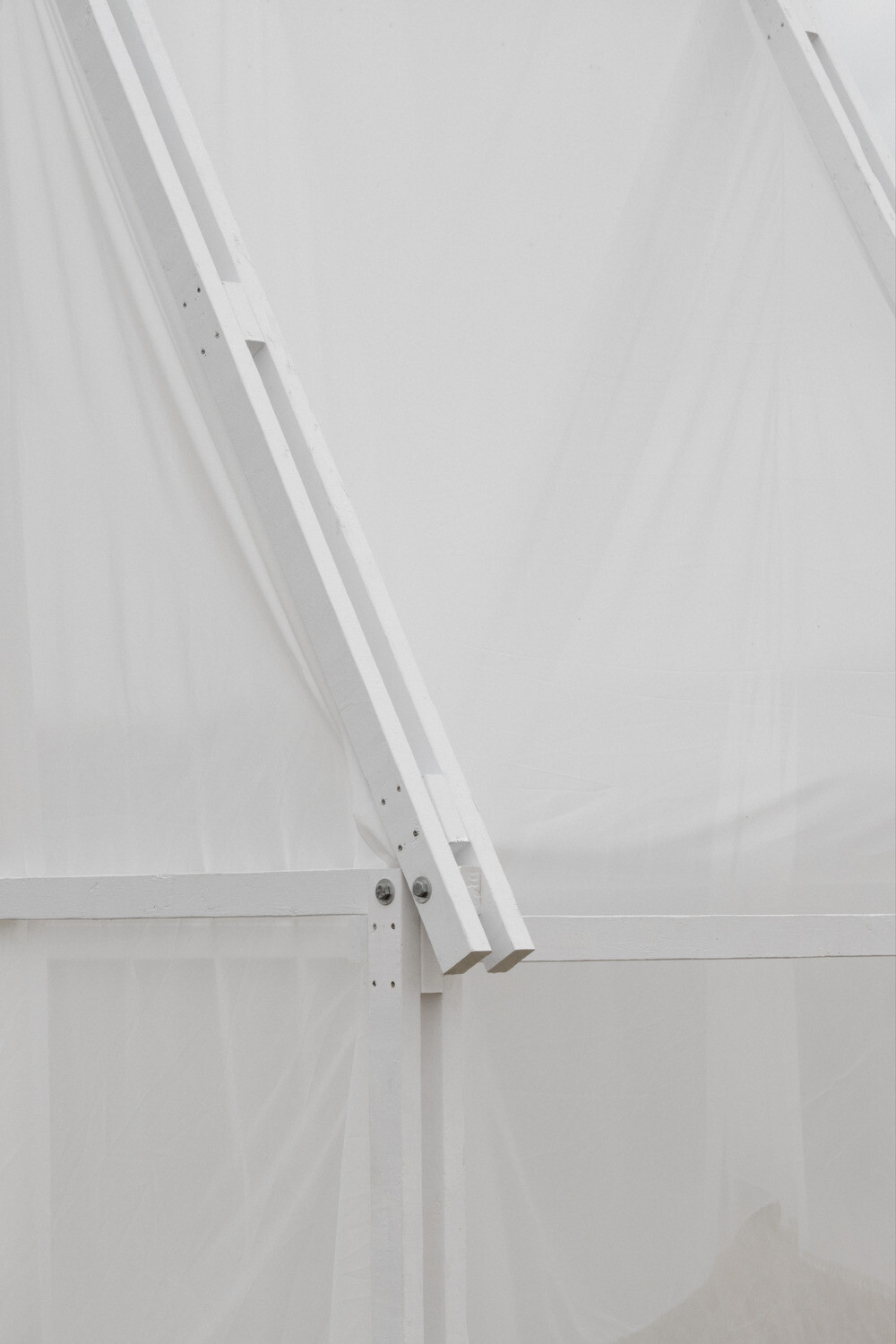
Built from lightweight timber, the resulting structures are mobile, abstract reinterpretations of the traditional boucanerie. Scattered across coastal, pastoral, and wooded settings, they respond flexibly to terrain and seasonal use. Beyond their architectural form, these installations serve as cultural agents—spaces for baking, growing, making, and gathering—where everyday rituals reinforce collective resilience and activate heritage as a living resource.
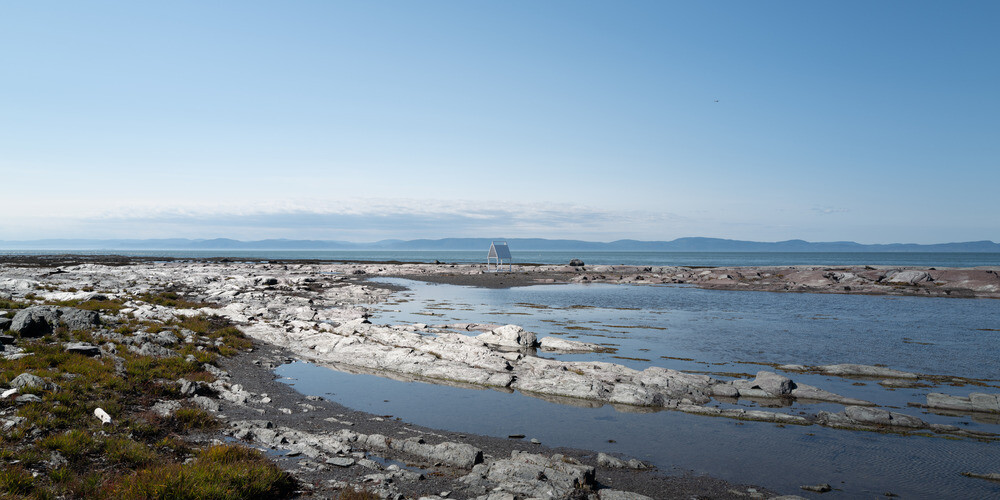
From Local Landscape to Global Platform
Boucaneries will be on view from May 10 to November 23, 2025, at the Corderie dell’Arsenale in Venice. The project aligns with curator Carlo Ratti’s Biennale theme: “Intelligens. Natural. Artificial. Collective.” Atelier Pierre Thibault is the only Quebec-based team selected through the international Space for Ideas open call, offering a reflective and future-oriented perspective on architecture’s social role in an era of transformation.
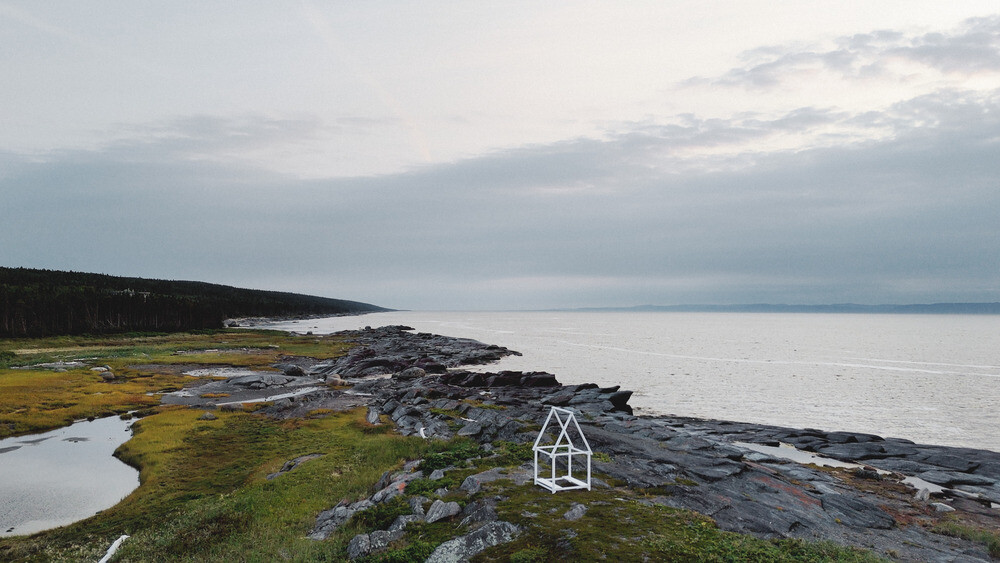
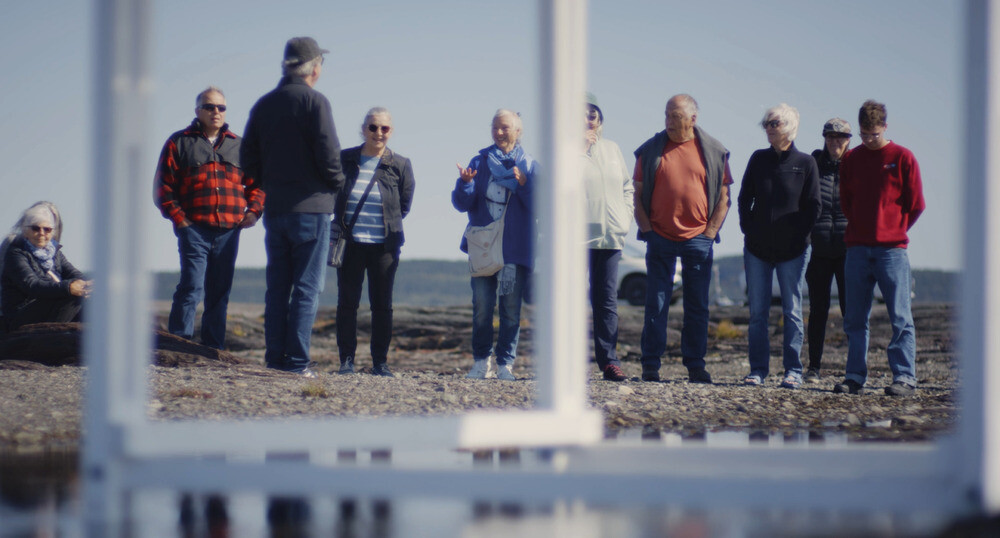
For the studio, Boucaneries represents not only an act of collective authorship, but a reaffirmation of architecture rooted in lived experience. It reinforces the belief that architecture is more than a vessel for spatial organization—it is a bridge between memory, community, and the imagination of future ways of living.
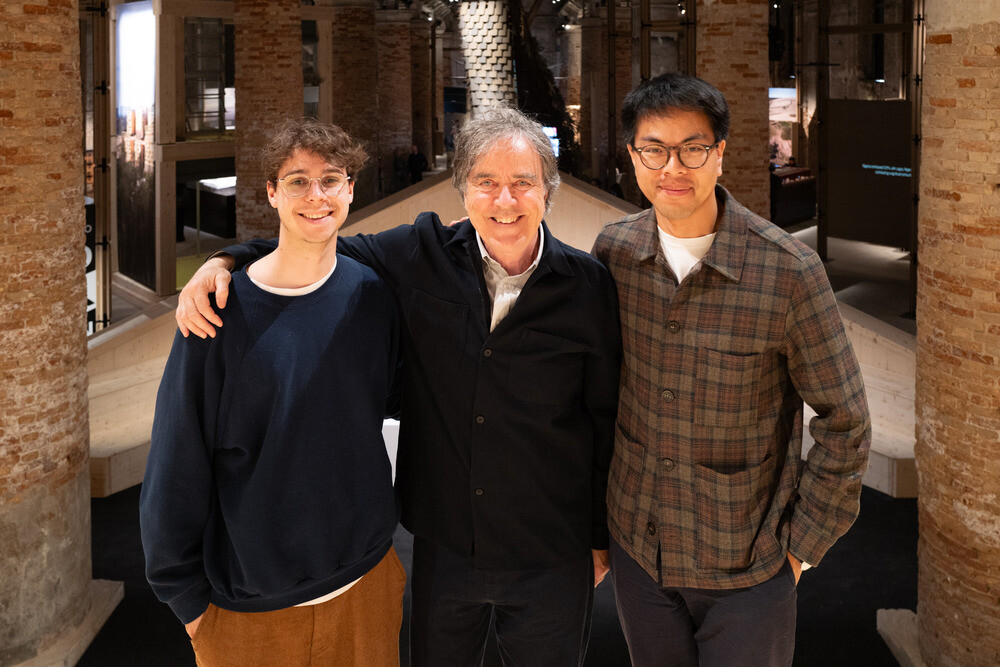
➤ Architect Pierre Thibault, accompanied by Atelier Pierre Thibault team members Étienne Bourgeois and Alexis Boivin, at the Corderie dell’Arsenale during the opening of the 19th International Architecture Exhibition of La Biennale di Venezia, curated by Carlo Ratti. Photography by | Atelier Pierre Thibault
Curator | Carlo Ratti
Exhibition Theme | Intelligens. Natural. Artificial. Collective.
Year of Completion | 2024
Installation Dimensions |
1 unit: 10' × 10'5" × 19'
3 units: 6' × 6' × 11'
Photography | Atelier Pierre Thibault, Alexis Boivin, Alex Lesage, Julia Thibault, Pierre-Ulric Gagné
Architecture Studio | Atelier Pierre Thibault
Lead Architect | Pierre Thibault
Team Members | Alexis Boivin, Francis Gaignard, Étienne Bourgeois
Design Advisors and Contributors:
Pierre-Ulric Gagné (Designer, Photographer), Éloïse Fortin, Sandrine Gaulin, Louise Alain, Geneviève Boudreault, Gilbert Delage, Alex Lesage (Photographer)
Construction Team | Félix Gélinas, Nicolas Girard
Site Location | Île Verte, Quebec, Canada
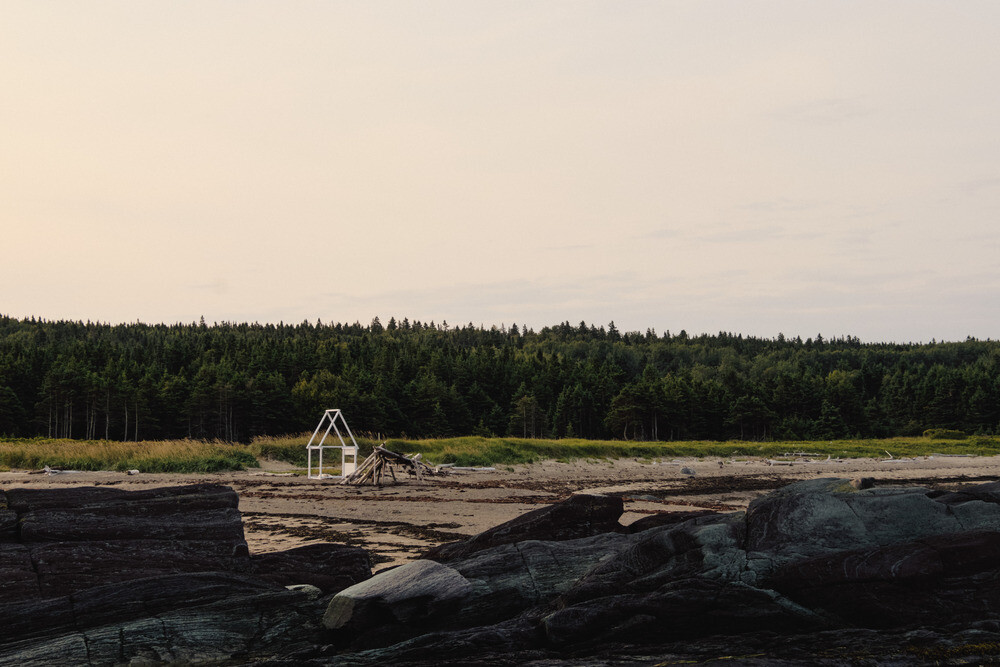
➤ Photography by Alex Lesage