Hidden in Stillness
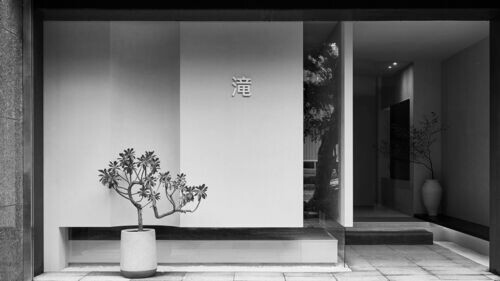
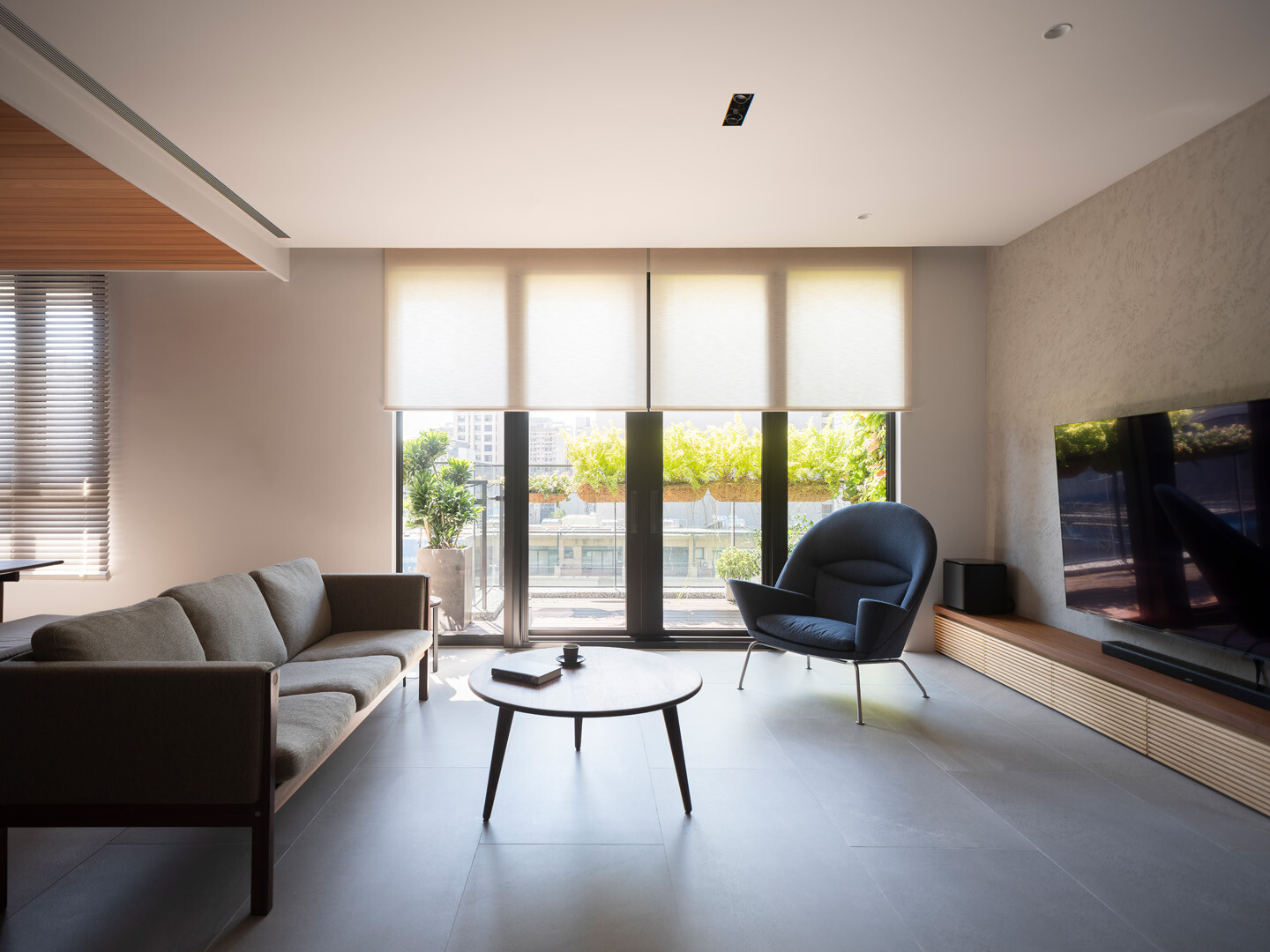
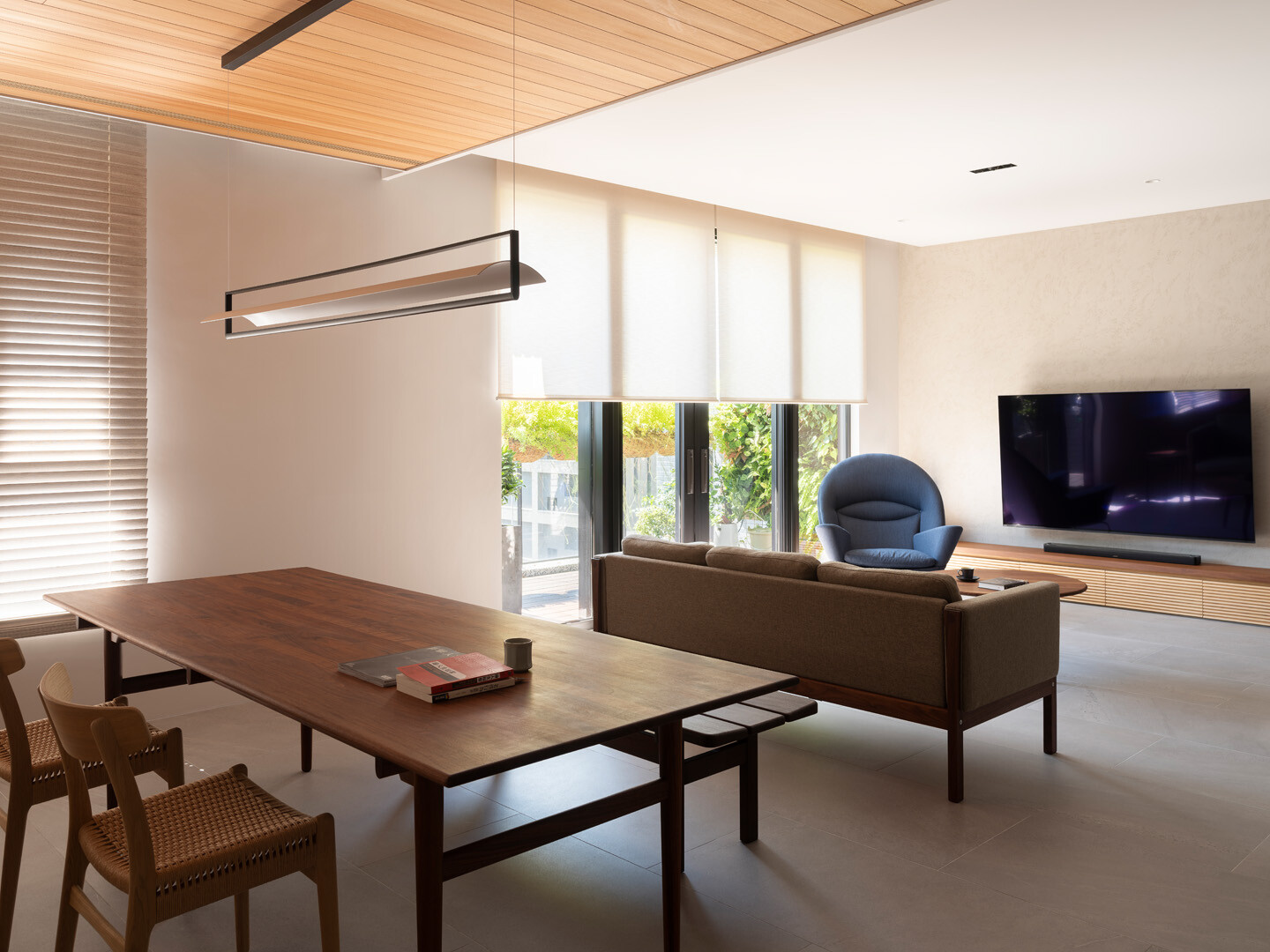
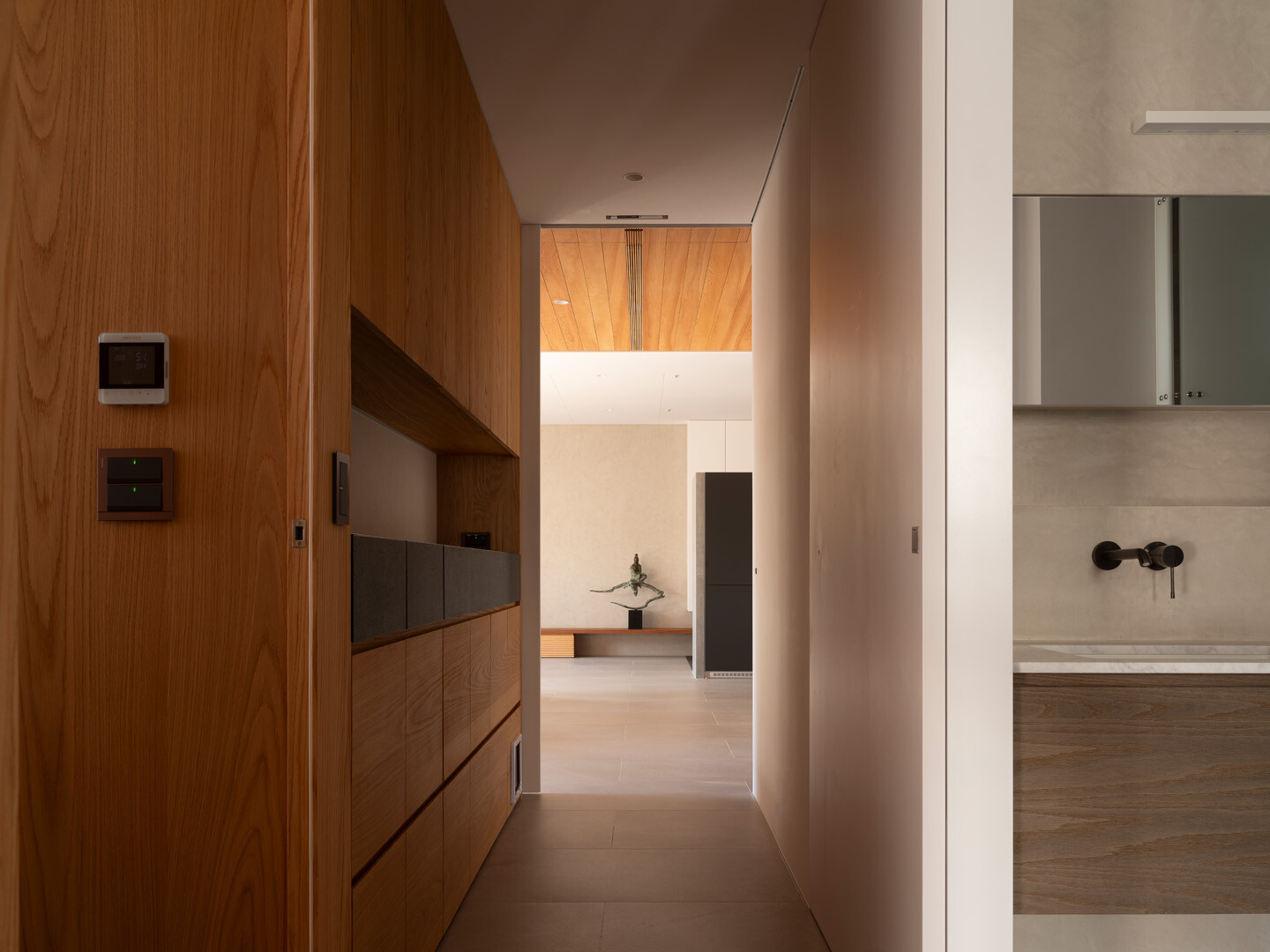
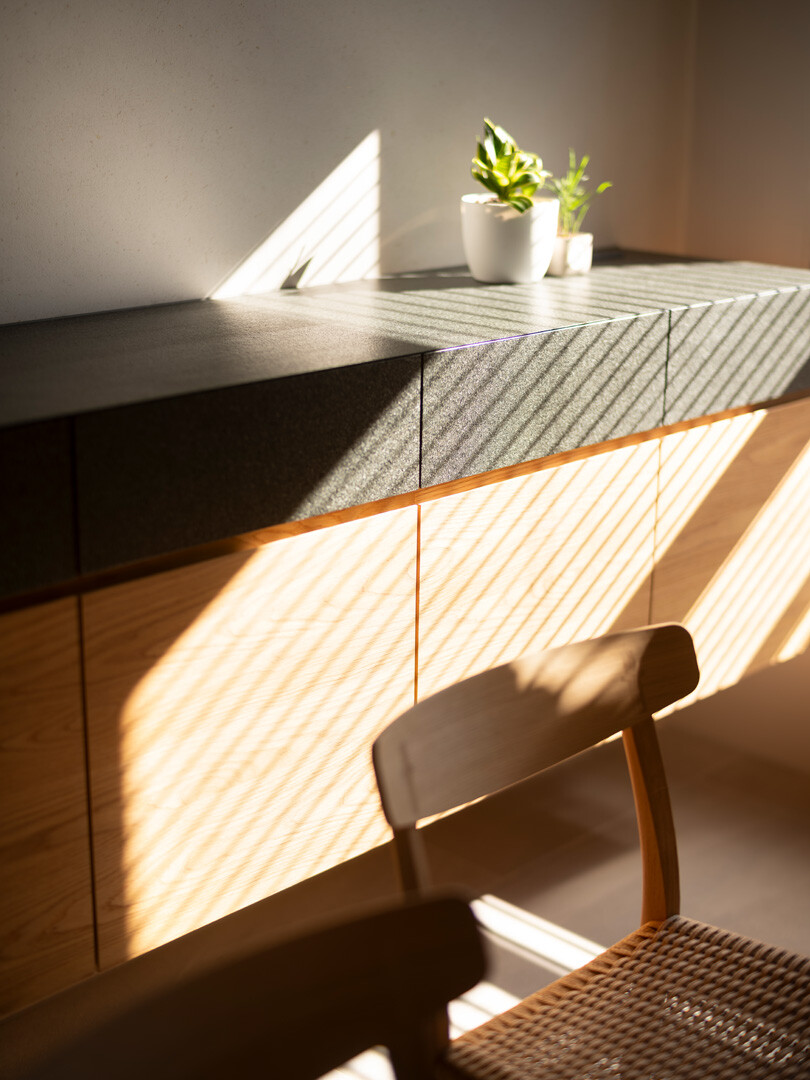
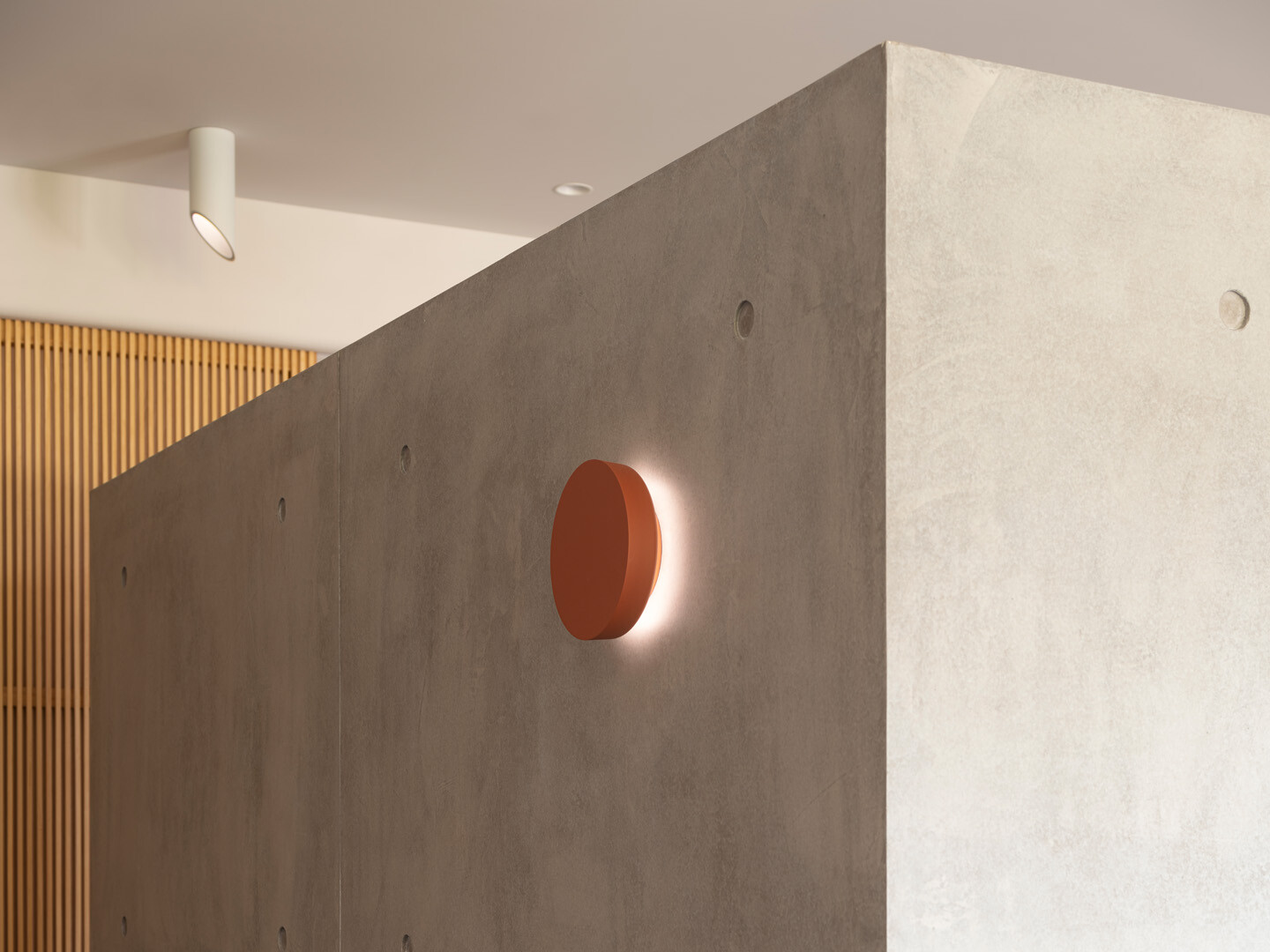
Few things embody the idea of a fulfilling life more than retiring and embarking on a new chapter with a loved one. For this couple, the transition from a hillside villa to an urban residence marked more than just a change of scenery—it was a shift in rhythm. Nestled in the heart of Zhubei City, their new home maintains a subtle yet profound dialogue with nature. Upon entering the foyer, the spatial openness is immediately felt—uninterrupted sightlines, no rigid partitions, and just a few carefully selected pieces of furniture that softly delineate function, giving rise to a relaxed and unconfined domestic flow. Within this bright and airy interior, expansive surfaces adorned with natural textures create a gentle interplay between warm wood finishes and mineral-based coatings. As sunlight filters through floor-to-ceiling glazing, it weaves through apertures and gaps, casting delicate shadows that ripple across the surfaces—imbuing the home with a quiet, almost meditative atmosphere.
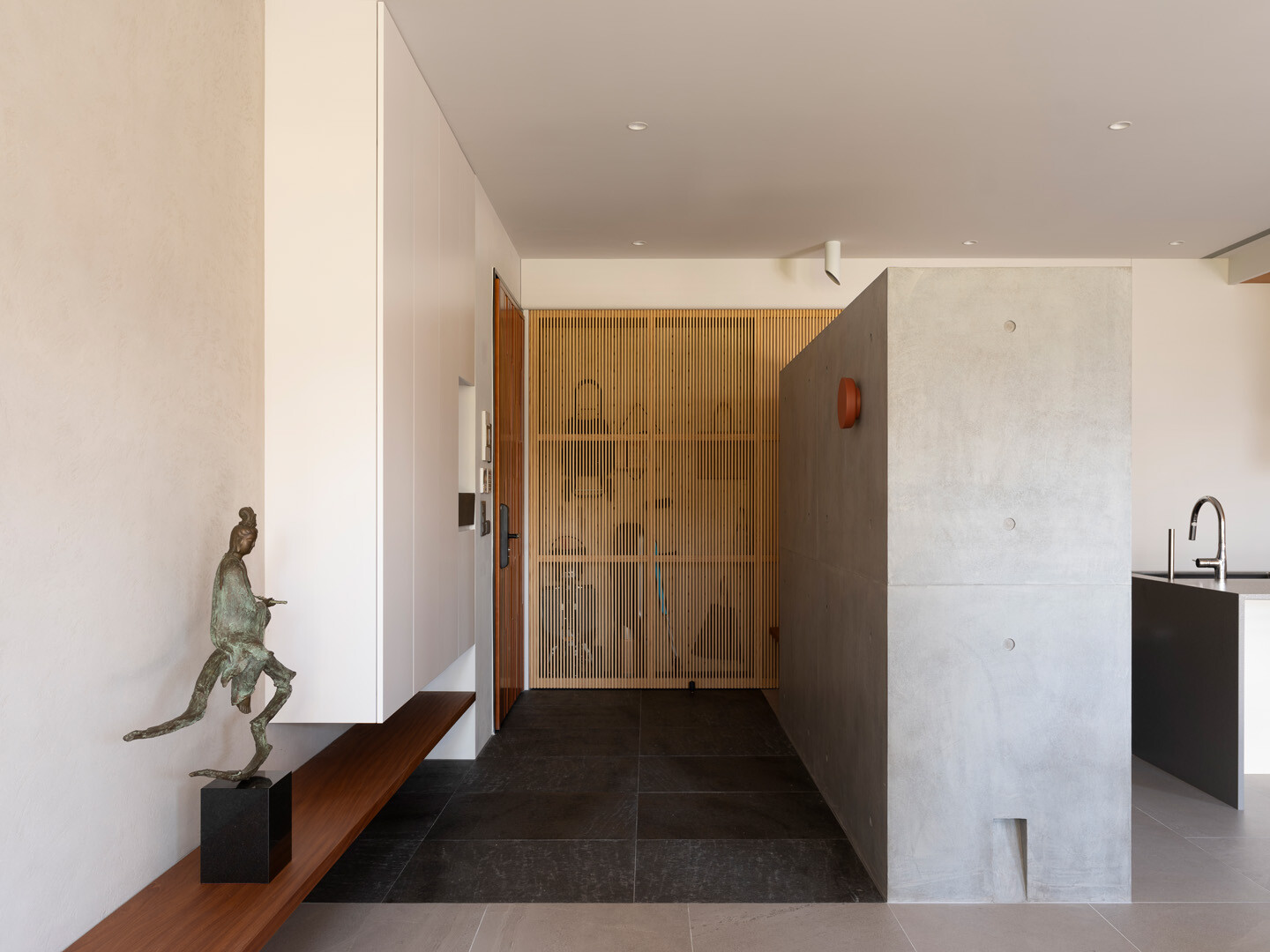
“Style, to me, should be something the occupants grow into over time,” says designer Abraham Lee, who kept the focus firmly on the people inhabiting the space. Learning of the couple’s minimalistic lifestyle and their fondness for hosting friends, he developed a spatial narrative grounded in the aesthetics of subtraction. Purposeful blank spaces allow daylight to flow freely along the home’s simple contours, while materials are given room to speak for themselves. Over time, these elements trace the evolving story of the occupants—like brushstrokes on a blank canvas. The design thoughtfully responds to both the physical and emotional needs of its residents. A partial-height wall separates the foyer from the kitchen, while a vertical slatted timber door aligns with a small wall opening—now integrated with shelving that bridges to the adjacent surface. The resulting alcove becomes a low bench, inviting guests and residents alike to pause, unhurriedly store coats and belongings into the pristine white cabinetry, and settle into the home’s calming rhythm. This choreography of arrival fosters a subtle sense of hospitality while preserving spatial clarity.
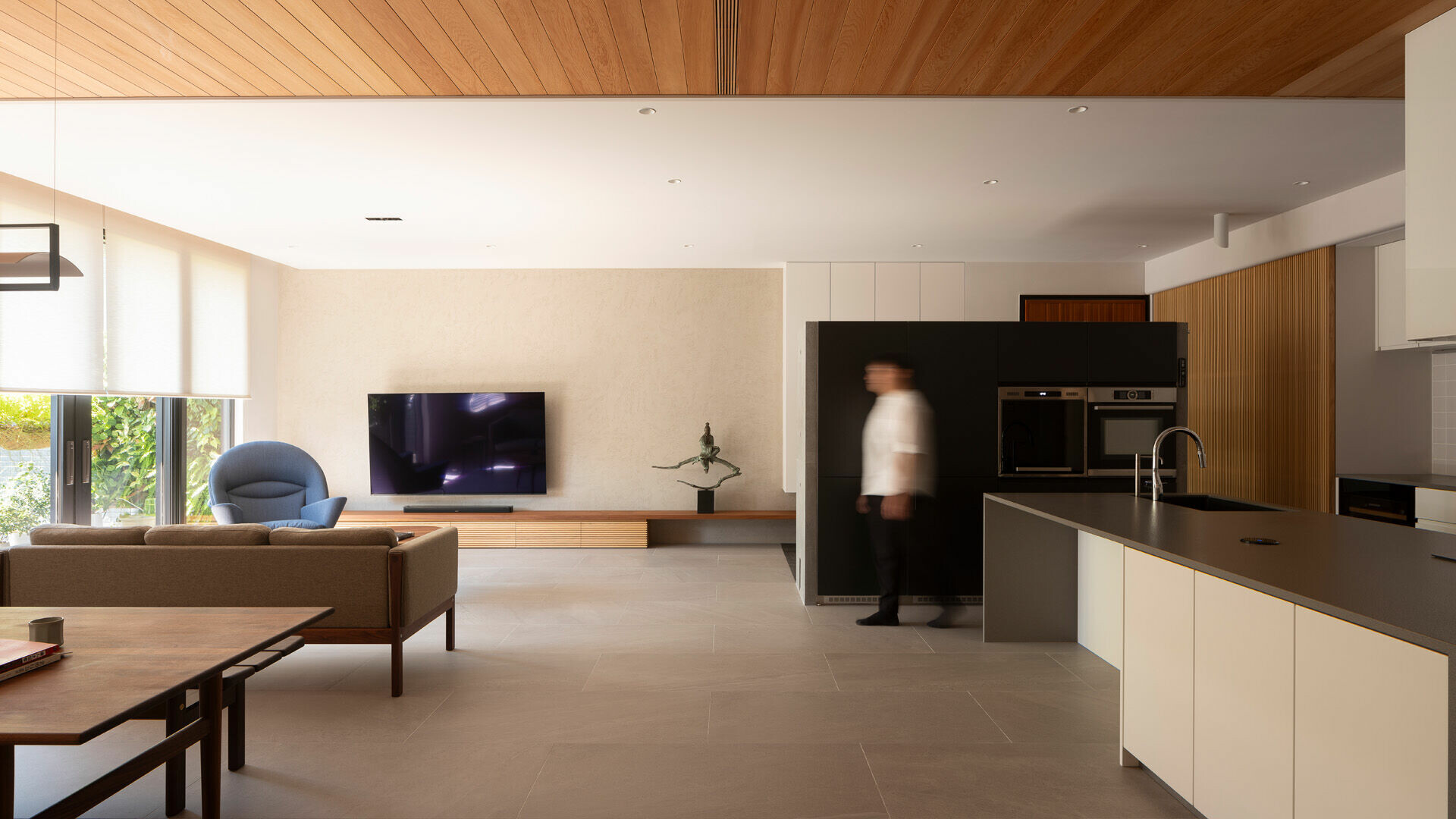
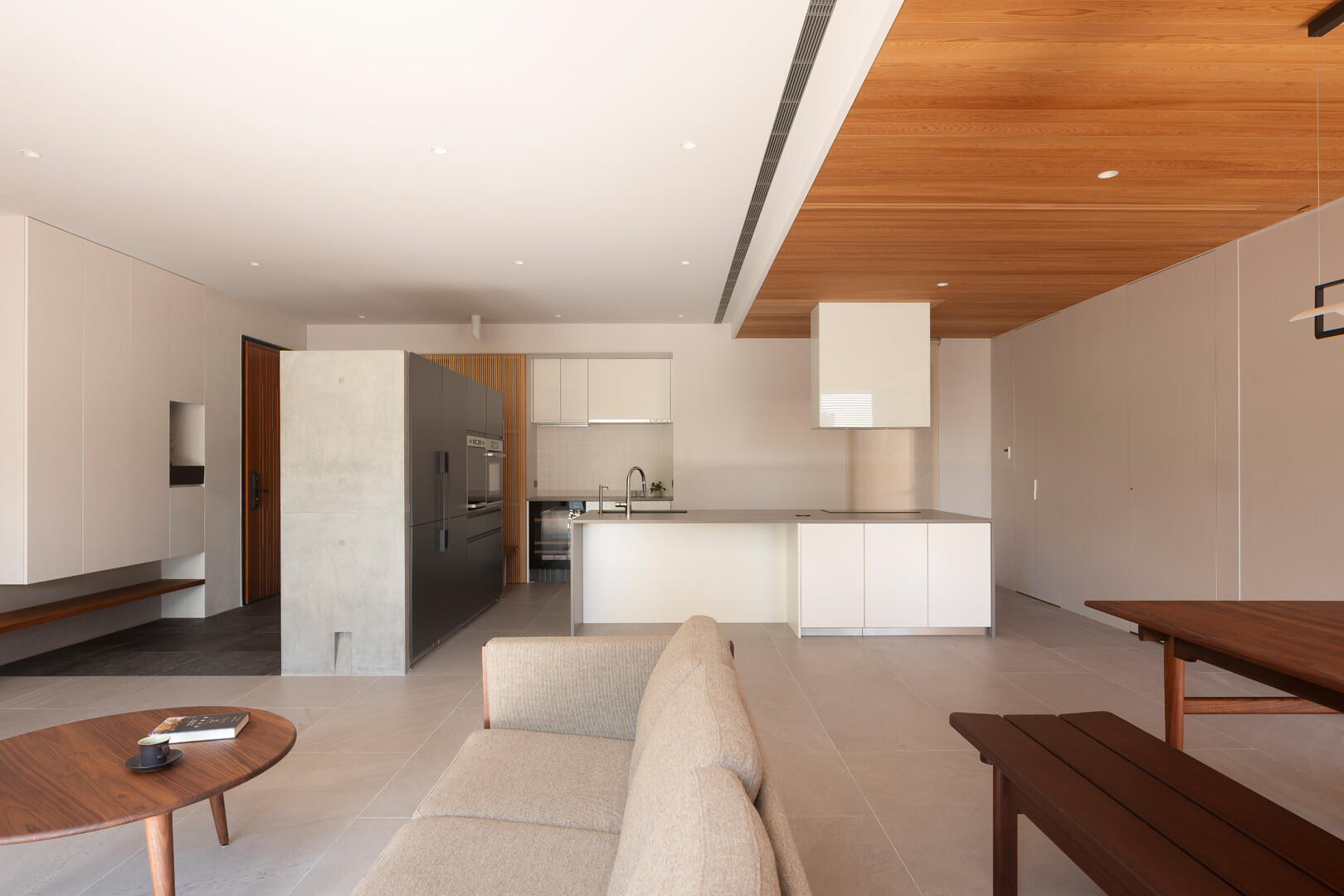
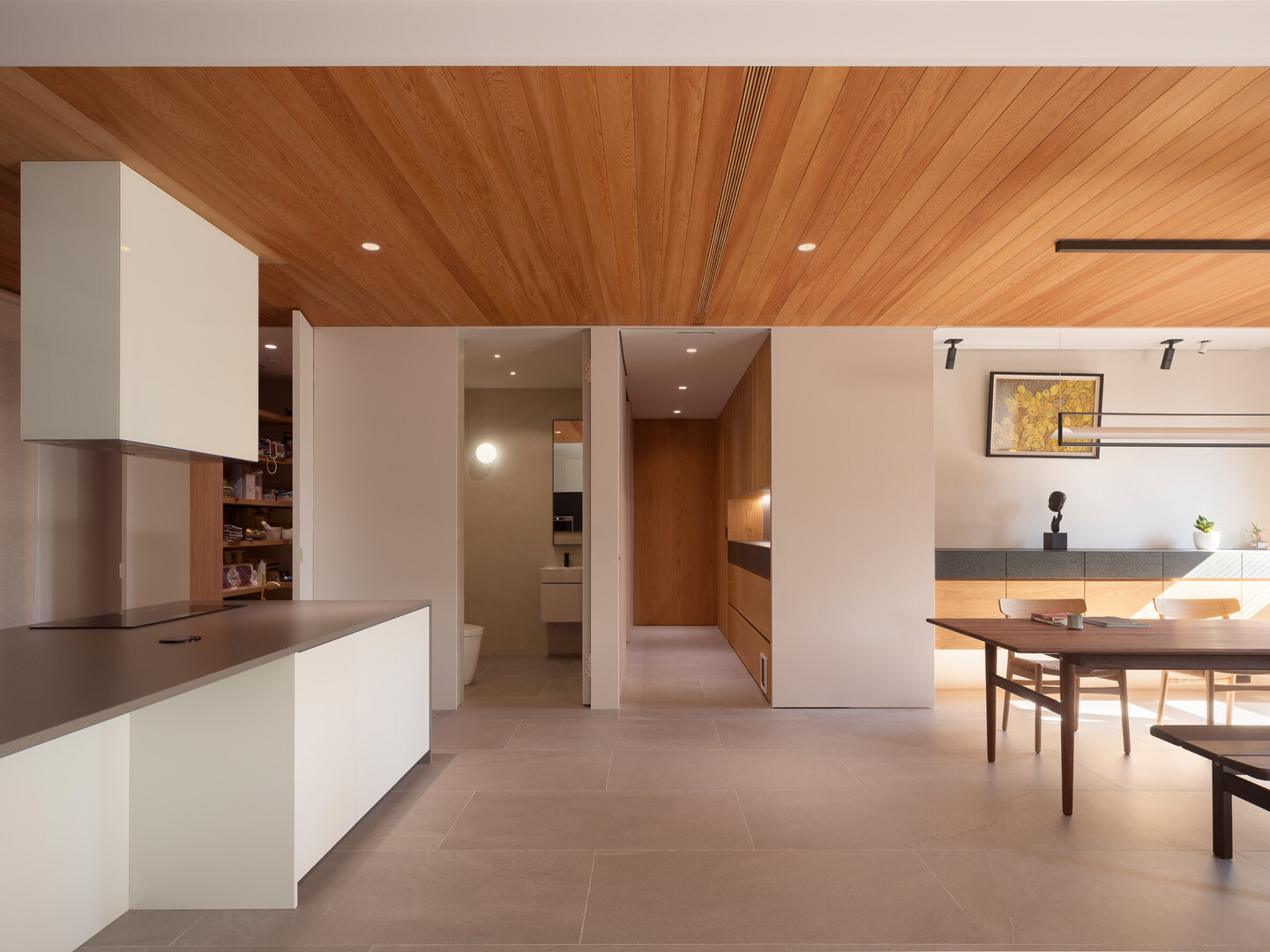
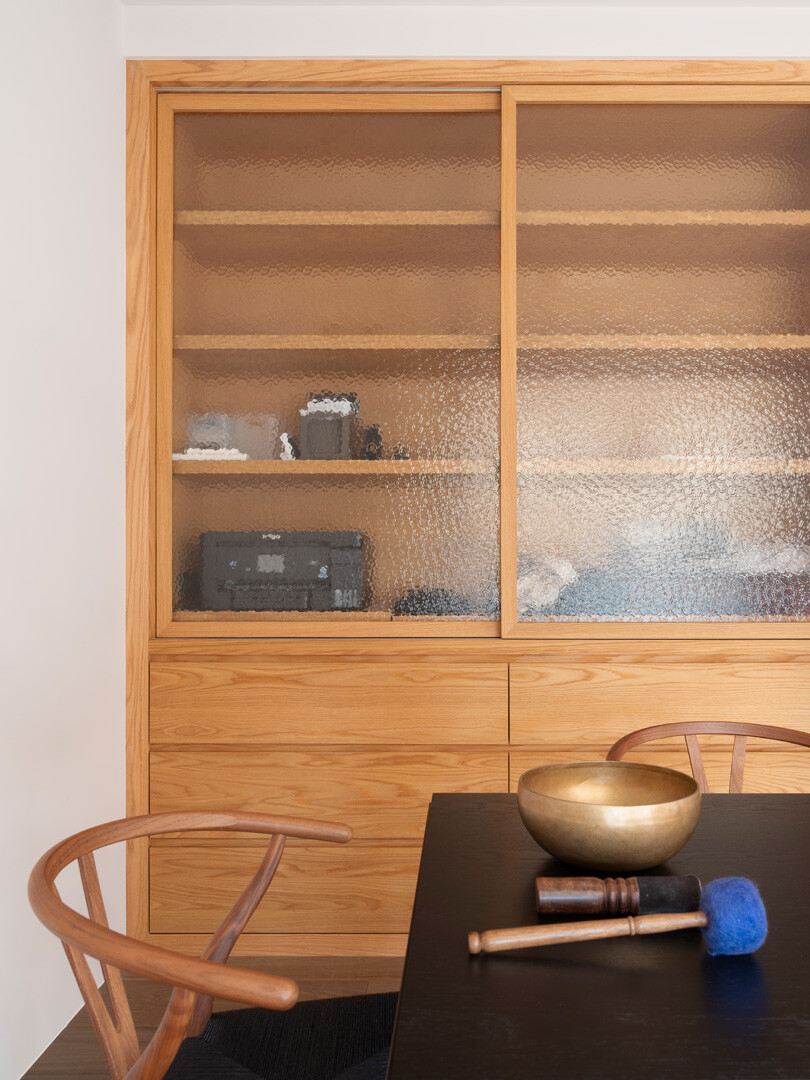
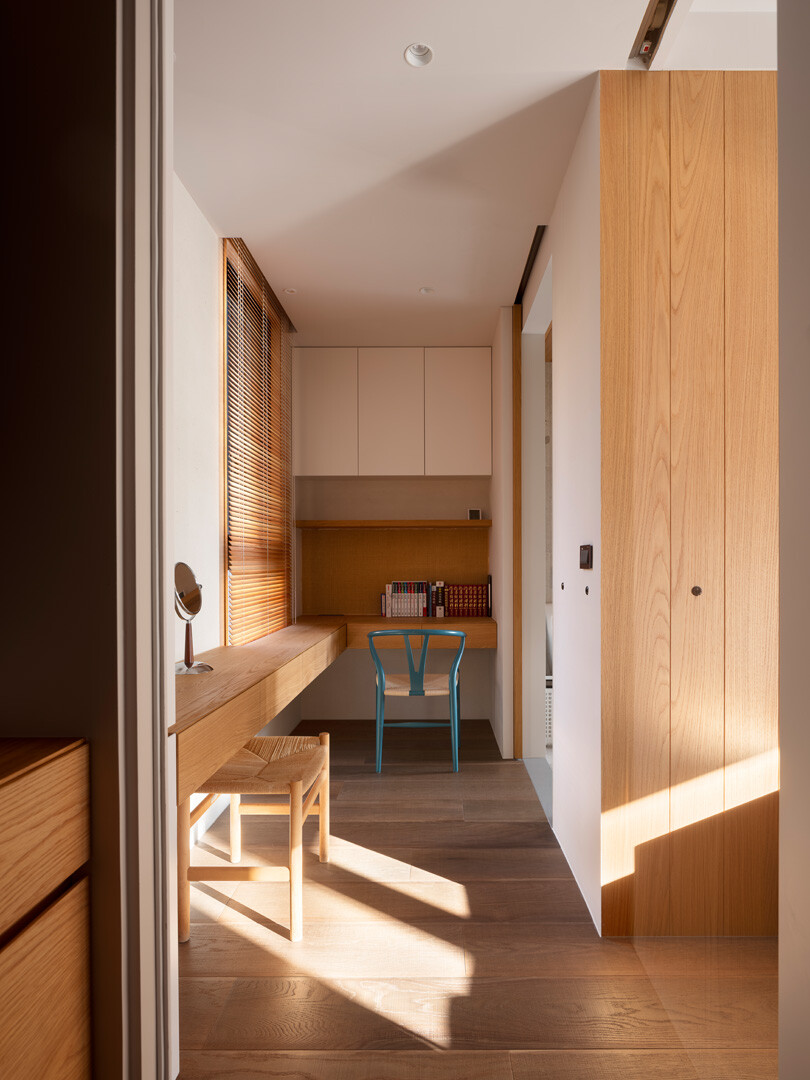
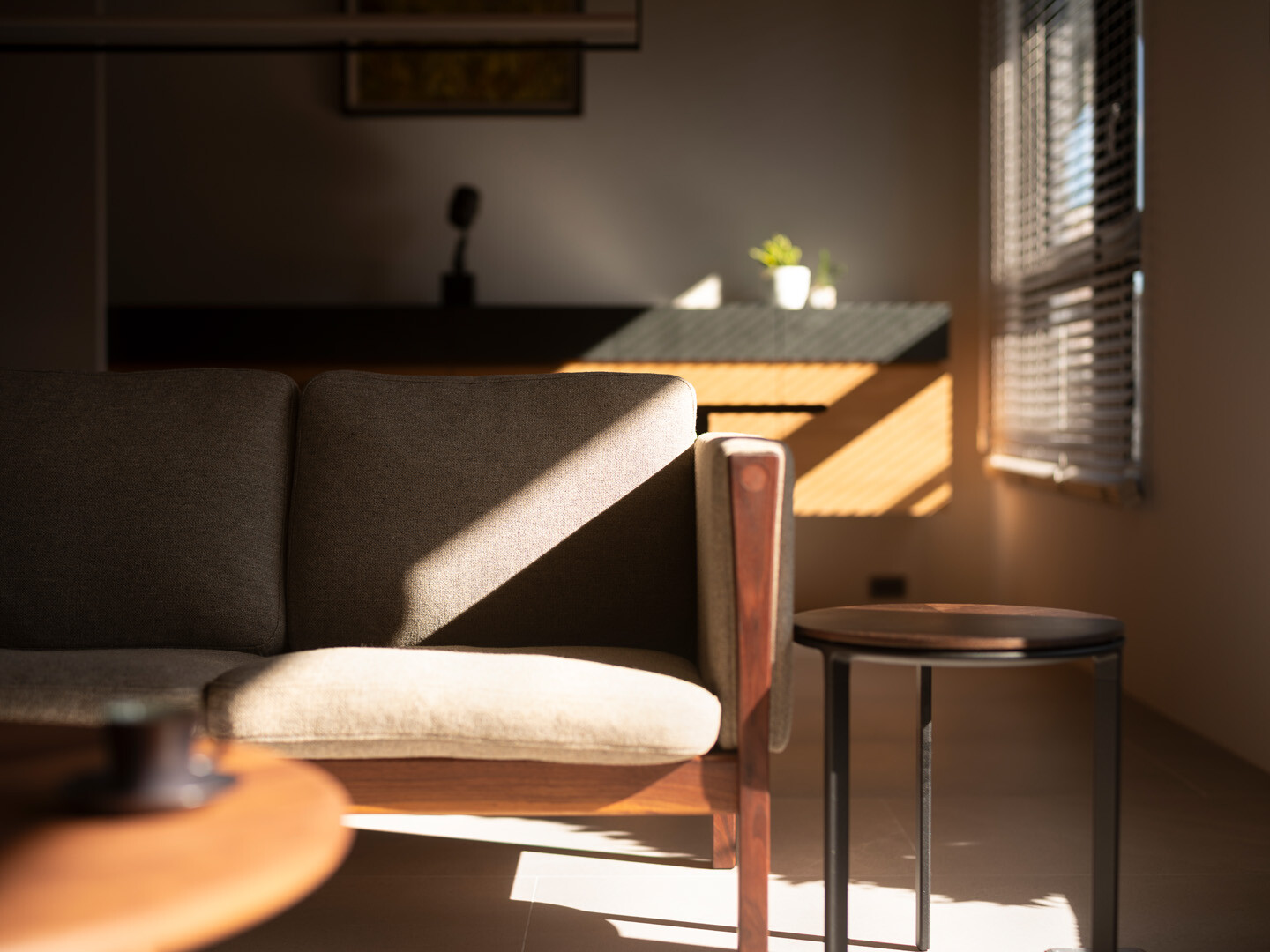
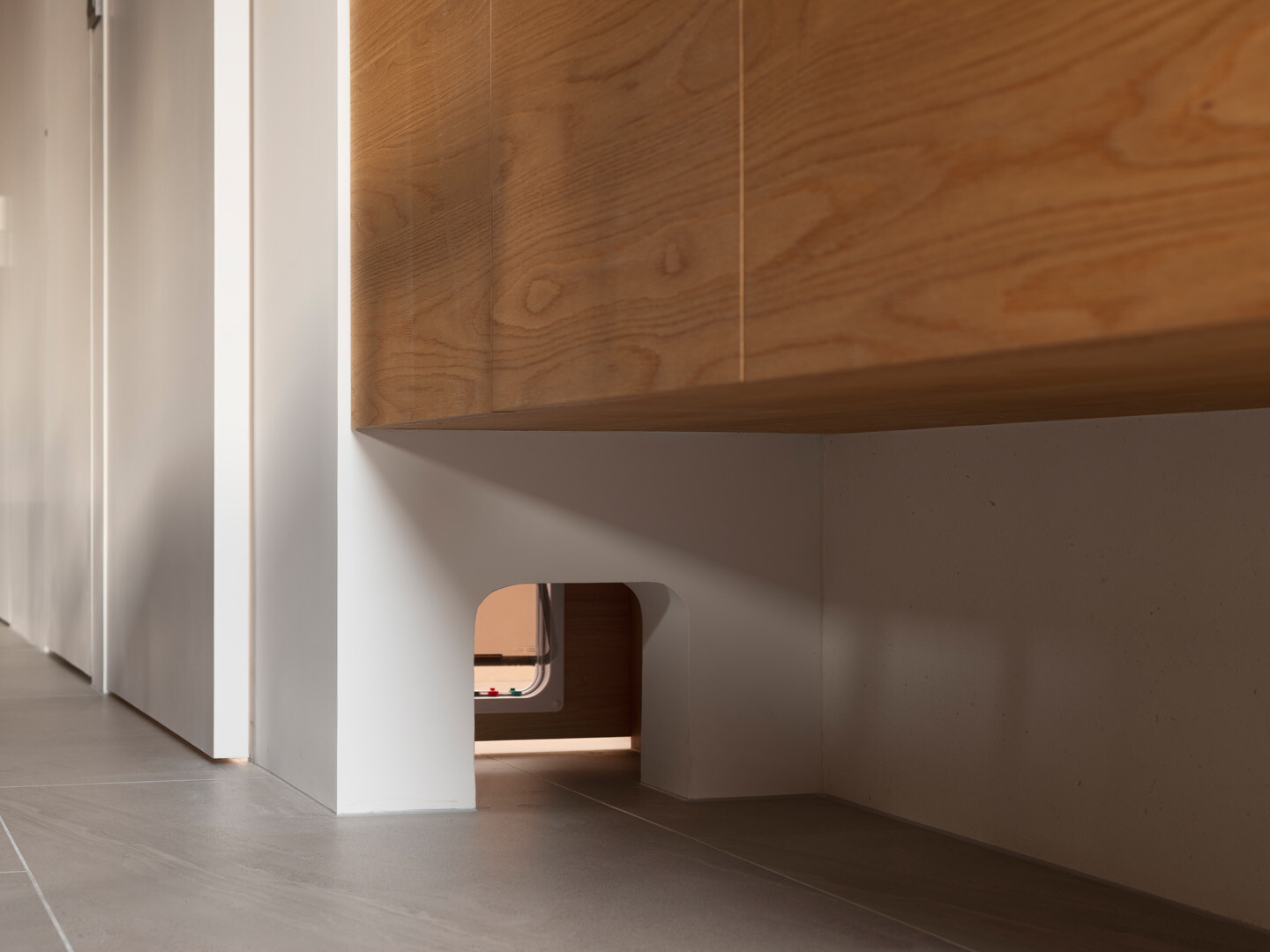
Given that the architectural layout subtly narrates the occupants’ daily routines, clarity and lighting take center stage in the design of the shared areas. Clean lines and restrained use of light articulate the public zones, allowing negative space to amplify the sense of openness and ease of circulation. Mindful of health and nutrition, the couple has integrated meal preparation into their lifestyle—retrieving ingredients from the concealed pantry within the open-plan kitchen and continuing to the dining area for shared meals, a ritual that has become their daily grounding point. At the back, a suspended cabinet creates a display focal point, while the open lower corner of the wall allows the cat to move freely and comfortably. At times, conversations and tea with visiting friends unfold beneath the tongue-and-groove cedar ceiling, where the air carries the wood’s faint natural fragrance. On quiet days, the wife tends to the plants on the balcony, introducing gentle touches of green into the interior. Light moves with the architecture—streaming through layered curtains like a lens, shifting between brightness and shadow, composing a poetic choreography of illumination. Behind an automated door lies the private realm. A hallway leads to the study, designed specifically for the wife—a sanctuary for reading, meditation, and quiet reflection. At the end of the corridor is the primary bedroom, which also includes a dedicated workspace for the husband. In this way, both partners are afforded space for solitude within a shared home.
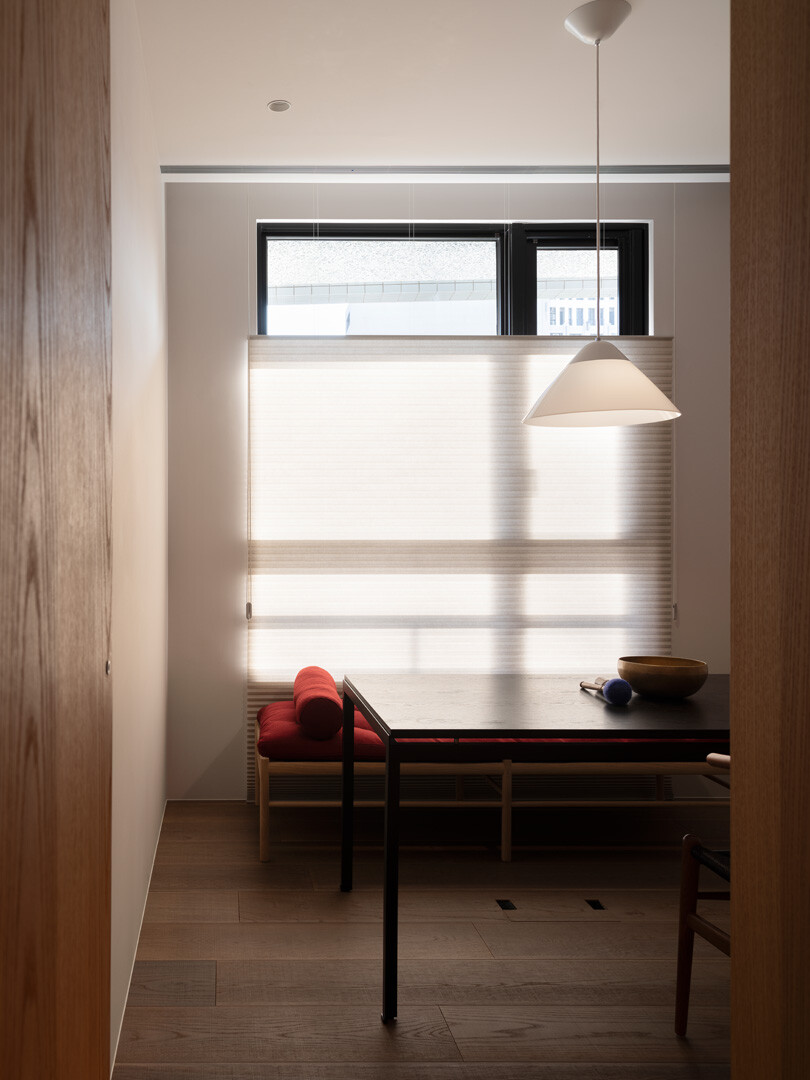
Throughout the project, Abraham Lee approached the design with deep empathy for the clients’ stage in life, considering how a home could resonate with both their physical comfort and emotional aspirations. He recognized that a meaningful life often returns to simplicity—a slower pace and more time for oneself. As the ancient Chinese saying goes, “True seclusion lies not in the wilderness, but in the heart of the city.” A tranquil life does not require retreating into the mountains. Even in the midst of urban intensity, it is possible to find one’s own sanctuary—a place where soft light and quiet design restore a sense of inner peace, as if one were momentarily immersed in the calm of nature.
Design Studio | Abraham Architecture & Interior FB