➤ Photography by Hugo Tirso Dominguez
Casa Tao
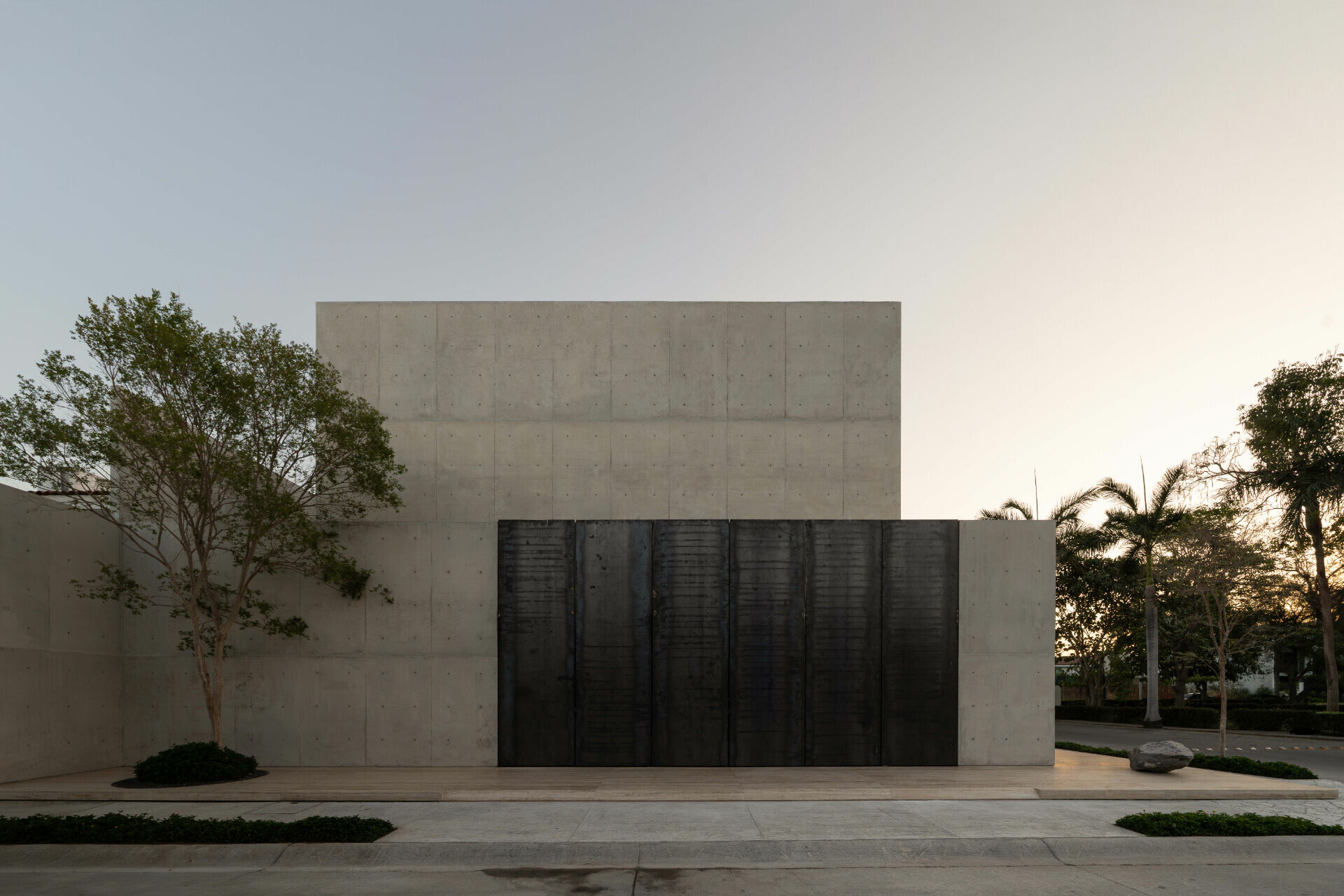
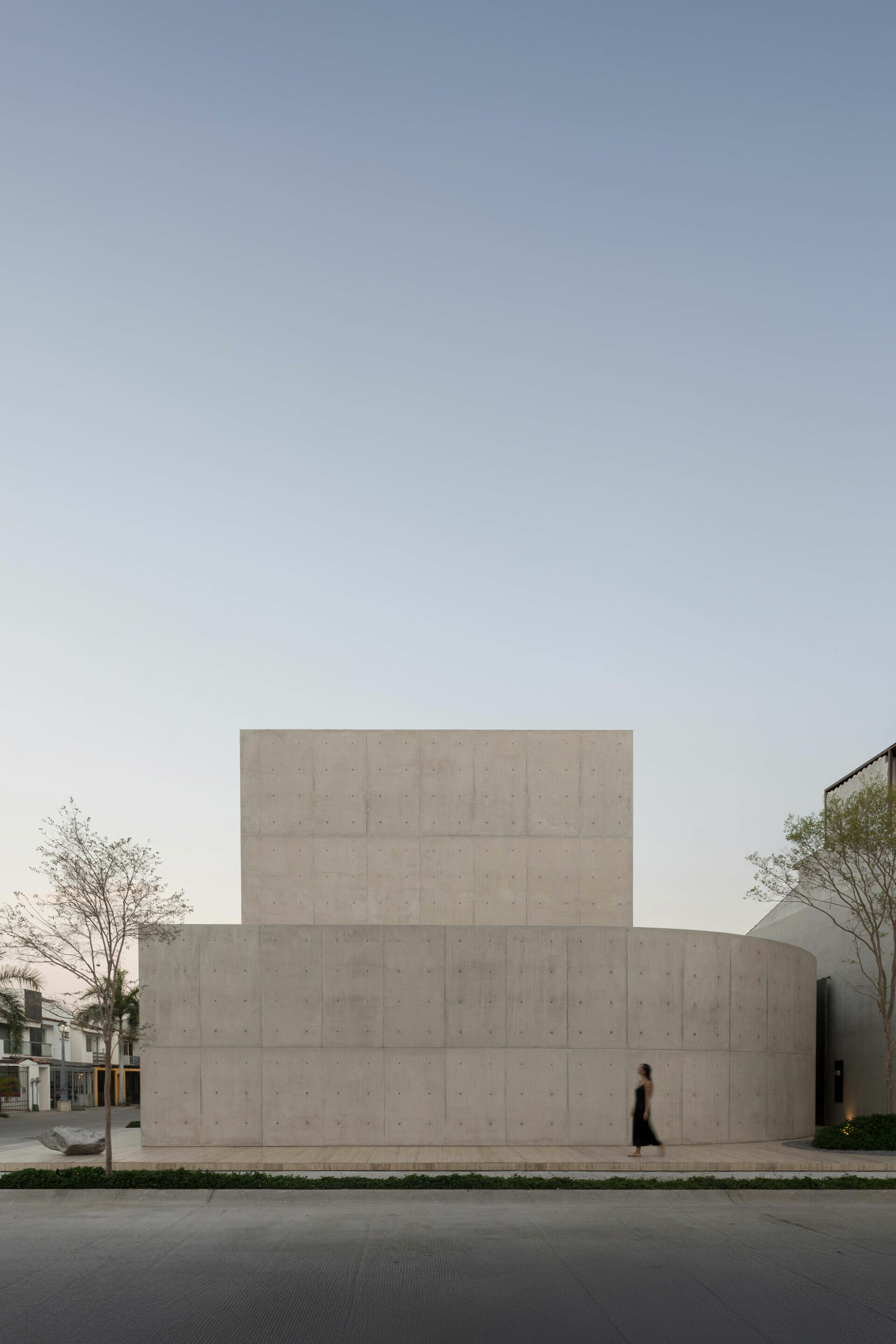
“Casa Tao originates from memories long dormant in the heart of its inhabitant.” Discussing the project, HW Studio spoke openly about the homeowner Gustavo—his childhood in Puerto Vallarta, the personal inclinations and family journeys that shaped him—and, through these stories, pieced together the relationship between architecture, people, and place. Their words revealed a deep attentiveness to both the homeowner and the land, allowing the house to acquire a quiet vitality of its own. What might otherwise remain the cold lines of technical drawings becomes, instead, a vessel shaped by lived experience—a home that turns back toward its owner’s past and responds with humility to a way of life centered on inner clarity. Seen from the street, Casa Tao presents a gentle calm. Its geometric clarity and subdued material palette give it a tranquil presence as it settles into a neighborhood of Puerto Vallarta on Mexico’s Pacific coast. Here it accompanies the family quietly, attentive to their daily moments, offering a refuge from the noise that surrounds it.
➤ Photography by Hugo Tirso Dominguez
➤ Photography by Hugo Tirso Dominguez
➤ Photography by Hugo Tirso Dominguez

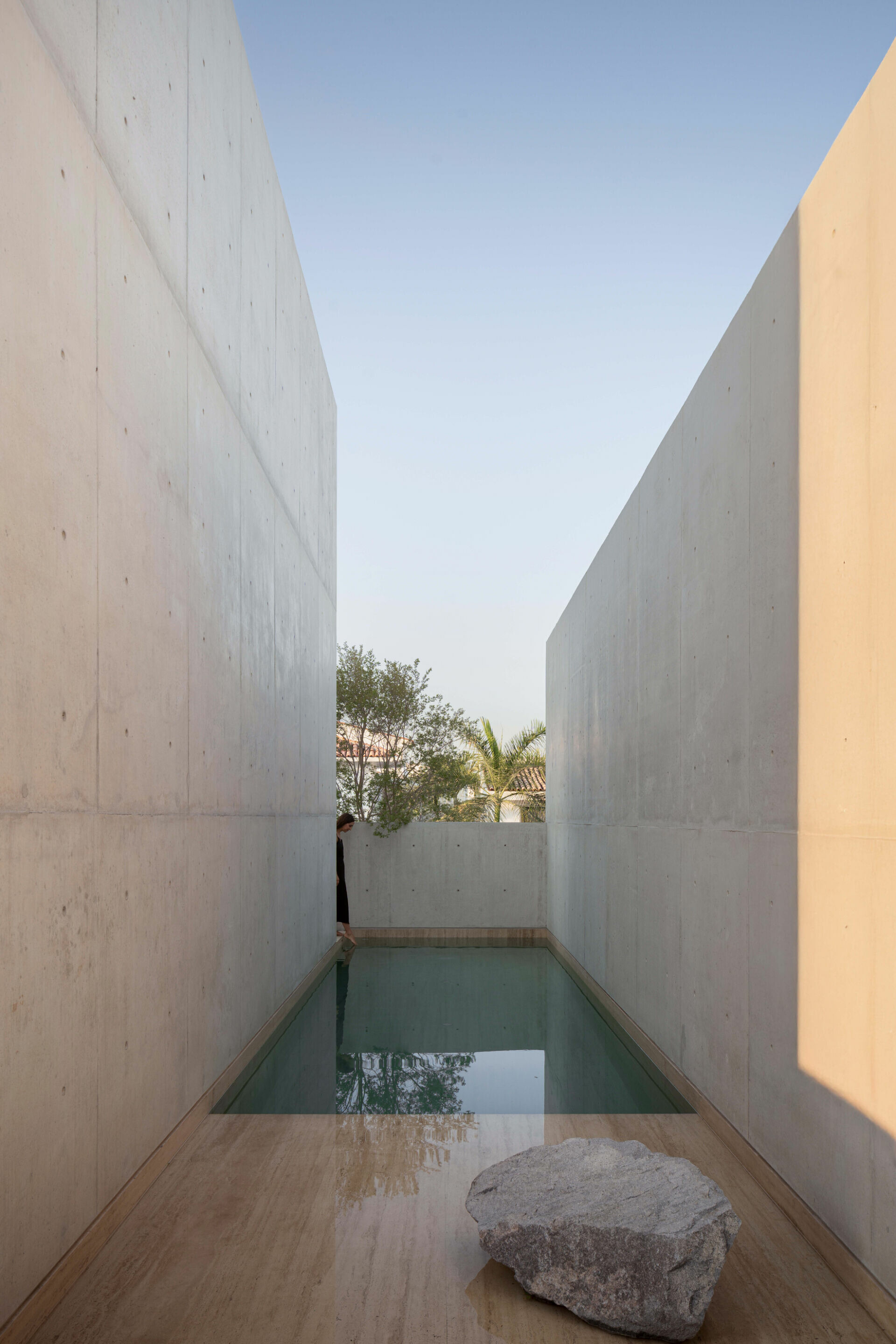
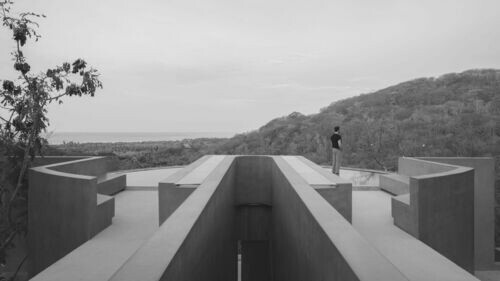
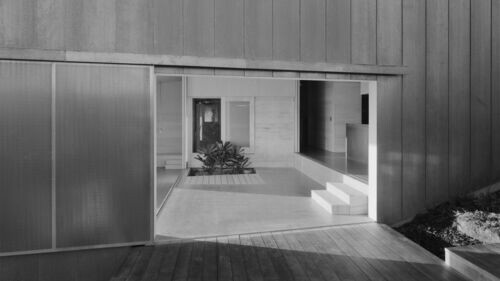
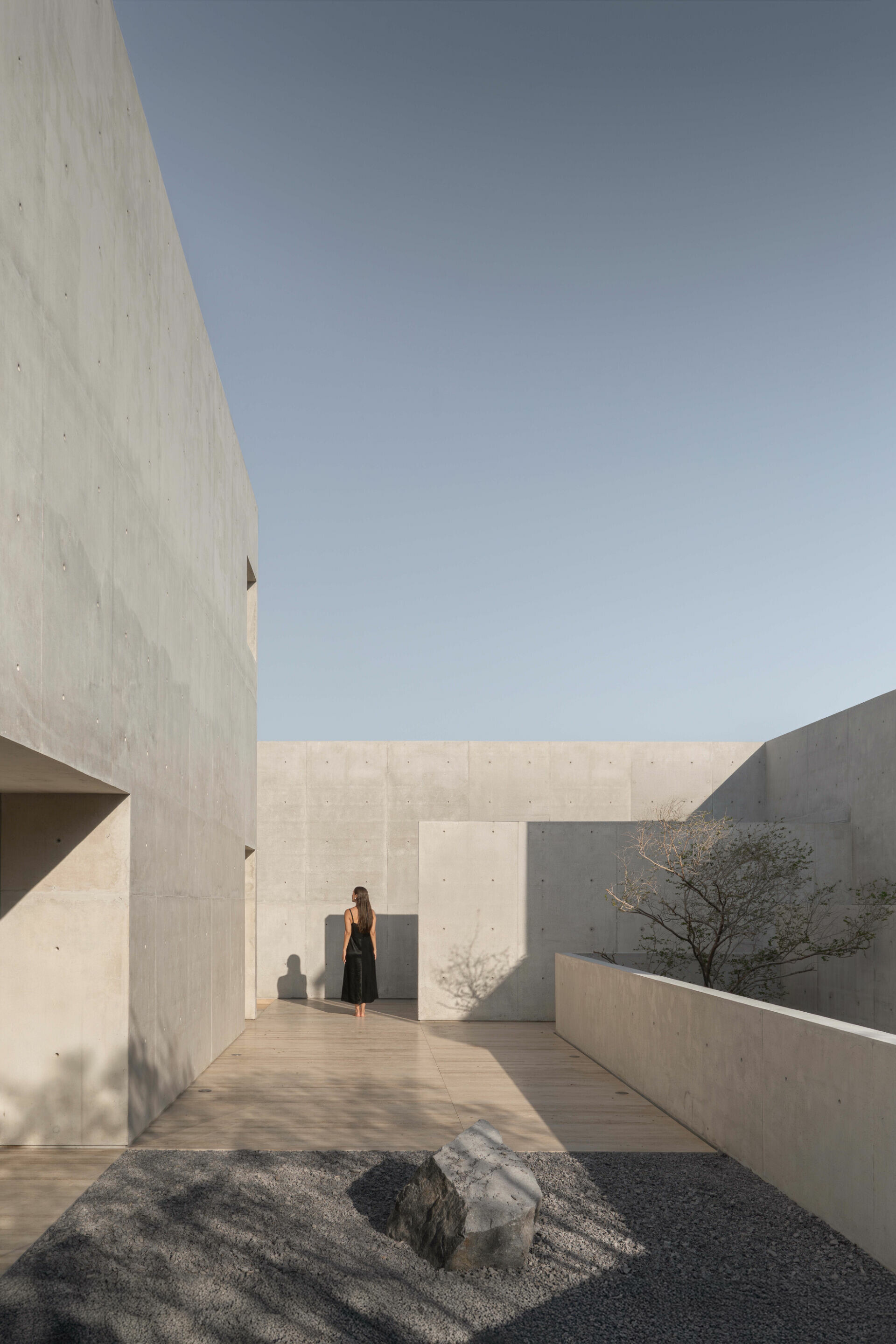
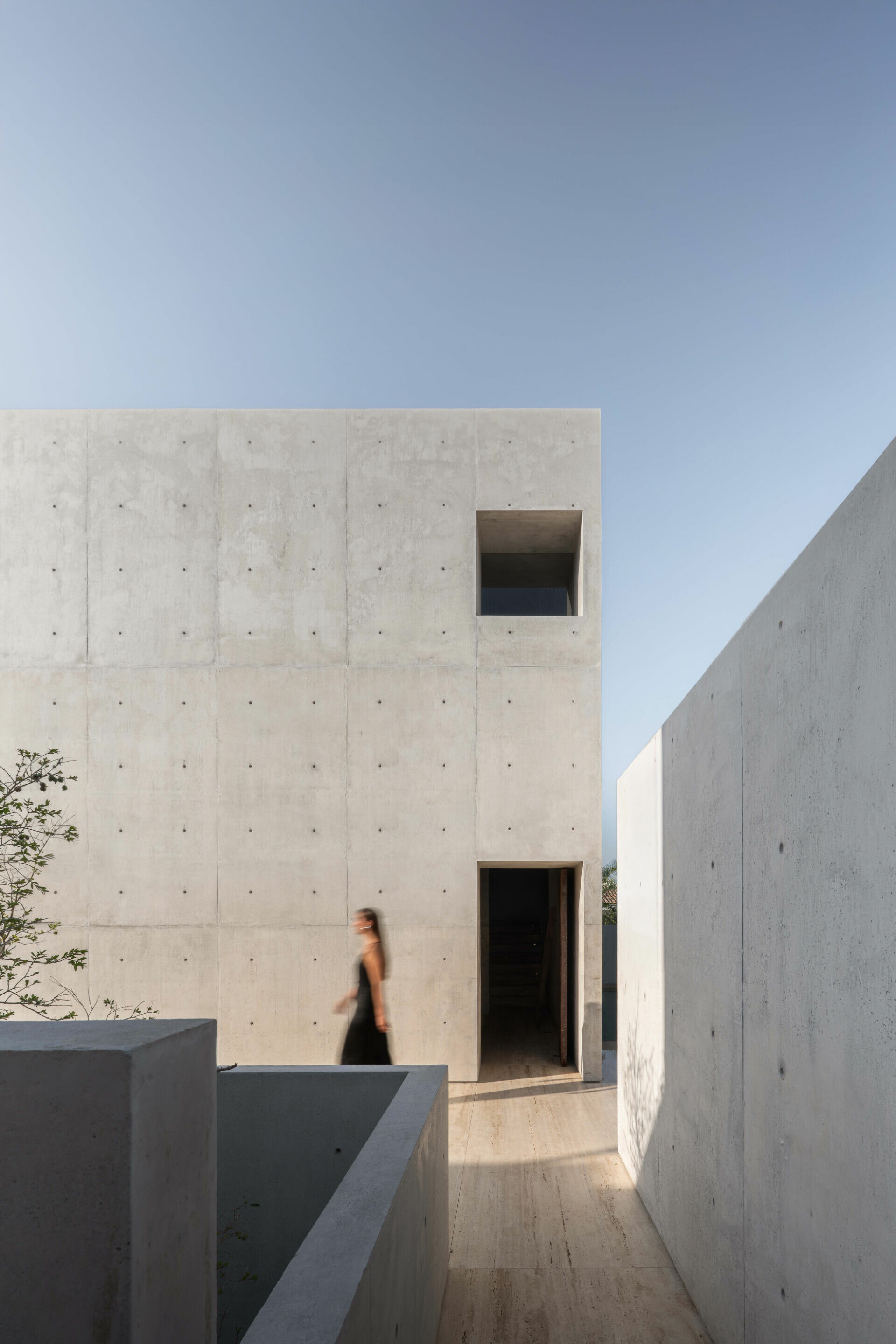
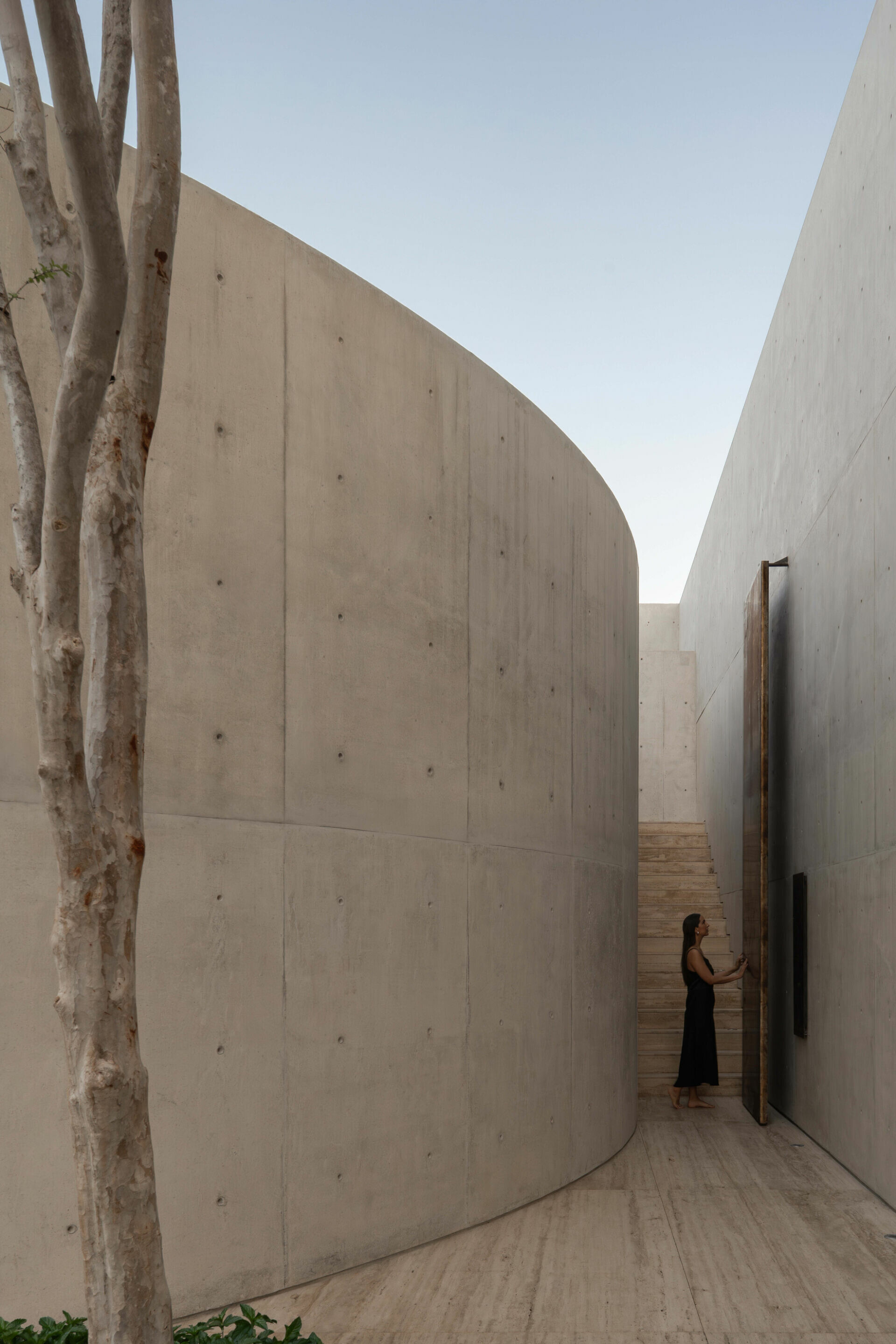
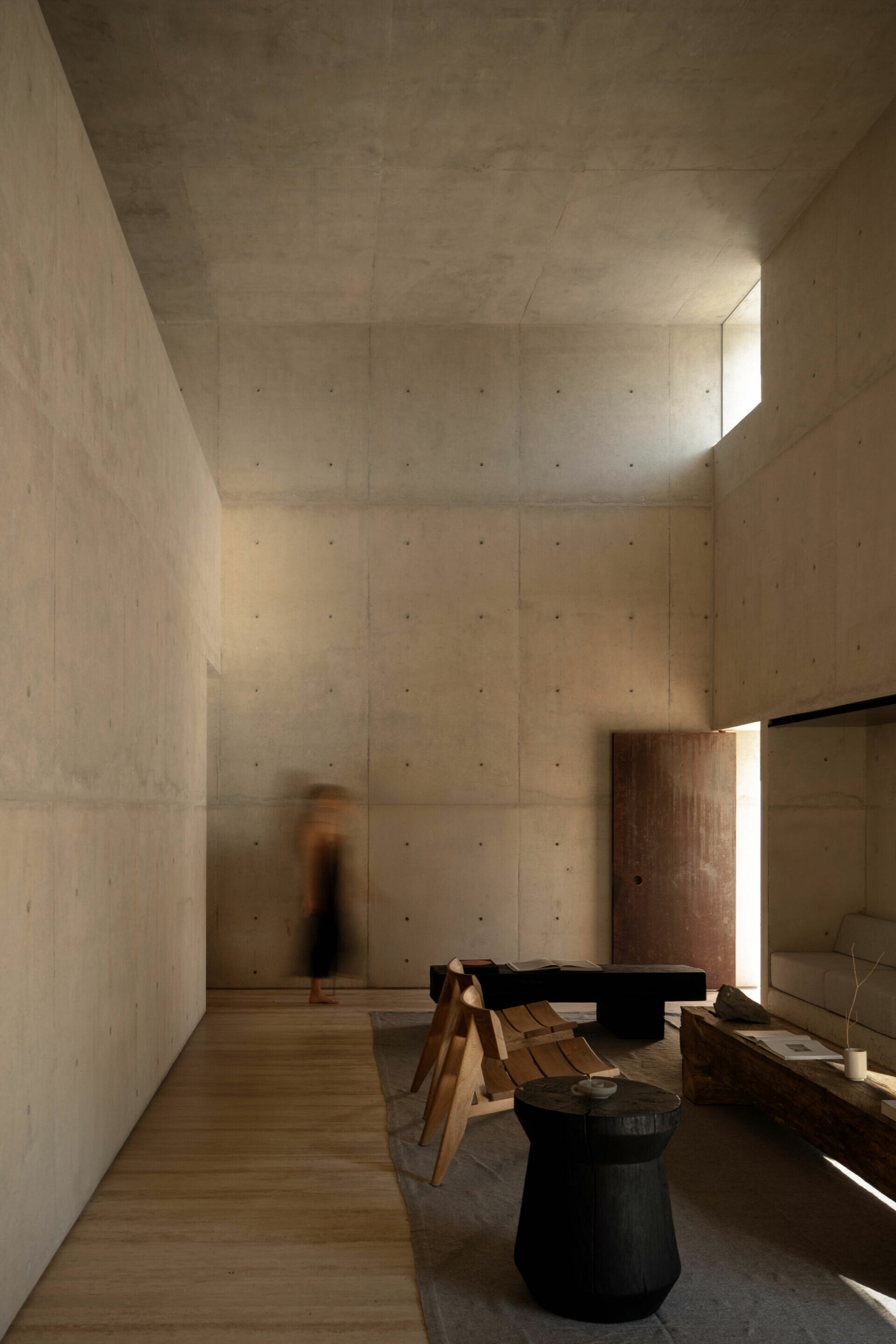
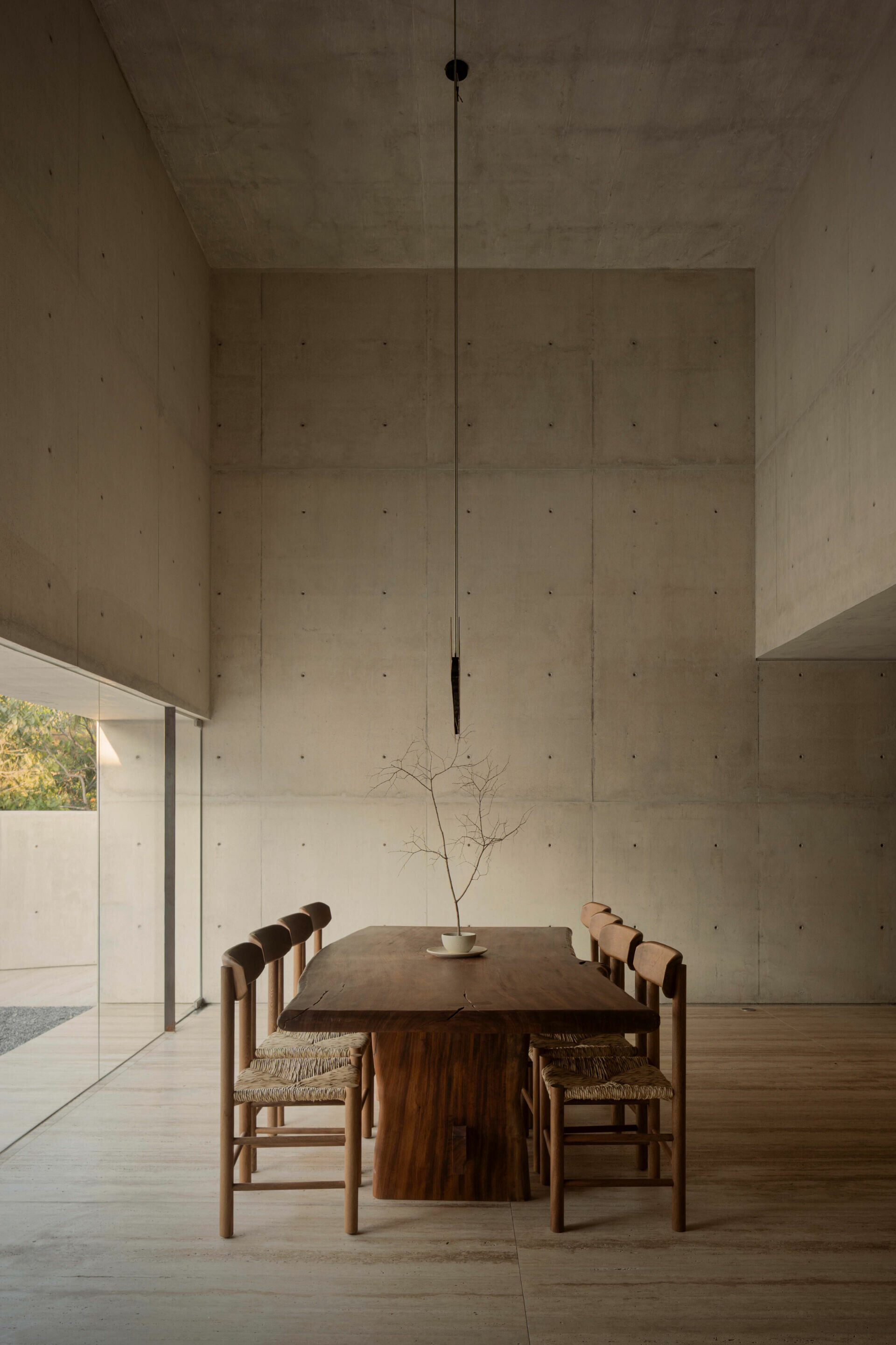
From its massing and circulation to its material choices, the concrete residence recalls the owner’s early memories. HW Studio understands the coastal climate deeply: along Mexico’s Pacific shoreline, shade offers not only physical comfort but also a sense of emotional refuge. To evoke the sensations of Gustavo’s childhood and extend his fascination with the shifting interplay of light and moving air, the architects used shadow as the guiding medium for creating a sense of ease and belonging. Rather than relying on expansive glazed curtain walls that would intensify interior heat, the design employs indirect connections to the outdoors. At the entrance, a gently curved wall receives visitors with a soft, understated gesture. The bedrooms, garage, and multi-purpose spaces occupy the plinth and are arranged around a courtyard that brings in both air and daylight. Above this grounded base, a light double-height volume appears to float, accommodating the home’s social areas. Through angled openings and carefully oriented apertures, the house avoids the blunt force of direct sunlight. Daily routines unfold at a comfortable distance from street heat and activity. Air circulates naturally through the courtyard, allowing residents to sense the subtle shifts of shadow, breeze, and light throughout the day. Sunlight diffuses in from the side, softening the threshold between interior and exterior. Moving through shaded terraces and passageways, one hears the quiet rustle of wind in the treetops and senses the distant breath of the sea.
➤ Photography by Hugo Tirso Dominguez
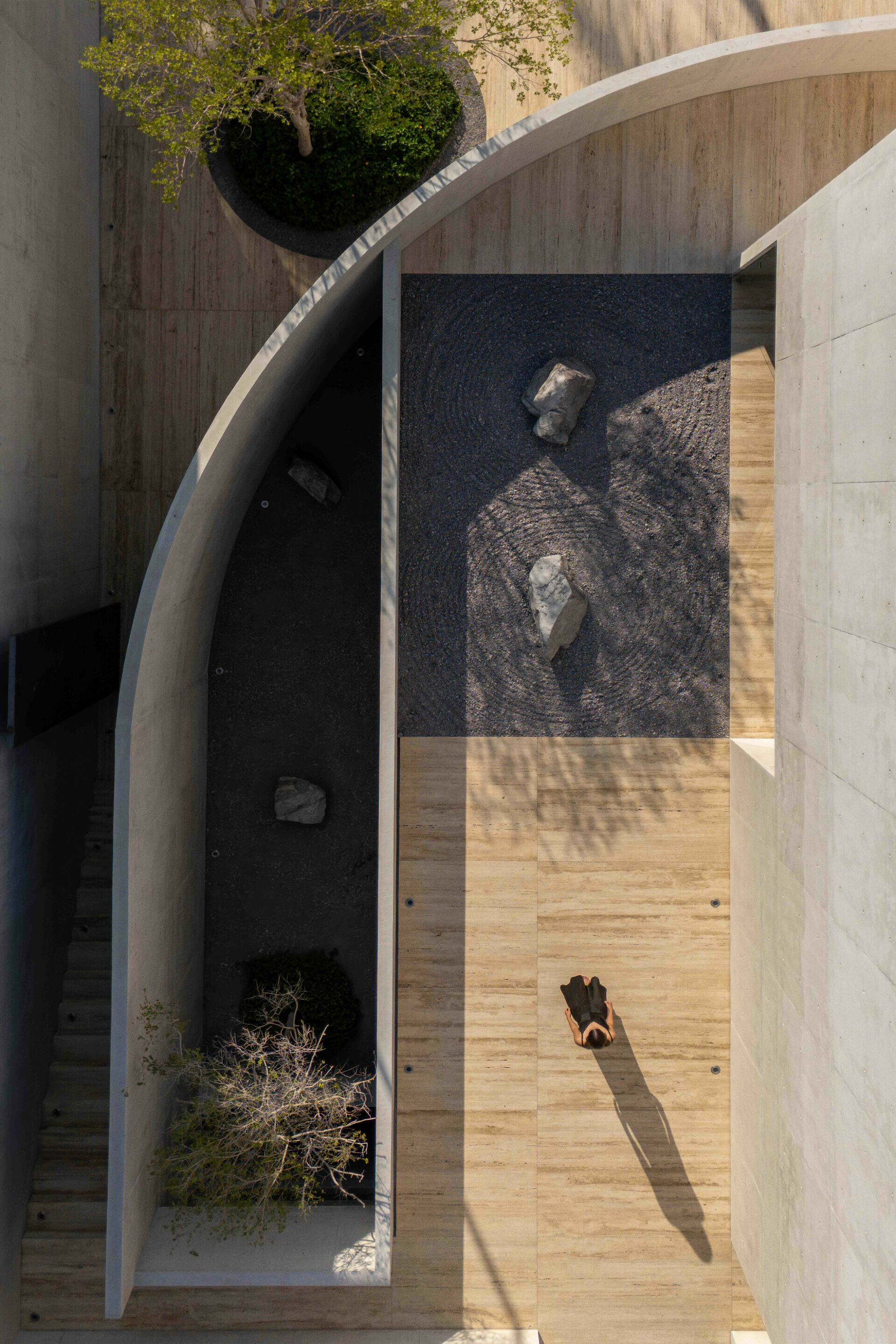
➤ Photography by Hugo Tirso Dominguez
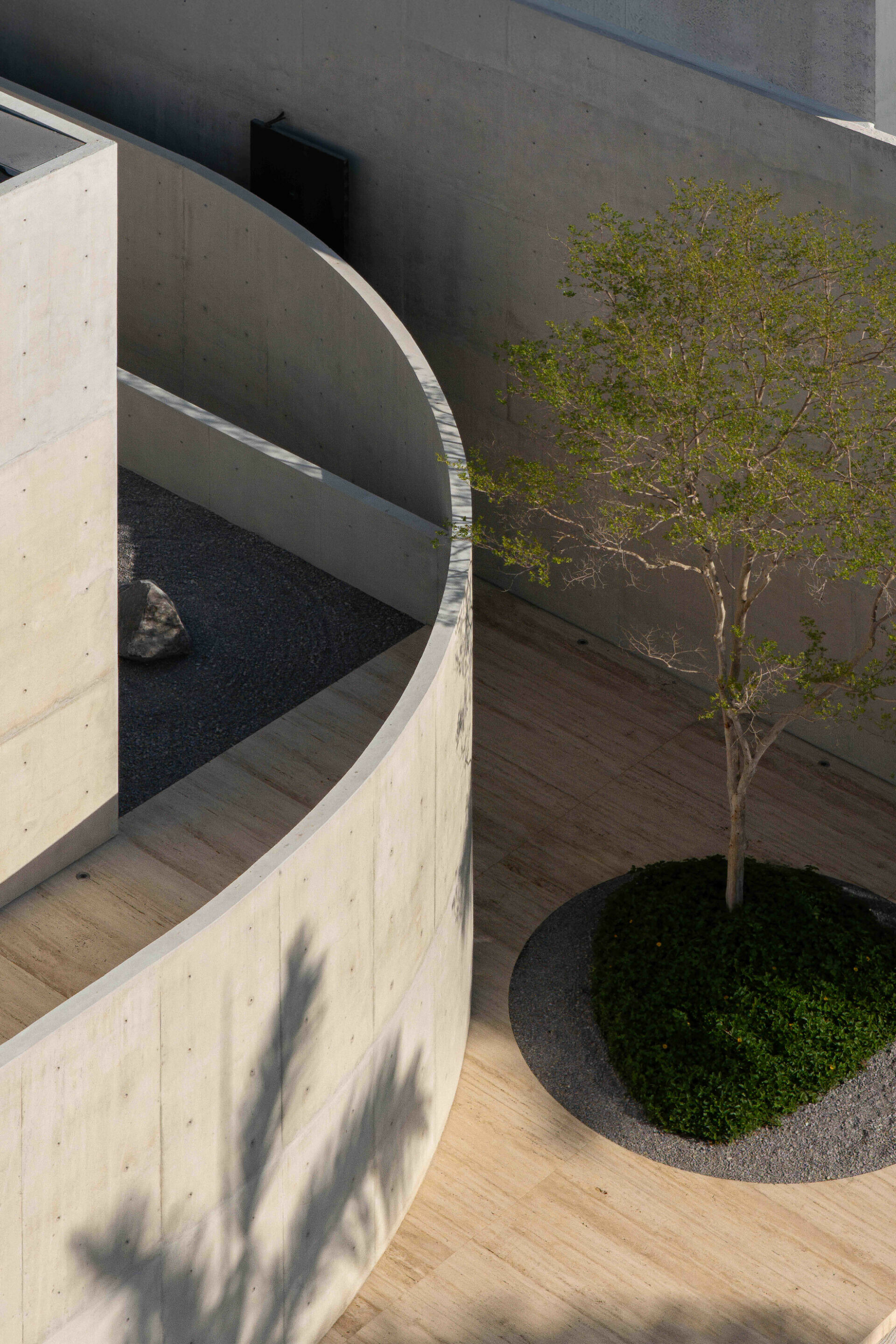
➤ Photography by Hugo Tirso Dominguez
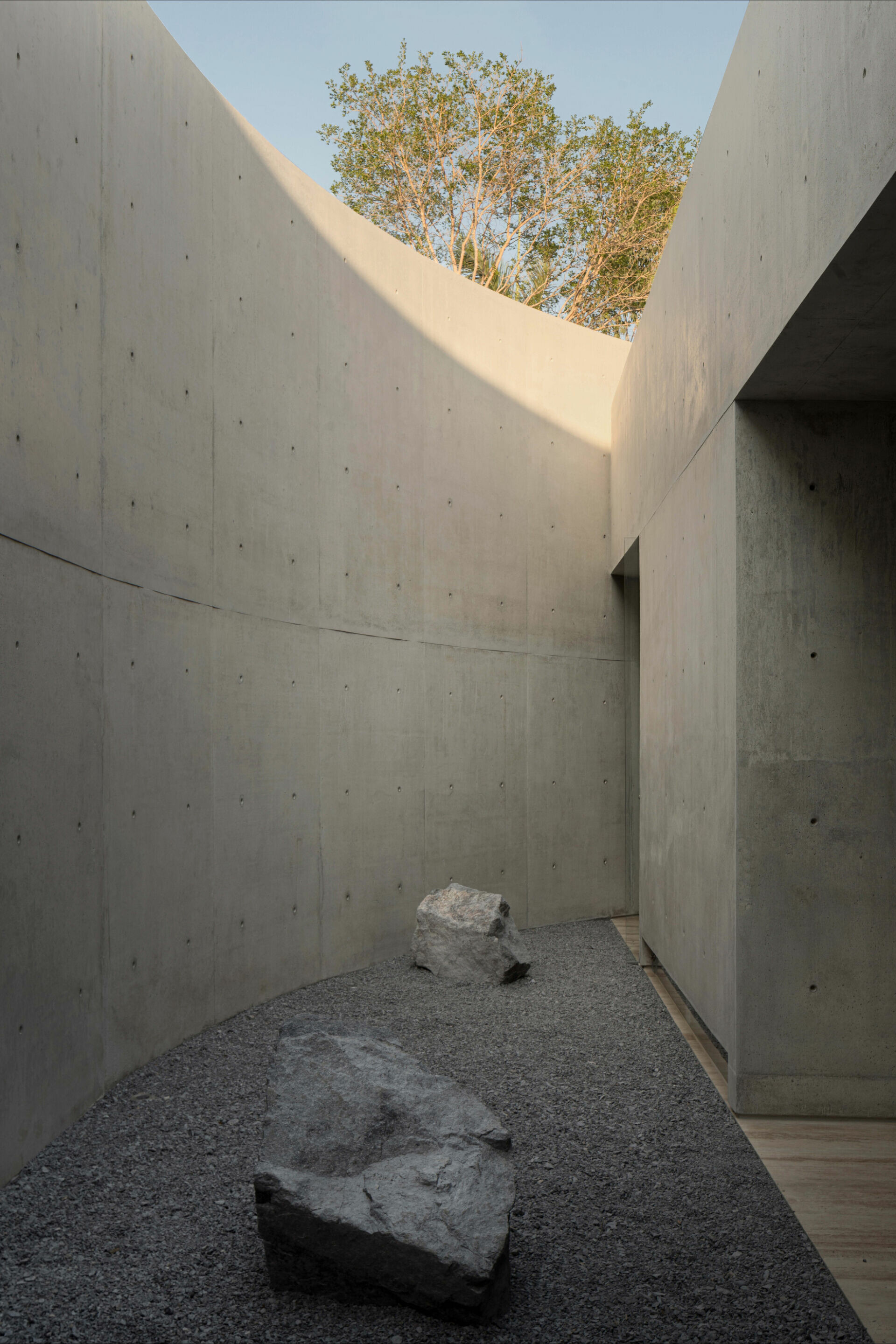
➤ Photography by Cesar Belio
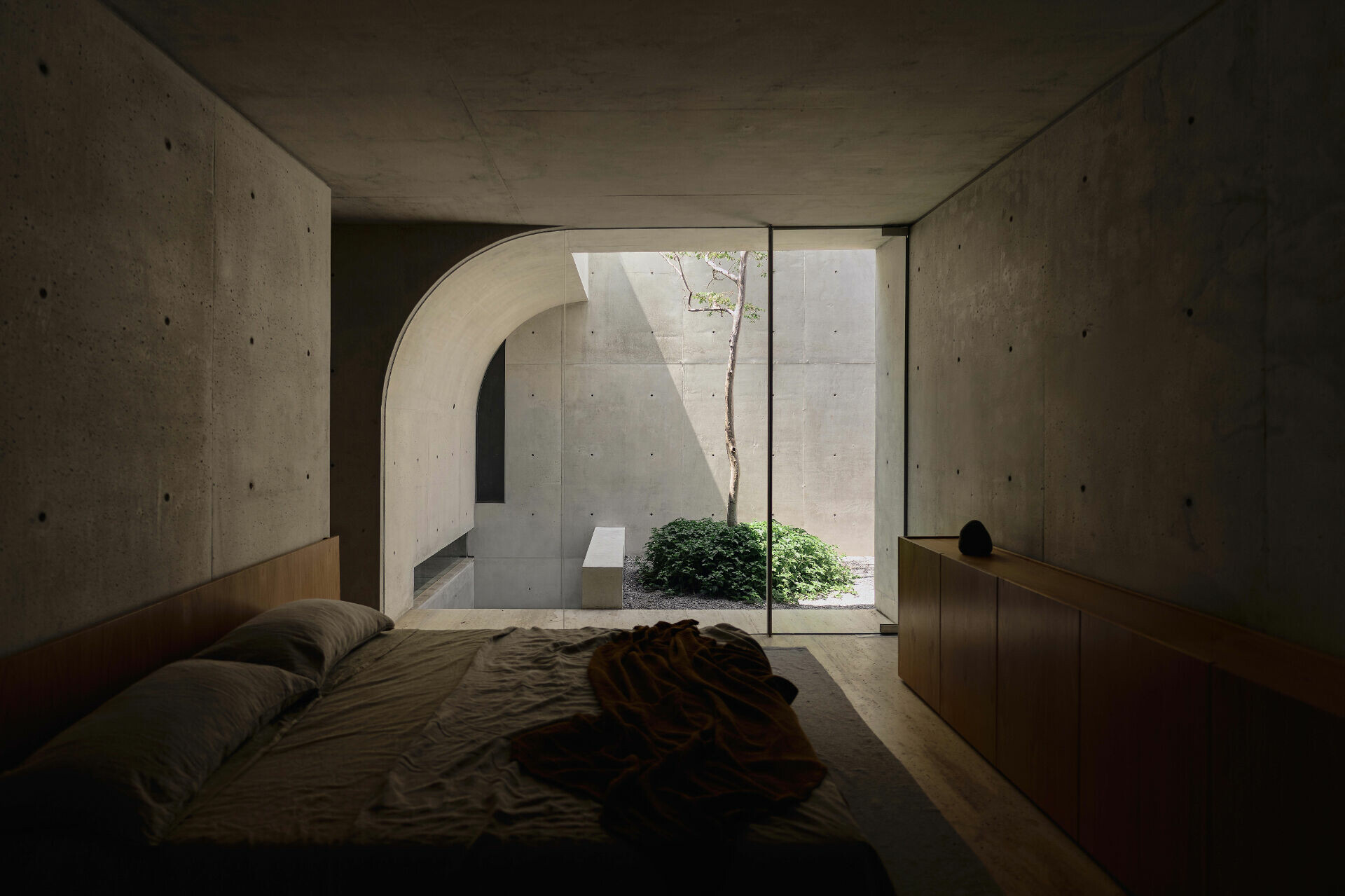
➤ Photography by Gustavo Quiroz
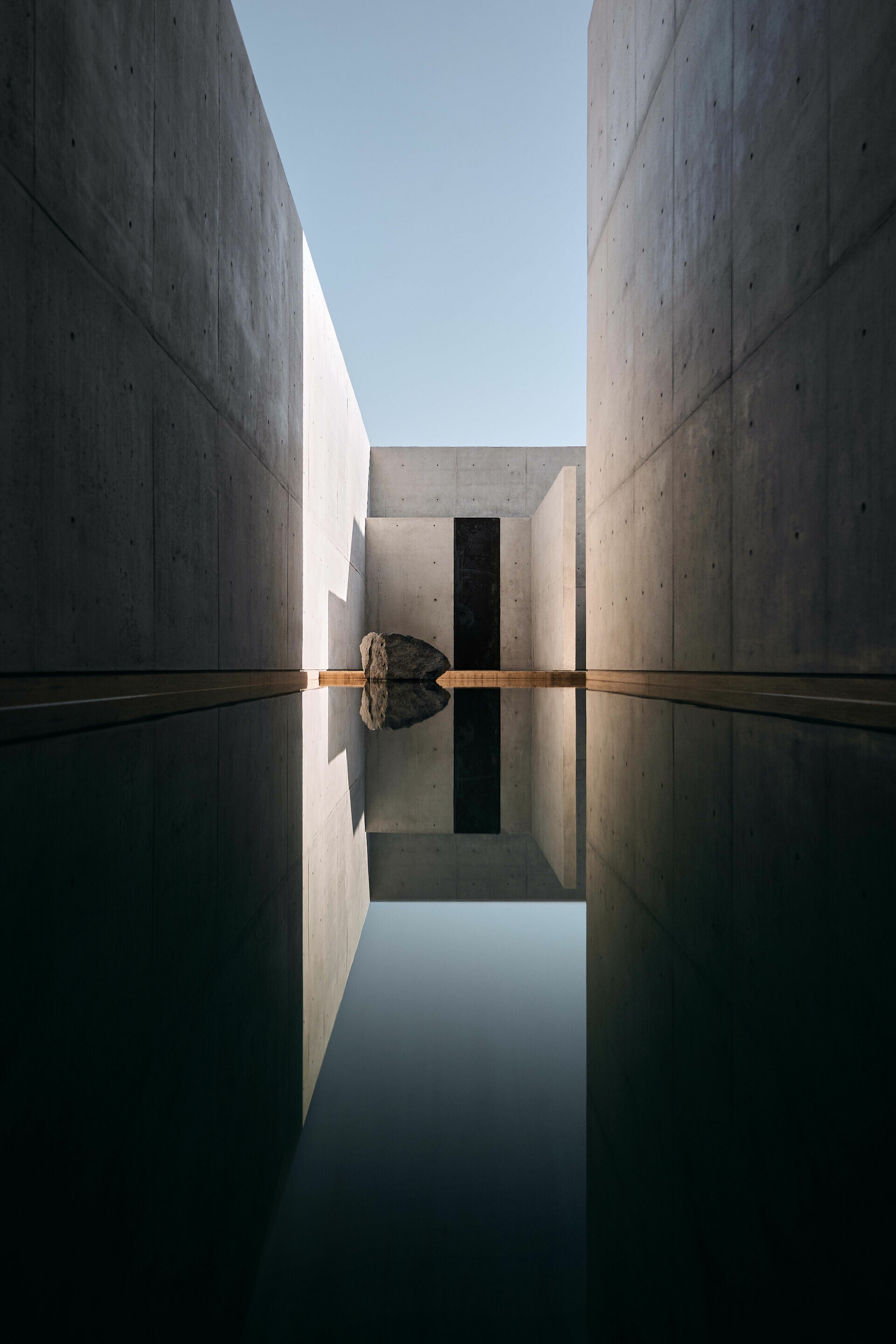
Here, intimacy is not created through enclosure, but through a space that encourages attentive perception. The architects turned the house away from direct views of neighboring homes, allowing an inward gentleness to emerge. The curved wall mediates the transition between public and private realms, while a single tree in the courtyard—standing with the poise of an elegant floral arrangement—offers a moment for thoughts to settle during rest. Walking into the courtyard and looking upward, one encounters an open sky, a release into calm held by the air around it.
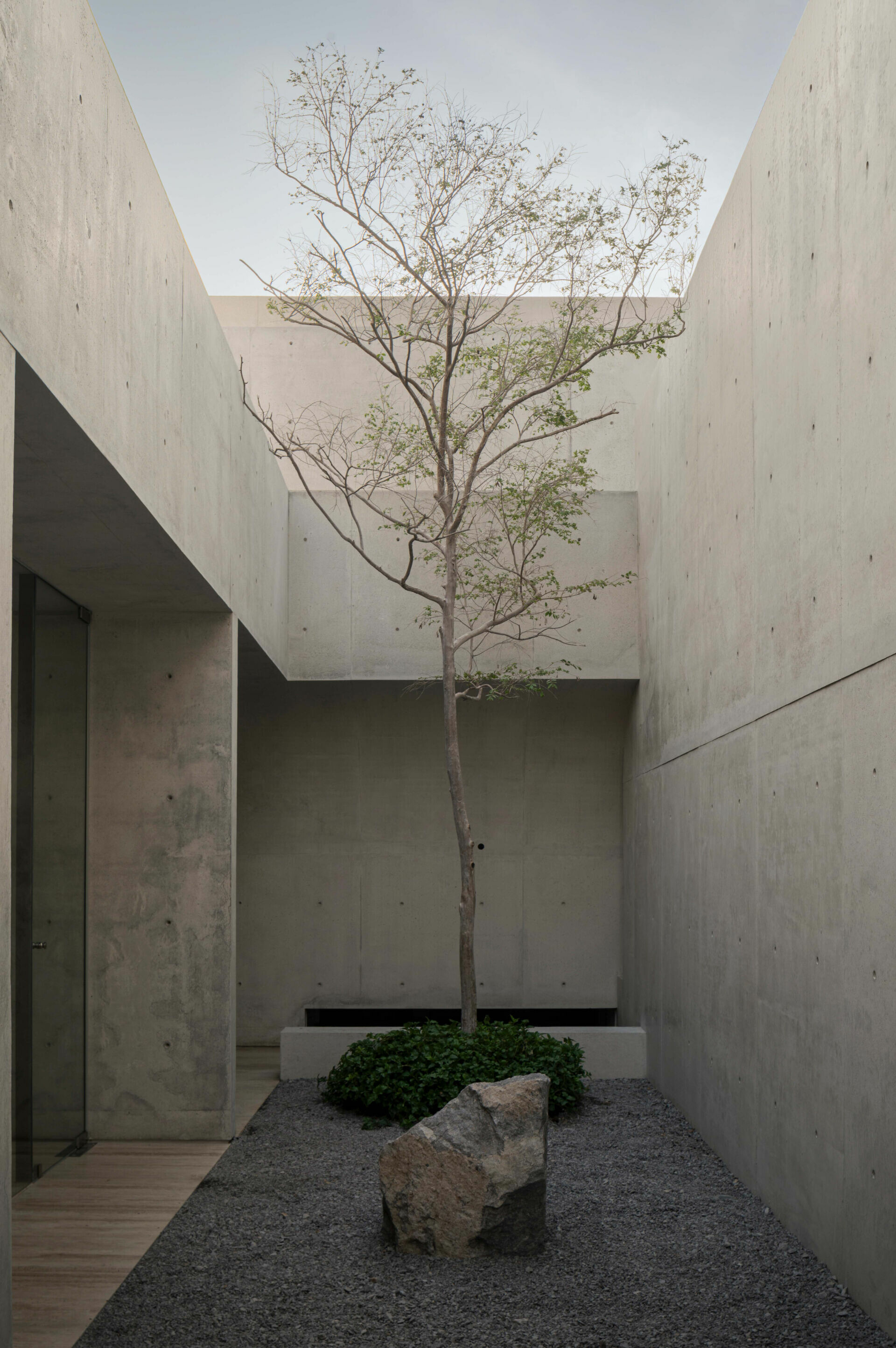
➤ Photography by Cesar Belio
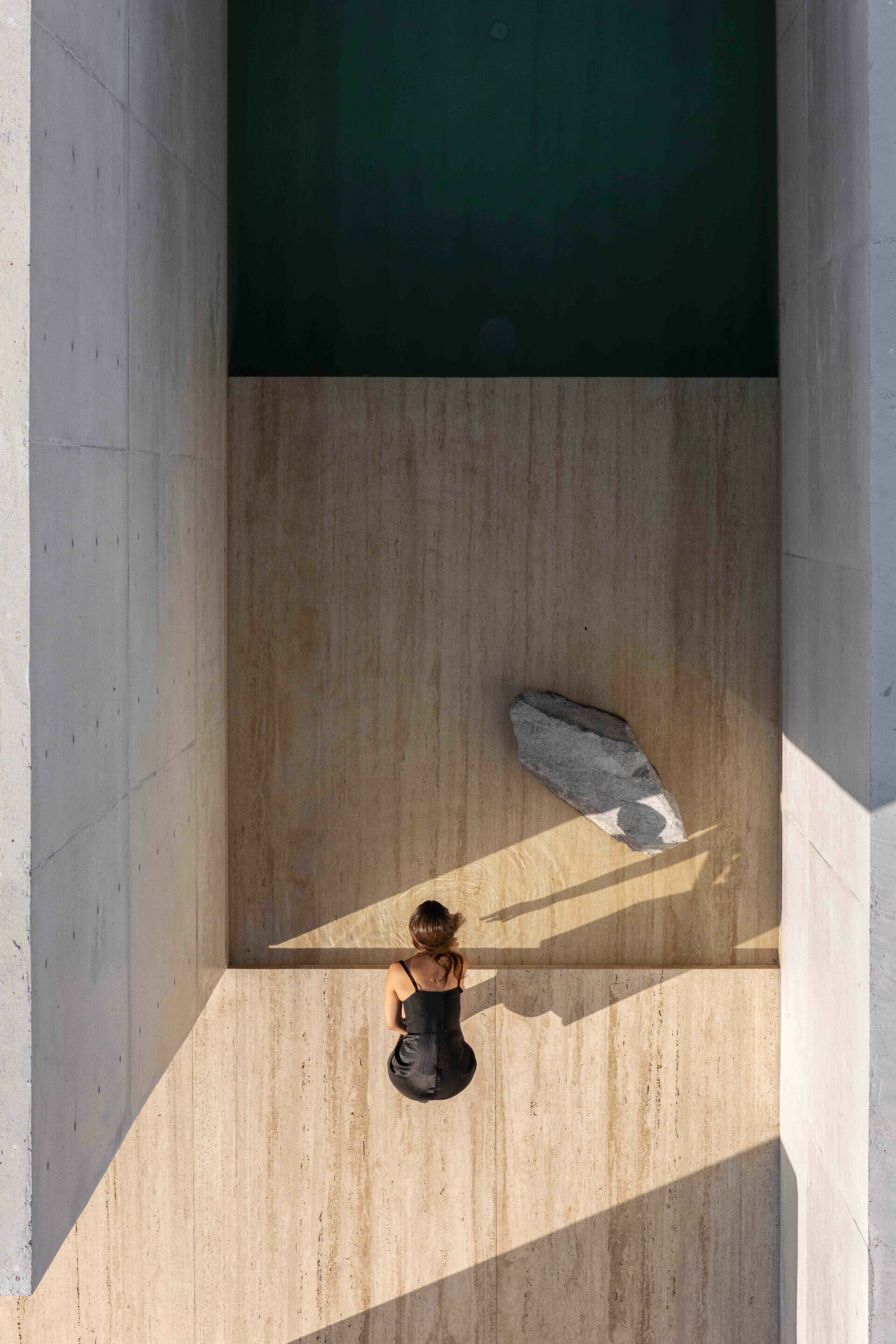
➤ Photography by Hugo Tirso Dominguez
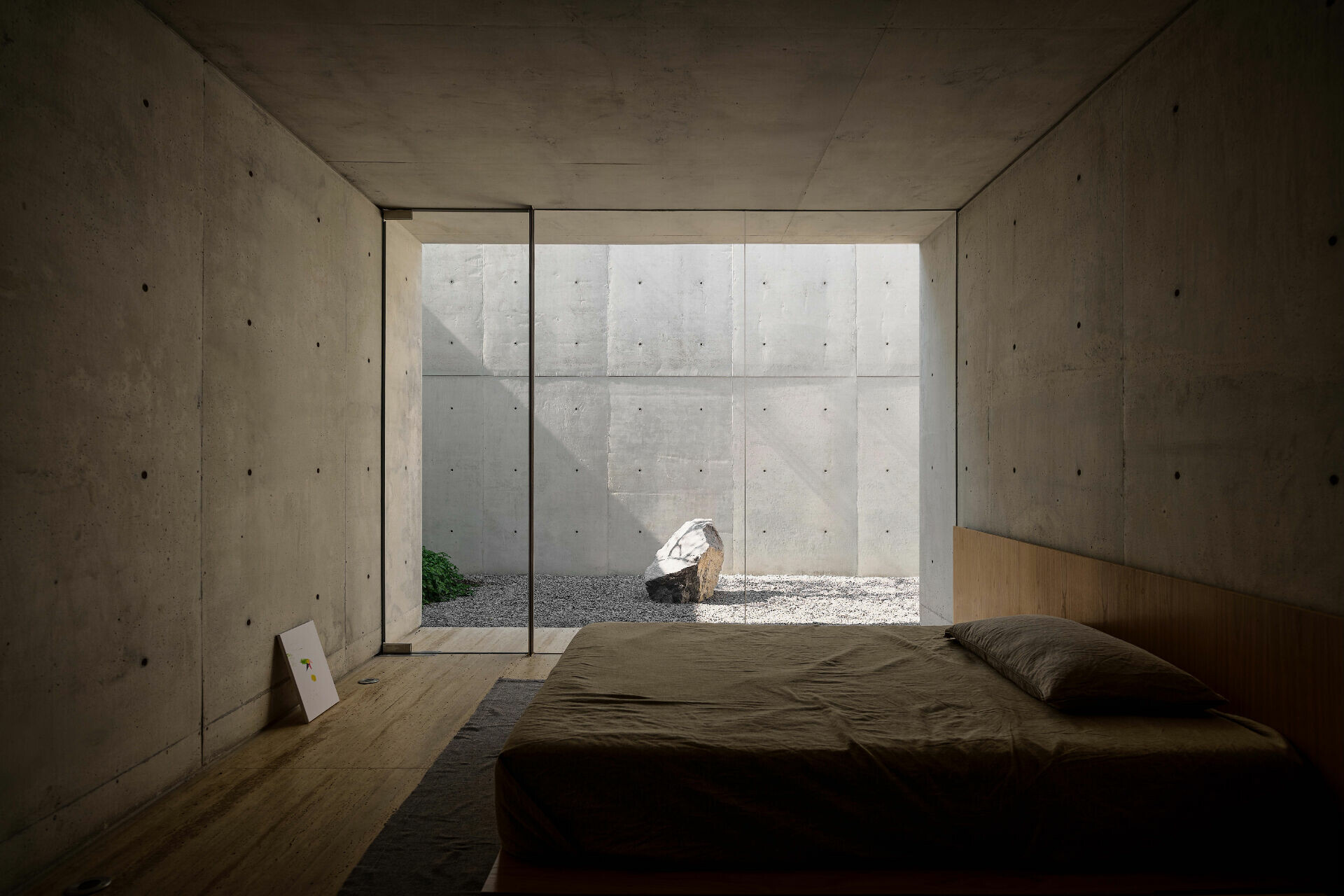
➤ Photography by Gustavo Quiroz
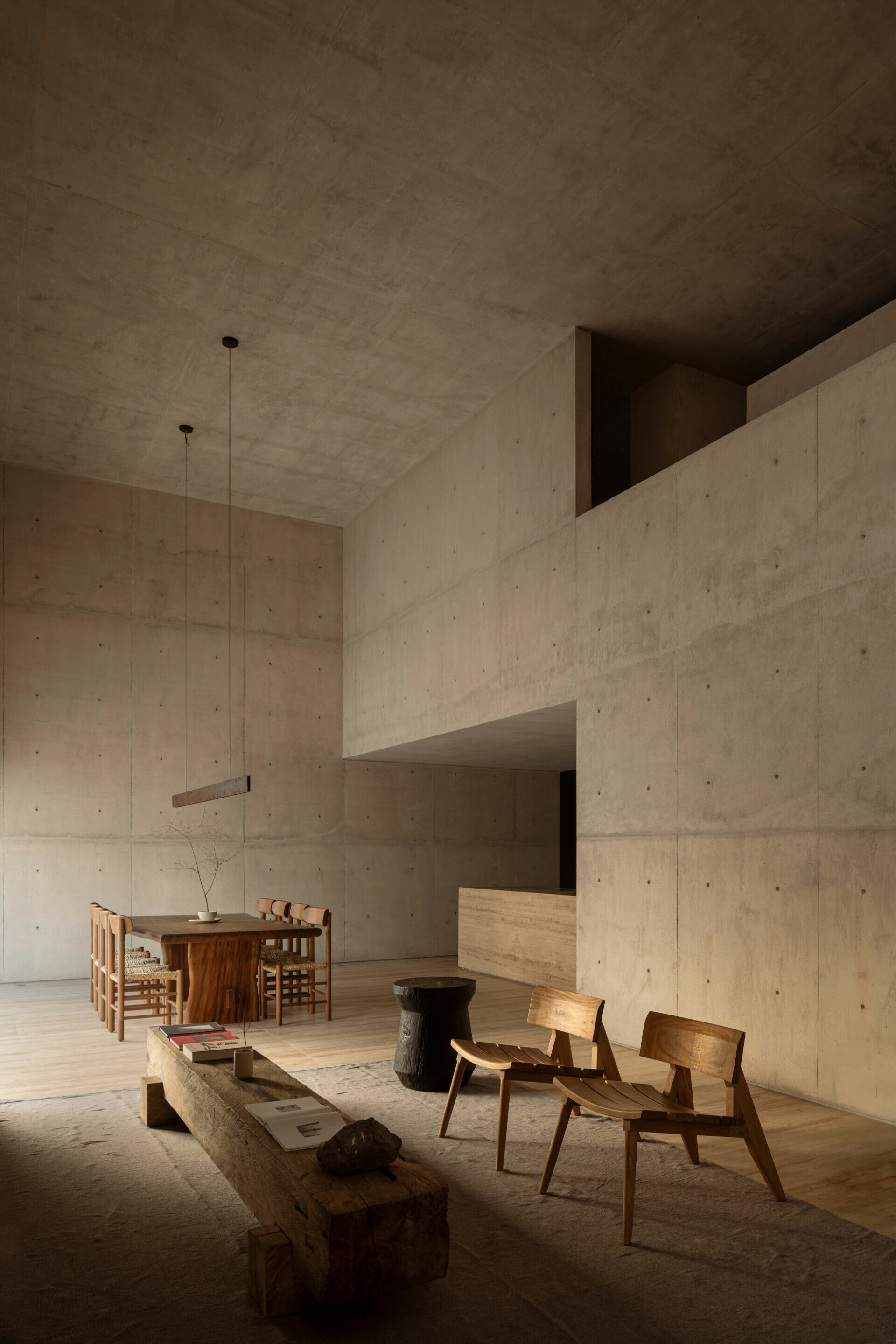
➤ Photography by Cesar Belio
➤ Photography by Hugo Tirso Dominguez
➤ Photography by Cesar Belio
➤ Photography by Gustavo Quiroz
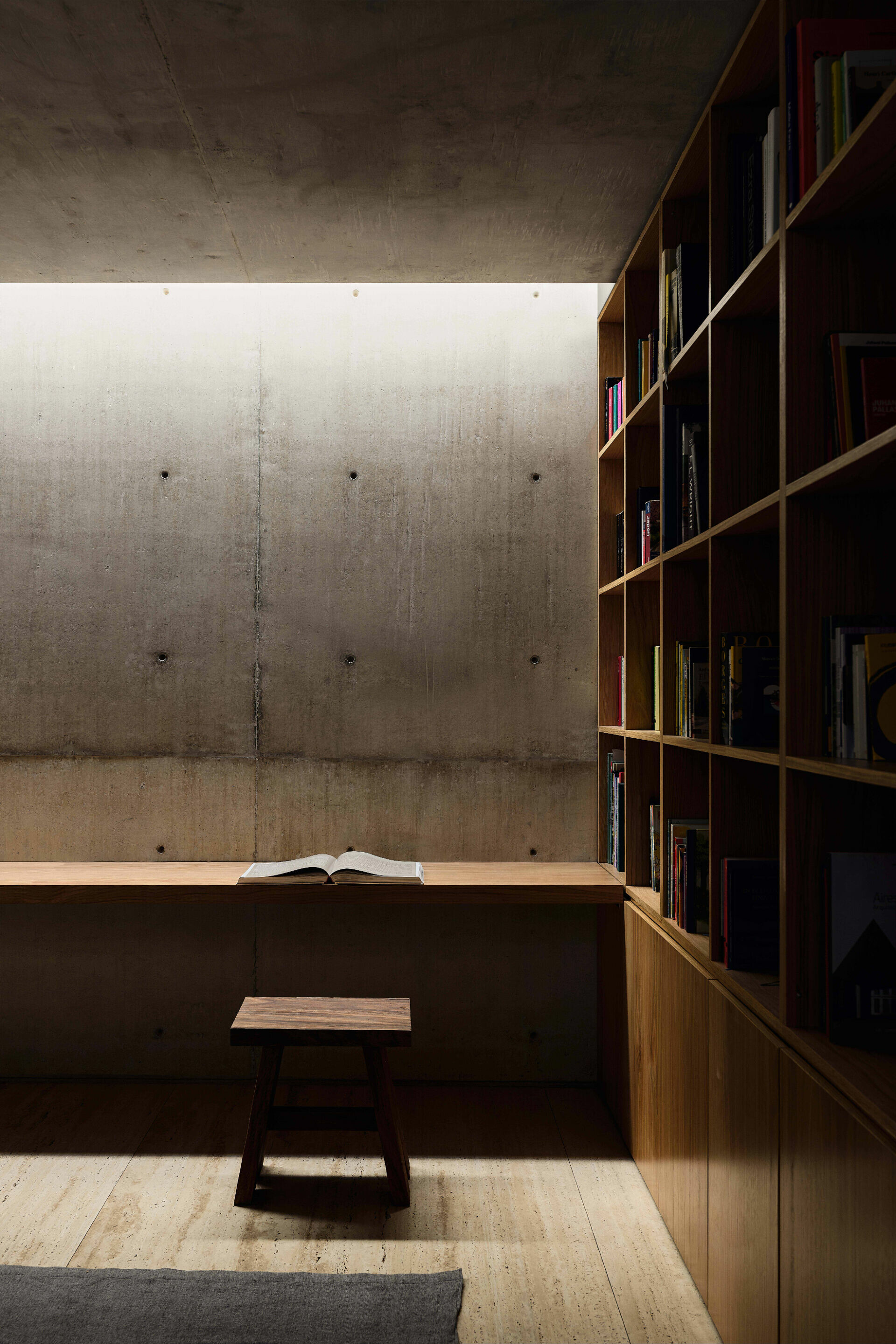
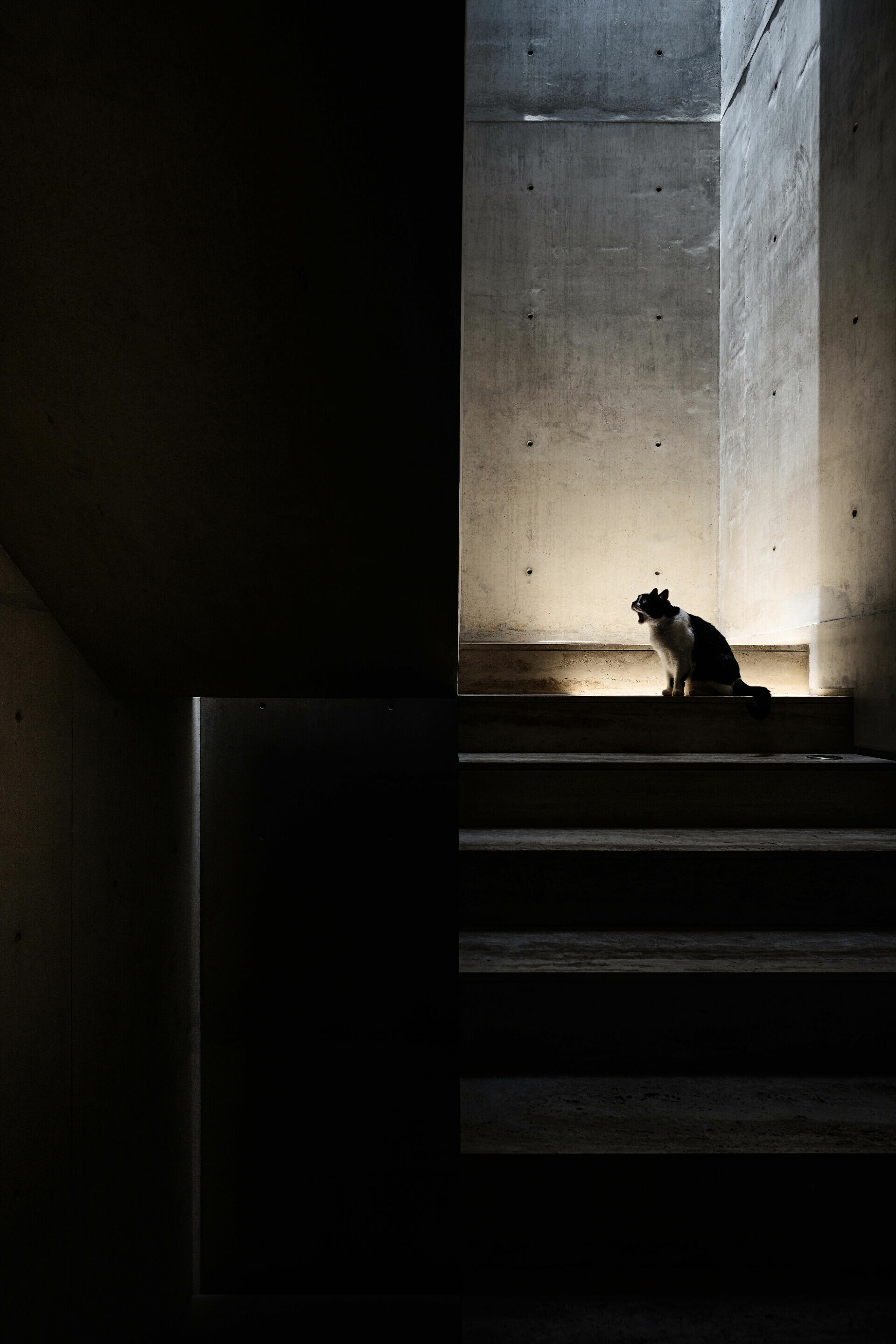
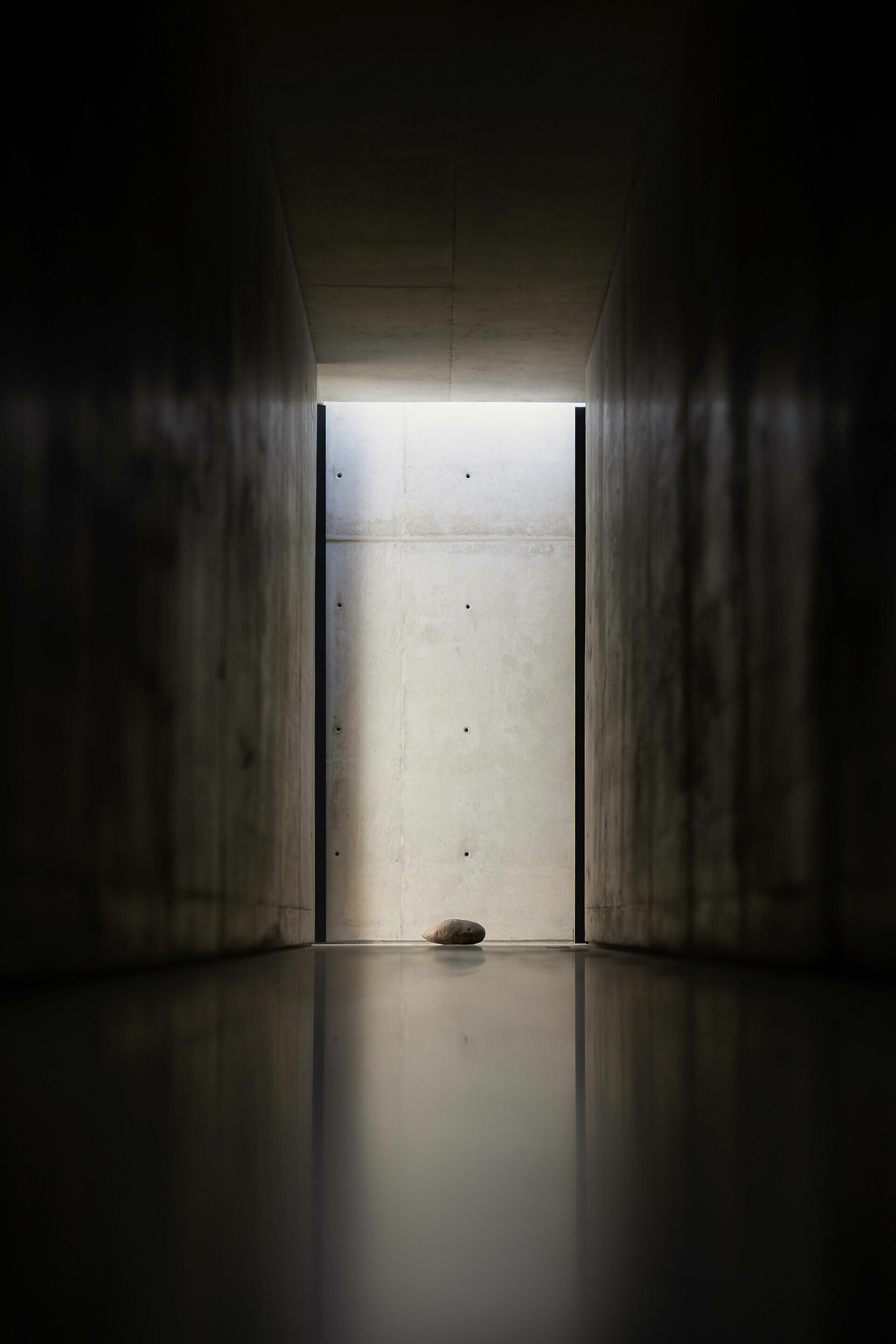
In Casa Tao, the deliberate pursuit of shadow becomes both shelter and poetry. It echoes the sensibility expressed by Jun’ichirō Tanizaki in In Praise of Shadows, where dimness is understood not as a lack of light but as a condition through which beauty reveals itself slowly. Here, the upright concrete walls—with their weight and unembellished texture—welcome light not as glare but as a gentle settling. Light gathers softly in each corner, forming a quiet, restrained sensory experience. In this stillness, the residents slow their pace, allowing themselves to perceive the subtle presence of what cannot be named.
➤ Photography by Gustavo Quiroz
➤ Photography by Gustavo Quiroz
➤ Photography by Gustavo Quiroz