Kyoto · Sento Machiya
Kyoto is often described as a city where past and present meet, yet the landscape it offers changes with the observer. Passing travellers, longtime residents and researchers embedded in its local industries each assemble a different Kyoto within this thousand-year former capital. For Abraham Lee of Abraham Architecture & Interior Design, the city has taken shape through small observations gathered from daily life, professional practice and walks through its streets. In the prose of Japanese novelist Yasunari Kawabata, Lee discerned Kyoto’s cultural identity and tensions amid historical change, as well as the beauty of mono no aware as it deepens with the seasons. From Tang and Song verse, he traced exchanges between Chinese literati, Japanese envoys to Tang China and Zen monks, coming to understand how Kyoto moved from modelling itself on Tang culture at its height toward a spirit of self-renewal and innovation. Even the koi moving through clear roadside drainage channels suggested to him a civic refinement passed down from one generation to the next. These encounters gradually formed the ground of Lee’s aesthetic thinking. They later informed Heritage Life’s Kyoto hospitality spaces and, more quietly, inspired the owners of Kyoto Sento Machiya. Through the renewal of an old house, the project became another response to Kyoto’s urban aesthetic.
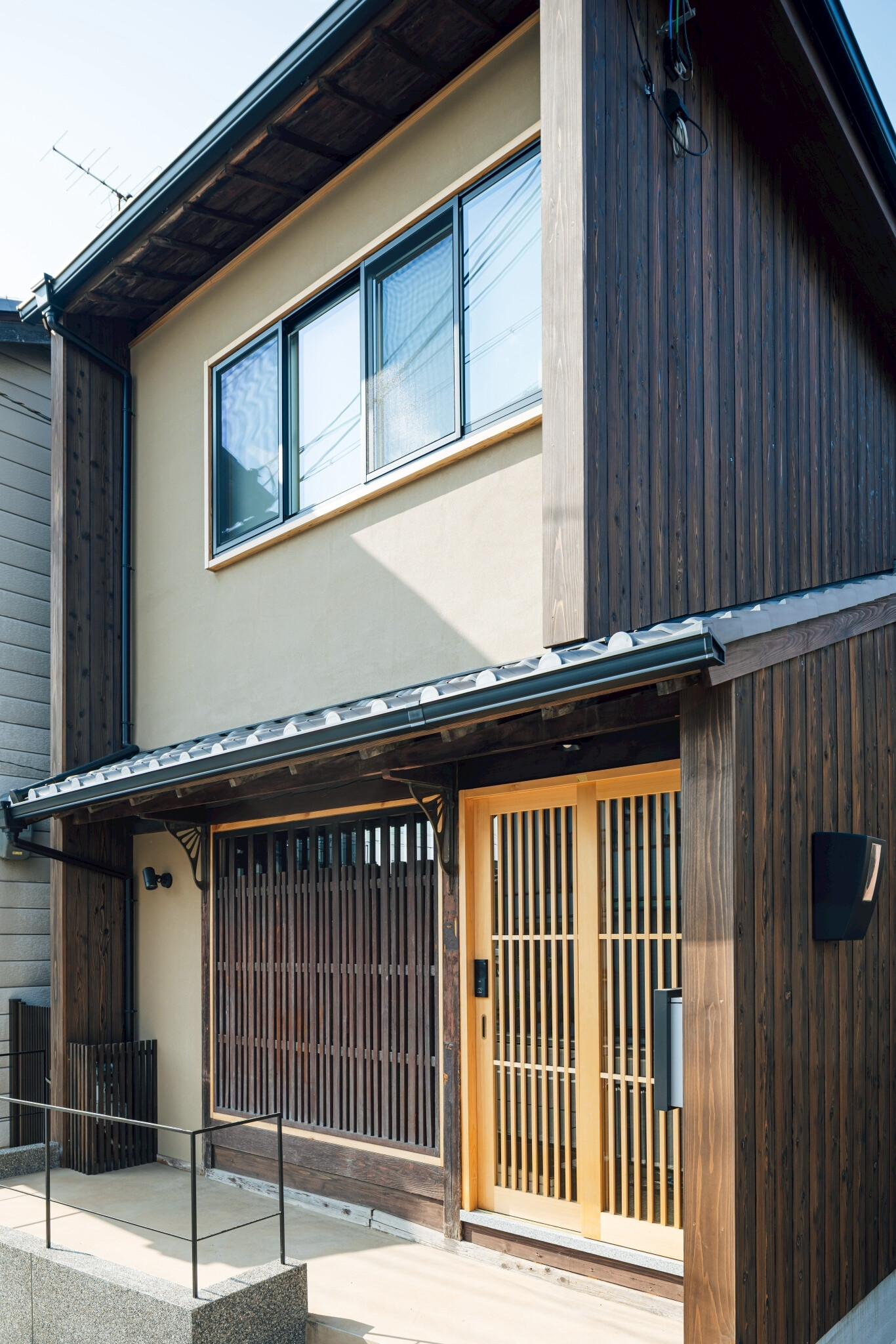
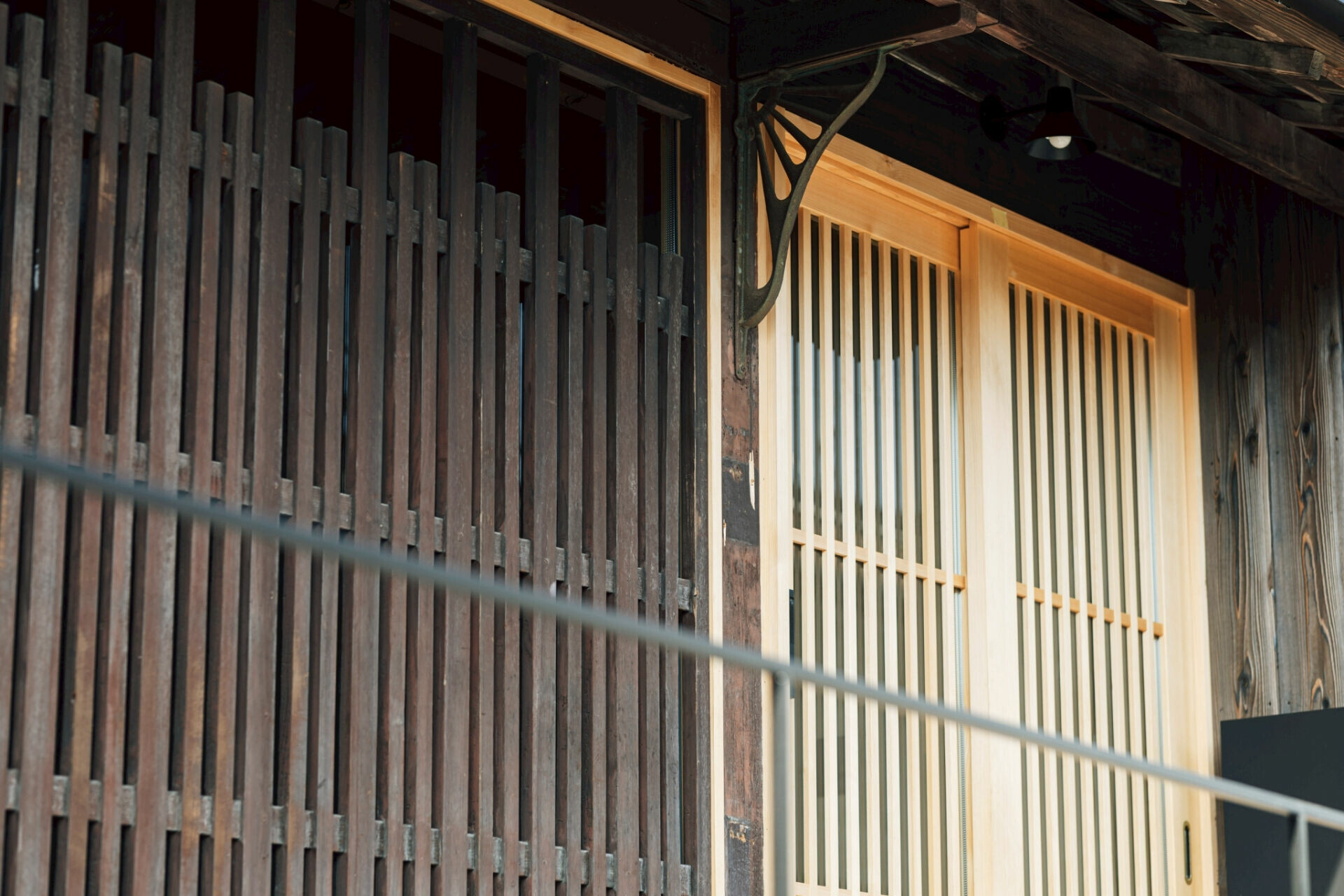
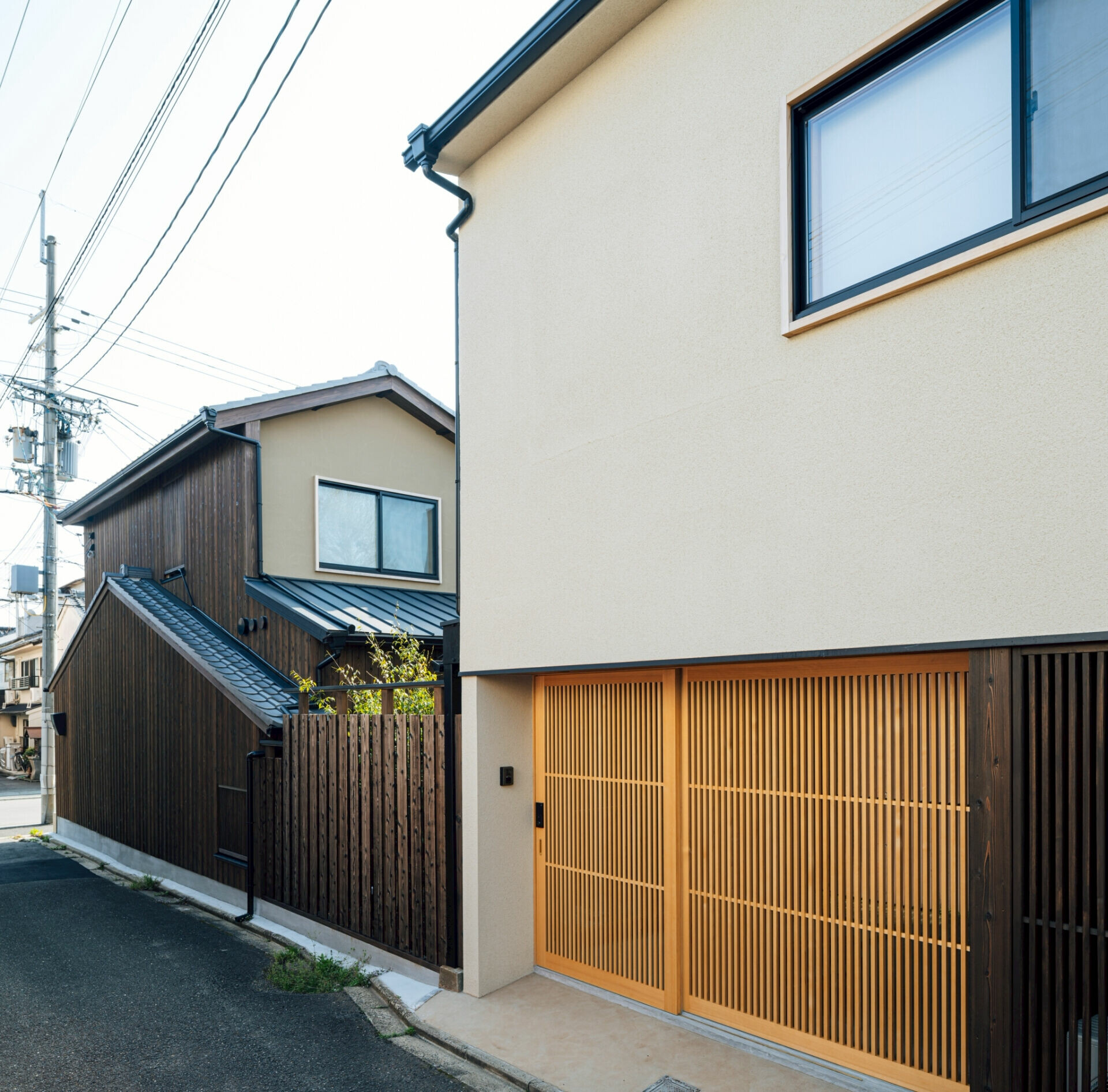
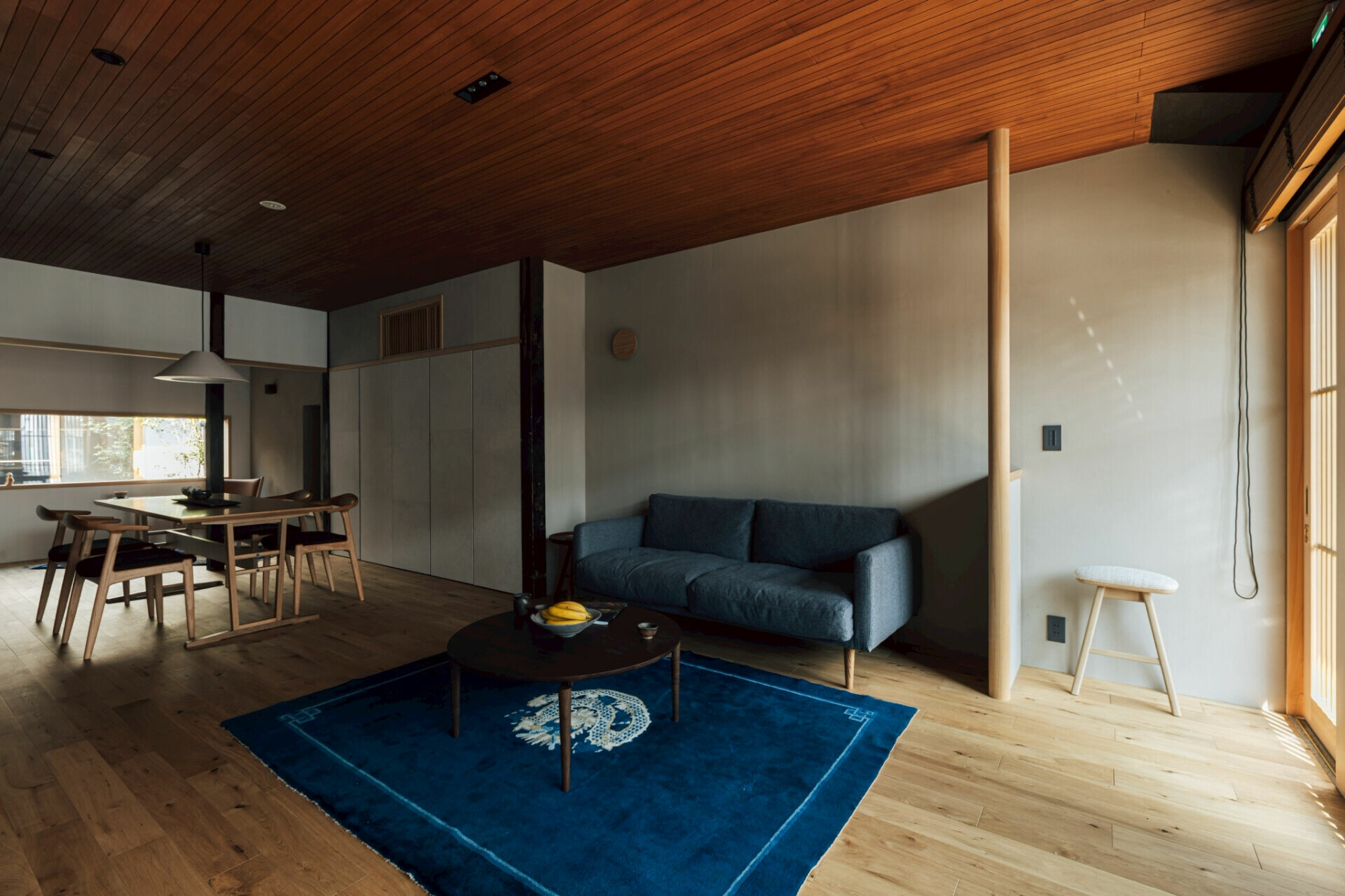
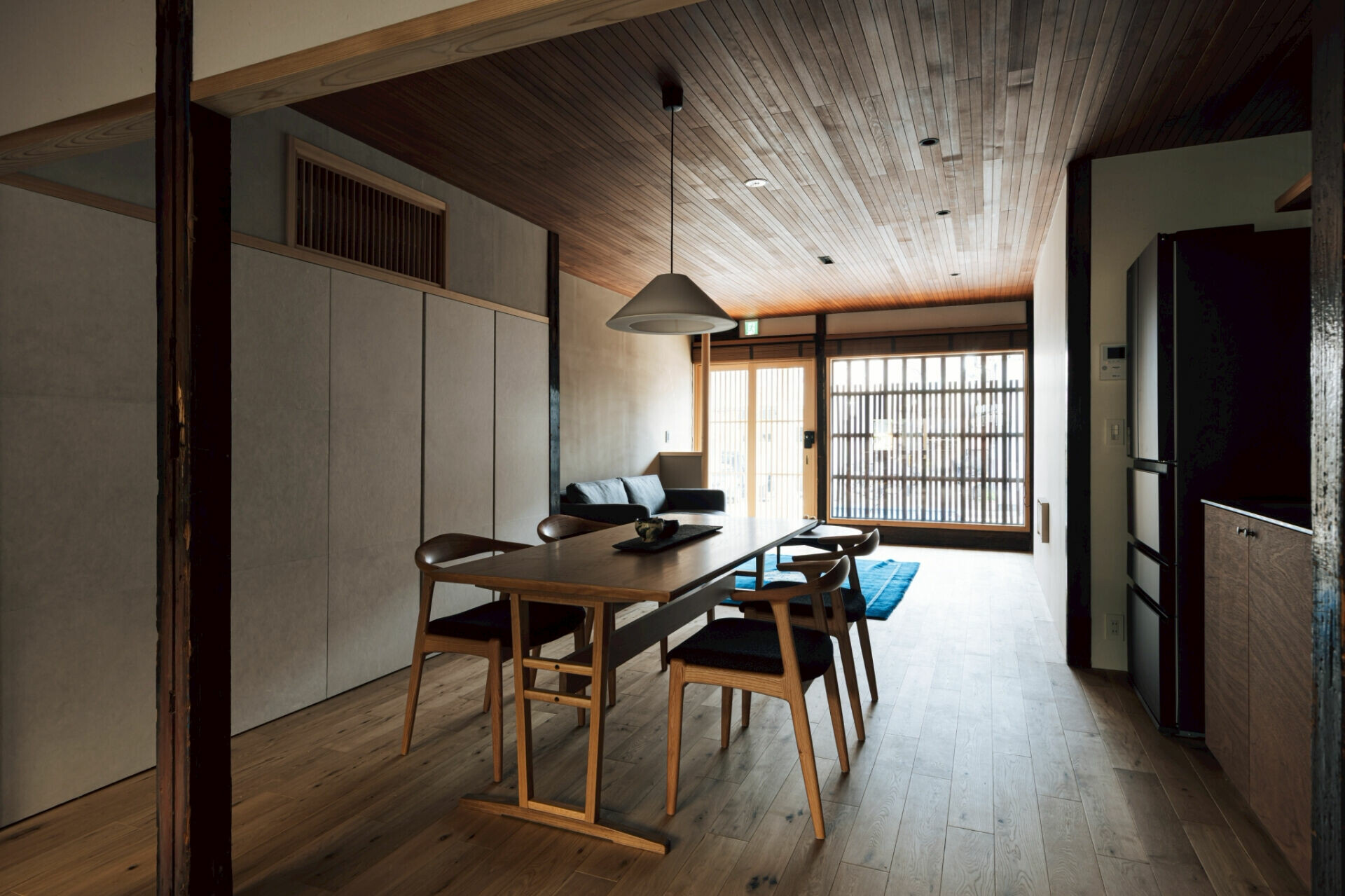
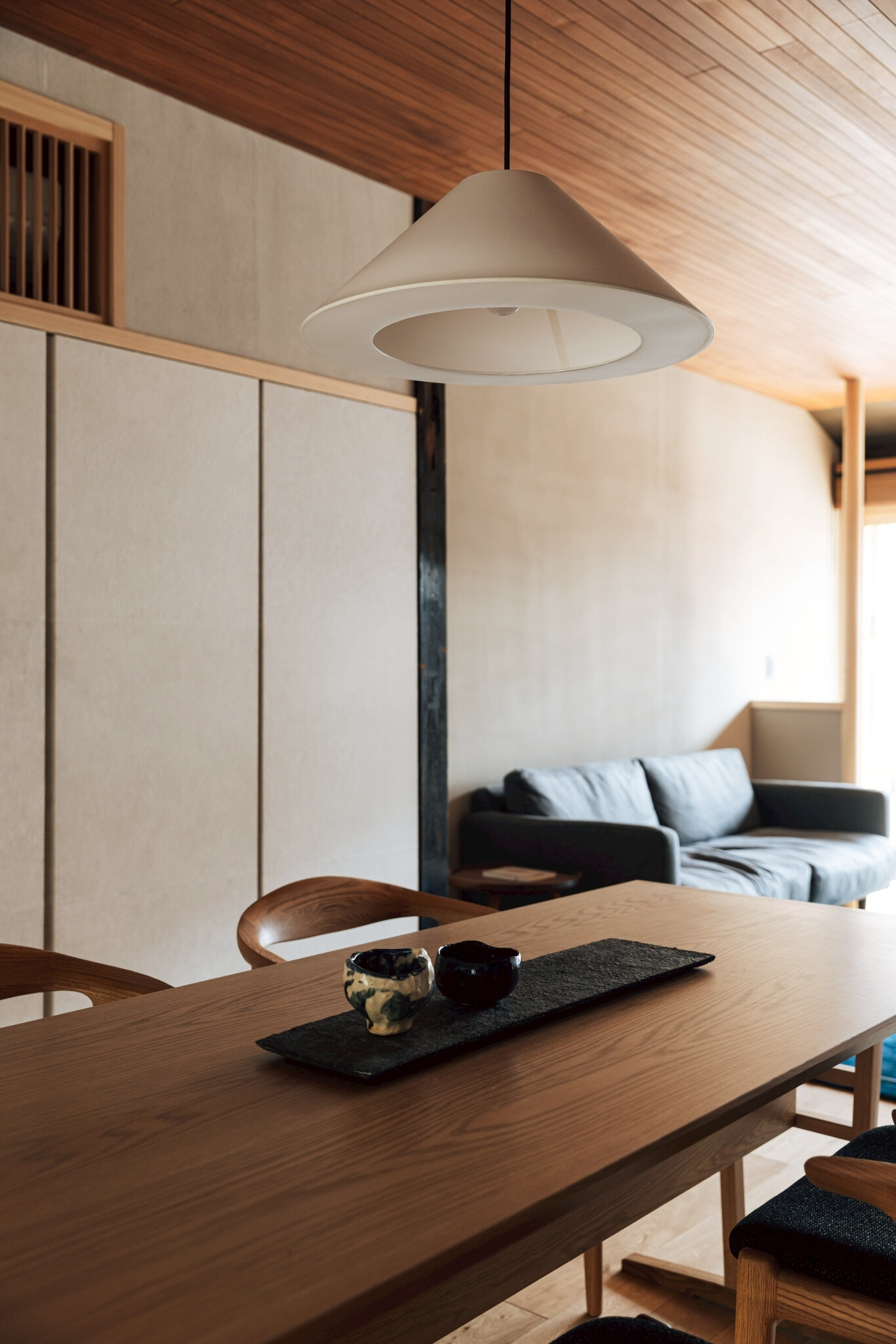
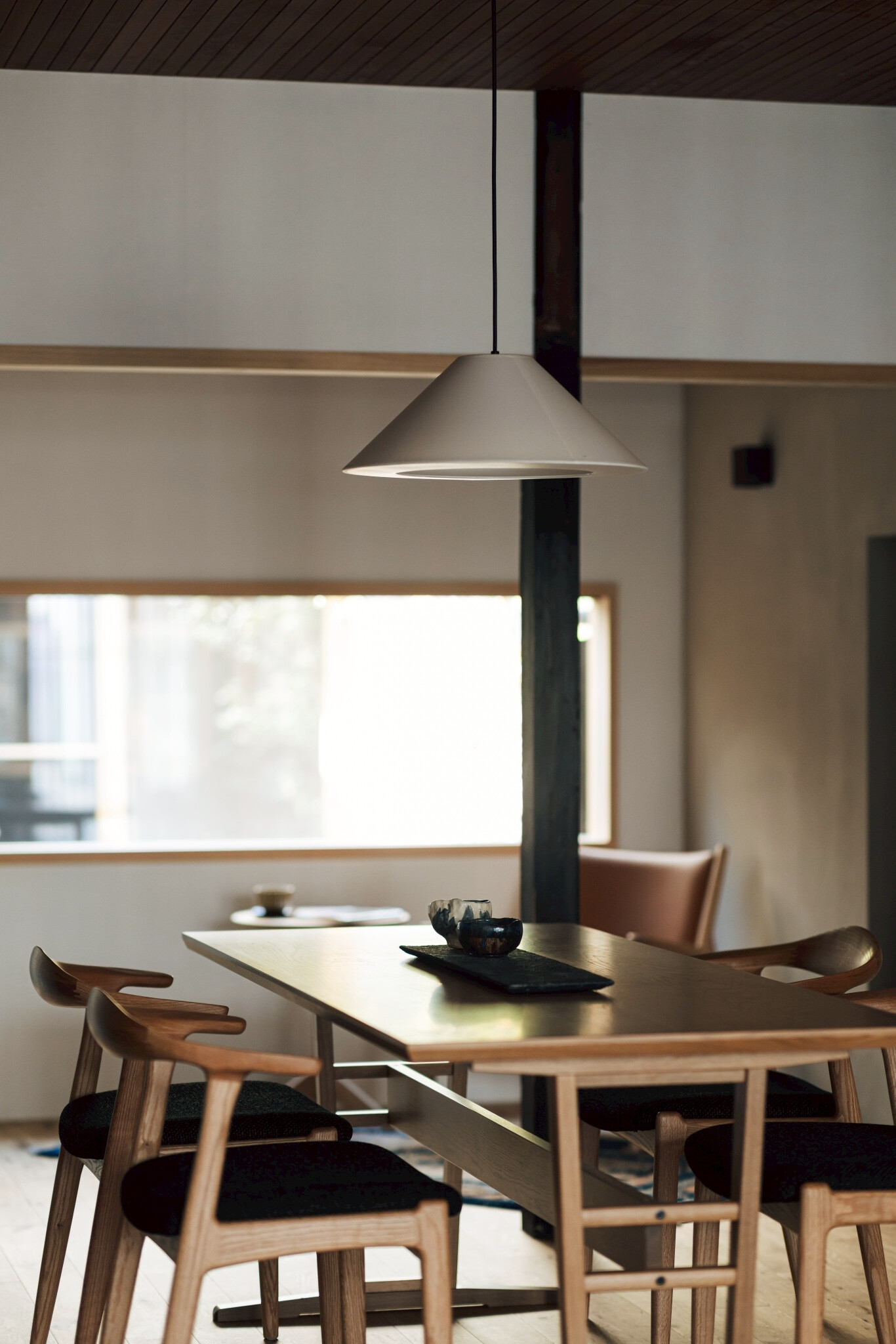
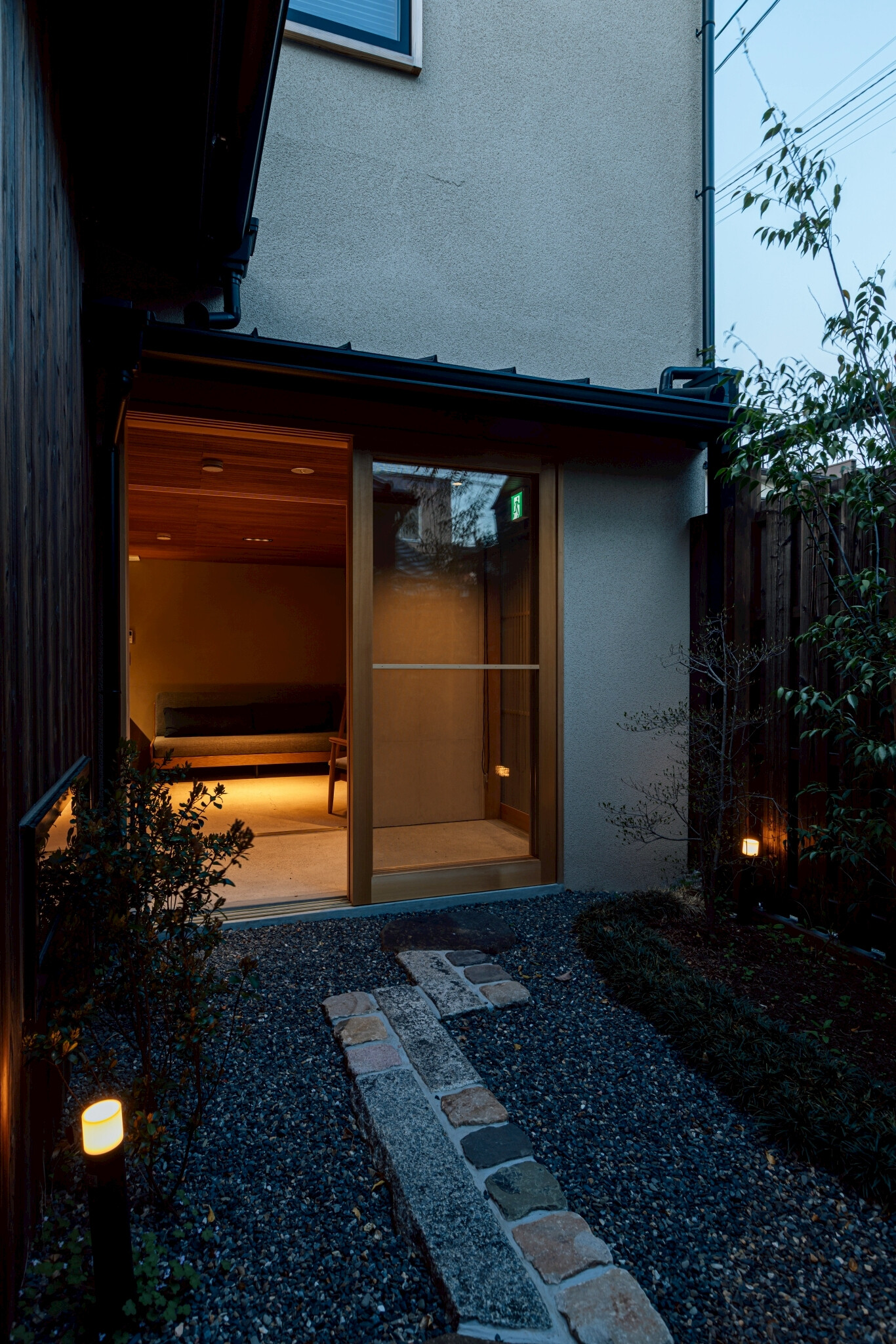
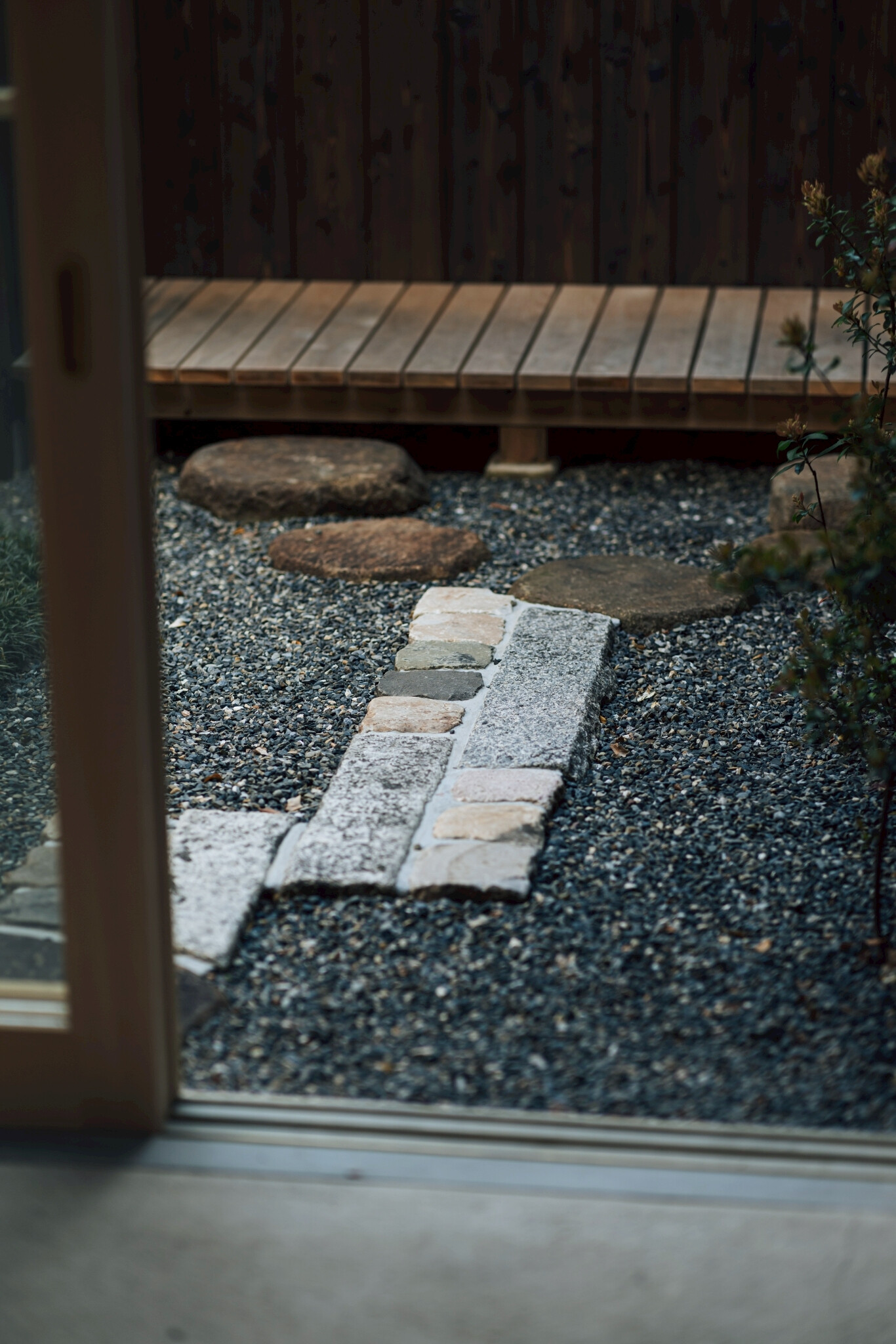
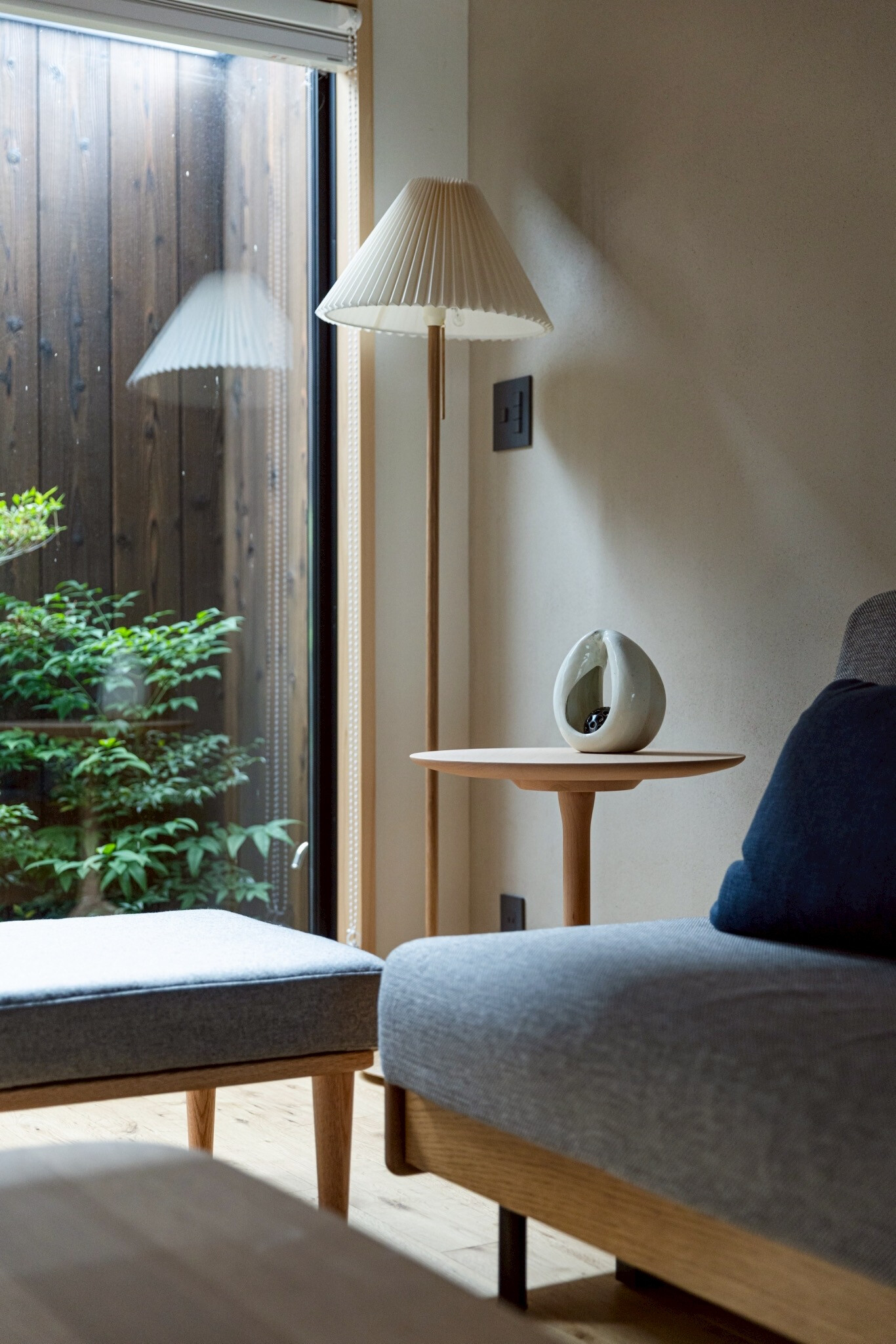
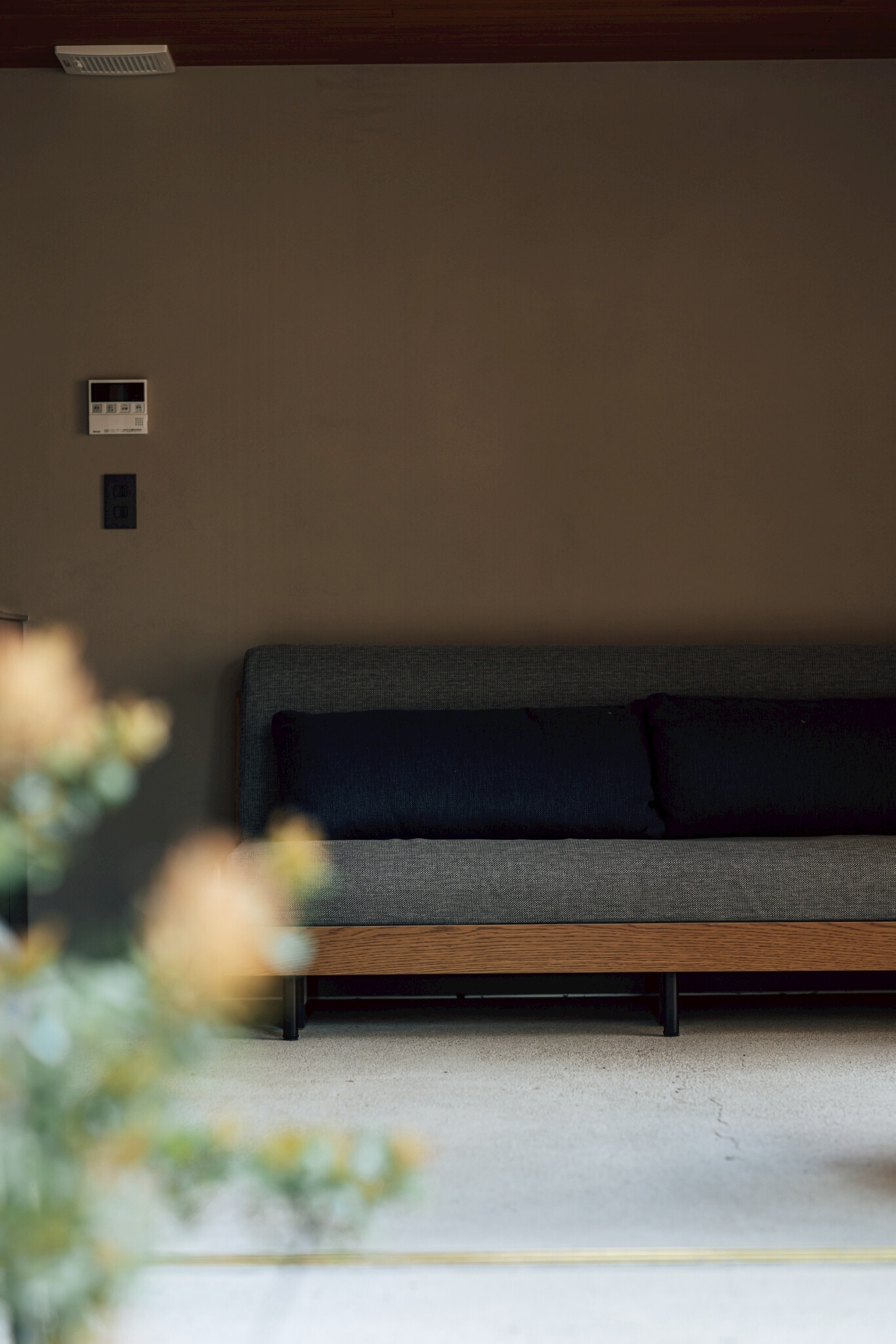
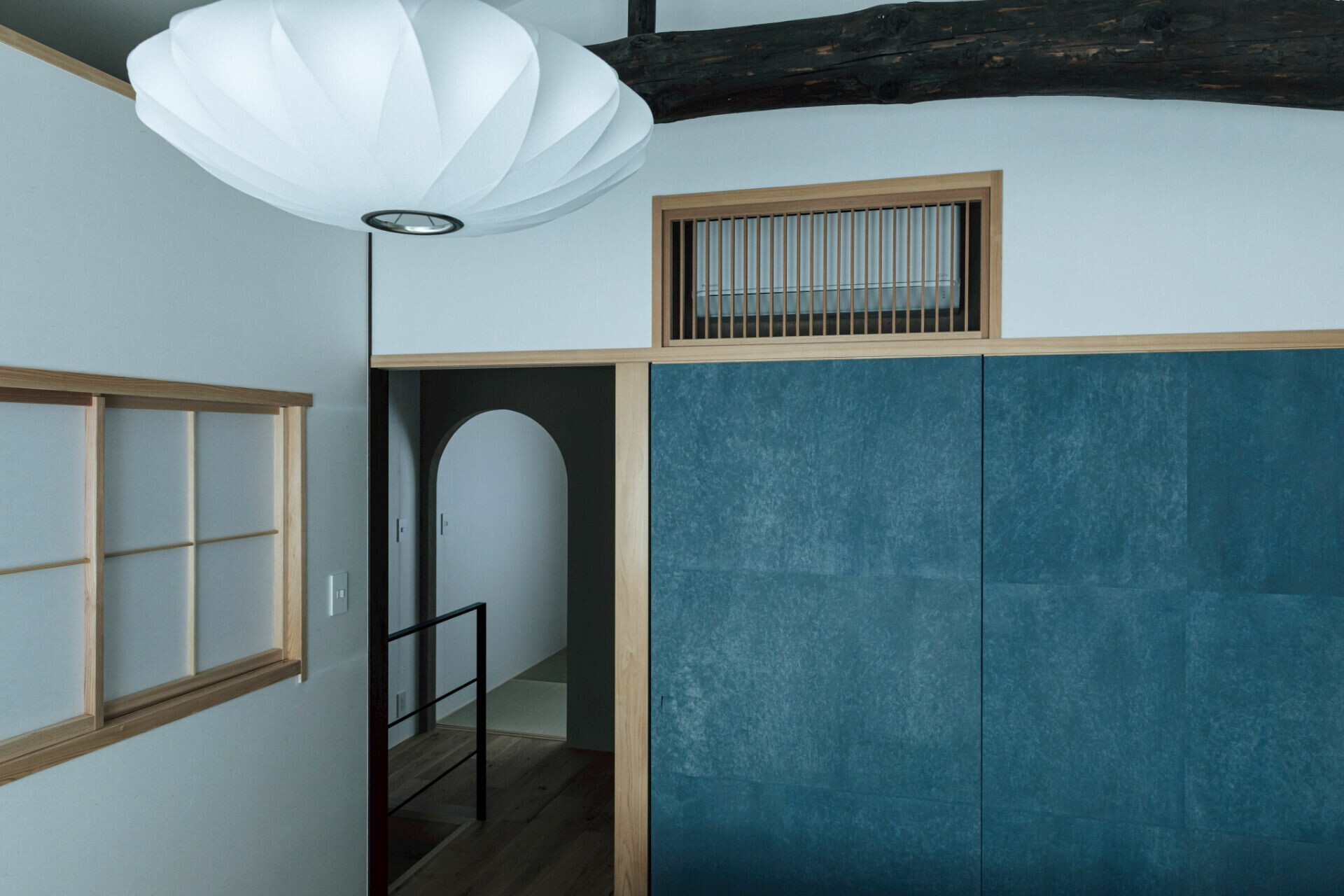
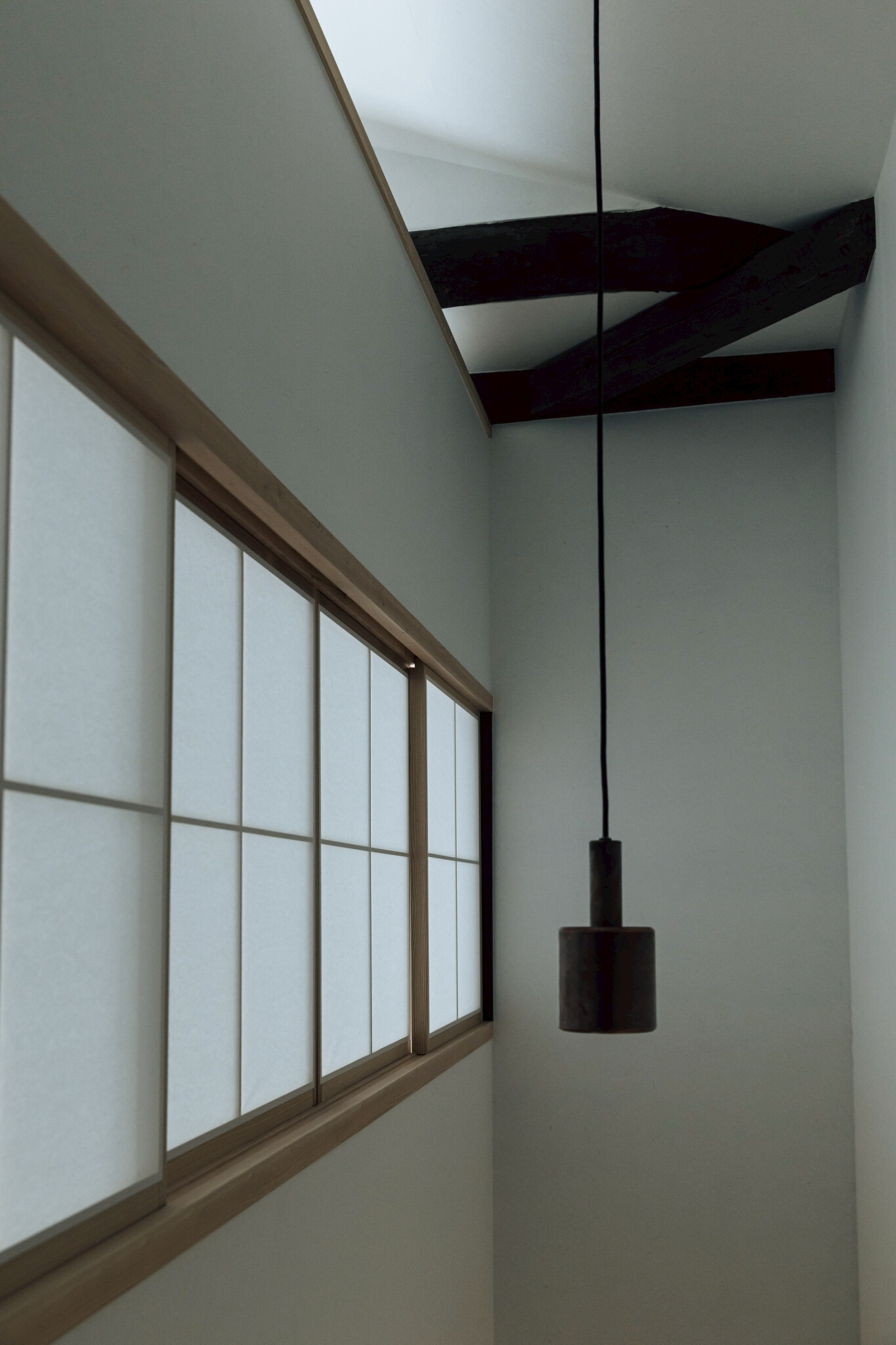
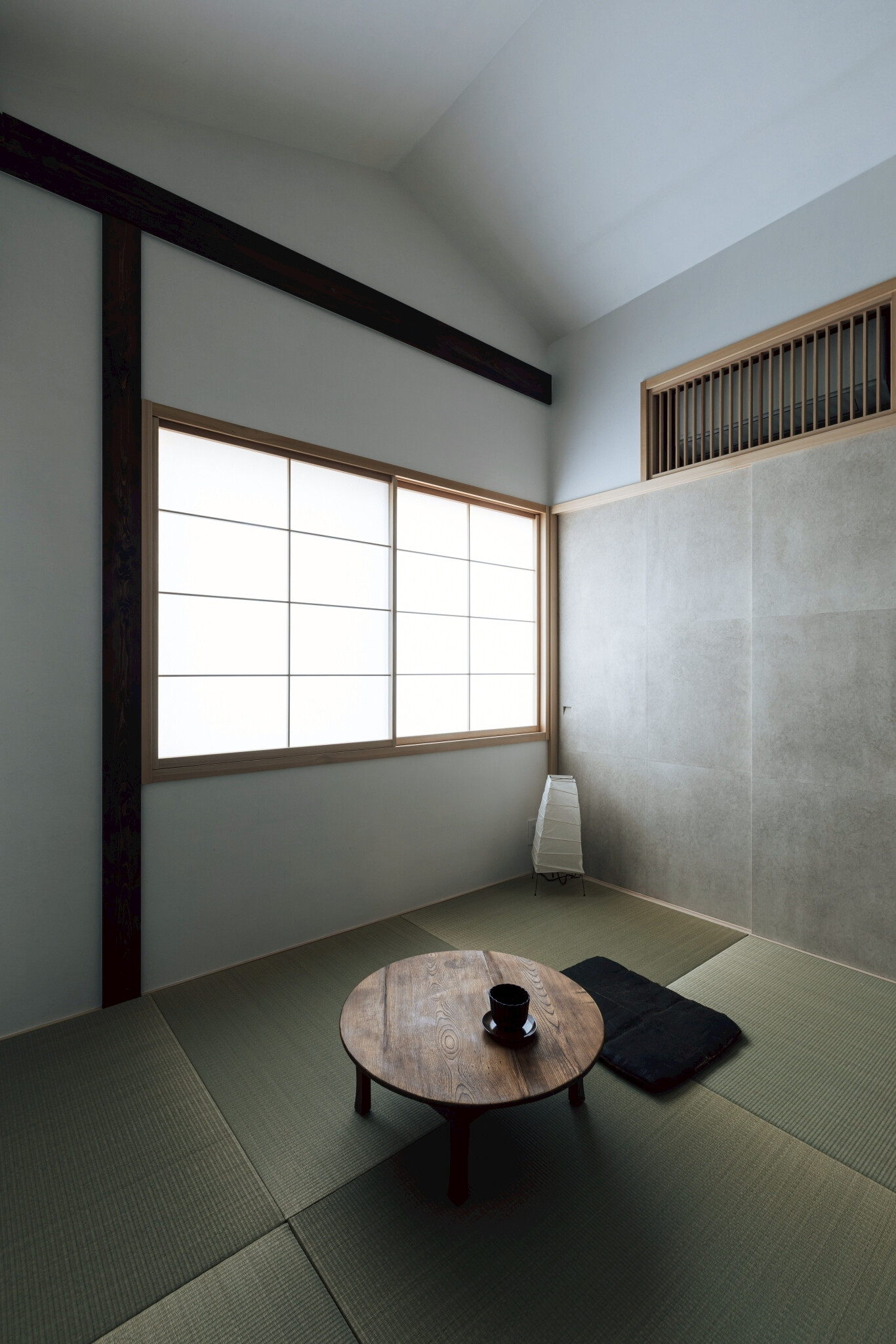
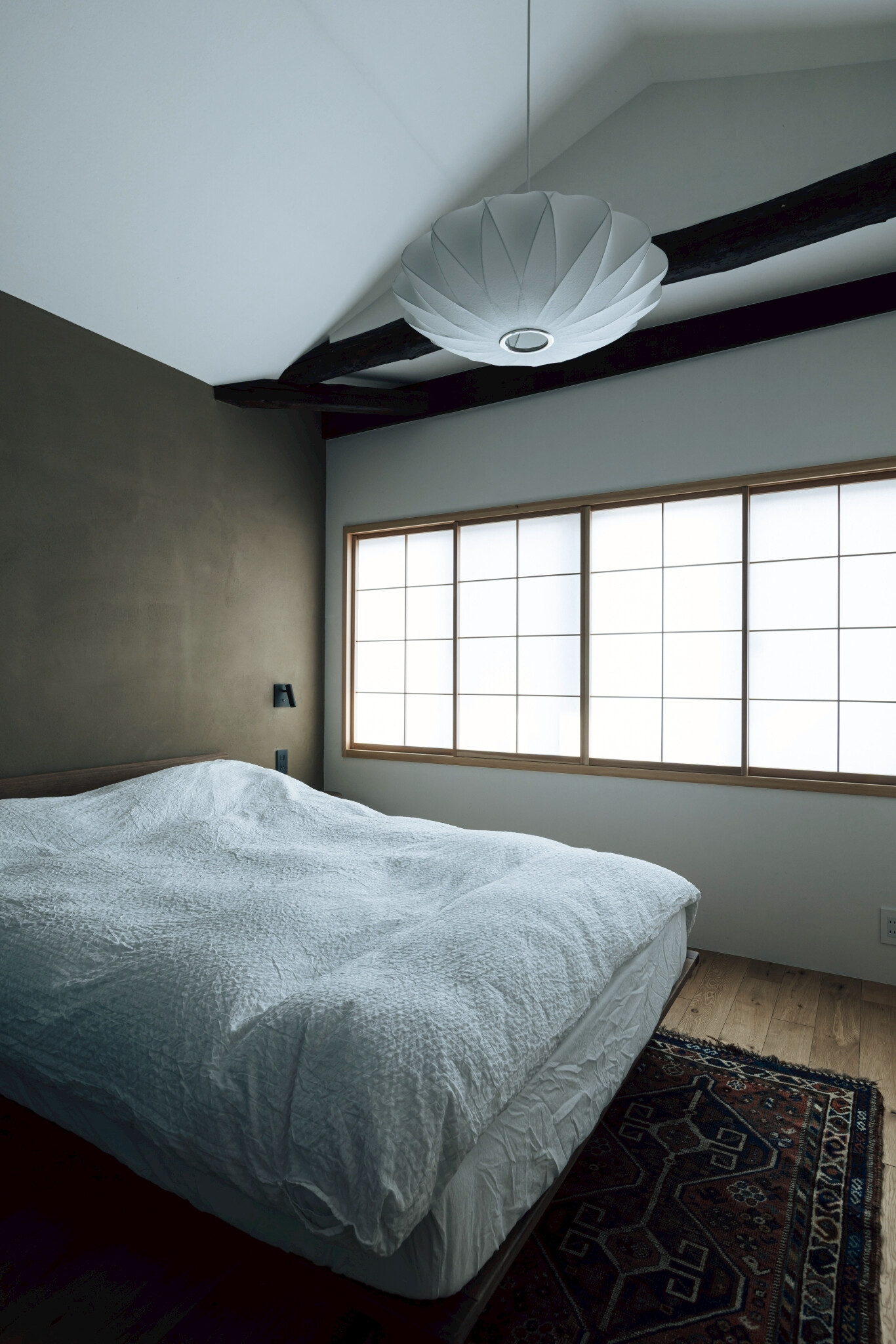
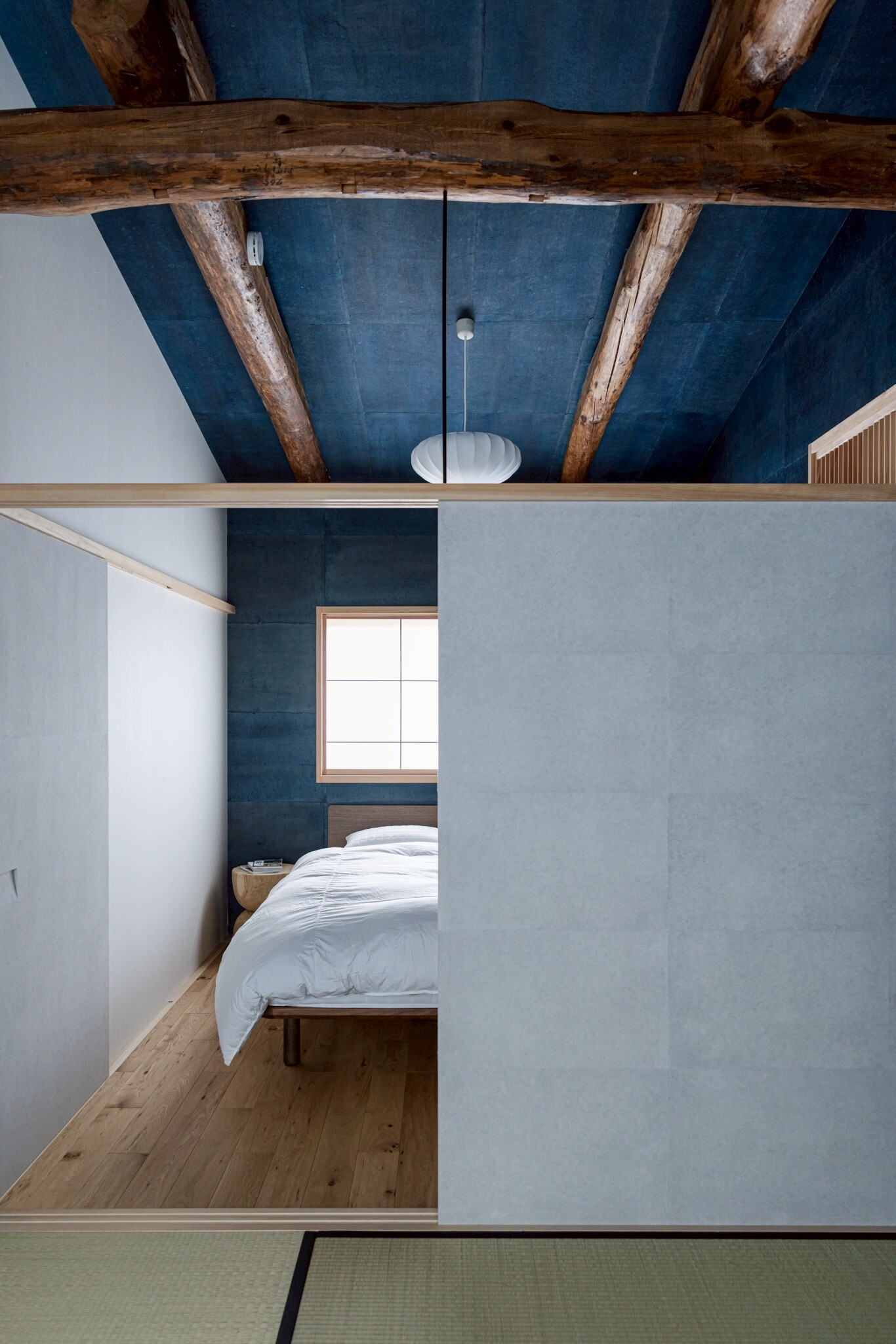
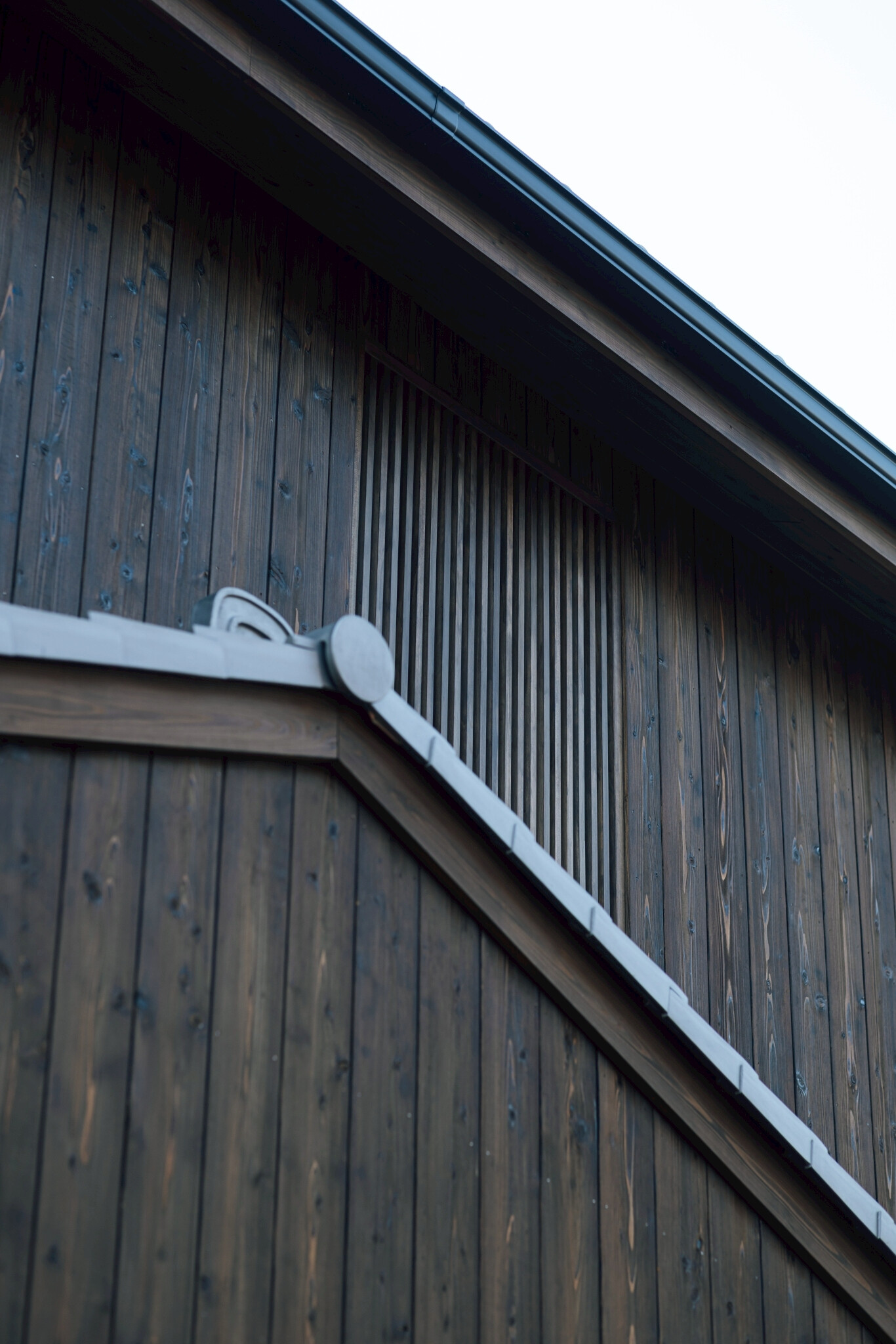
What began as a simple trip to Kyoto unexpectedly led a family from Zhongli, Taoyuan, Taiwan, into an exploration that crossed borders and disciplines. Even Lee had not expected the family to acquire a century-old Kyo-machiya townhouse and turn it into a quiet place to return to: a home where they could live together and where travellers could pause and rest. Their aim was to carry forward the warmth and stillness they had first felt at Heritage Life in Kyoto. Long based in Kyoto, Lee searched the lanes of its residential neighbourhoods for the right property. He eventually found Kyoto Sento Machiya, a generously scaled house composed of two connected buildings that immediately felt right to the owners. To Lee, buying a house meant, in some measure, inheriting a piece of the city. Faced with the exterior, materials and spatial order of this traditional Kyoto machiya, he chose not to pursue a literal restoration that would make the old merely old. Instead, he turned Kyoto’s capacity to absorb innovation into a design language. Contemporary living functions and a refined aesthetic were introduced, while the time-worn fabric of the historic building was read anew. Old and new elements were allowed to coexist naturally, carrying the house into another century of life.