➤ PLOTA Photography by MaximeDelvaux
Pearling Path Car Parks
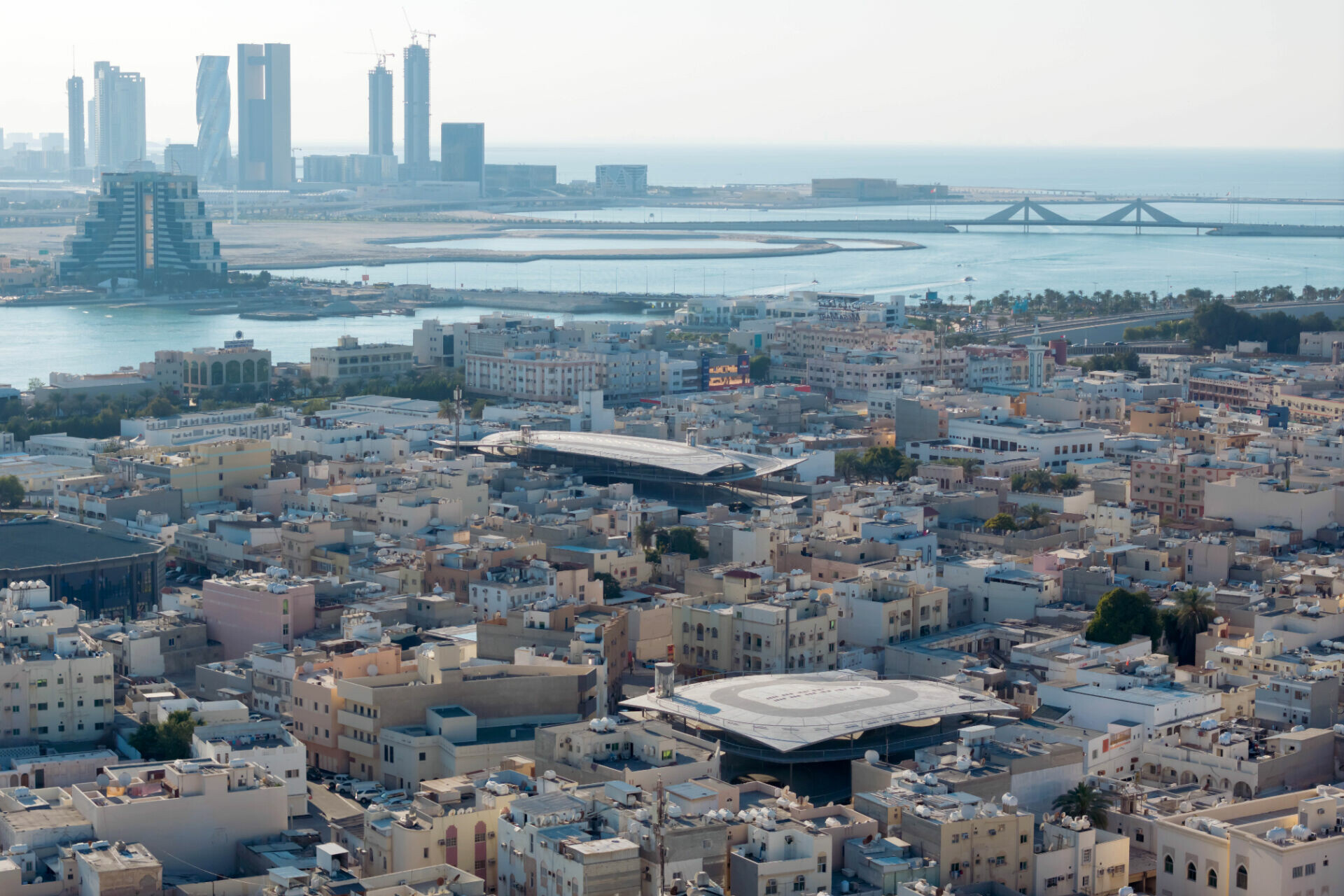
Amid the narrow streets of Muharraq—an old city shaped by the sea breeze of the Persian Gulf and steeped in cultural memory—the story of Bahrain’s pearling past continues to unfold. The aged façades seem to breathe: in the dense texture of coral-stone masonry, one can almost sense the salt absorbed by the lime plaster, while carved timber latticework filters the light and air. Within this historic fabric, four newly built car parks have quietly infused the old city with renewed vitality.
➤ Photography by IwanBaan
➤ PLOTC Photography by MaximeDelvaux
Inscribed on the UNESCO World Heritage List in 2012 under the title Pearling, Testimony of an Island Economy, the Pearling Path is a three-kilometre urban trail connecting the island’s coastline, historic quarters, and a constellation of architectural sites. It bears witness to the prosperity and decline of Bahrain’s pearling industry between the nineteenth and early twentieth centuries. The four car parks designed by Swiss architect Christian Kerez form an integral part of this broader revitalisation project.
➤ PLOTA Photography by MaximeDelvaux
These four buildings subtly redefine the meaning of urban infrastructure. Through a design language that is both restrained and contemporary, Kerez engages in a dialogue with the city’s layered past, giving material form to the idea of cultural renewal. Rather than erasing the voids within Muharraq’s dense medieval fabric, the project amplifies and extends them—turning absence into a framework for public life.
➤ PLOTA Photography by MaximeDelvaux
➤ PLOTA Photography by MaximeDelvaux
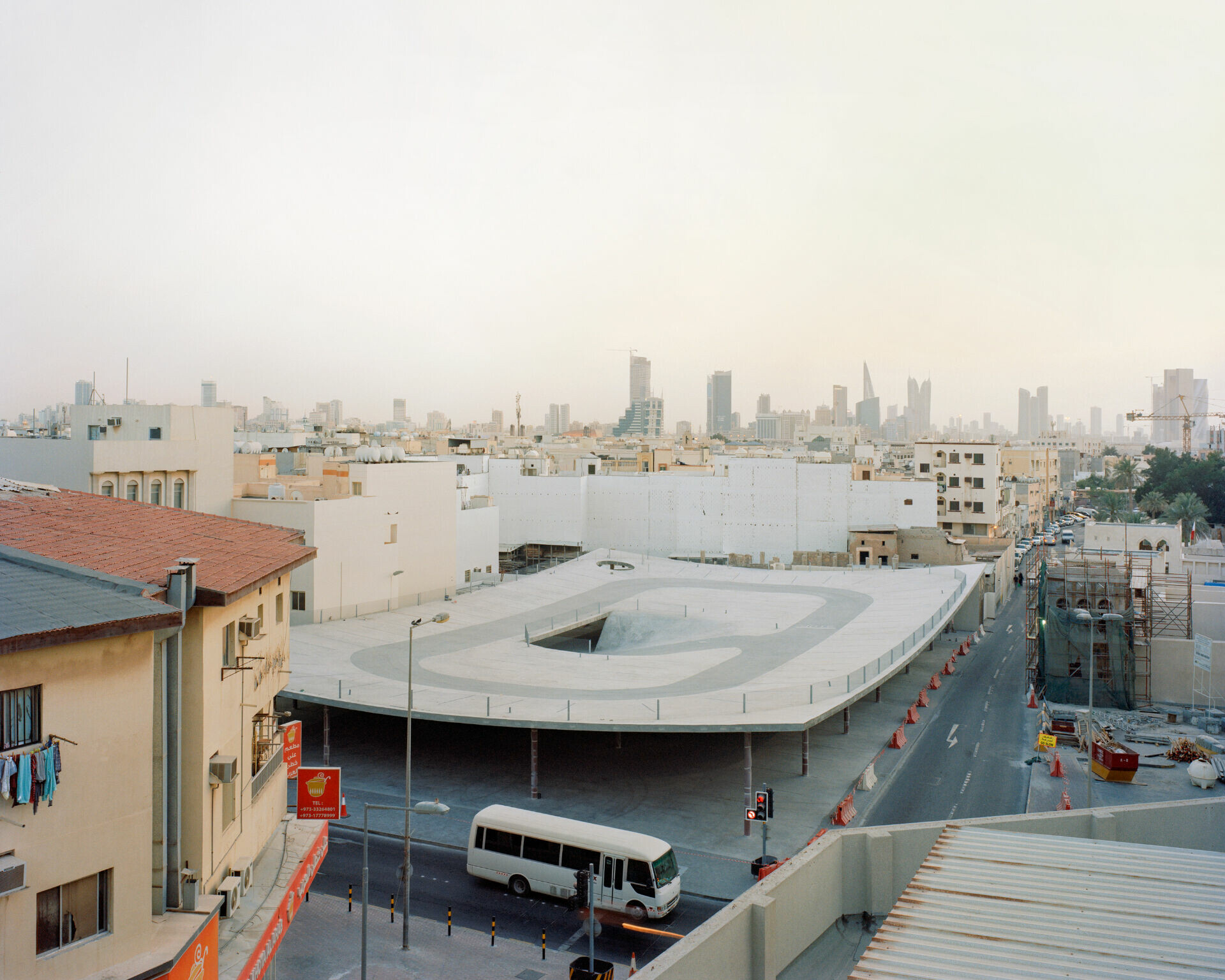
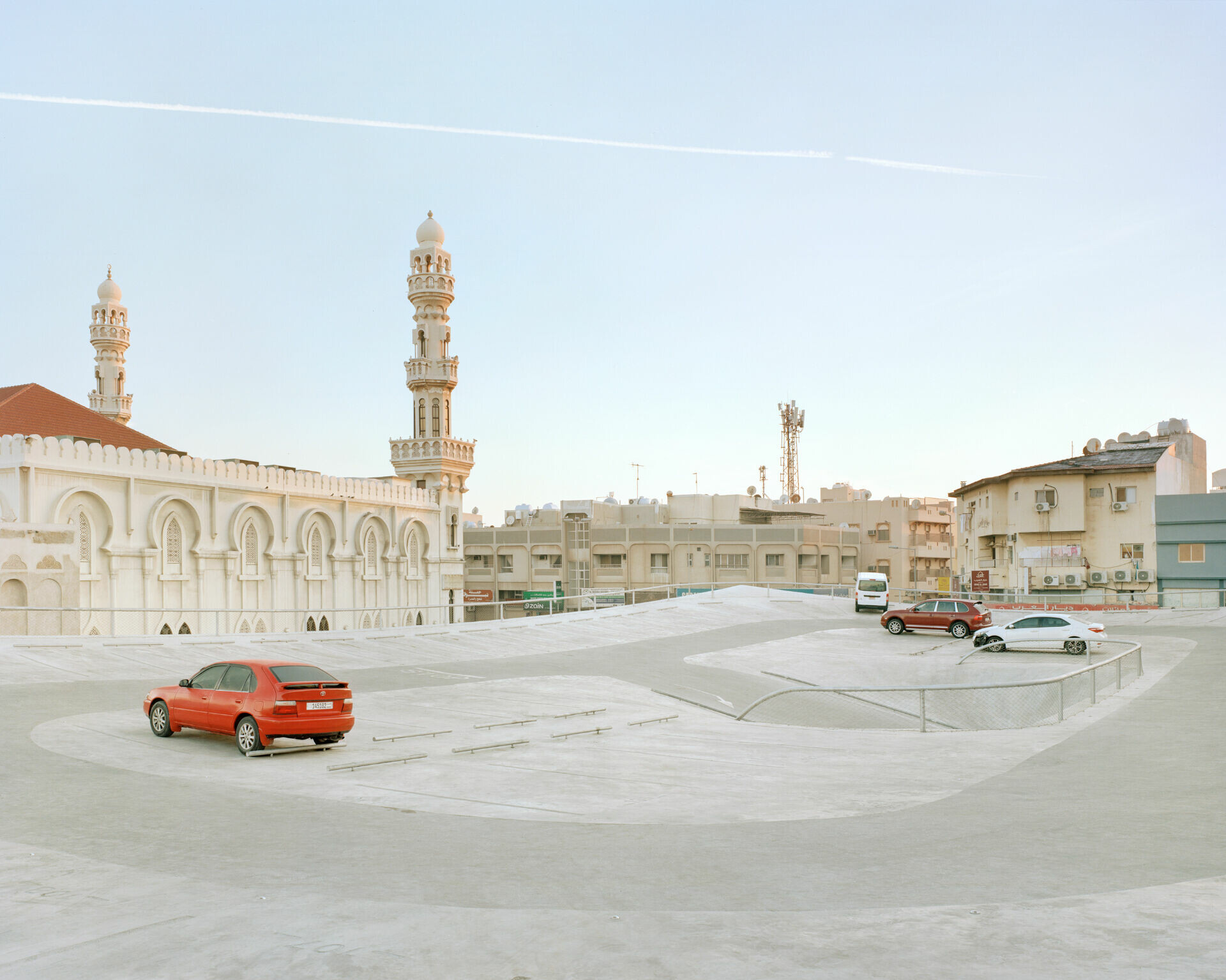
Beyond their functional role, the car parks act as shaded pavilions and open plazas—spaces for gathering, prayer, or community events. They stand as a new kind of civic infrastructure: one that balances utility and social generosity. Grounded in the preservation of heritage, the project achieves harmony between tradition and transformation, embodying the Pearling Path’s central ethos of coexistence between the historical and the contemporary.
➤ PLOTA Photography by MaximeDelvaux
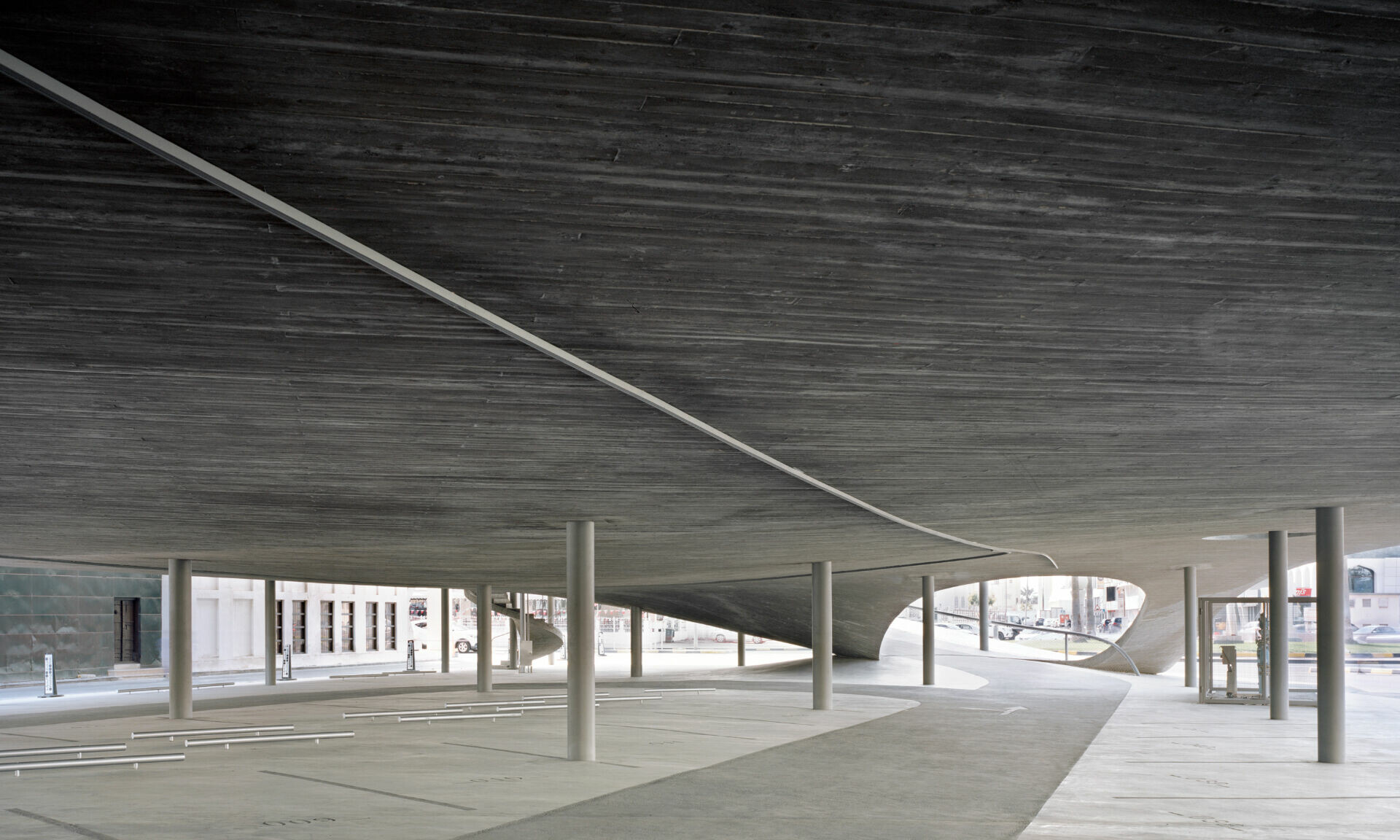
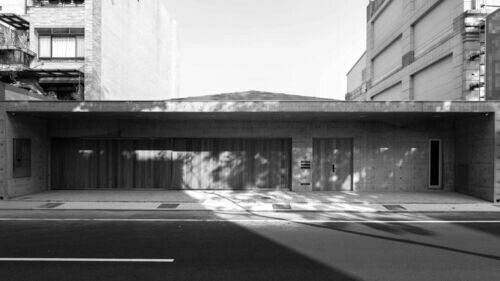
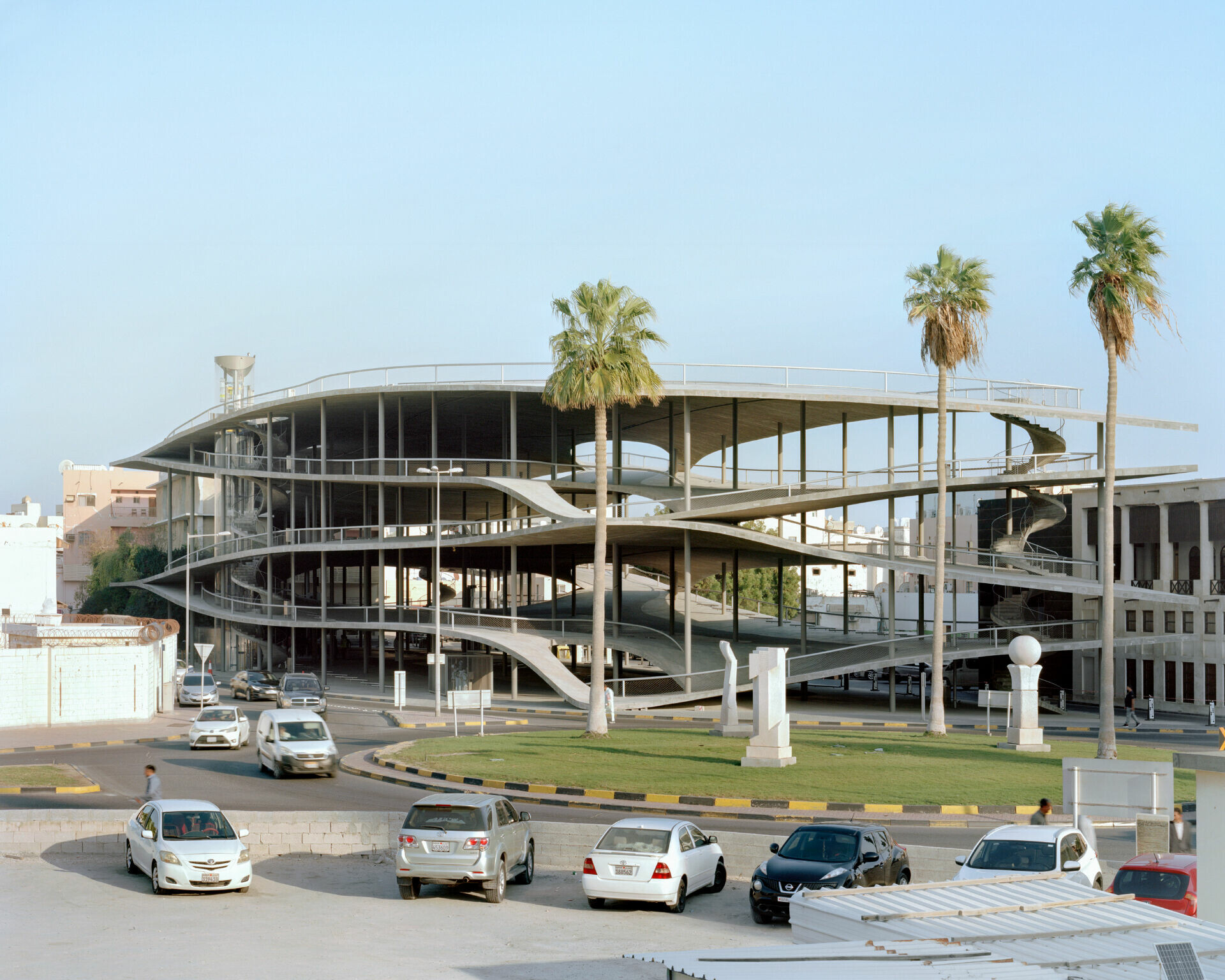
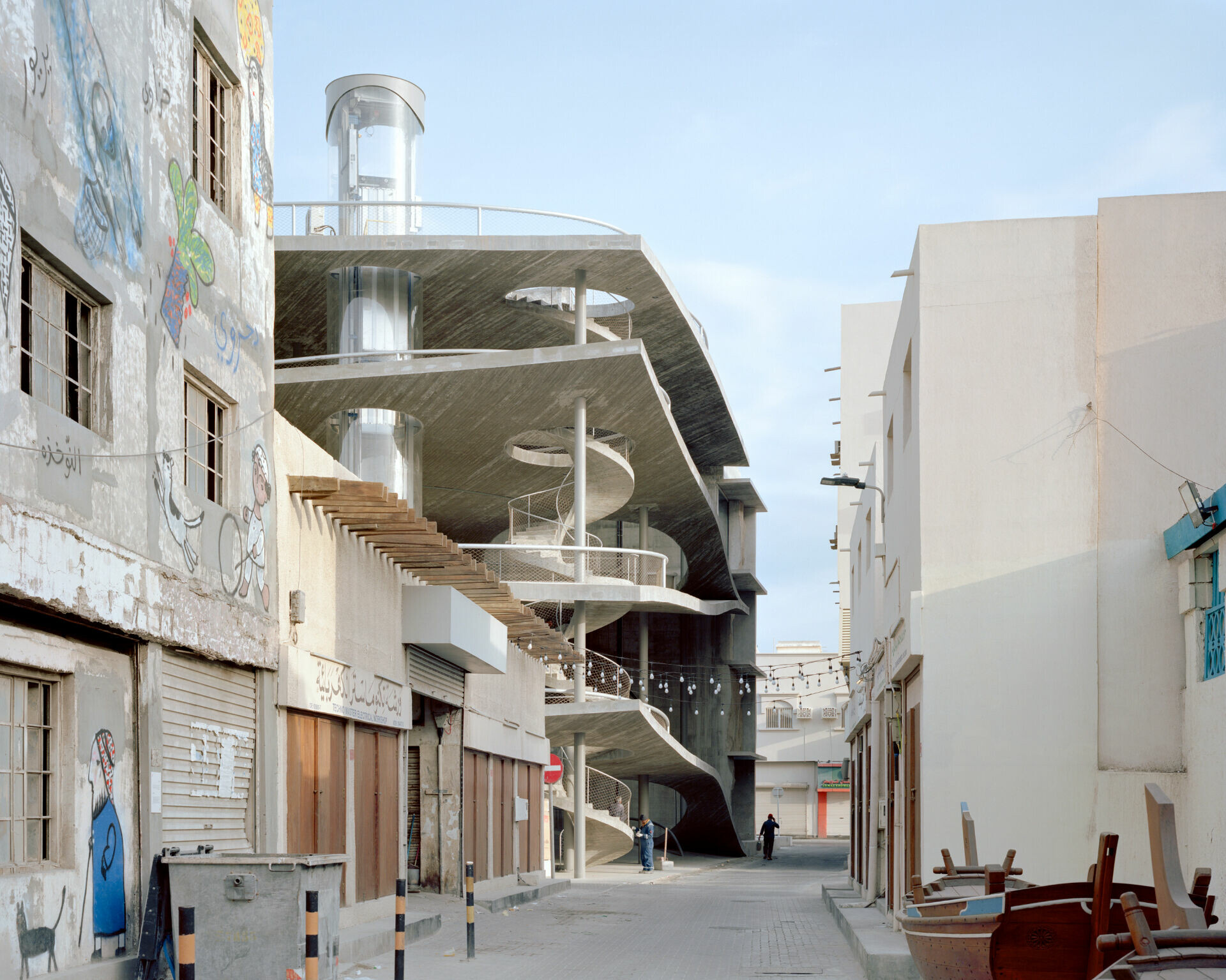
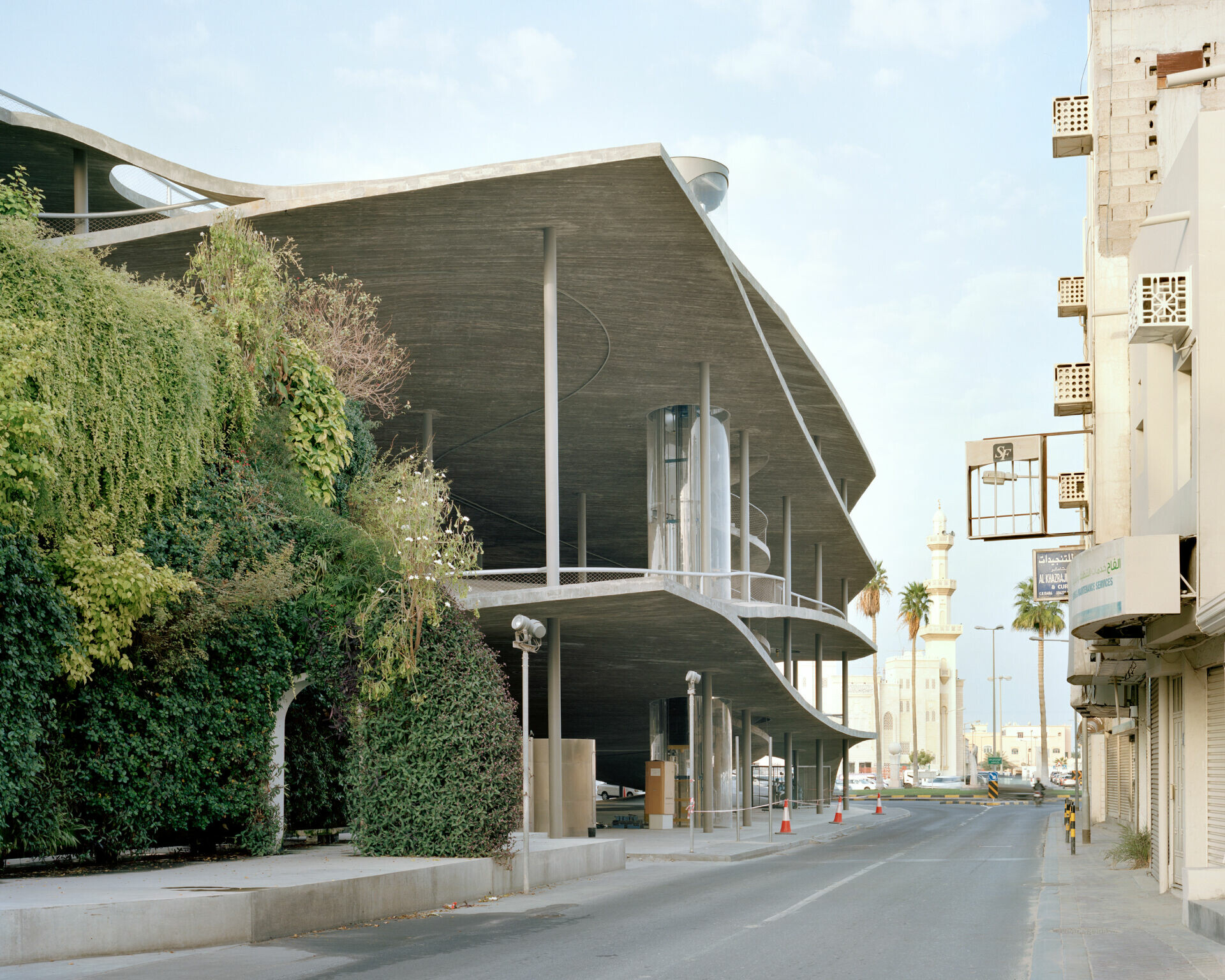
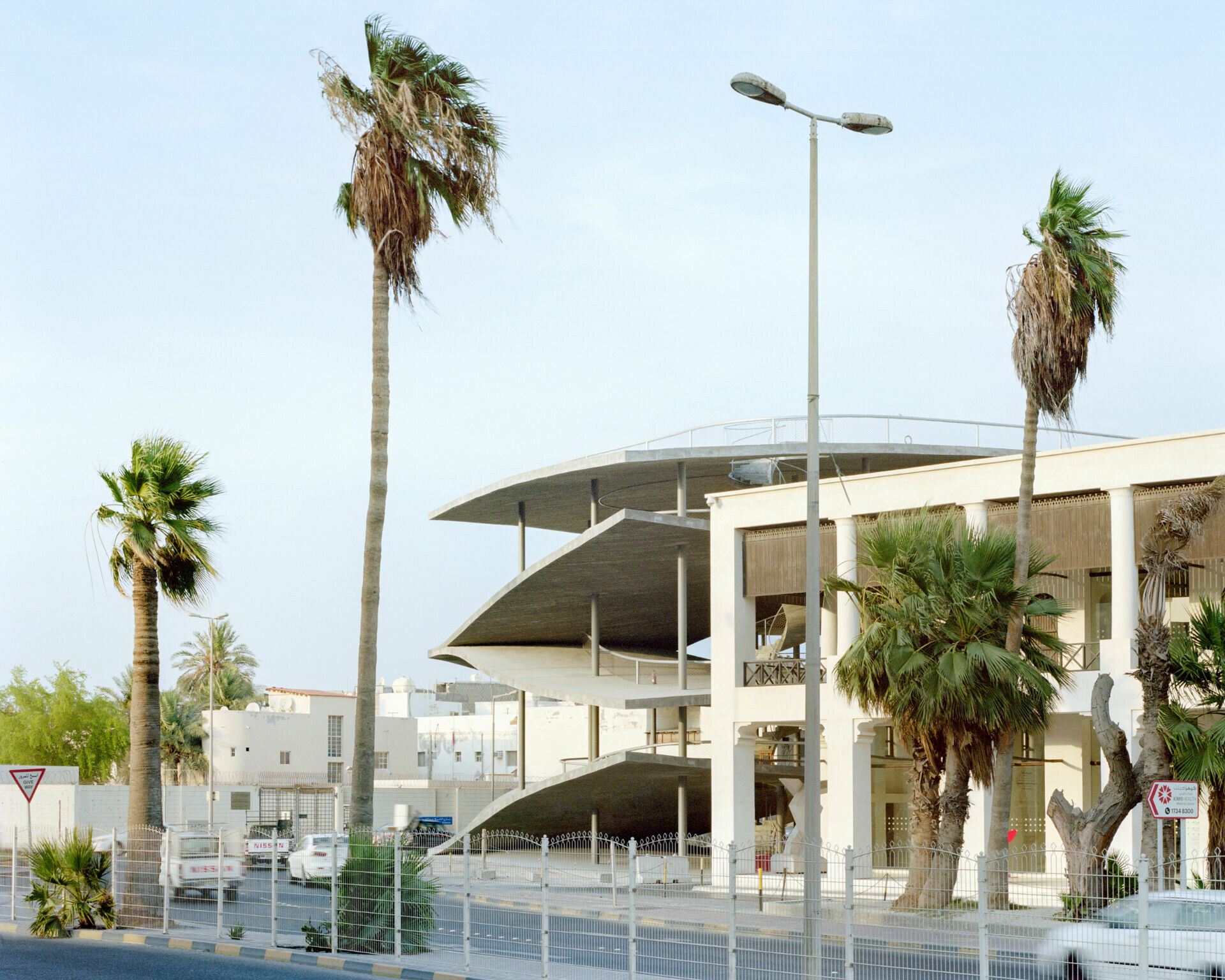
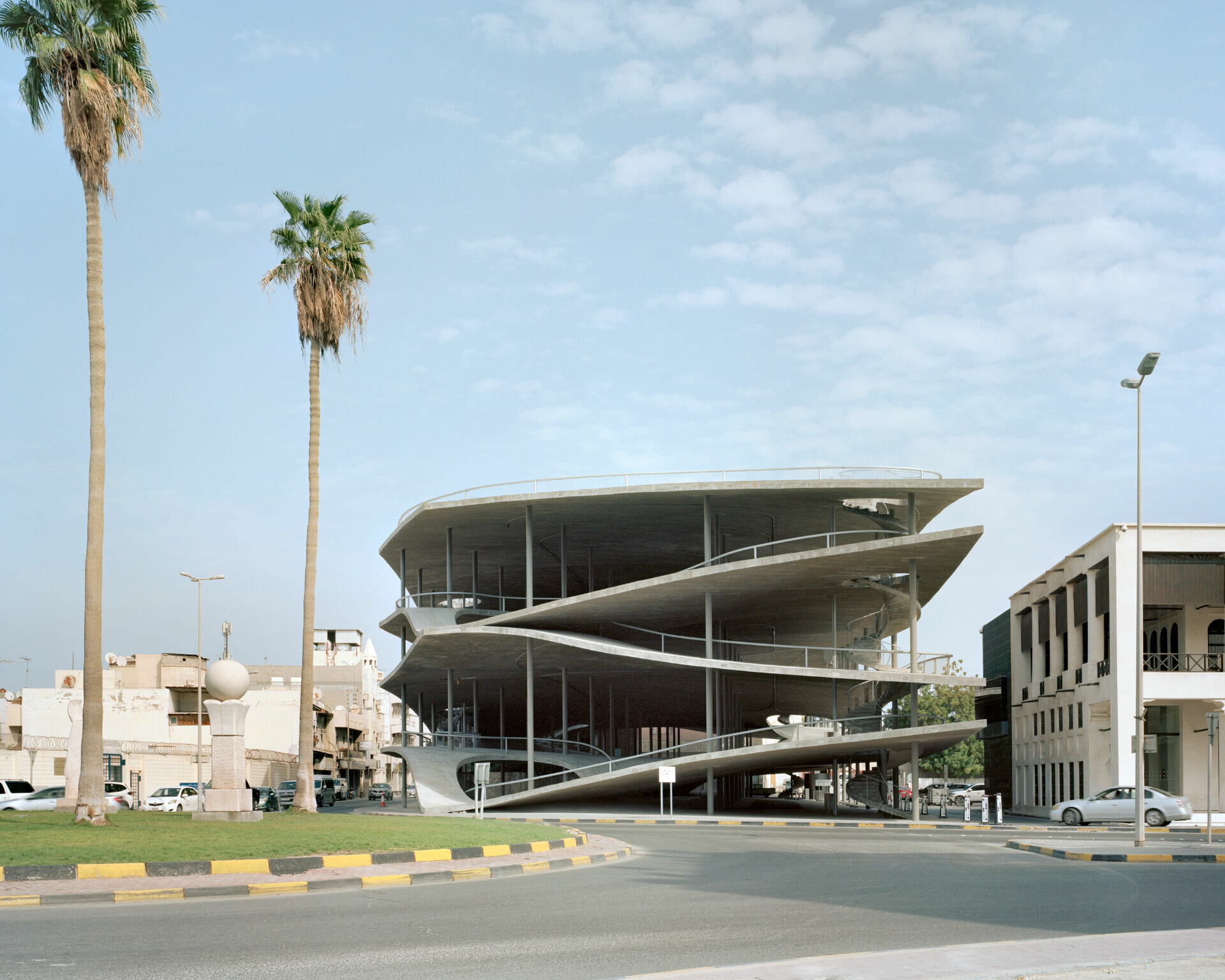
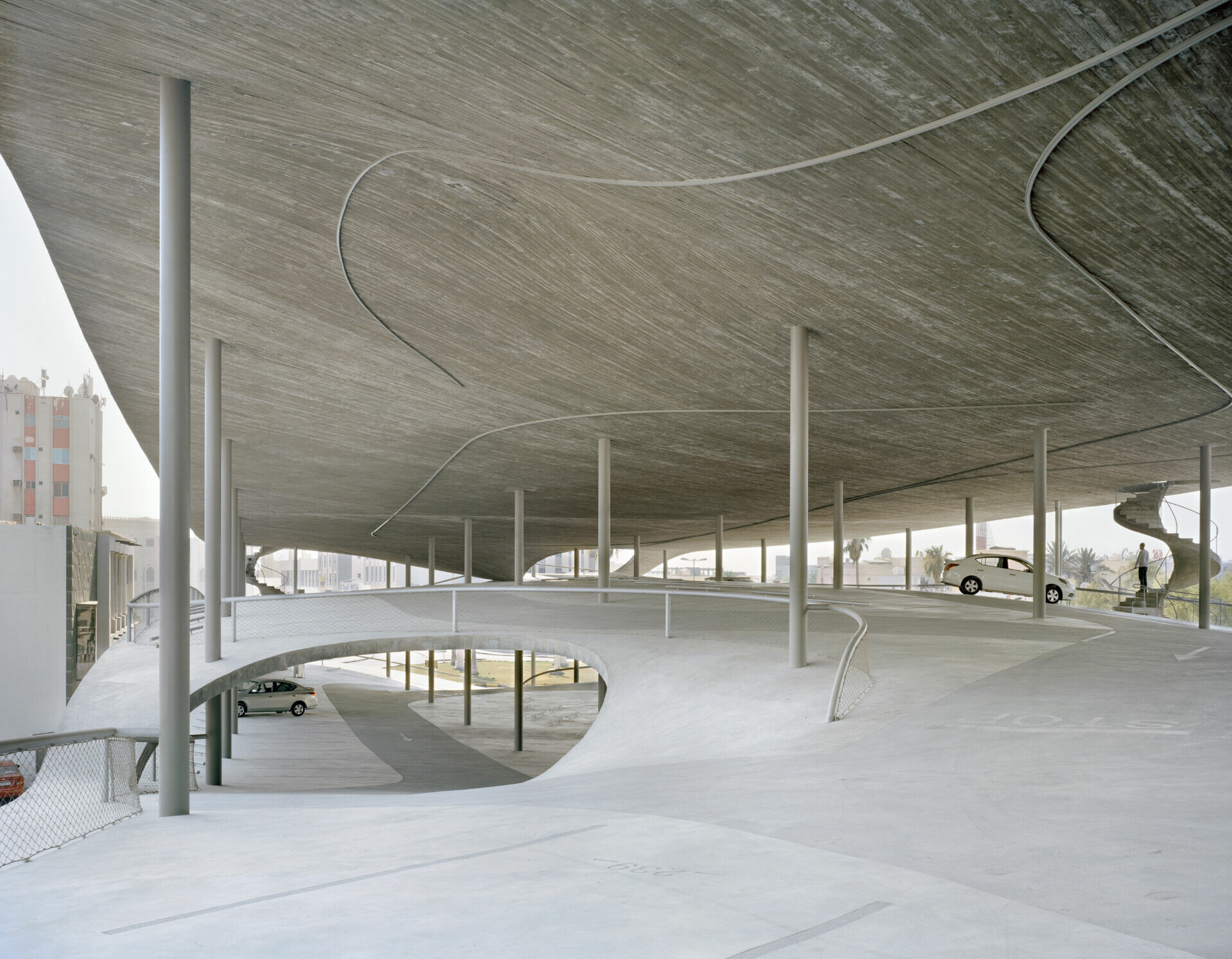
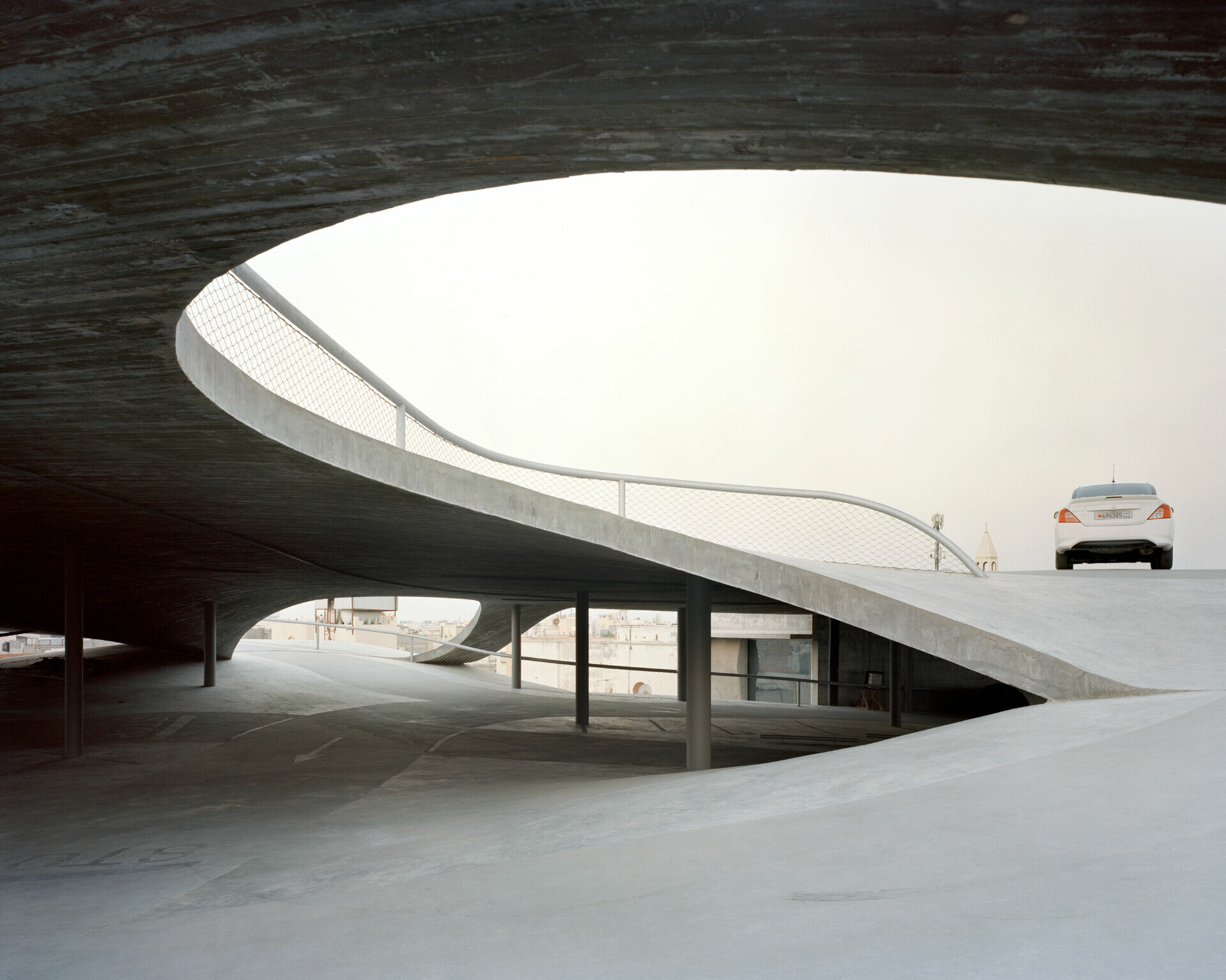
The largest structure, Plot A, stretches 170 metres along the street. Its floor slabs rise in a gentle, layered sequence, each slightly curved and interlocking with the next. The resulting geometry replaces the conventional beam-and-column system: stress is transmitted from point to point, creating a structure where movement and load are inseparable. The building resembles a monumental mille-feuille of concrete and steel, its bent steel plates shifting between compression and expansion; the slightly inclined junctions between floors form ramps that link the upper and lower levels. Nearby, Plot C, the only single-storey car park, sits humbly beside the Palace of the Winds and a neighbouring mosque, integrating quietly into its surroundings as a gesture of respect toward the site’s historical context.
➤ PLOTC Photography by MaximeDelvaux
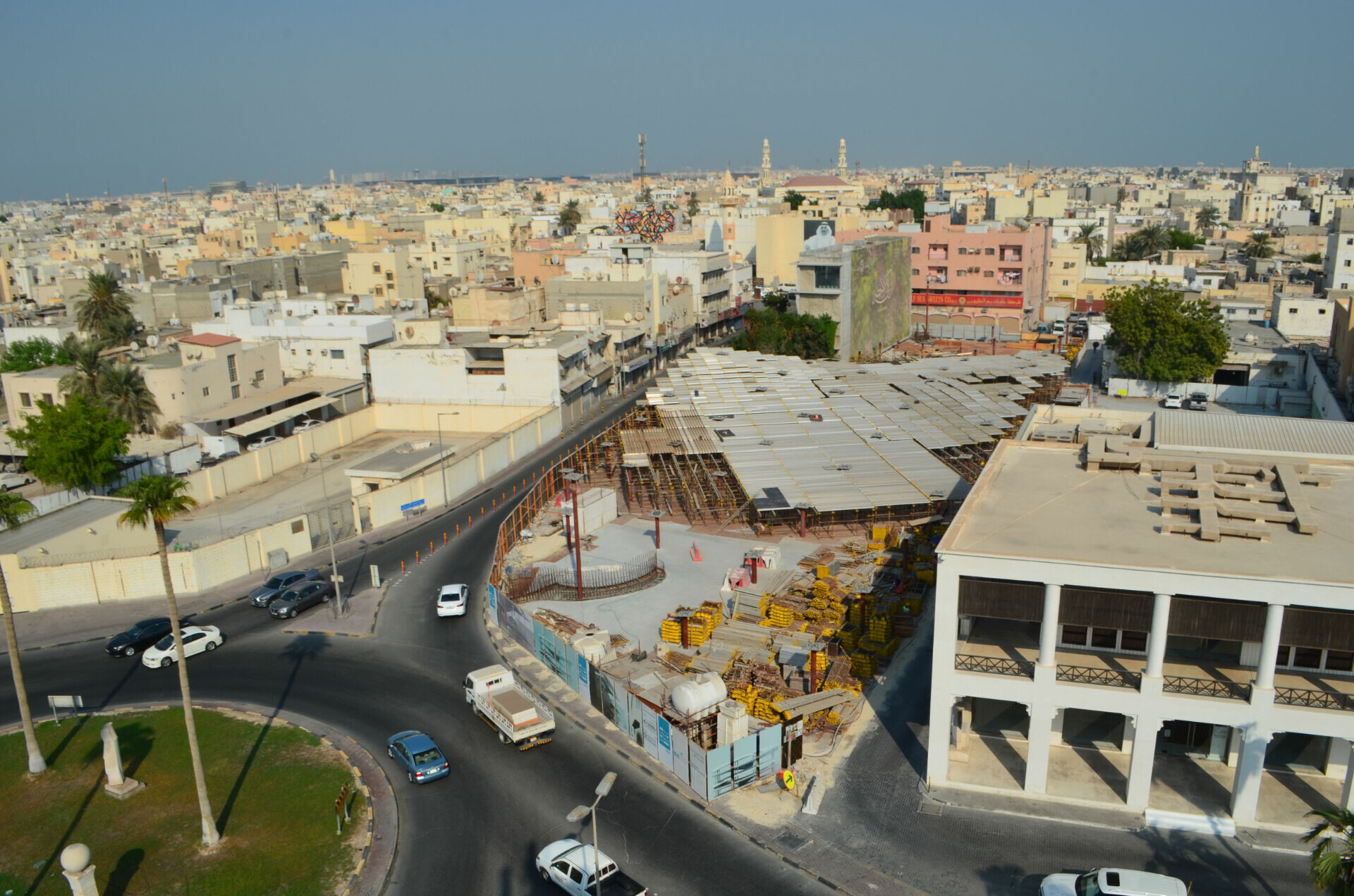
Because each slab surface differs in geometry, the team generated 75,000 section drawings at a 1:20 scale, produced through computational scripting and printed 1:1 for on-site formwork cutting. The load-bearing system follows a flat-slab principle, with spans of approximately ten metres supported by prefabricated columns measuring 25 to 30 centimetres in diameter. At each junction, bent steel plates connect the thick reinforced-concrete slabs to the columns, efficiently transferring vertical loads while the slabs withstand high concentrated stresses around the column heads.
➤PLOTA Photography by MaximeDelvaux
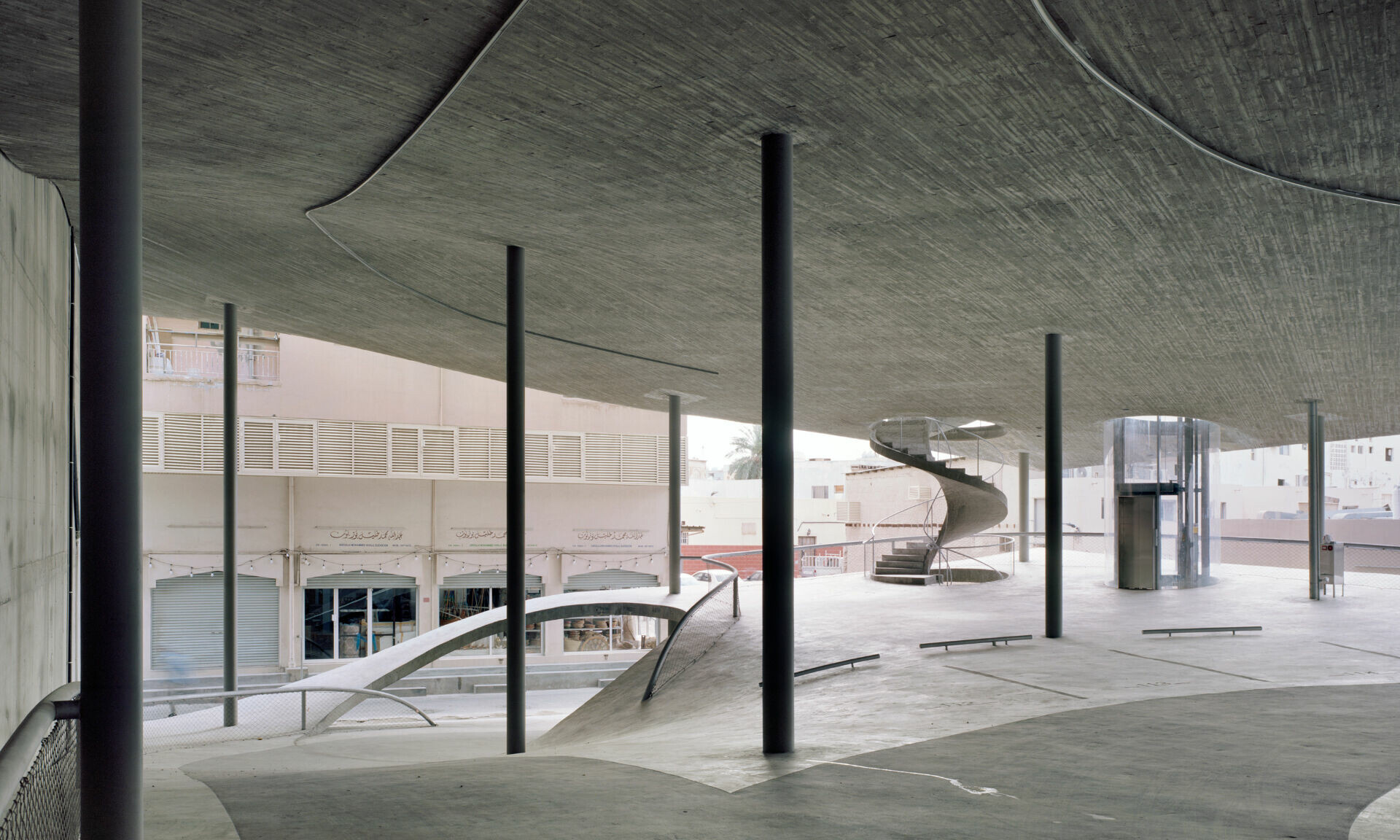
Residents and visitors move between levels via spiral staircases, while elevators clad in transparent PVC foil catch sunlight with a soft translucent sheen. Dispersed throughout Muharraq’s old streets, these four structures form vertical landscapes—open, naturally ventilated, and receptive to chance encounters. In Kerez’s vision, infrastructure is no longer a silent backdrop but an active participant in everyday life: a place where history and innovation converge, allowing architecture to preserve memory even as it points toward the future.
➤ PLOTA Photography by MaximeDelvaux
➤PLOTA Photography by MaximeDelvaux