➤ Photography by Luis Garvan
Resonancia Suspendida
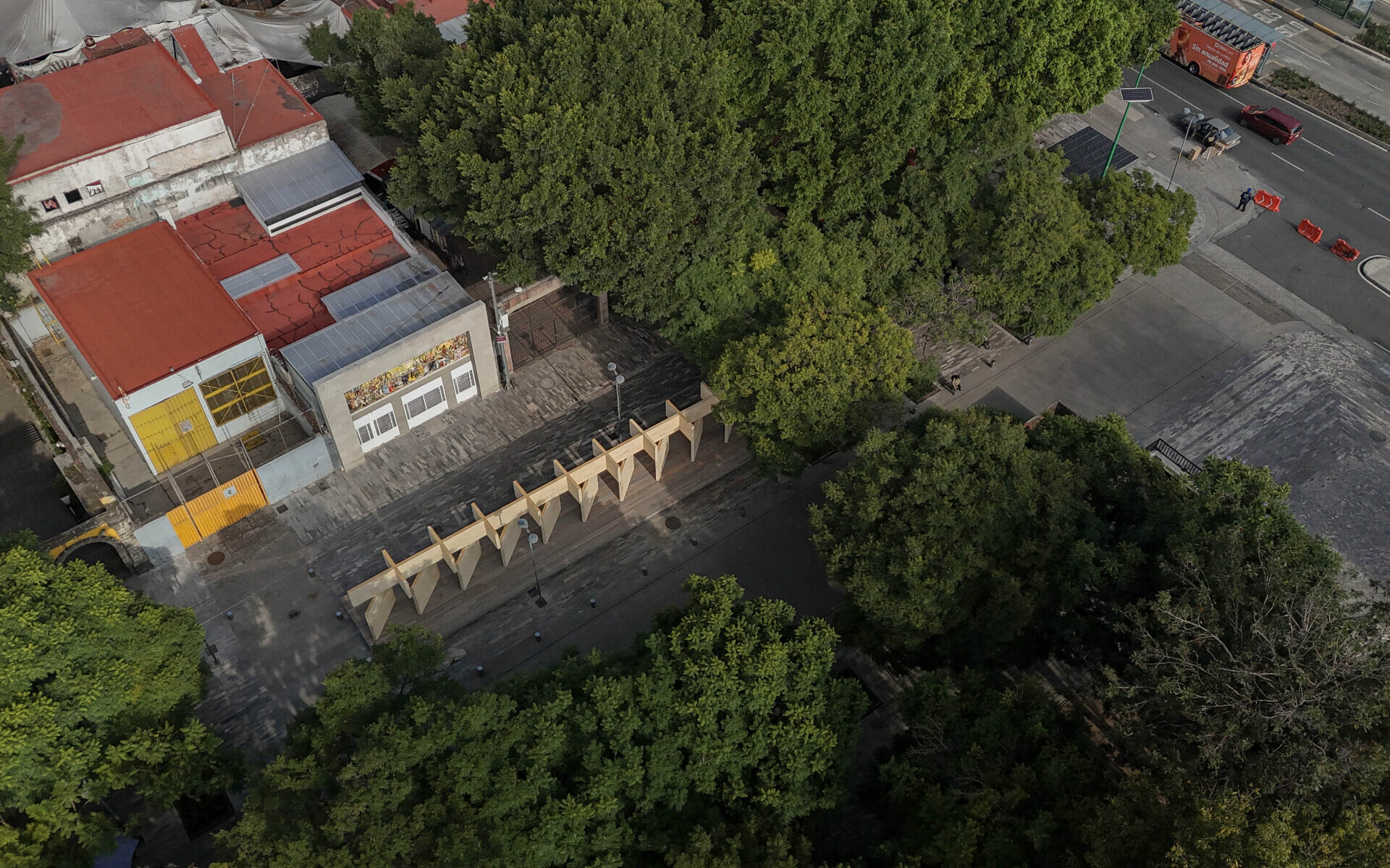
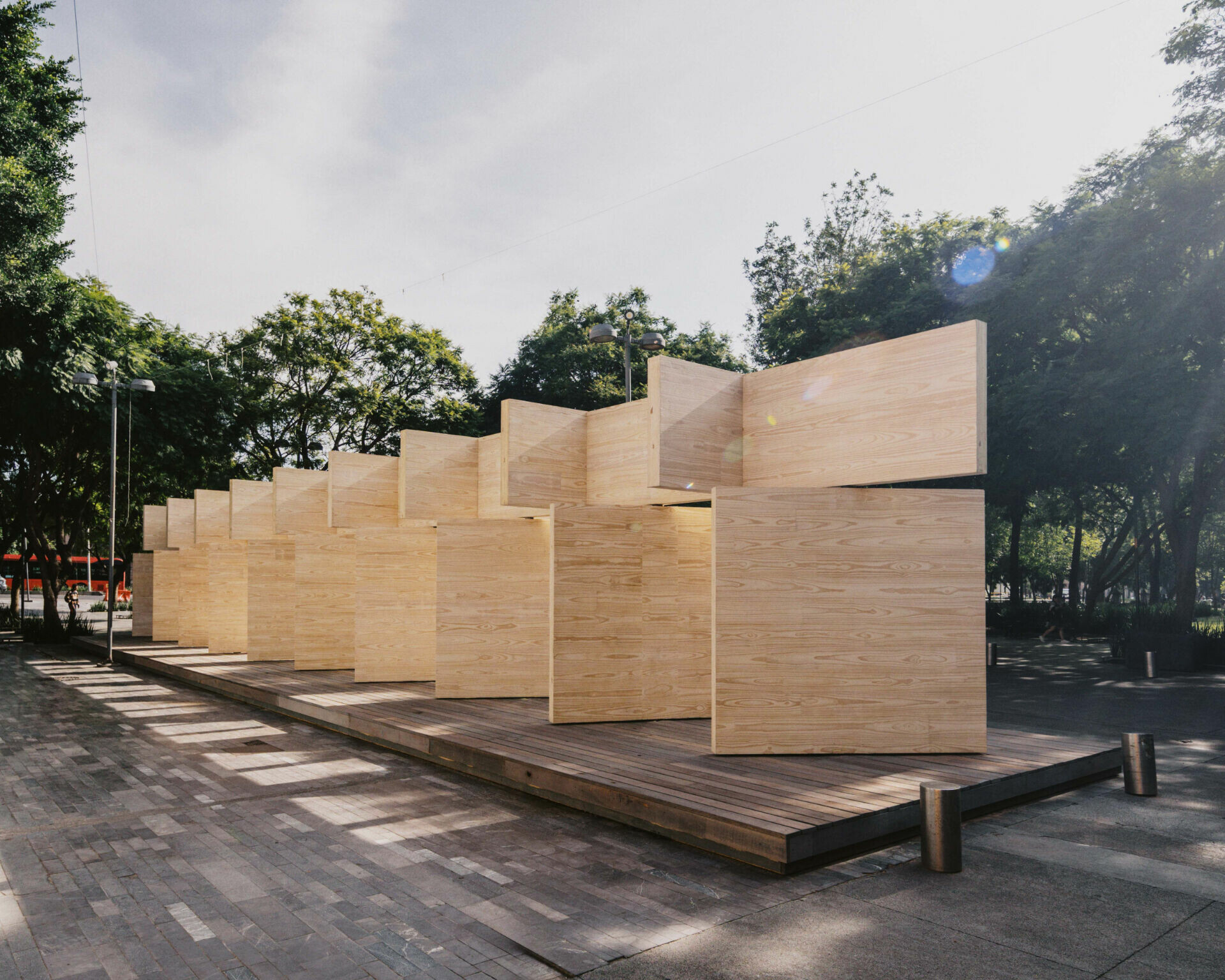
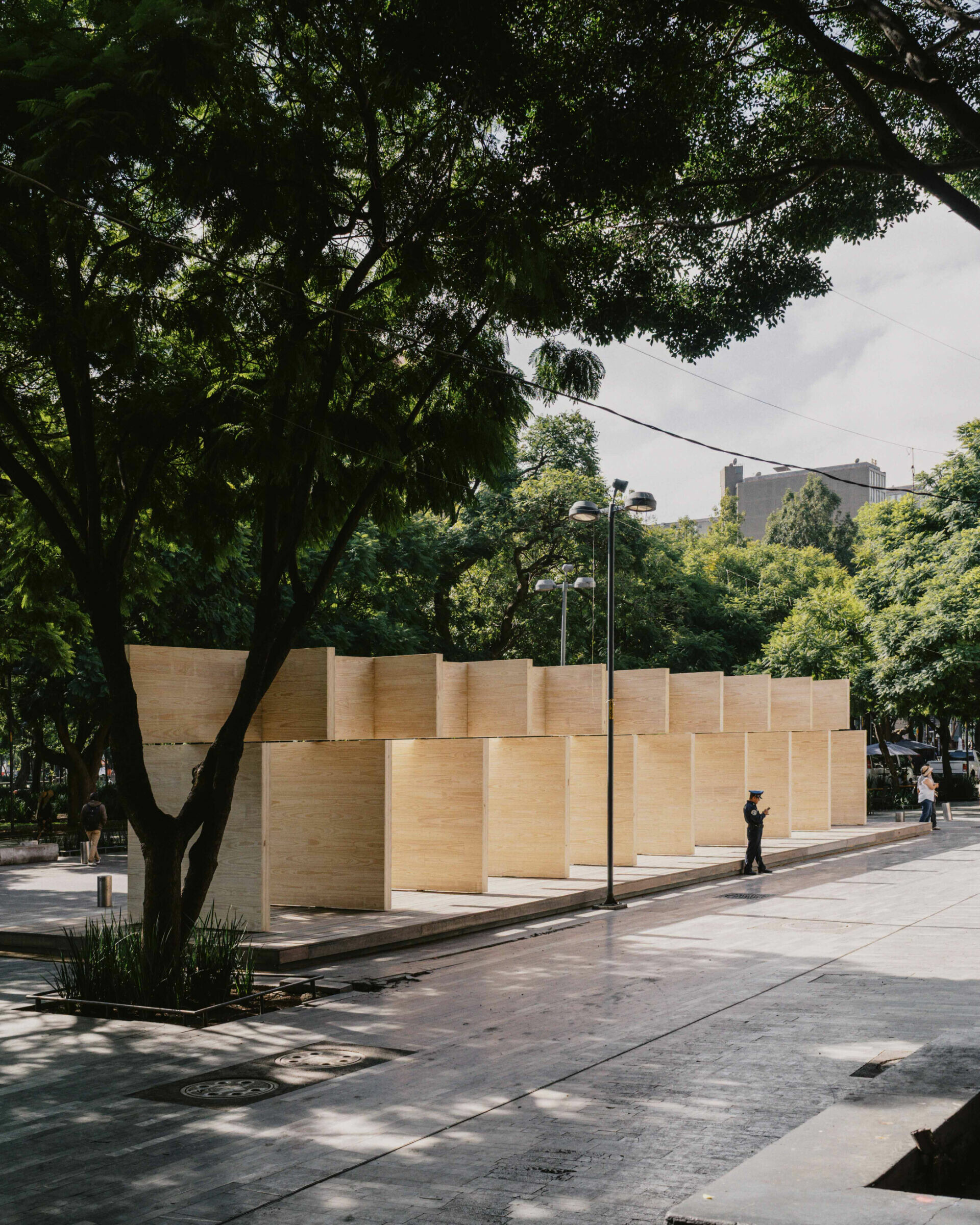
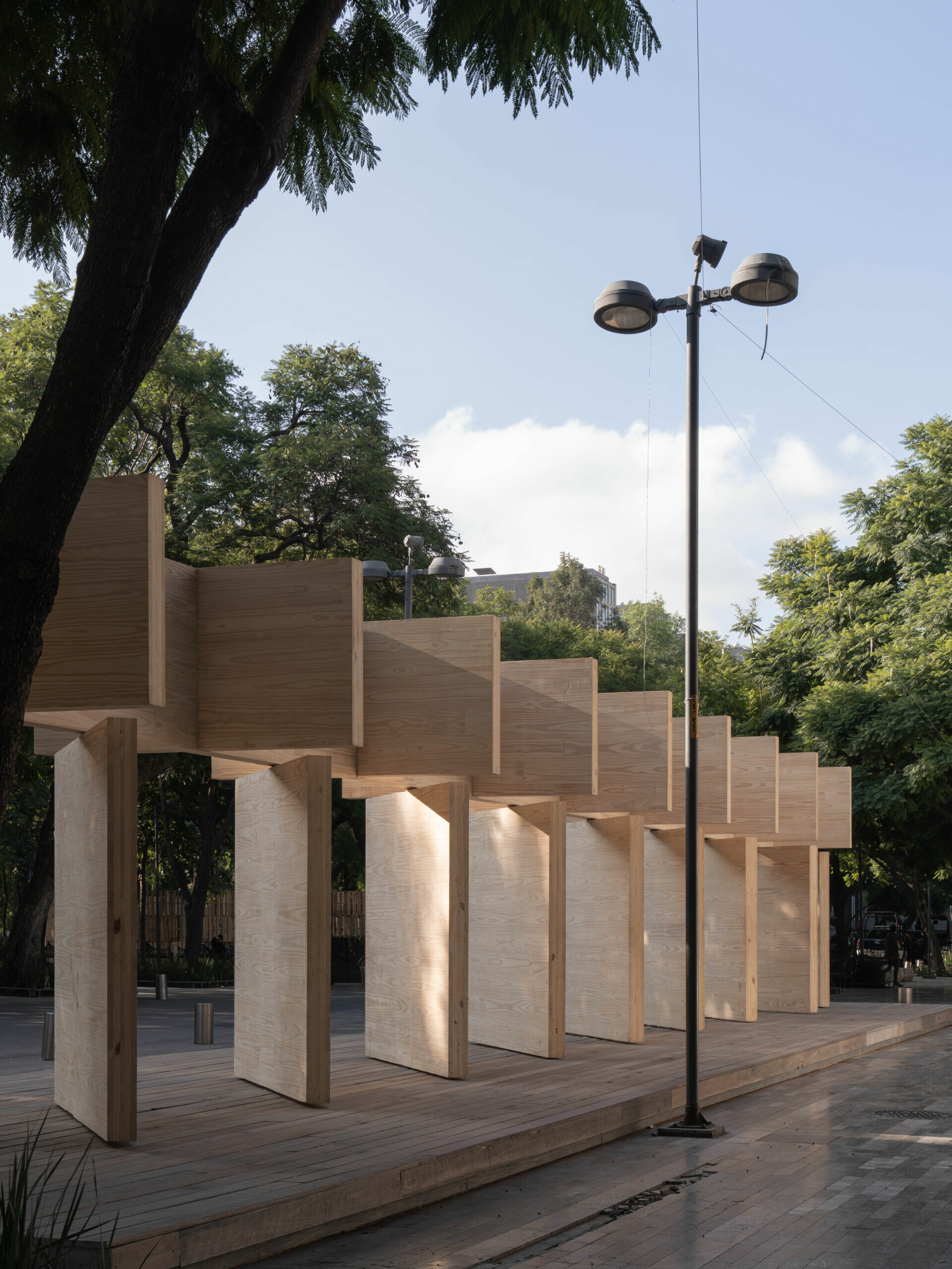
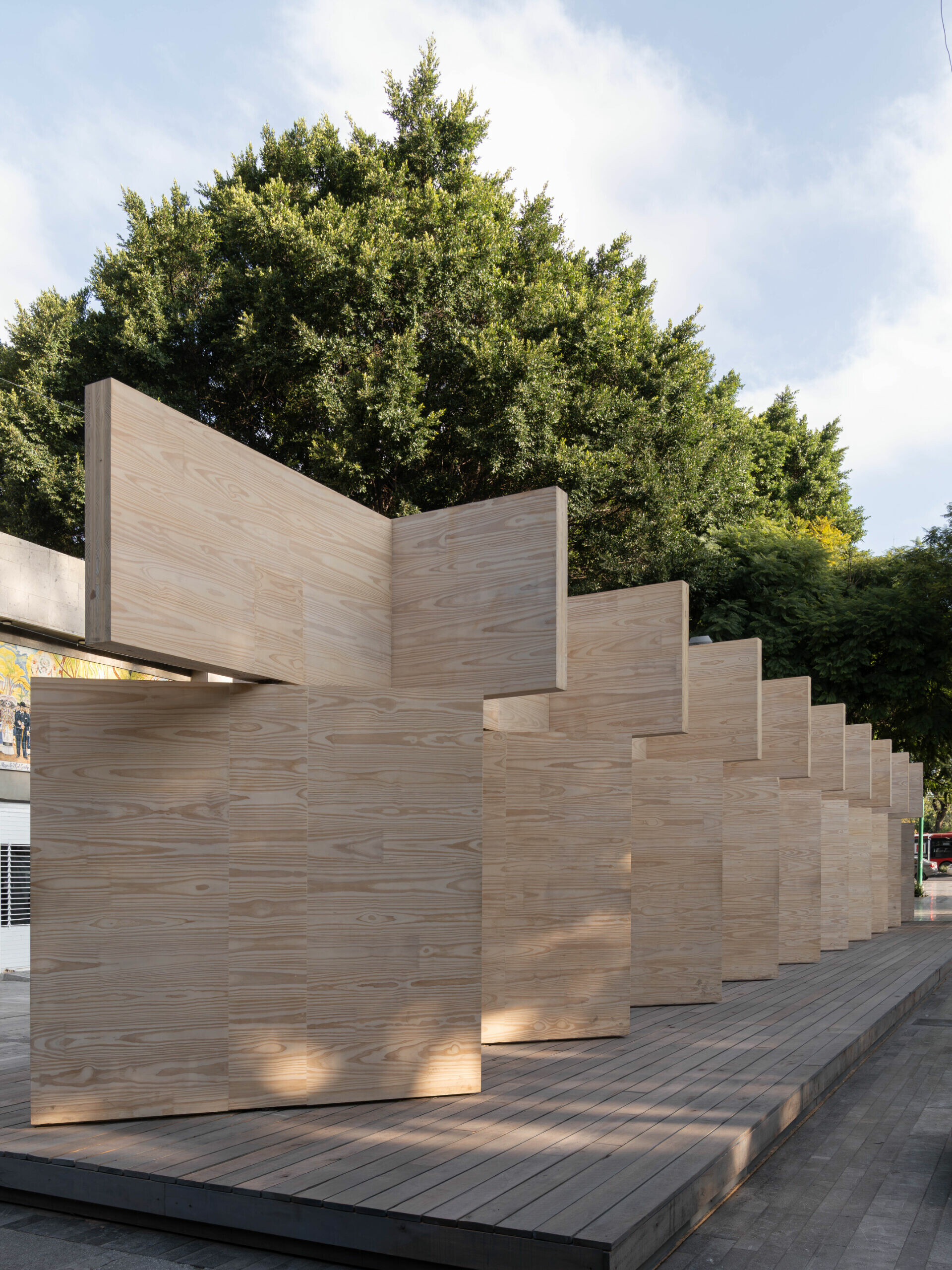
Art today is no longer confined to galleries and museums; it has begun to permeate everyday life in many different forms. Across the city, more and more urban installations use form, material, and structure to offer fresh ways of looking at architecture. They invite people to approach, move through, and experience space with their bodies, allowing emotional resonance to build over time and gradually contribute to a shared memory of the city. This is also why the Mextrópoli International Architecture Festival in Mexico continues to commission experimental pavilions each year, using architecture as a way to reinterpret urban meaning. For the 2025 edition, PPAA collaborated with Reed Wood and Arboreal in Mexico City to create Suspended Resonance, a temporary installation. Seen from the street, it reads as a large timber structure organized around a single linear element, like a beam drawn across the air in suspension. Its clarity and scale immediately spark curiosity and pull people closer. As visitors watch, walk beneath, and pass alongside it, they begin to grasp timber’s expressive potential and its capacity to perform as a contemporary structural material.
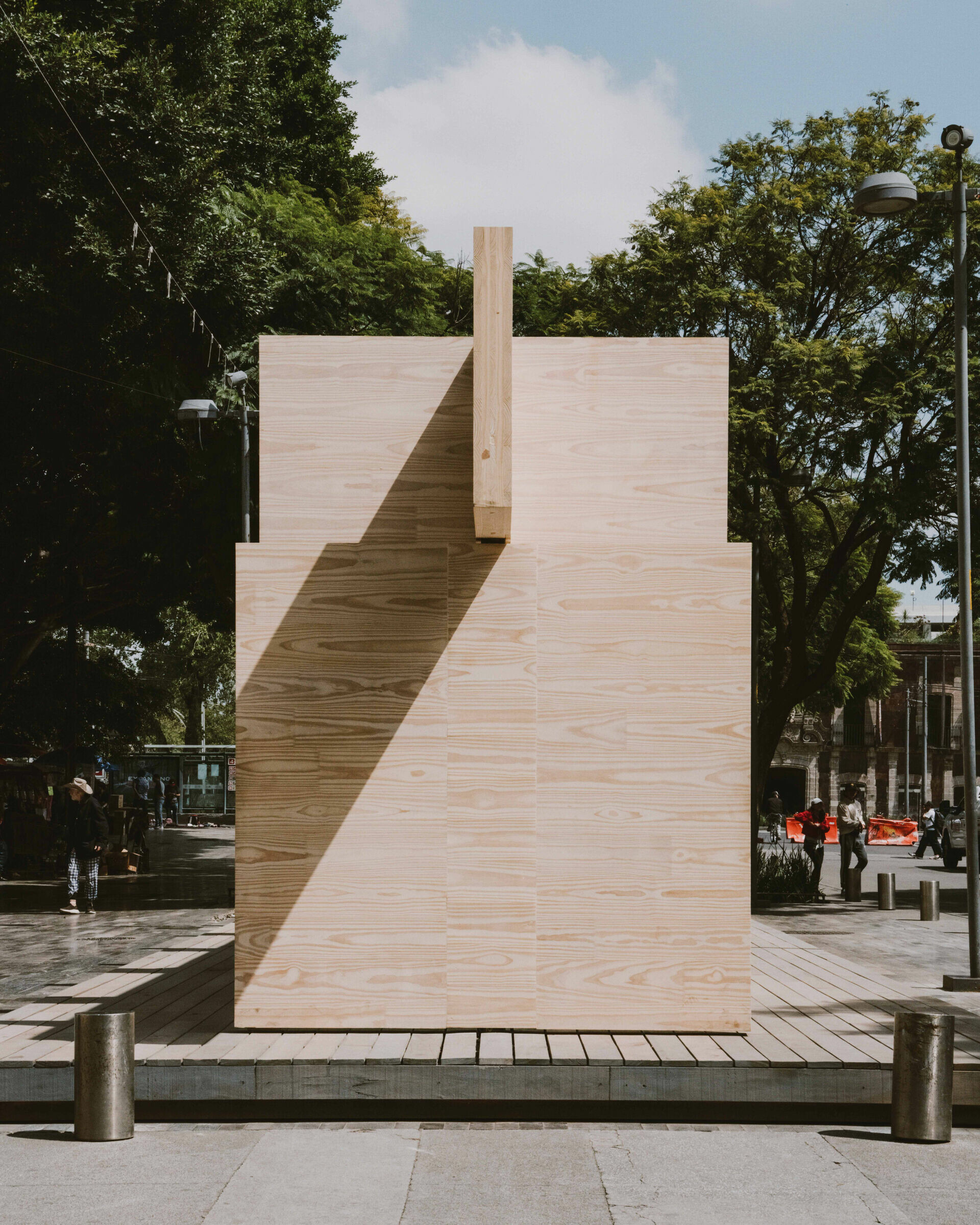
➤ Photography by Luis Garvan
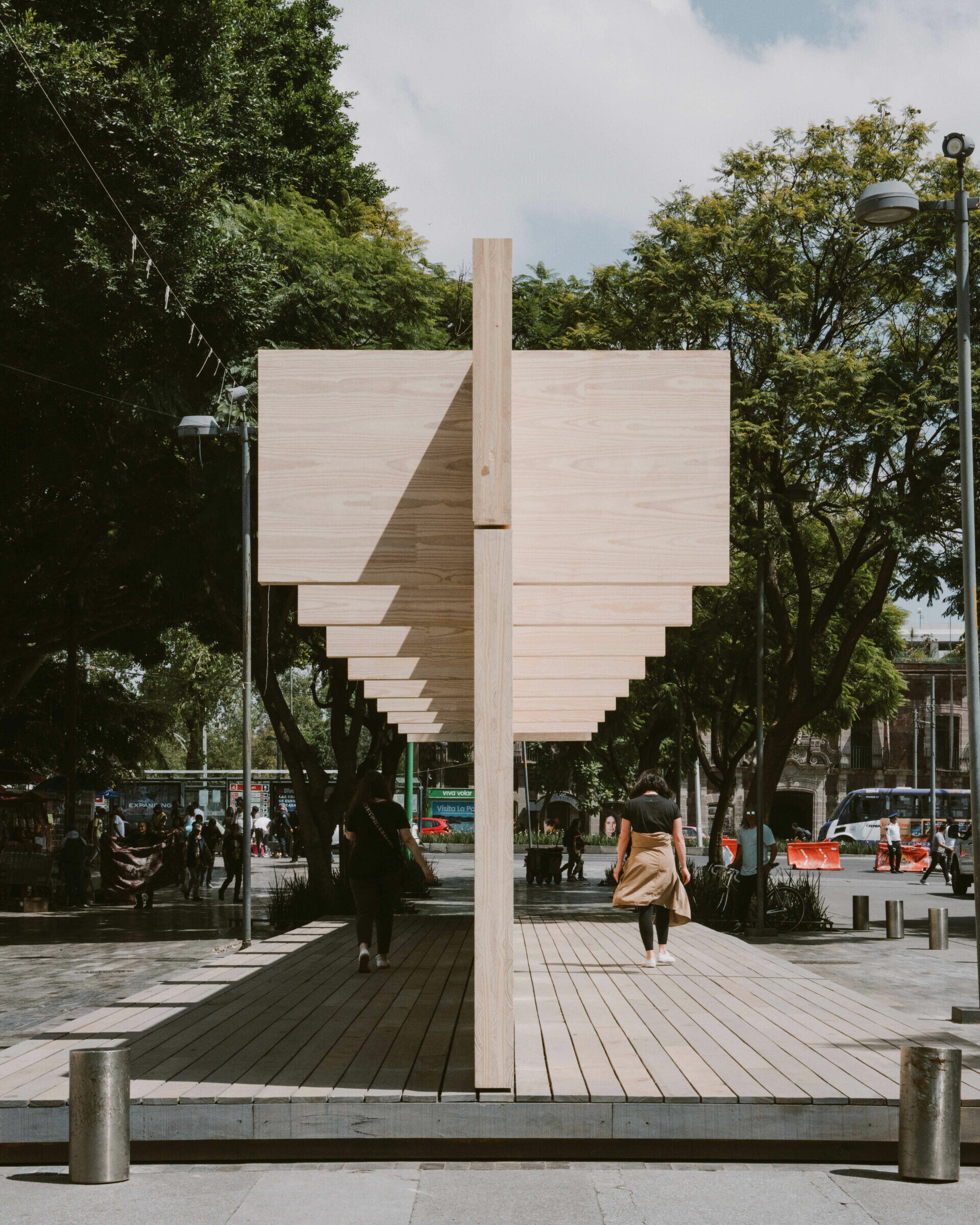
➤ Photography by Luis Garvan
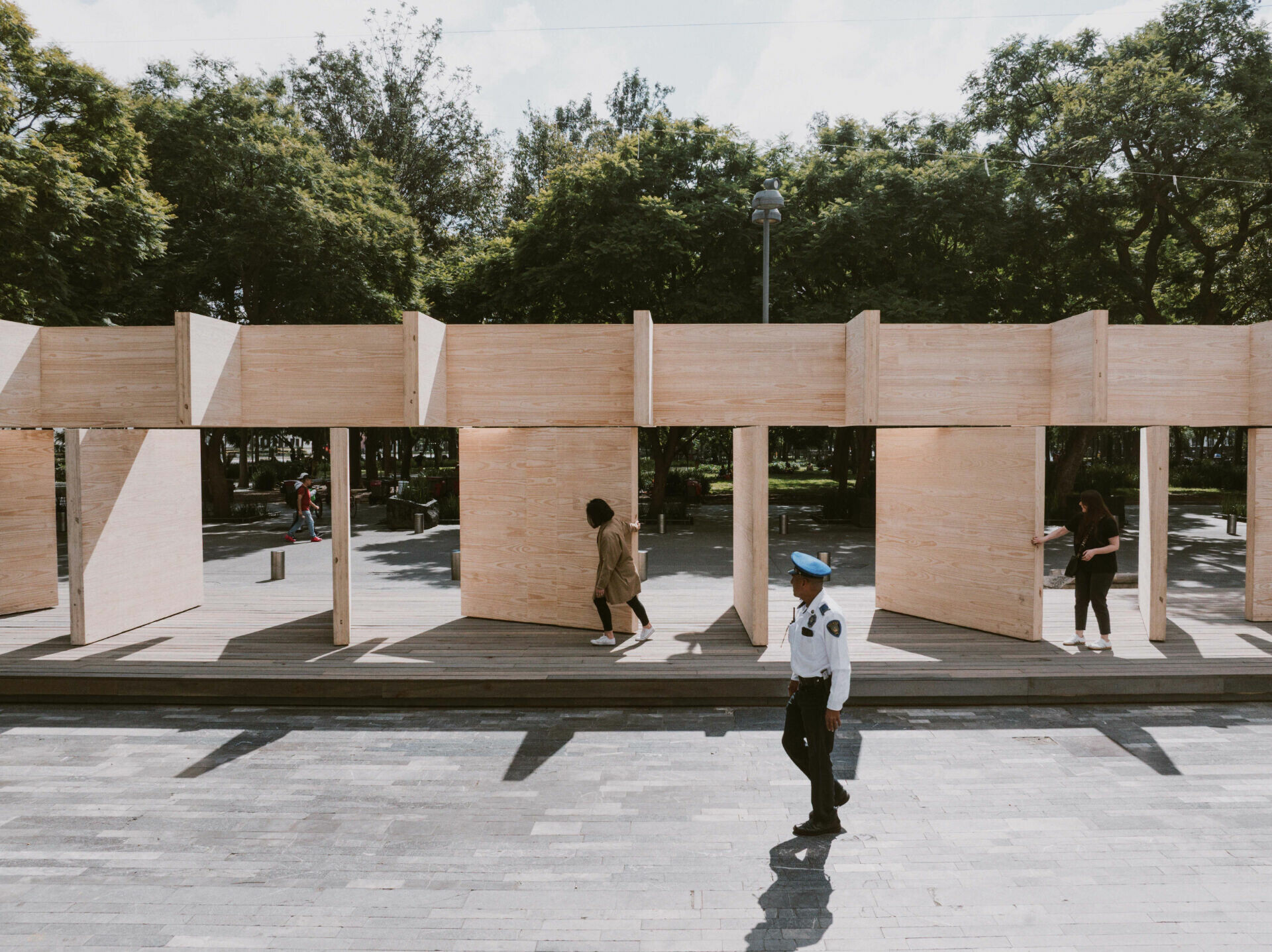
➤ Photography by Luis Garvan
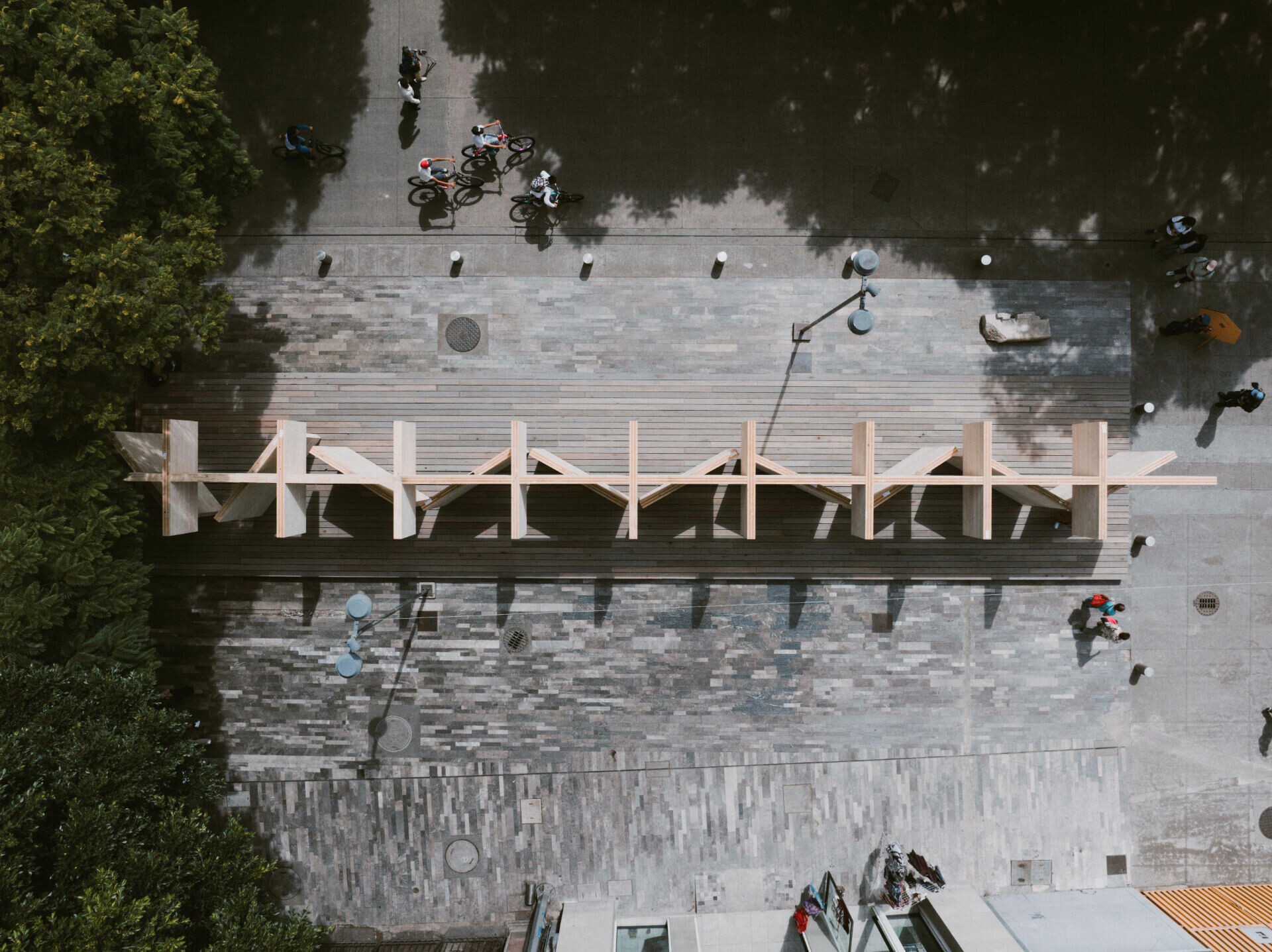
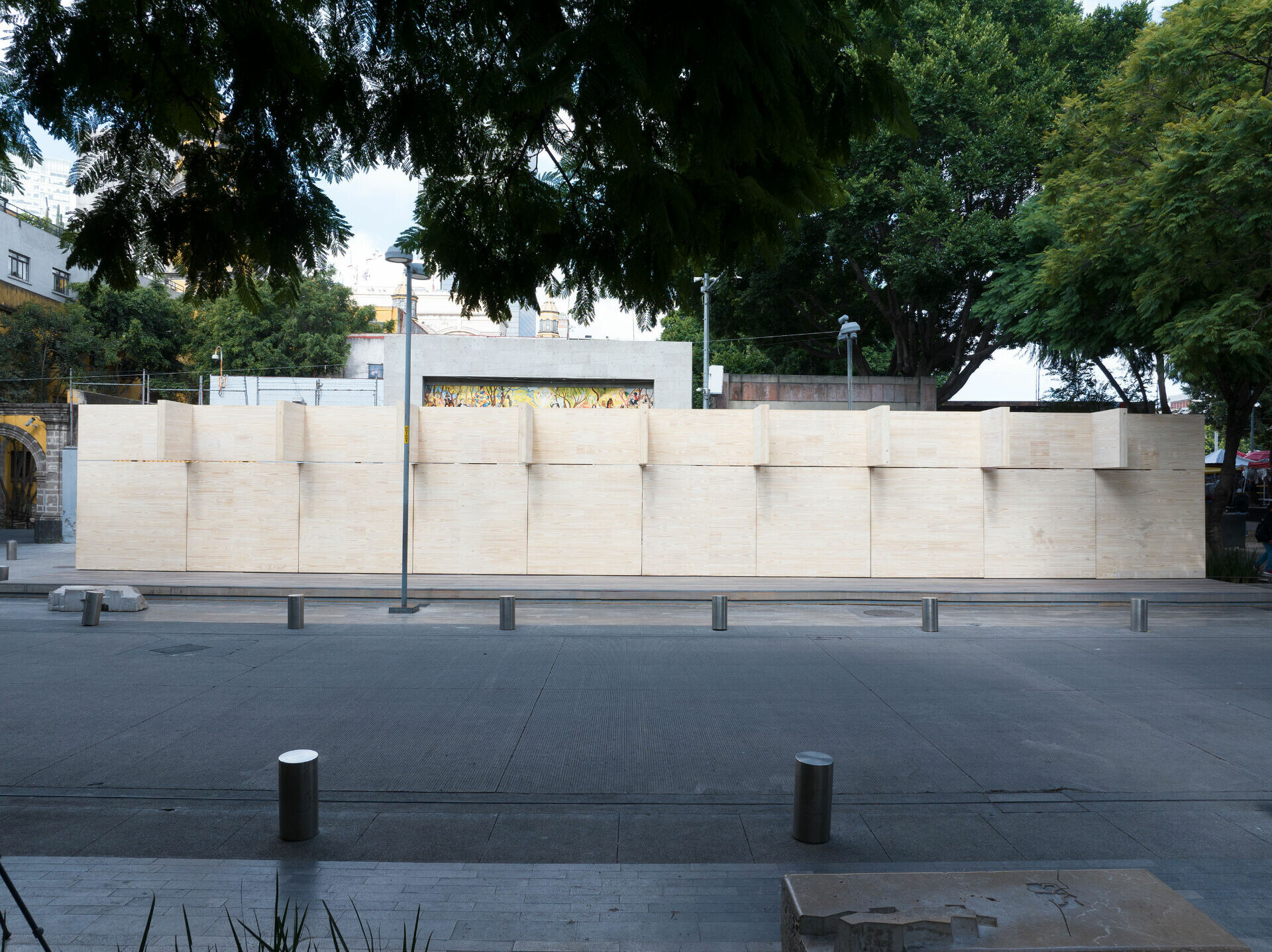
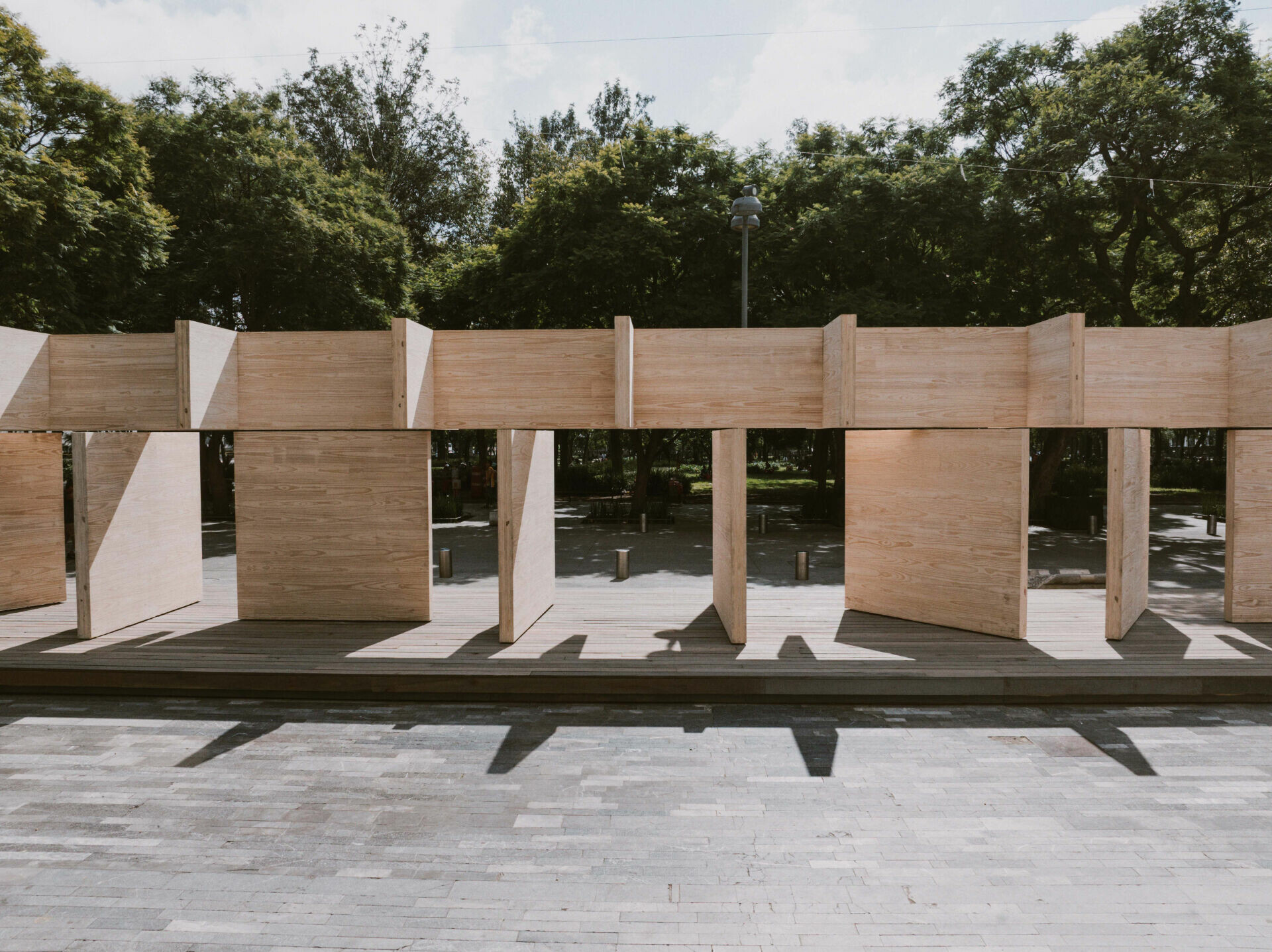
Unlike many pavilions that present themselves as static objects, this installation holds a quiet dialogue between a hovering structure and the space it defines. On a 120-square-metre site, the architects suspended a 24-metre-long, 1.2-metre-deep glulam beam. Instead of resting on conventional columns, it is supported by vertically oriented timber panels that can rotate along their axes. When these panels are aligned, they act as direct supports for the long-span beam. When they are rotated, the solid structural system becomes visually porous, revealing timber as both robust and optically light. Through the gaps, views of the city and the movement of passersby slip in and out, creating a space that is transparent yet lively, and gently shifting how people register their surroundings in the rhythm between stillness and motion.
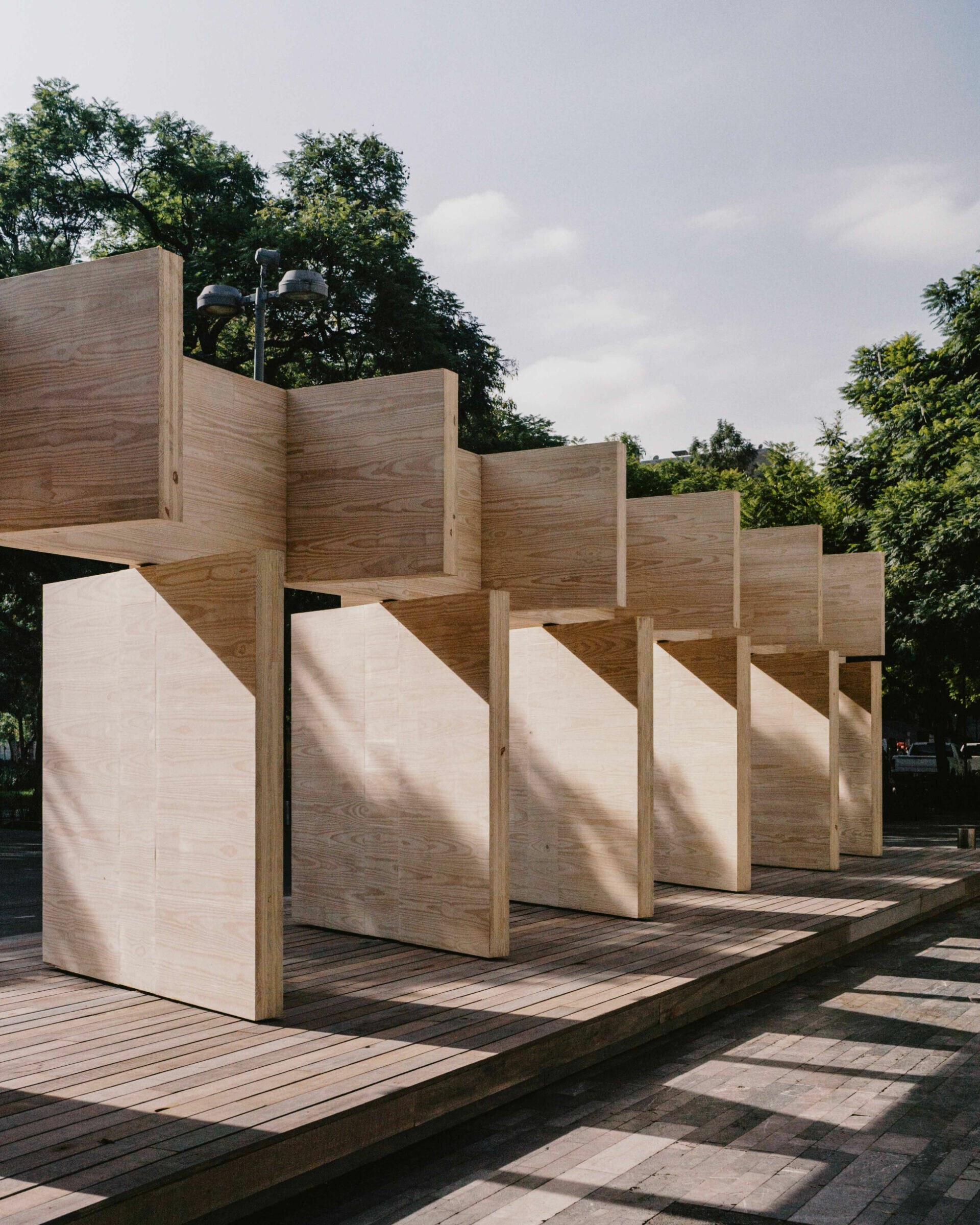
➤ Photography by Luis Garvan
➤ Photography by Luis Garvan
➤ Photography by Luis Garvan
➤ Photography by Luis Garvan
Through this pavilion, one can trace how timber construction has evolved from traditional building forms into contemporary lightweight timber systems. With advances in technology, simple timber elements can now exceed previous limits of span and geometry, increasing structural performance while making more efficient use of material. In this project, those capacities are translated into a flexible architectural language and a range of subtle formal expressions. As light passes across the timber panels at different angles, it produces a sense of visual lightness that softens the boundary between architecture and its setting, and invites visitors into a more intimate, close-range encounter with the installation.
➤ Photography by Luis Garvan
➤ Photography by Mavix Hugo Timo Dominguer
➤ Photography by Mavix Hugo Timo Dominguer