WABISABI
  • Projects
    • Worldwide
    • Interiors
    • Features
  • Contemporary
    • Exhibitions
  • Record
  • Lifestyle
  • City Explore
  • News
  • Issue
  • Account
  • Search
  • Language
Mobile nav


Science Island Museum (Mokslo Sala)


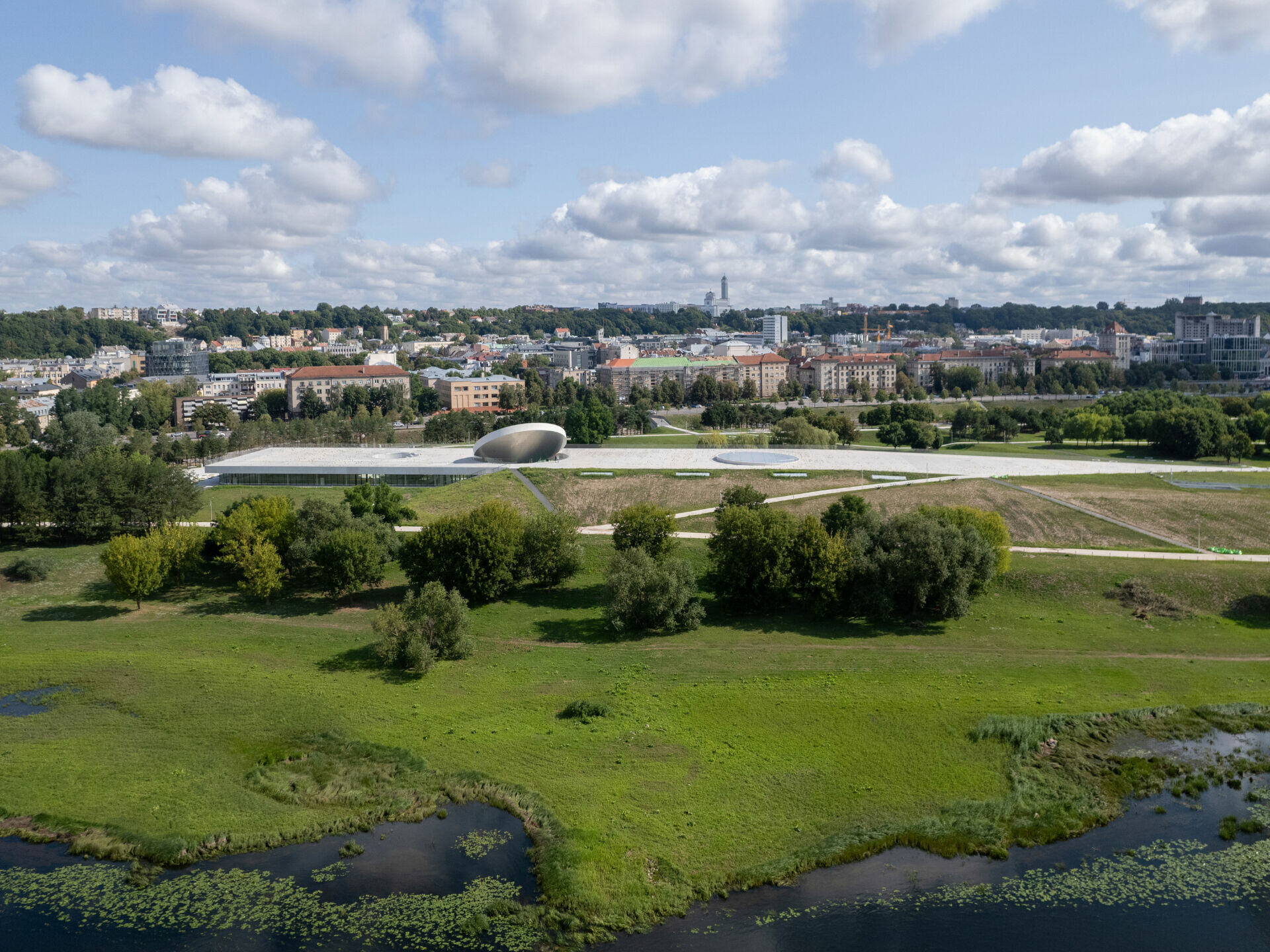
On the stone-paved streets of Kaunas Old Town, traces of the medieval city still linger in the urban fabric. Greenery lines the route, and the changing seasons register quietly in the streetscape. The shadows cast by historic facades mark the sun’s path across the day. Along the riverbank, the Nemunas River wraps around an island and holds it close to the city. Nemunas Island has the calm of a secluded urban garden, a green retreat where people can step away from daily life and return, if only briefly, to nature.


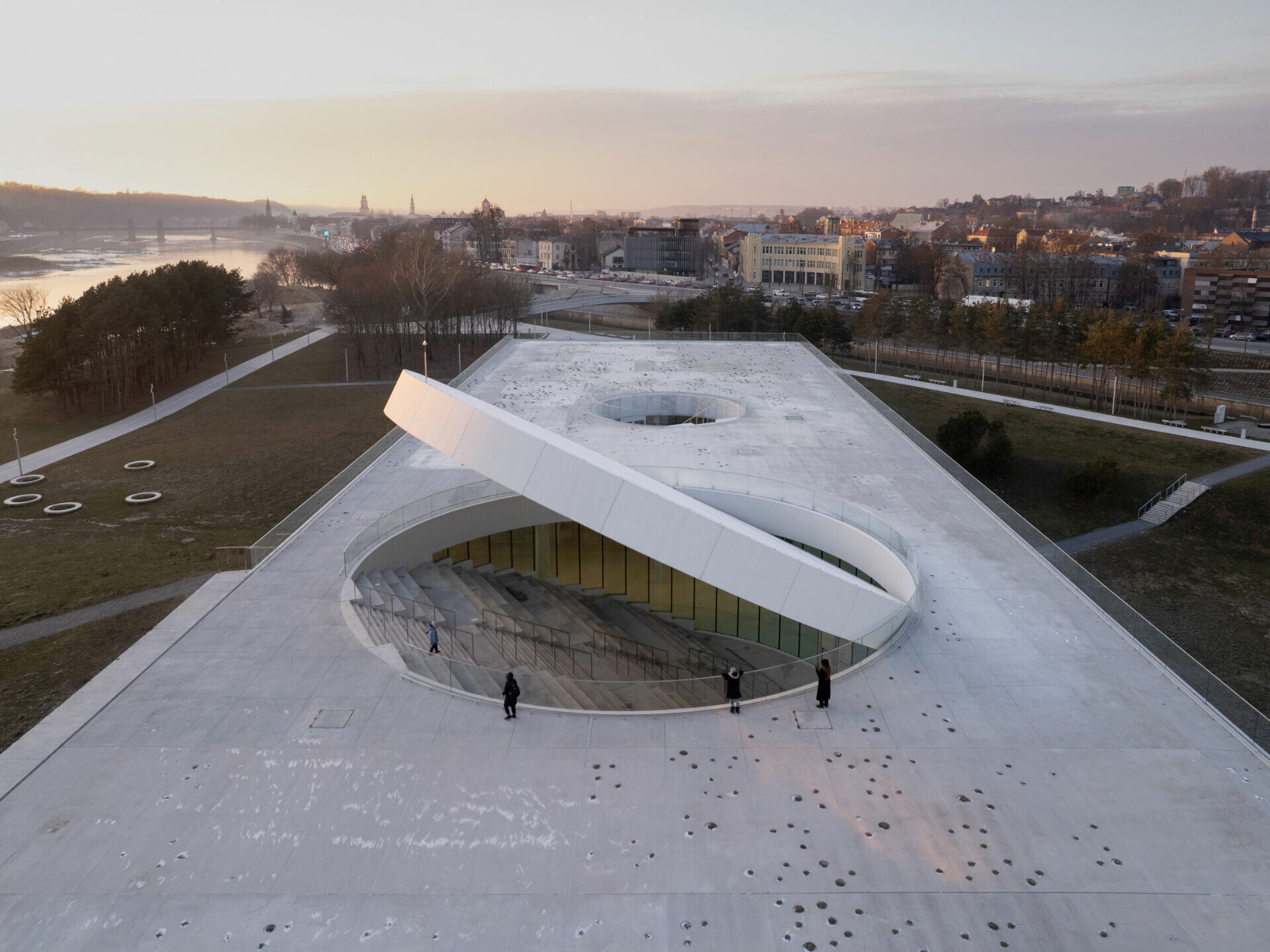
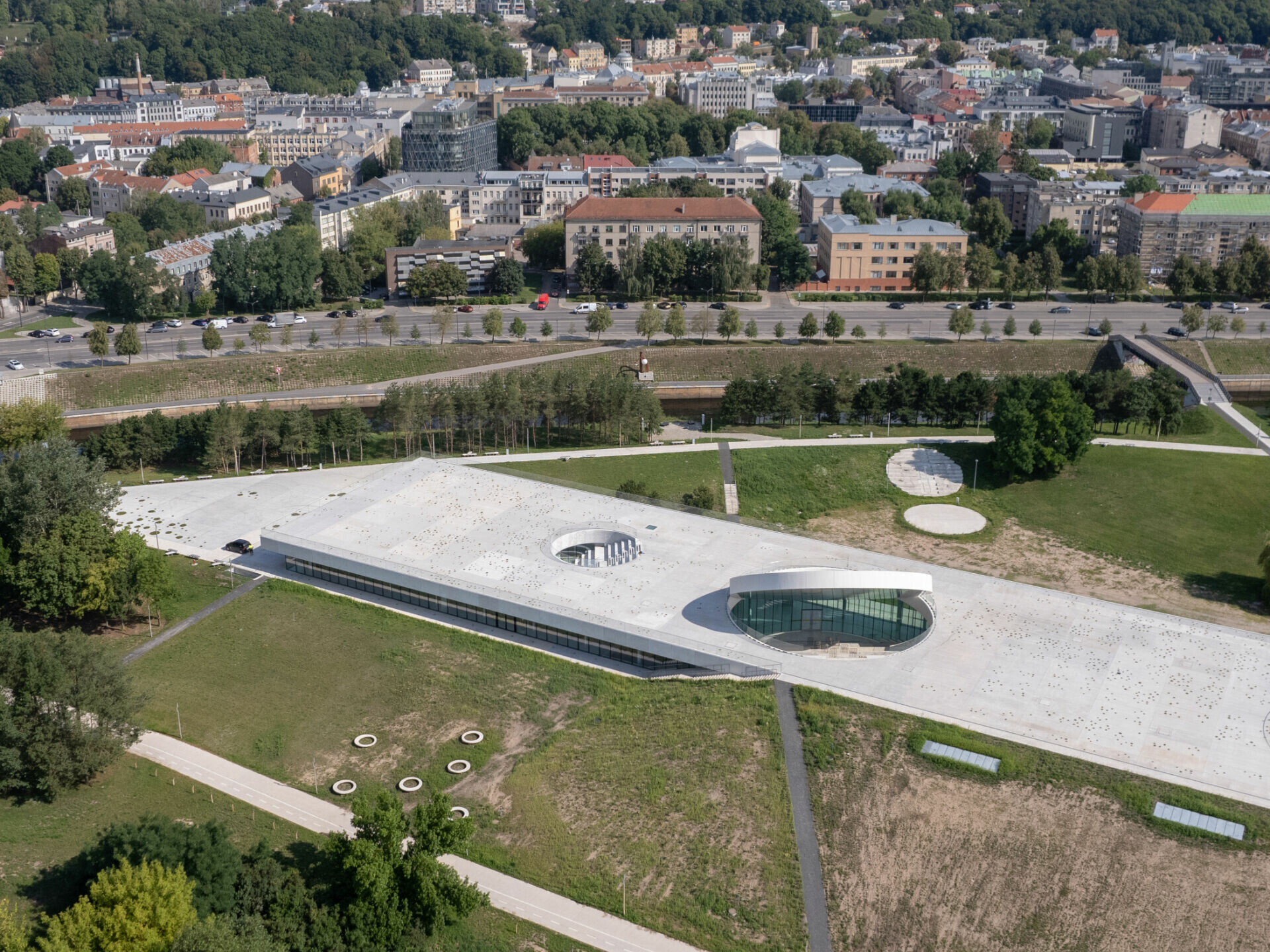
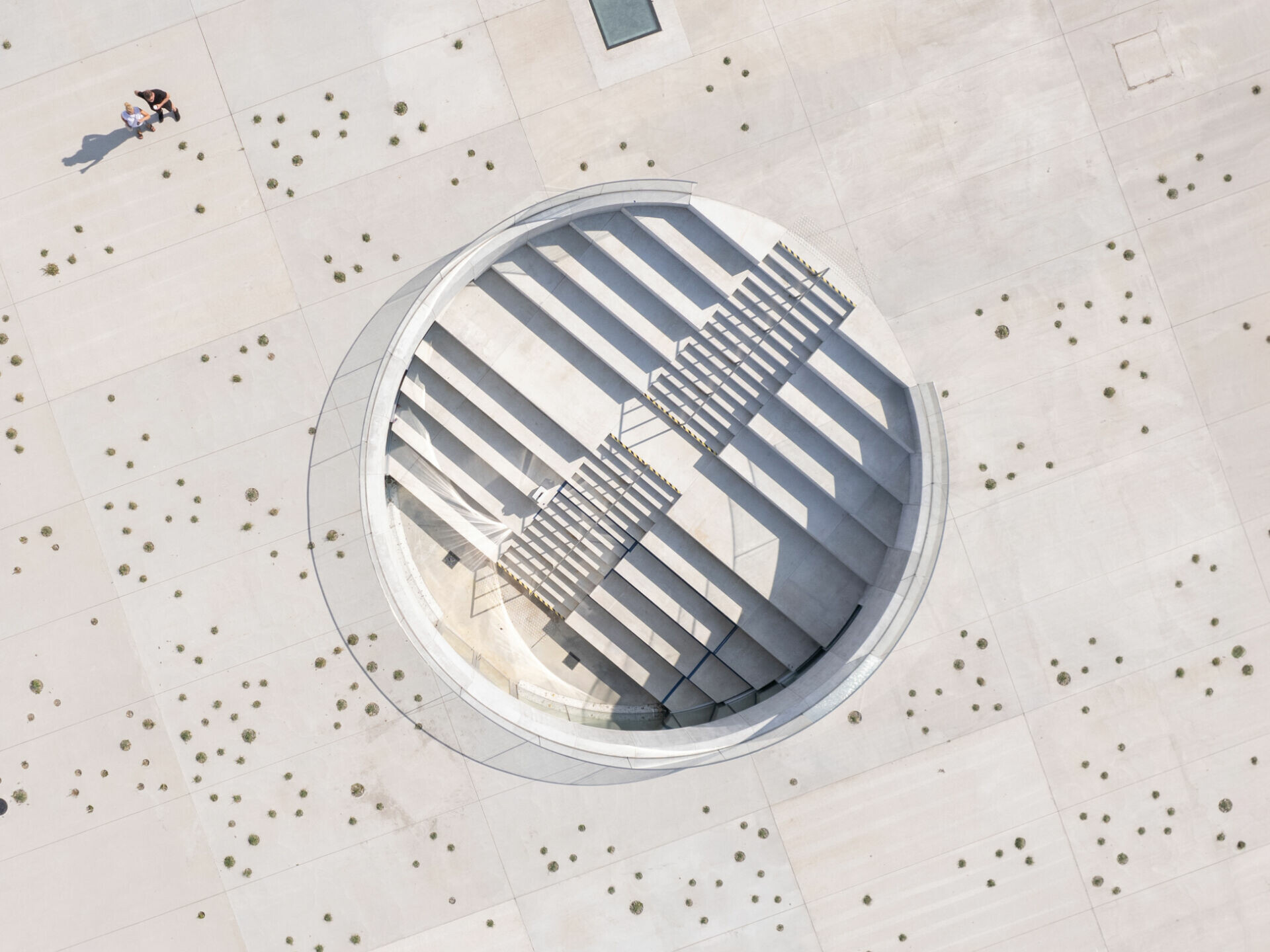
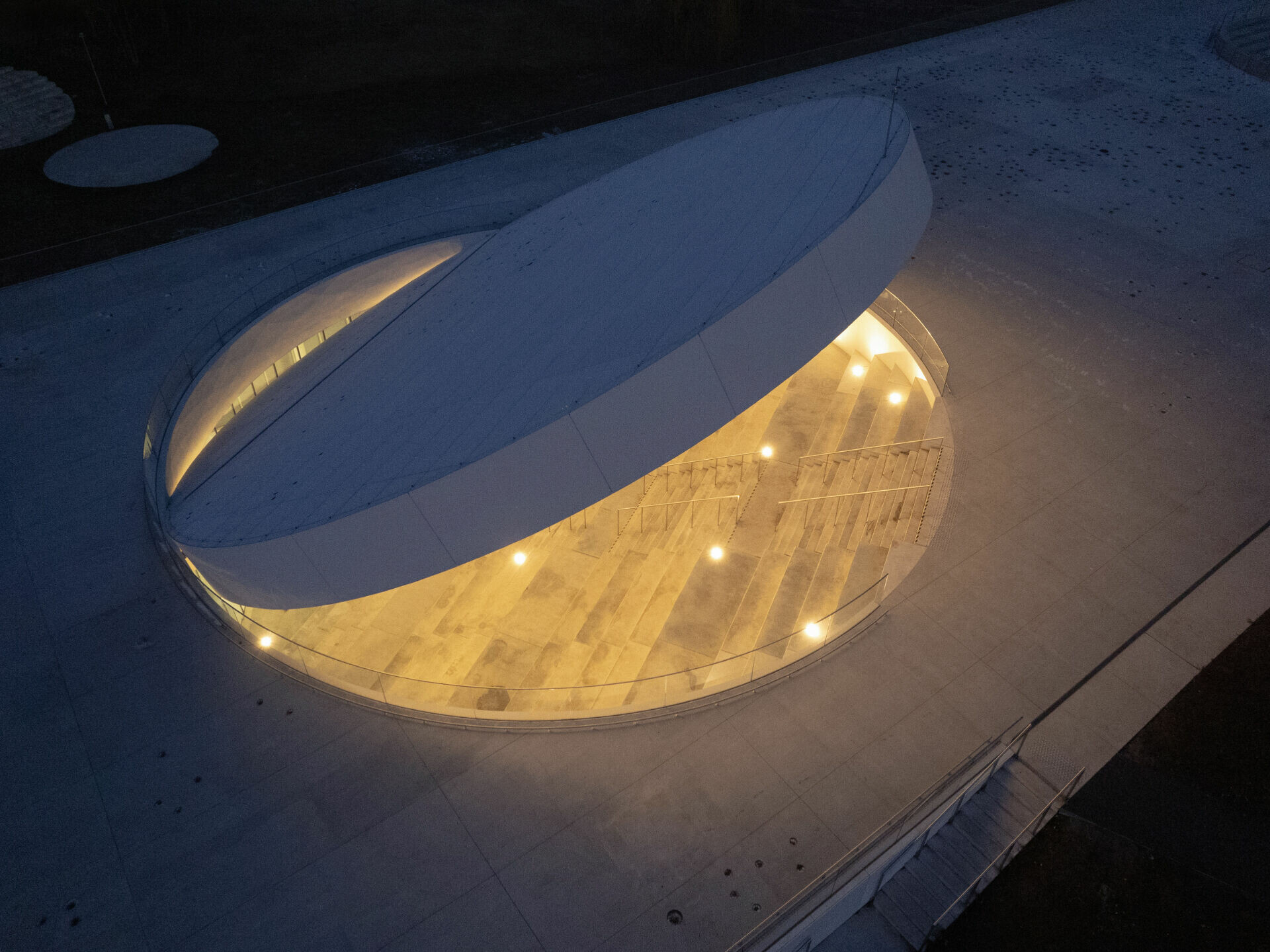
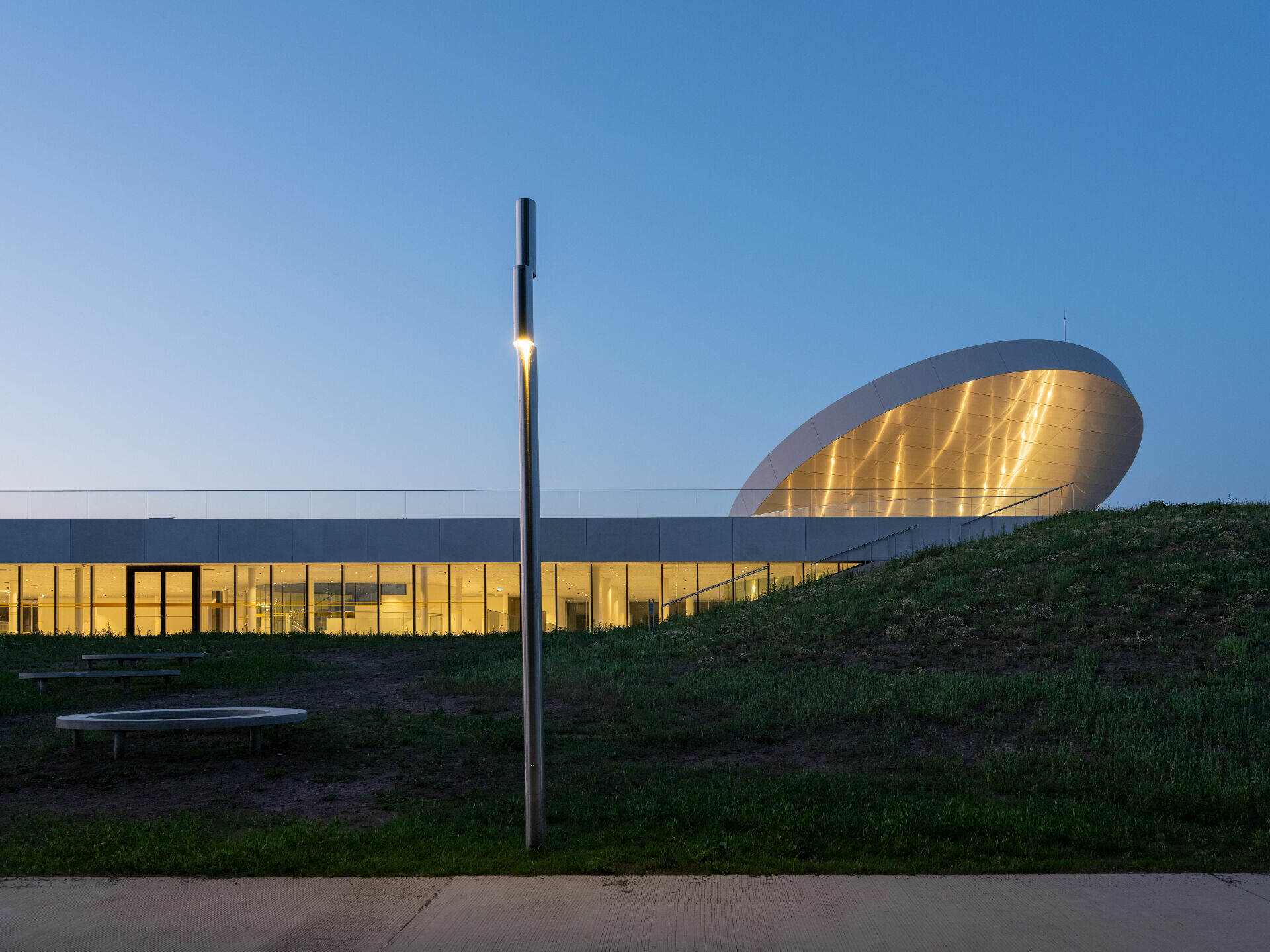
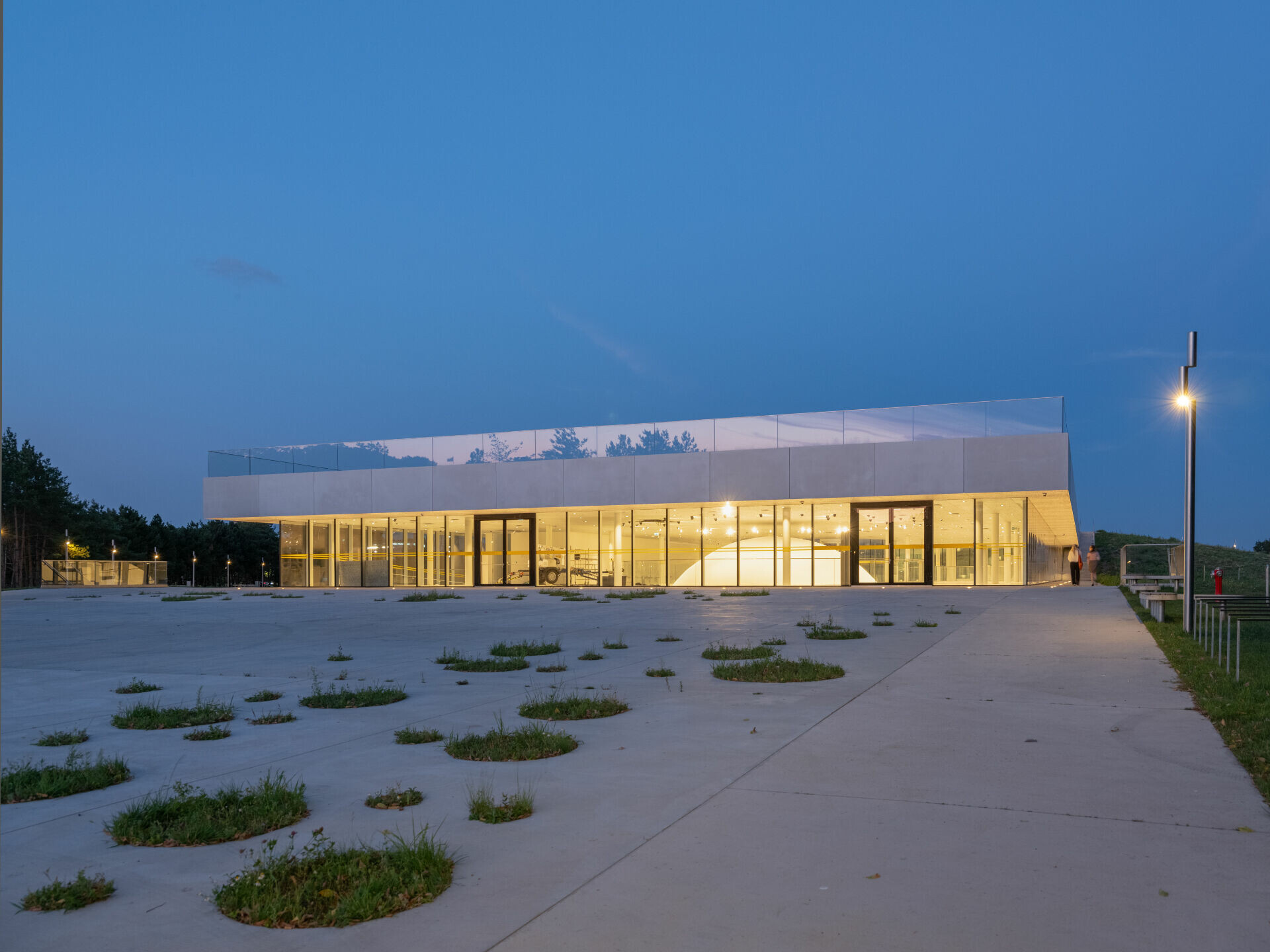
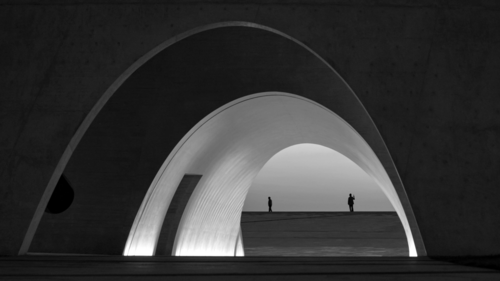
A bridge leads to the Science Island Museum (Mokslo Sala), Lithuania’s first Science and Innovation Promotion Centre. The building follows the island’s topography, forming a low, elongated volume that runs parallel to the water. From a distance, it reads less as a standalone object than as a public platform set into the landscape. Planted with native vegetation, the roof allows visitors to move onto the building, pause, look out and sense how the museum settles into the island’s natural slope. Circular access points on the roof serve as public stages and natural seating areas, while the partially sunken plan softens the seam between architecture and ground. At the main entrance, a sloping, reflective upper disk rises from the roofscape, drawing visitors inward and opening a route into the museum’s exploration of science and the environment.


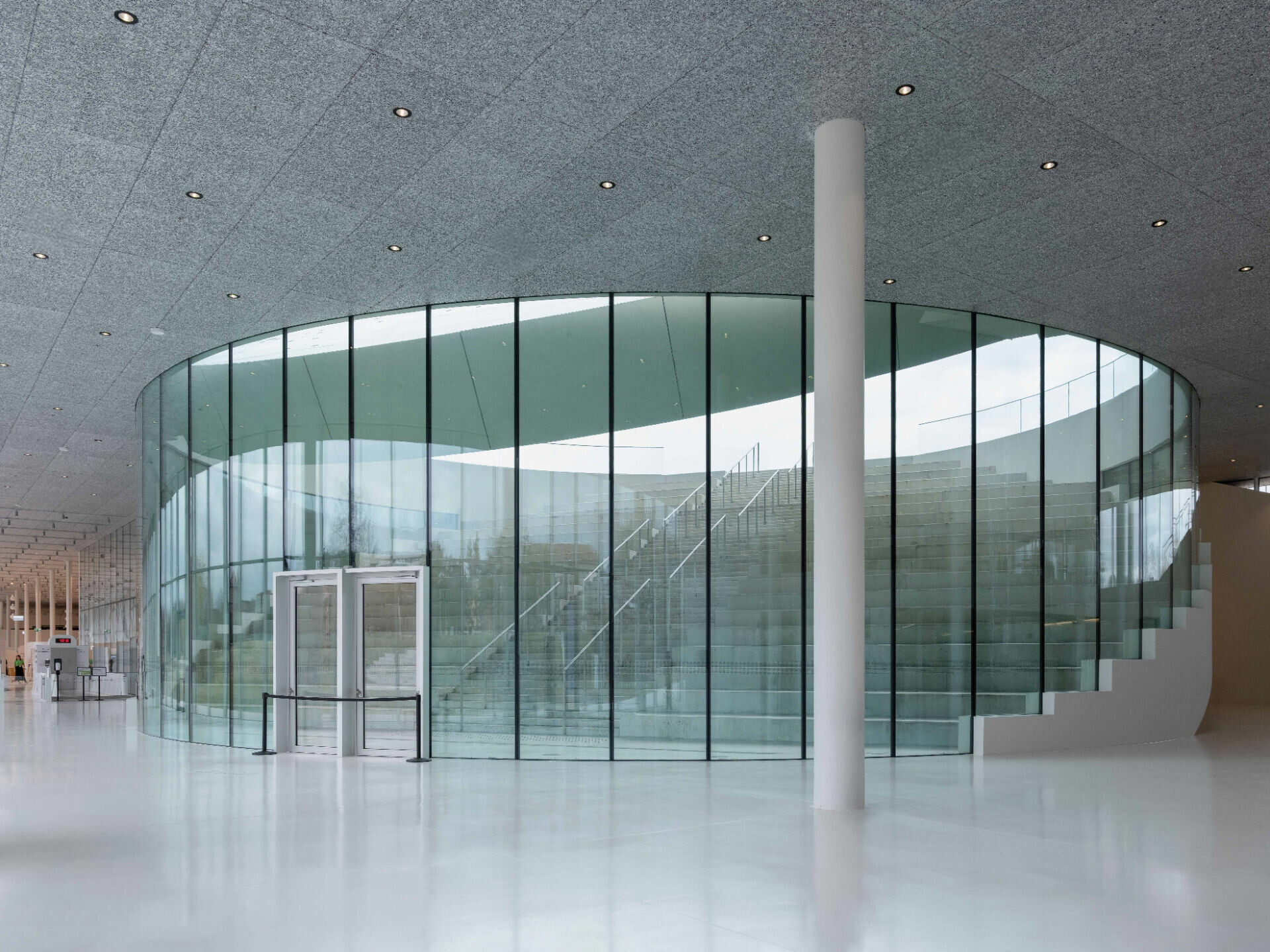
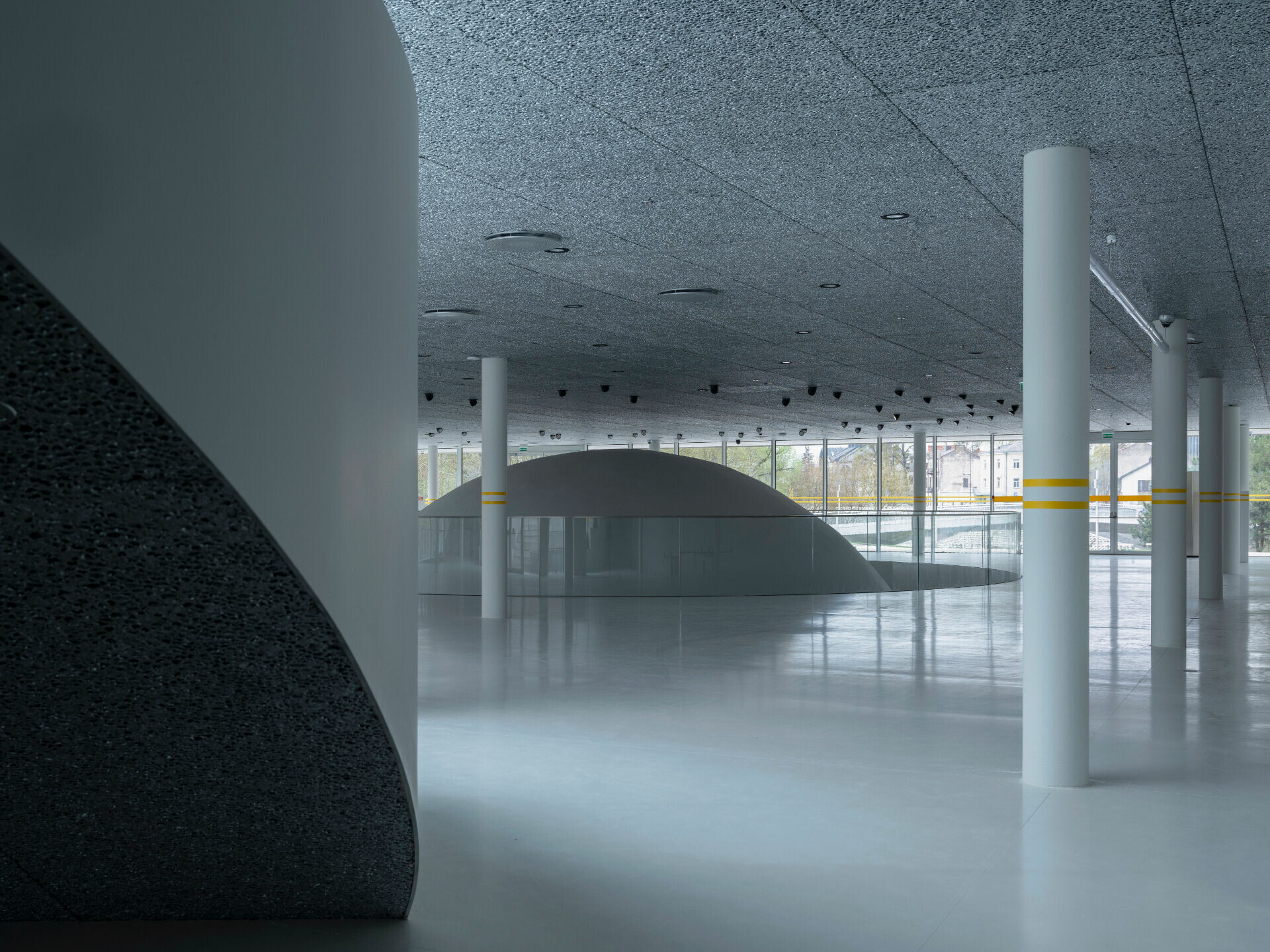
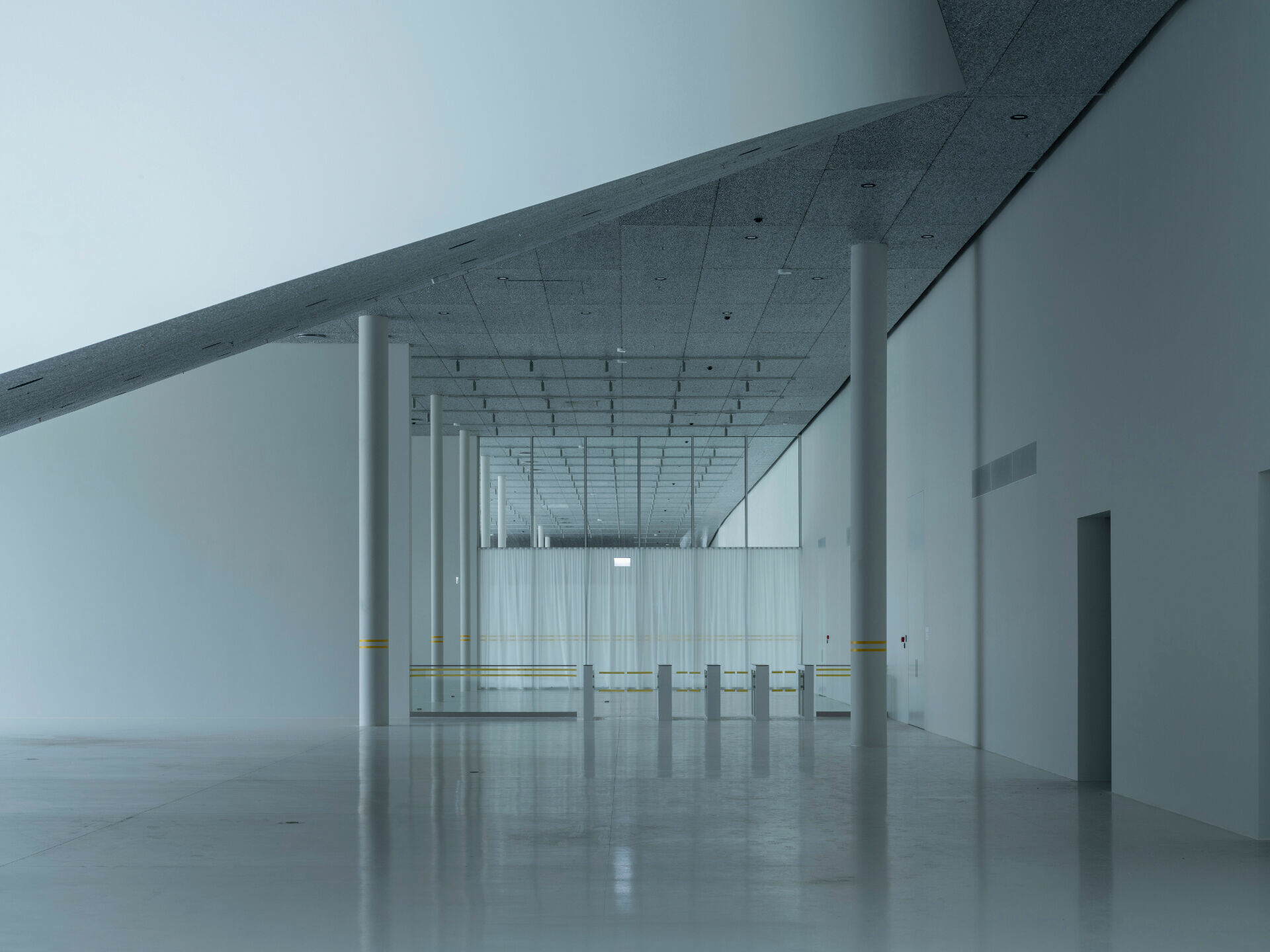
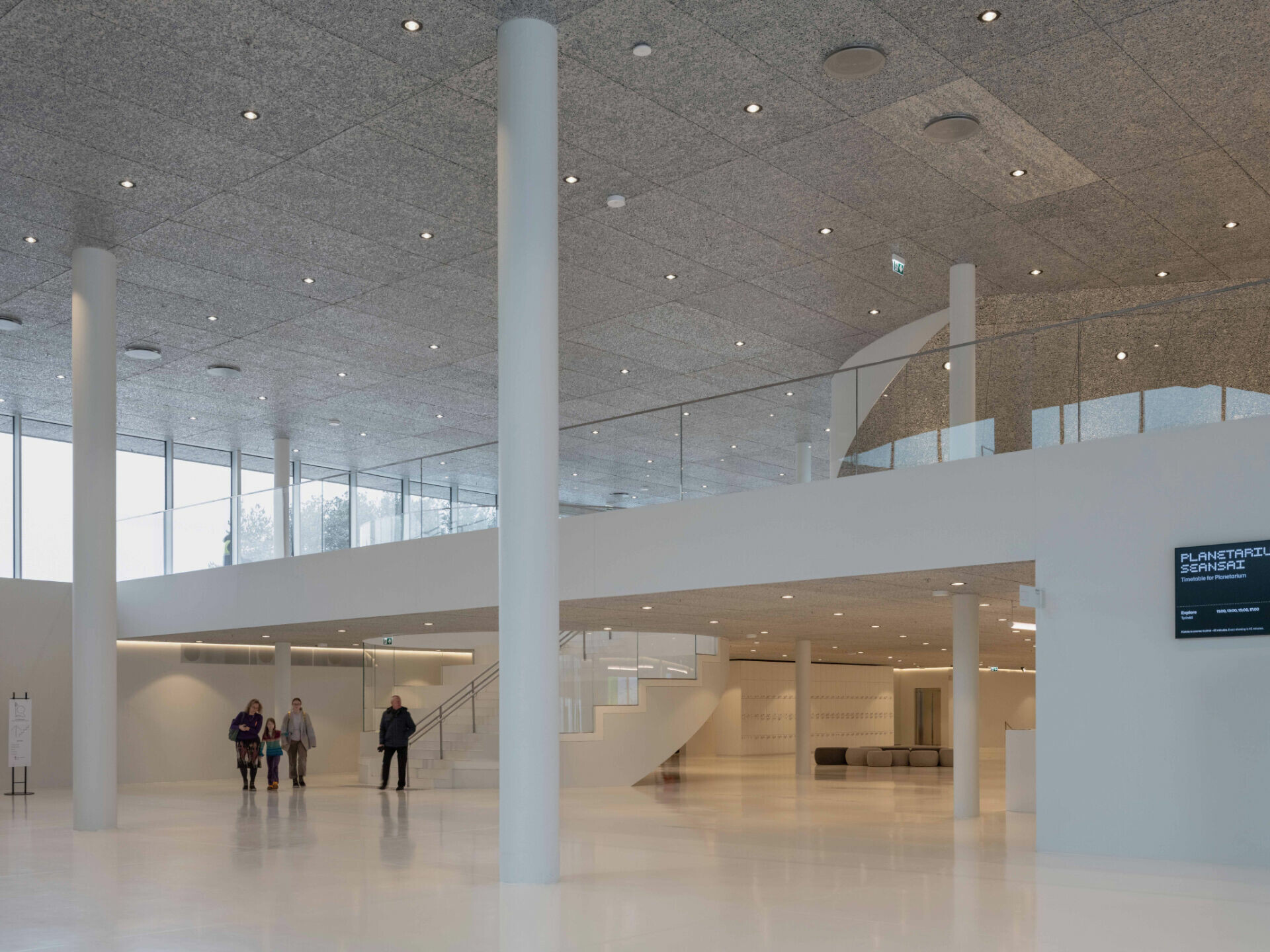
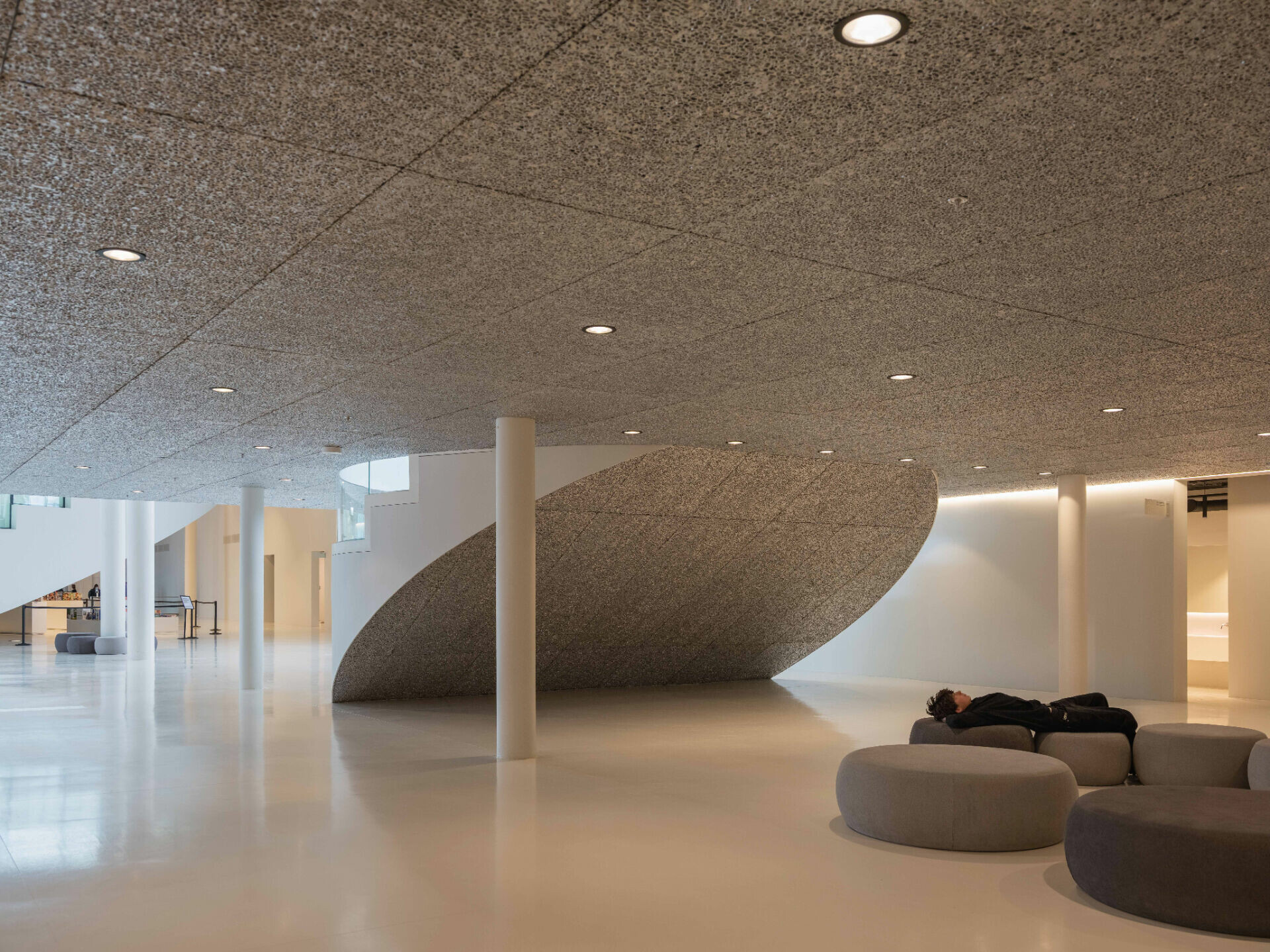
SMAR Architecture Studio first proposed the project in 2016 through its competition-winning concept, The Sun Never Sets for Science. The museum opened in late 2024. Its defining architectural gesture is the sloping, reflective upper disk: a metal surface that captures the surrounding landscape, softens daylight and brings a diffuse luminosity into the interior. Inside, ceiling panels made from recycled aluminium foam further temper the light, allowing illumination to become part of the museum’s atmosphere rather than merely a technical provision. At night, the disk reflects artificial light from within the building and appears as another luminous presence on the island, a new sun for Kaunas that recalls the project’s central idea: science is always awake, searching for new answers.


Visitors descend into a museum with around 140 interactive installations, a state-of-the-art planetarium and four STEAM laboratories spanning science, technology, engineering, the arts and mathematics. The building also supports cultural and educational activities. Yet the project’s value lies not only in its programme, but in the spatial attitude behind it. Public exhibition areas and back-of-house laboratories and offices are treated with equal care. Rather than being pushed to the margins, laboratories and workspaces receive natural light and views of the park. Weather, seasonal change and daylight are not treated as background conditions. They become part of the spatial experience, allowing visitors and staff to understand the environmental sciences through movement, perception and the changing atmosphere of the place. In this sense, the museum loosens the familiar image of what a public cultural venue can be, allowing learning to extend beyond the scale and boundaries of the building itself.


The museum’s central question is direct: “What if we knew more?” The answer may begin with ordinary moments: sitting on the roof and looking up at the sky, wondering how celestial bodies move, or suddenly asking what secrets might lie beneath the soil underfoot. These passing thoughts can become openings into the unknown. Here, visitors of all ages learn through experiment, observation and visible natural phenomena, discovering how a seemingly static public building can set curiosity in motion. Ultimately, the Science Island Museum does not simply transmit knowledge. It gives architectural form to the human impulse to ask, observe and understand.


Design Studio | SMAR Architecture Studio @smar.studio
 
Photography | L.Mykolaitis @lukas.mykolaitis.docu
Sun Tower
Prev

Sun Tower

House 720 Degrees
Next

House 720 Degrees

  • About
  • Privacy policy
  • Track Order
  • Customer
  • Contact
  • Join us
FACEBOOK
instagram
Language

Copyright © WABISABI ISSUE. 侘寂傳媒有限公司 統一編號:90451315

  • Projects
    • Worldwide
    • Interiors
    • Features
  • Contemporary
    • Exhibitions
  • Record
  • Lifestyle
  • City Explore
  • News
  • Issue
  • About
  • Privacy policy
  • Track Order
  • Customer
  • Contact
  • Join us
Language