➤ Vasto Gallery. Photography | Salva López @salvalopez
Tracing Multiple Layers of Clues to Reframe the Boundary Between Living and Architecture—Mesura
When life unfolds within radically different natural and urban conditions, should architecture, whether a domestic interior or the built environment at large, adjust its tone and narrative accordingly? Across Mesura’s body of work, projects that may initially appear independent gradually reveal an interconnected sequence of stories. Together, they show how the studio treats exploration not as an aesthetic gesture, but as a method that repeatedly redraws the boundary between everyday life and architecture across shifting landscapes, cultures, and densities. Looking closely at four of these works makes it clear that no single perspective is sufficient. Meaning emerges through time by observing the surrounding environment, understanding local histories, attending to craft embedded in materials and objects, and allowing sensory experience to register both what is tangible and what remains elusive. Through this process, contexts are reorganised, dialogues begin to form, and dispersed clues are assembled into a coherent spatial narrative.
➤ Vasto Gallery. Photography | Salva López @salvalopez
Casa Ter
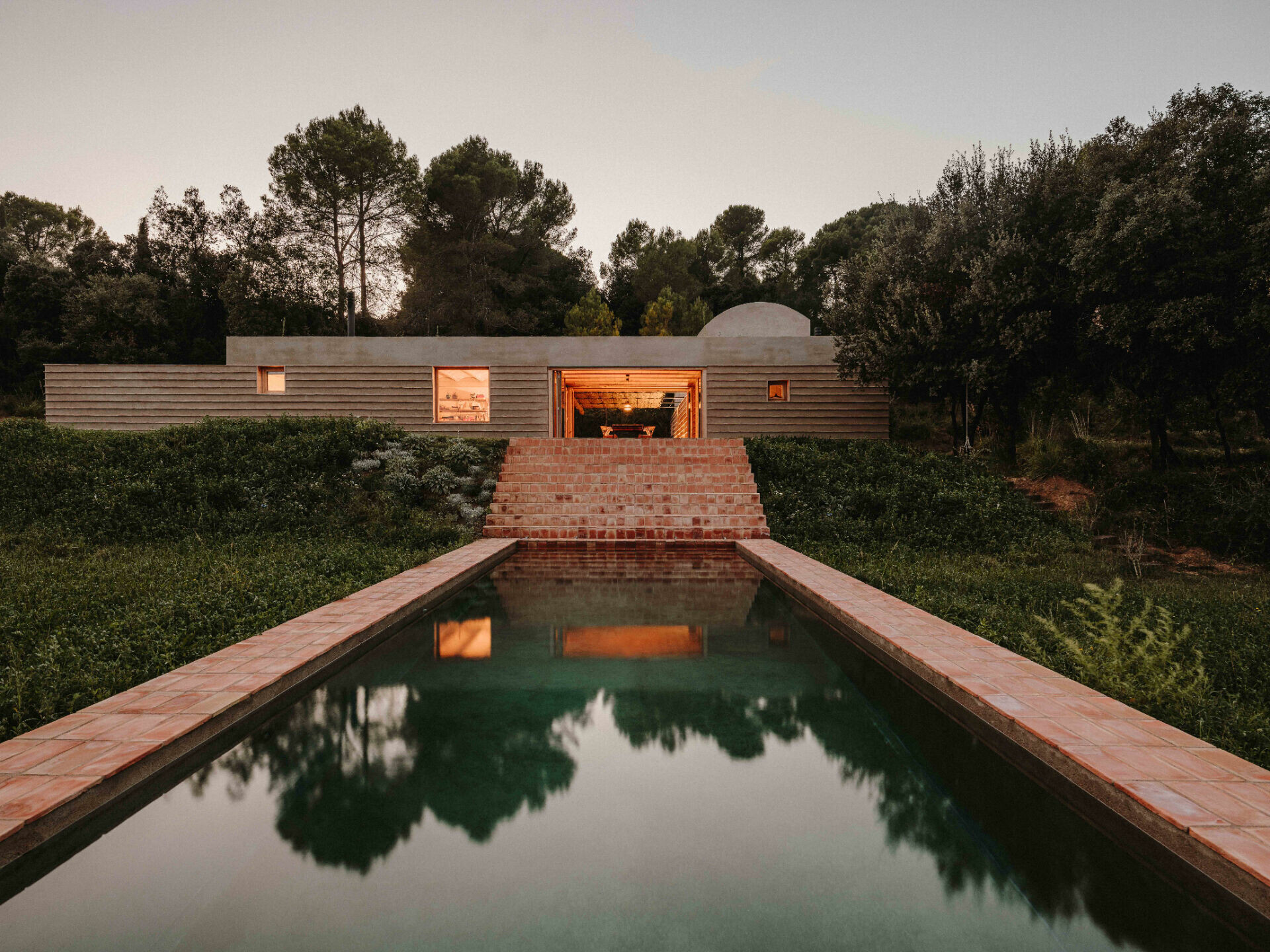
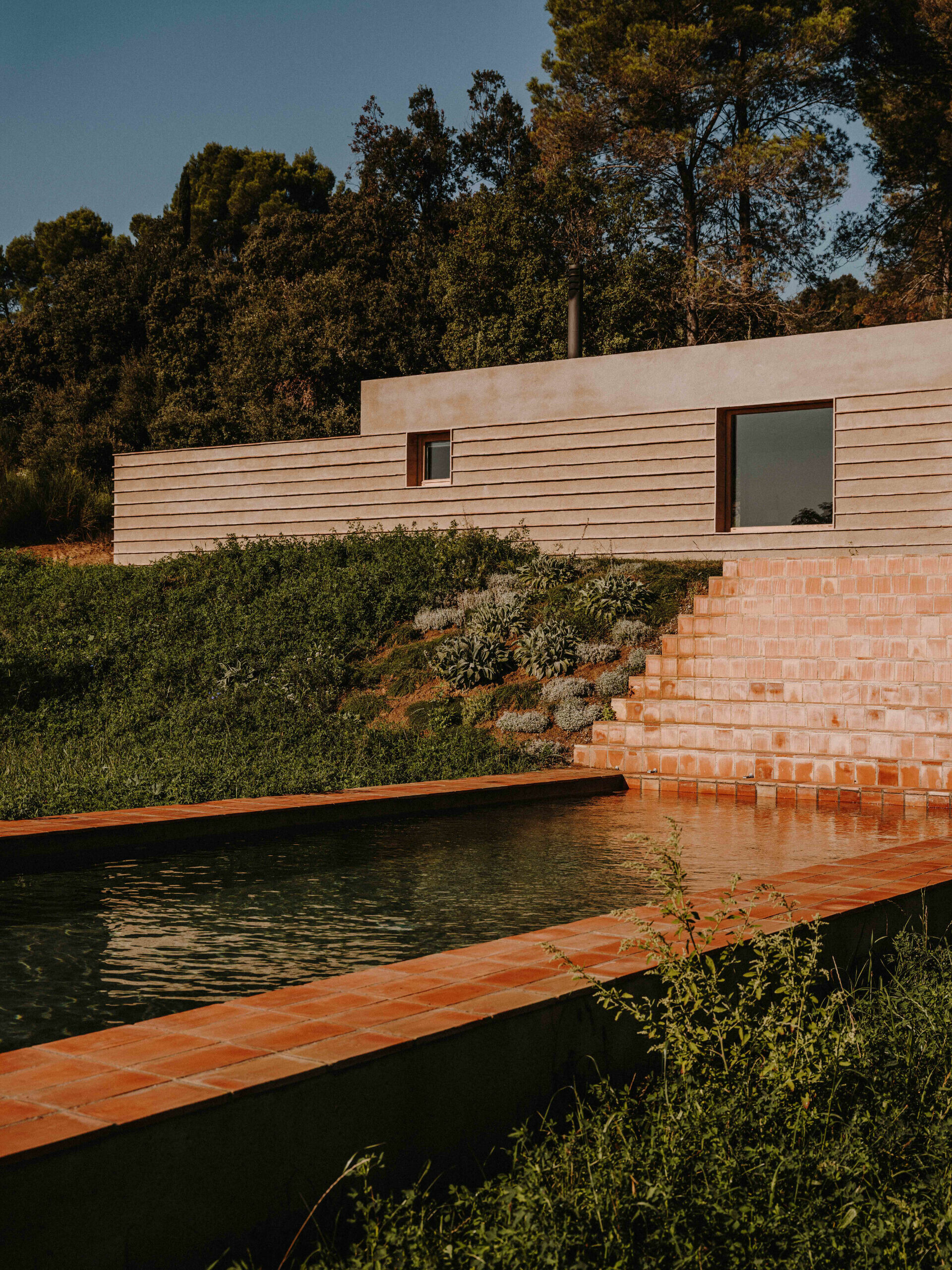
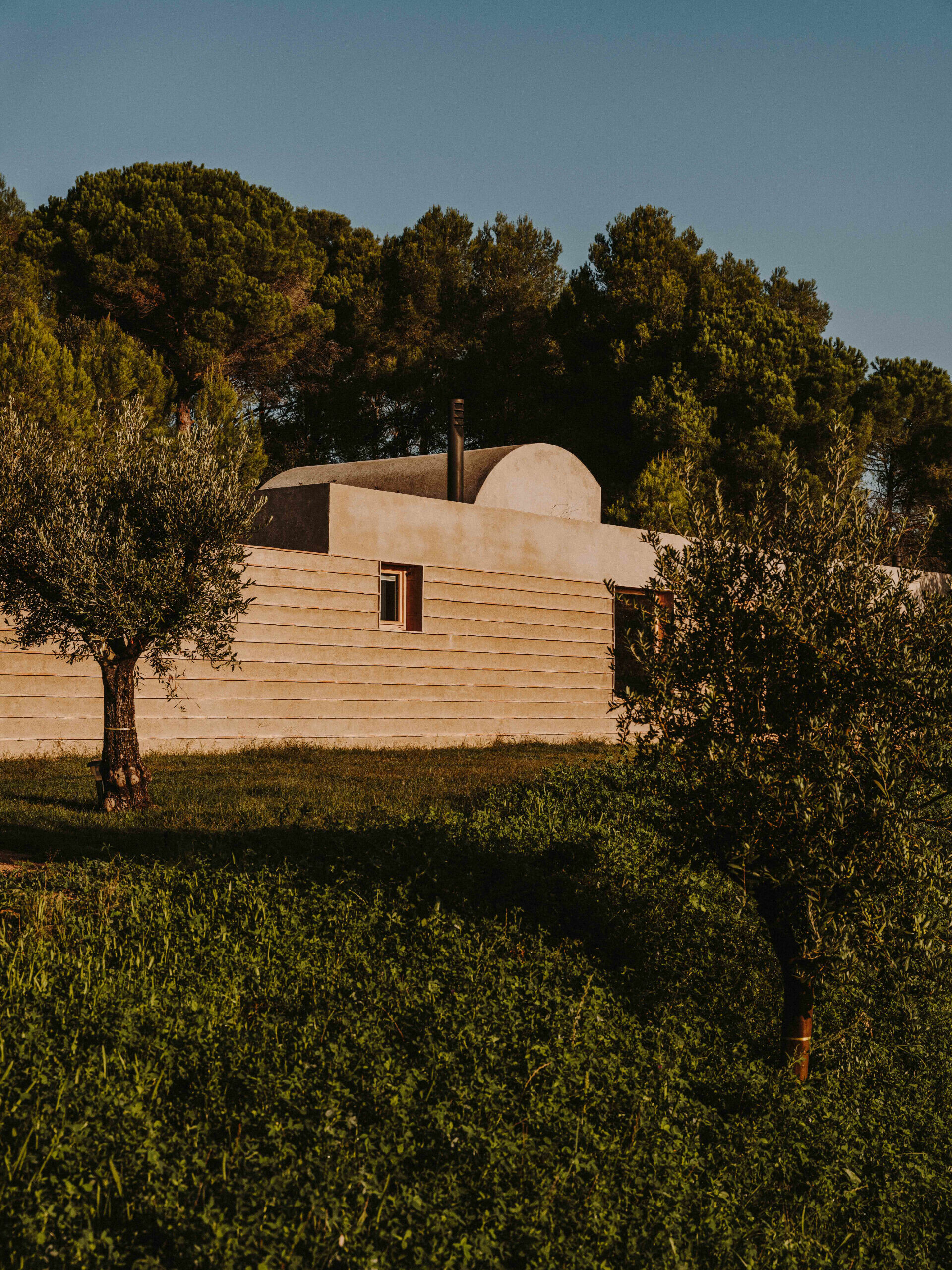
While some are attuned to the pace and intensity of urban life, others seek the quieter intelligence of rural settings, where daily routines remain closely aligned with climate and terrain. Casa Ter, located in Baix Empordà, Spain, responds to this desire with a deliberately low-profile presence. Two rectilinear volumes are arranged in an L-shaped configuration, opening three distinct orientations toward the surrounding landscape: sea, hills, and agricultural fields. In this way, the changing environment becomes an integral part of everyday living.
➤ Casa Ter. Photography | Salva López @salvalopez
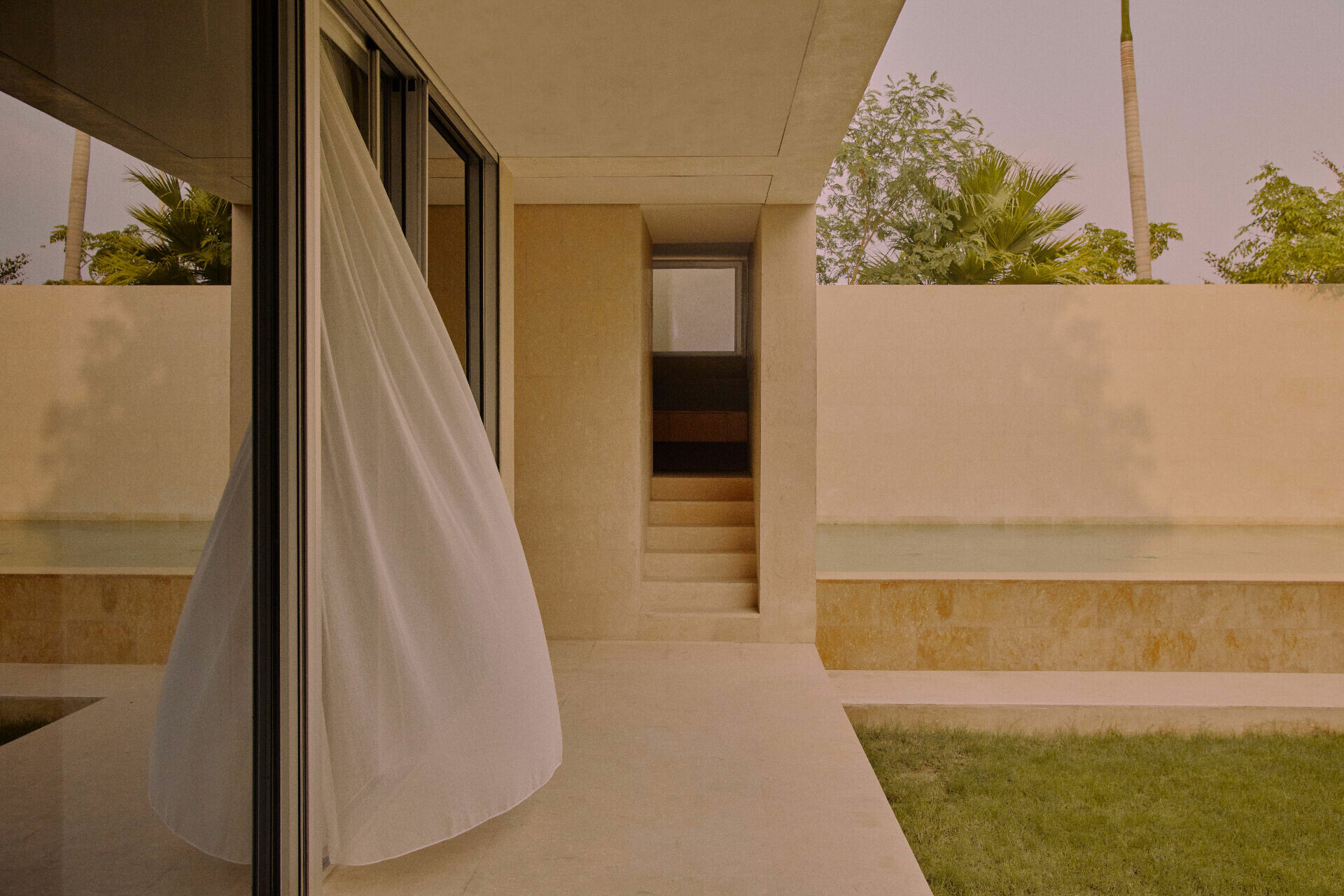
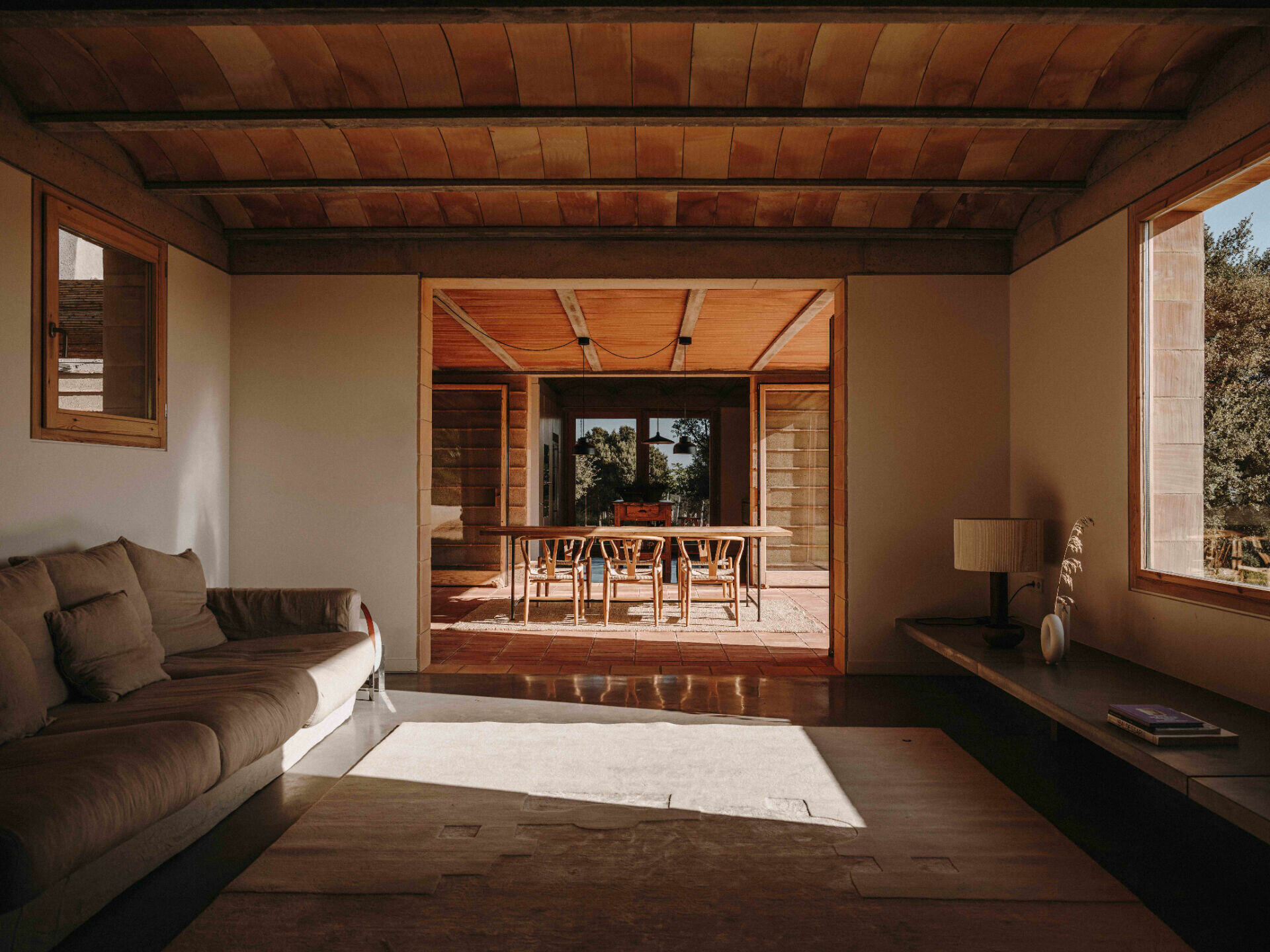
Rather than relying on expansive glass façades, the house employs carefully positioned openings that frame specific views and incorporate them into daily routines. Along what appears to be a discreet circulation route, a traditional porch element extends outward from the kitchen, forming a semi-outdoor dining space. Here, the mild Mediterranean climate is treated as a spatial resource. Gatherings are no longer confined indoors, and air movement, light, and vegetation are allowed to shape the experience of the room. Large sliding glass doors on either side of the dining area provide adjustable openness, enabling residents to modulate their relationship with the surroundings and move fluidly between interior and exterior life as seasons change.
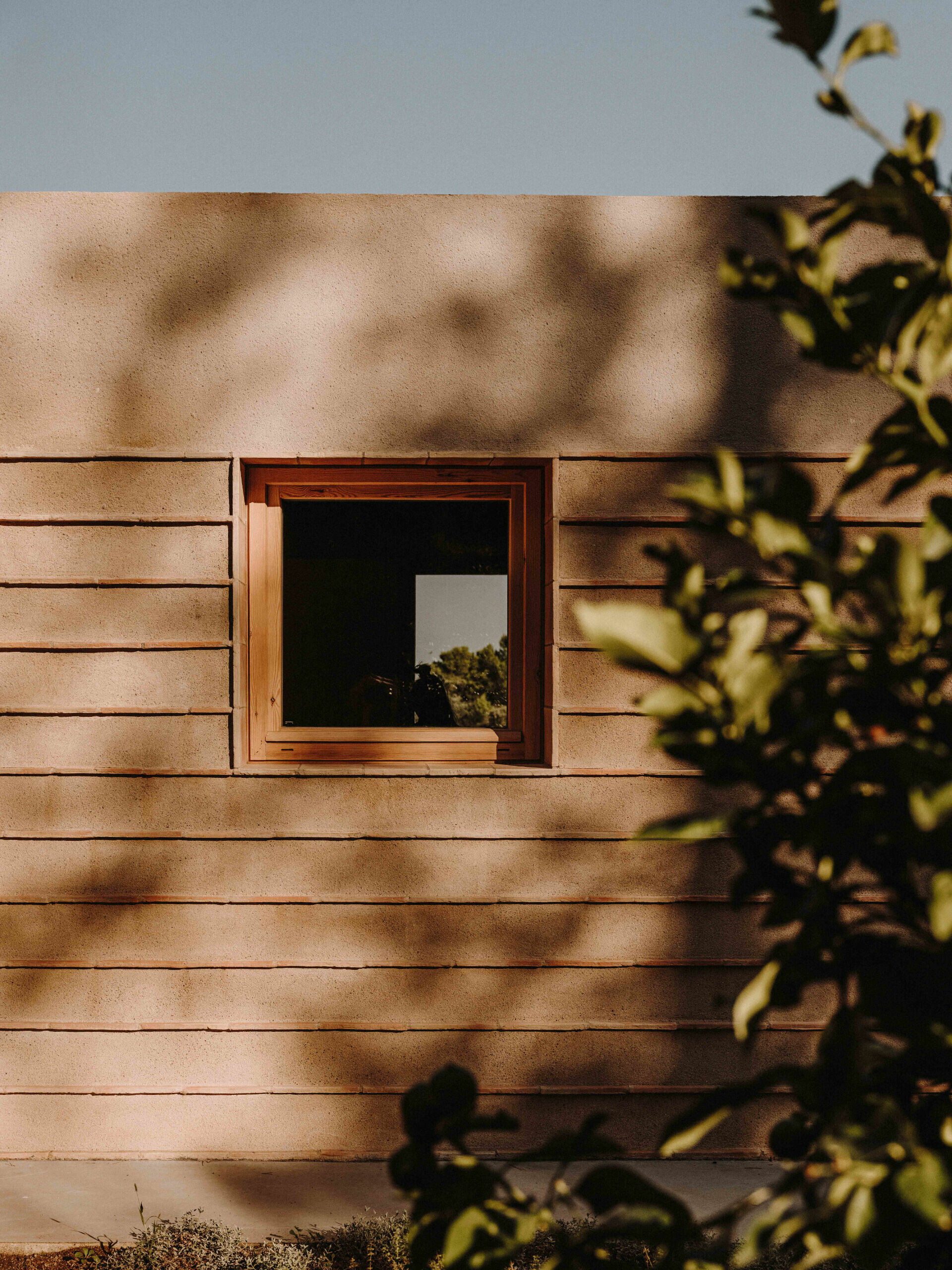
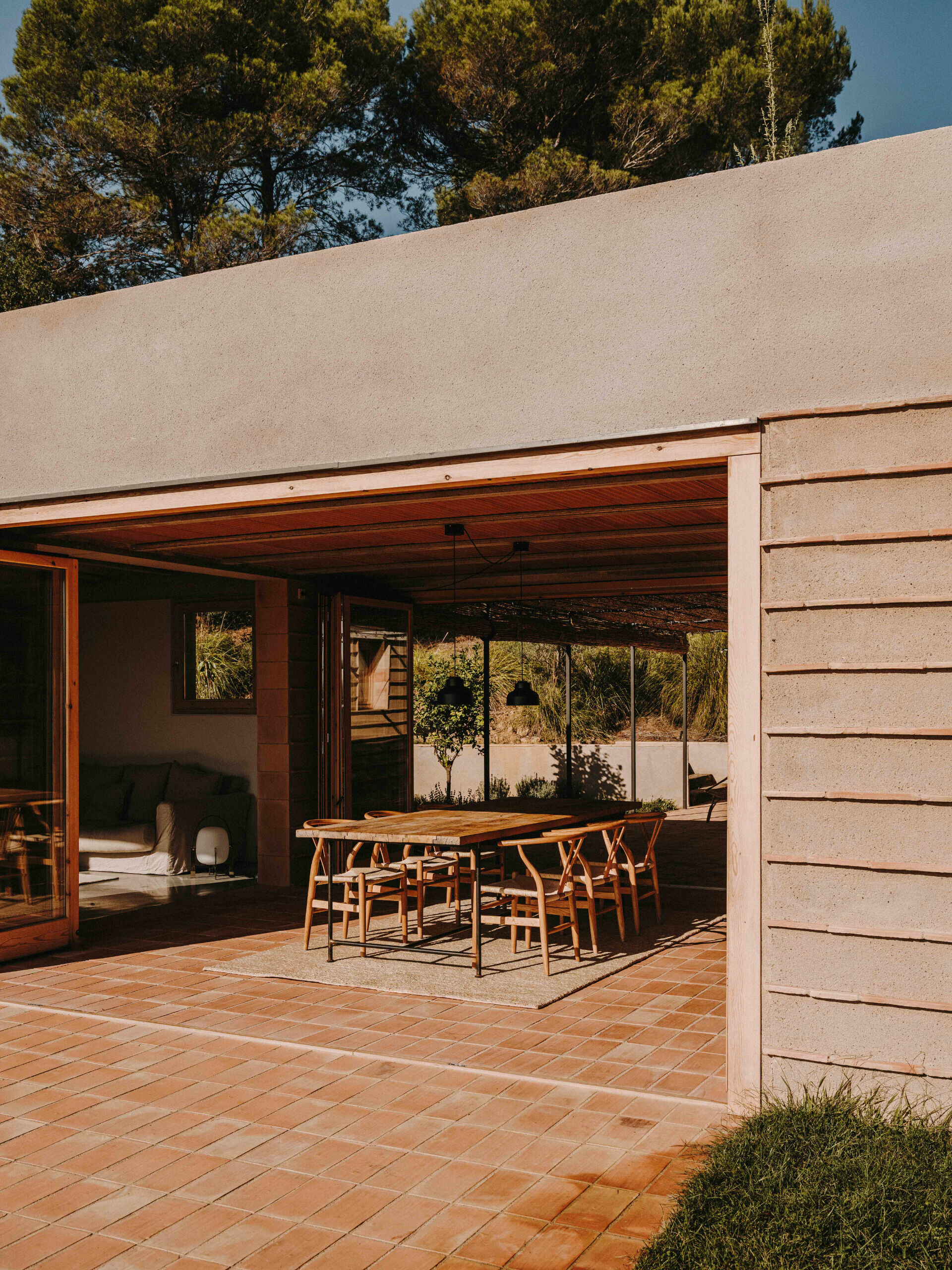
Viewed from outside or experienced from within, the project’s restrained geometry is not the result of a simple material palette, but of decisions informed by geography, history, culture, and ecology. In a research text titled La Descoberra del Paradis (The Discovery of Paradise), Mesura references the discovery of an ancient two-handled vessel along the Costa Brava. At the heart of Baix Empordà, the town of La Bisbal has sustained a ceramic tradition for centuries. Drawing on these local lineages, the architects layered cast-in-place concrete, Ter River stone, and ceramic elements into a pared-back yet tactile wall construction, anchoring the house materially and culturally within its landscape.
➤ Casa Ter. Photography | Salva López @salvalopez
Vasto Gallery
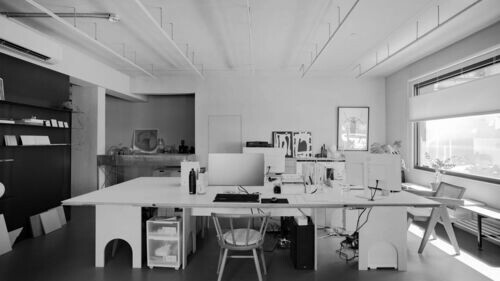
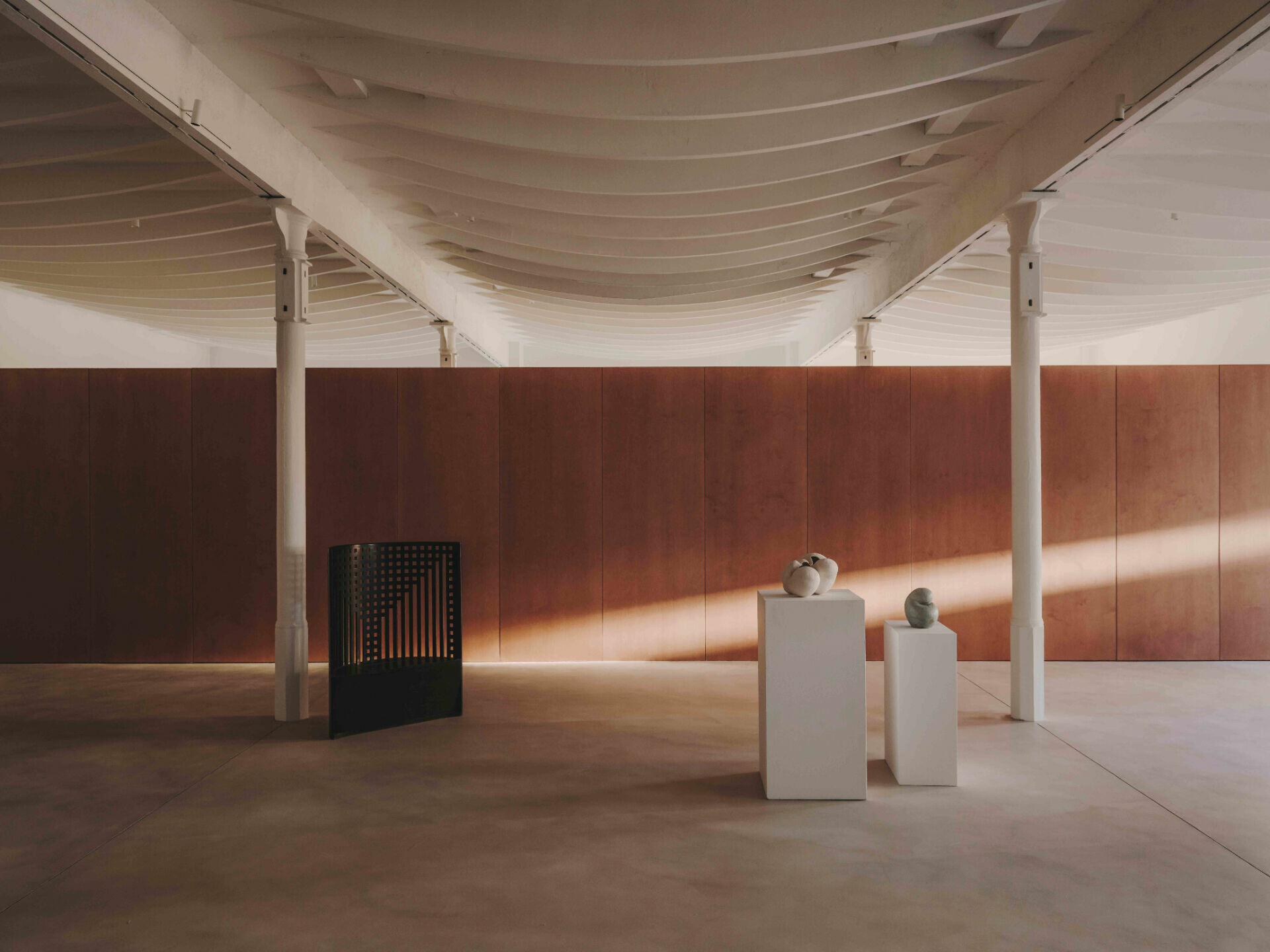
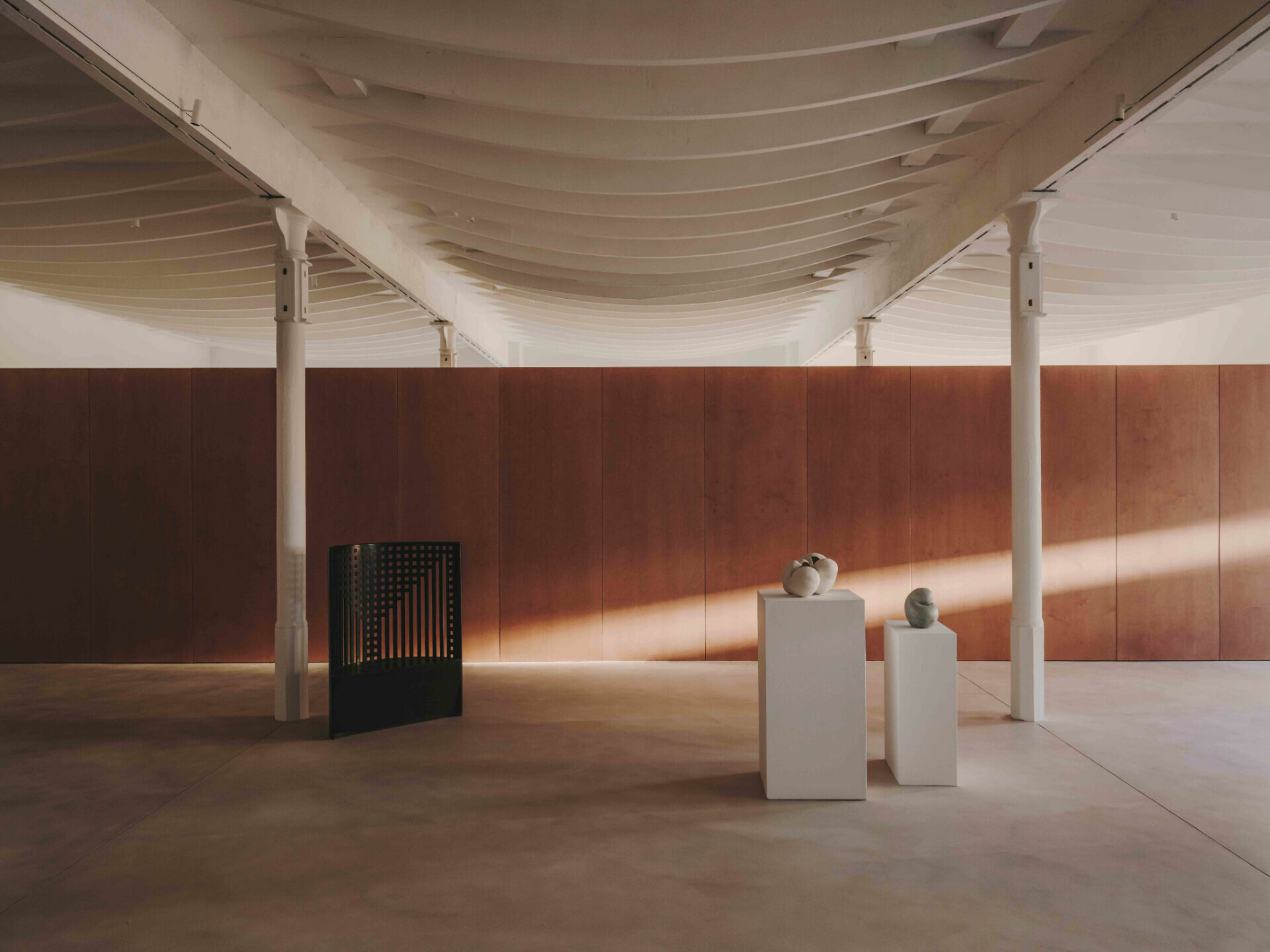
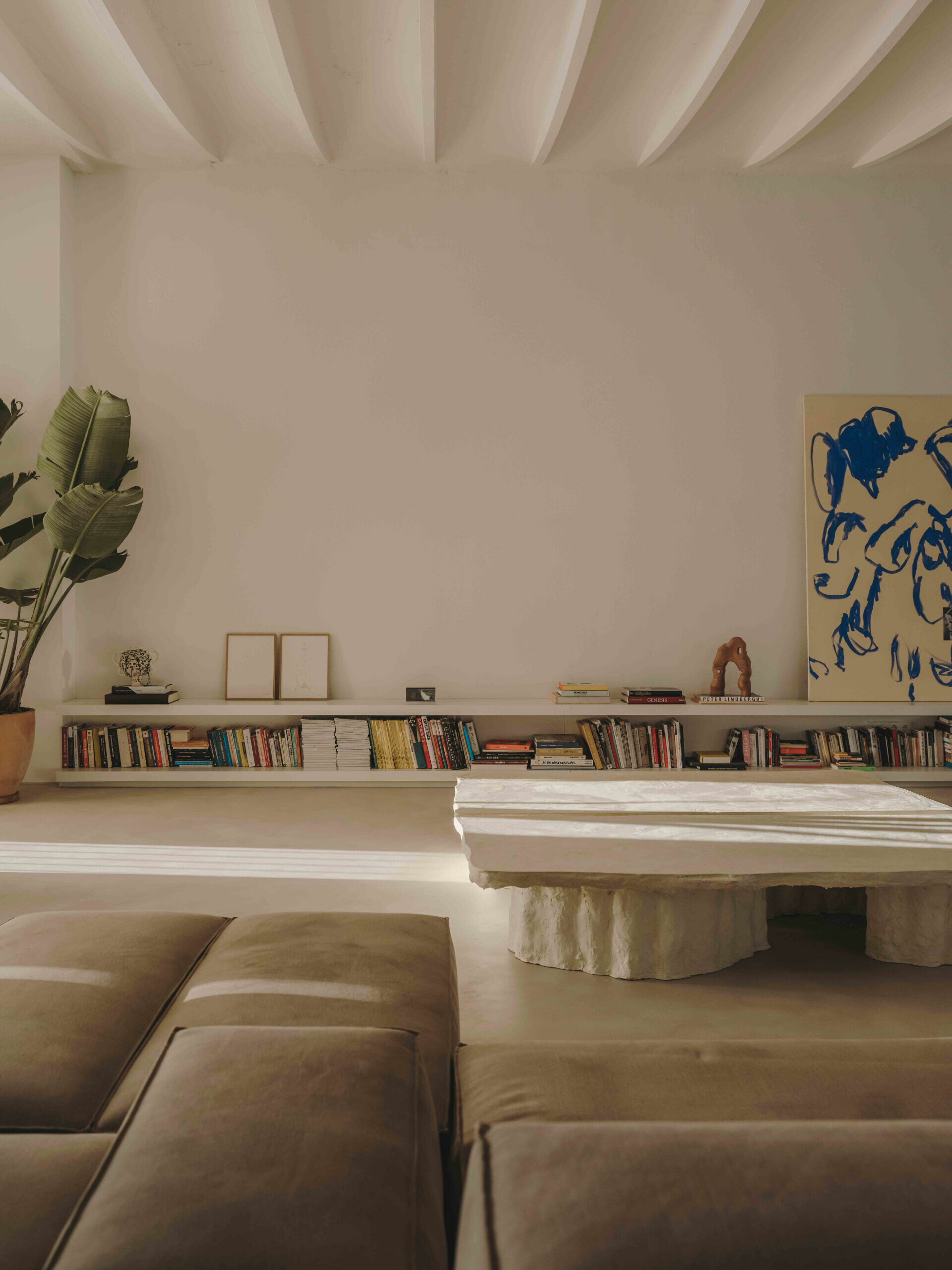
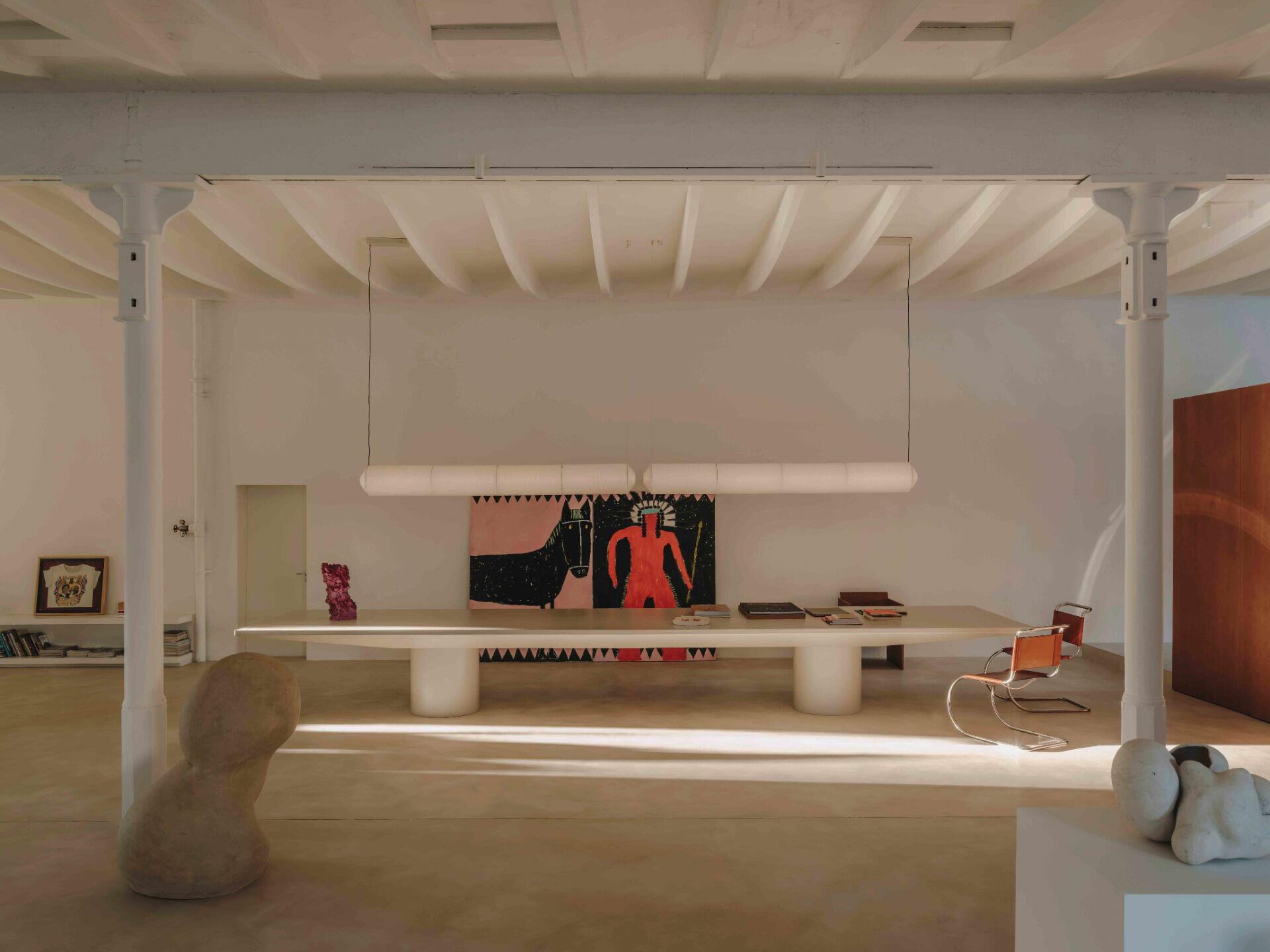
In contrast to rural domesticity, an owner deeply engaged with minimalist art chose to transform a former industrial space in Barcelona into a residence that also functions as an art gallery, allowing living and exhibition to shift fluidly within a single spatial framework. Mesura worked with the building’s existing openness and daylight from three sides. Above, a sequence of fishbone-like barrel vaults, carried by two rows of slender steel columns, makes the structural logic of the former industrial shell both legible and quietly expressive.
➤ Vasto Gallery. Photography | Salva López @salvalopez
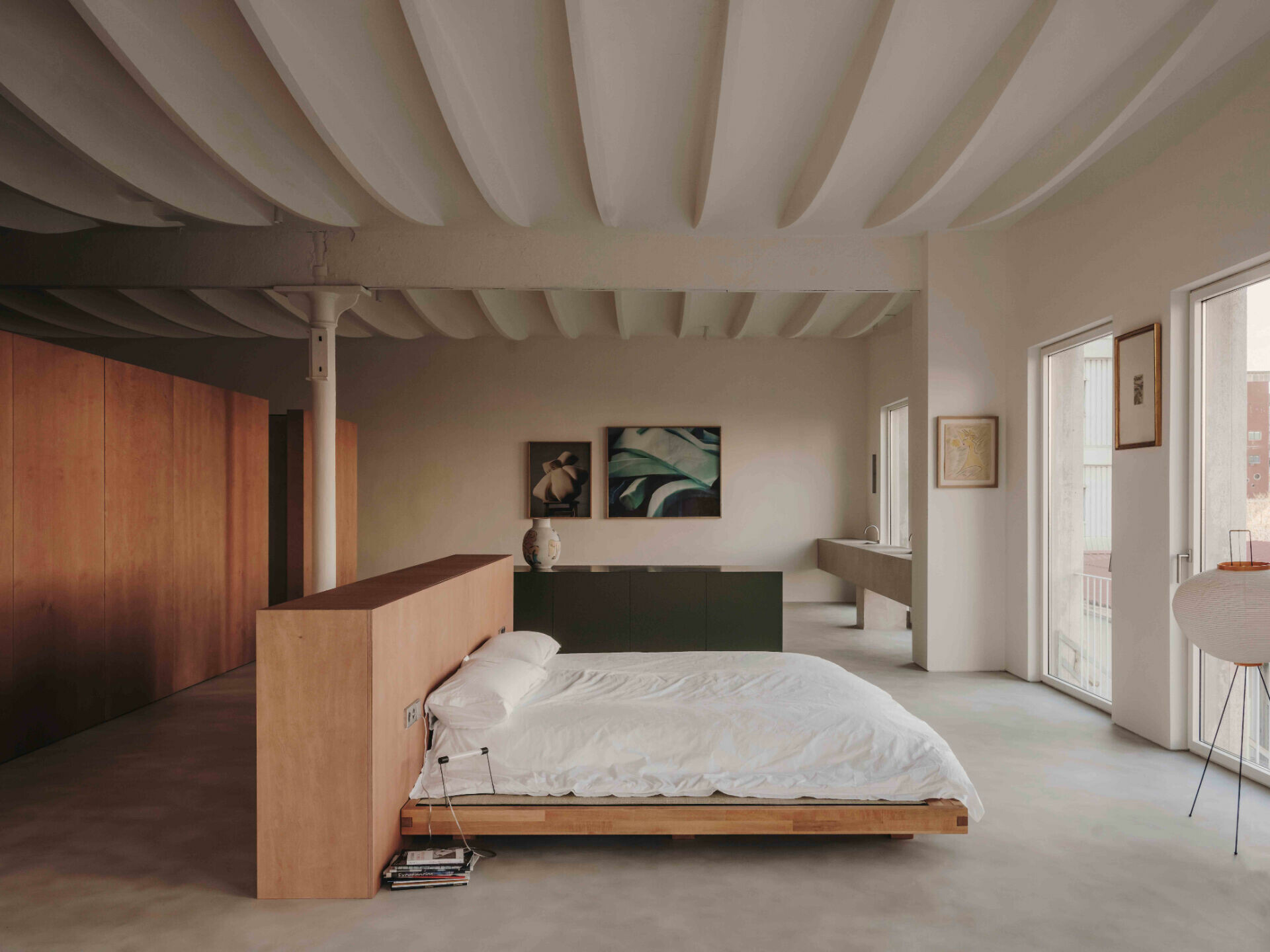
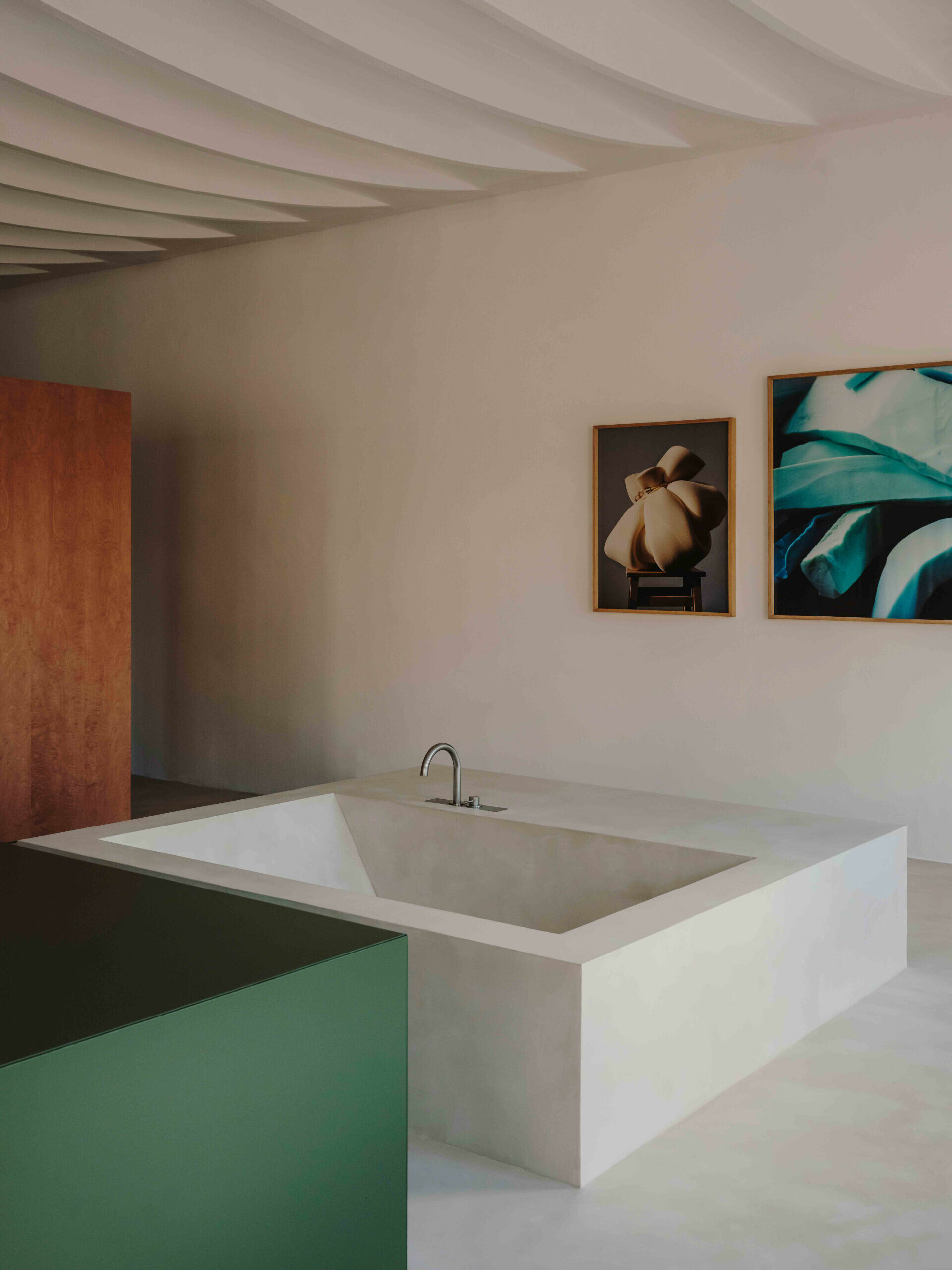
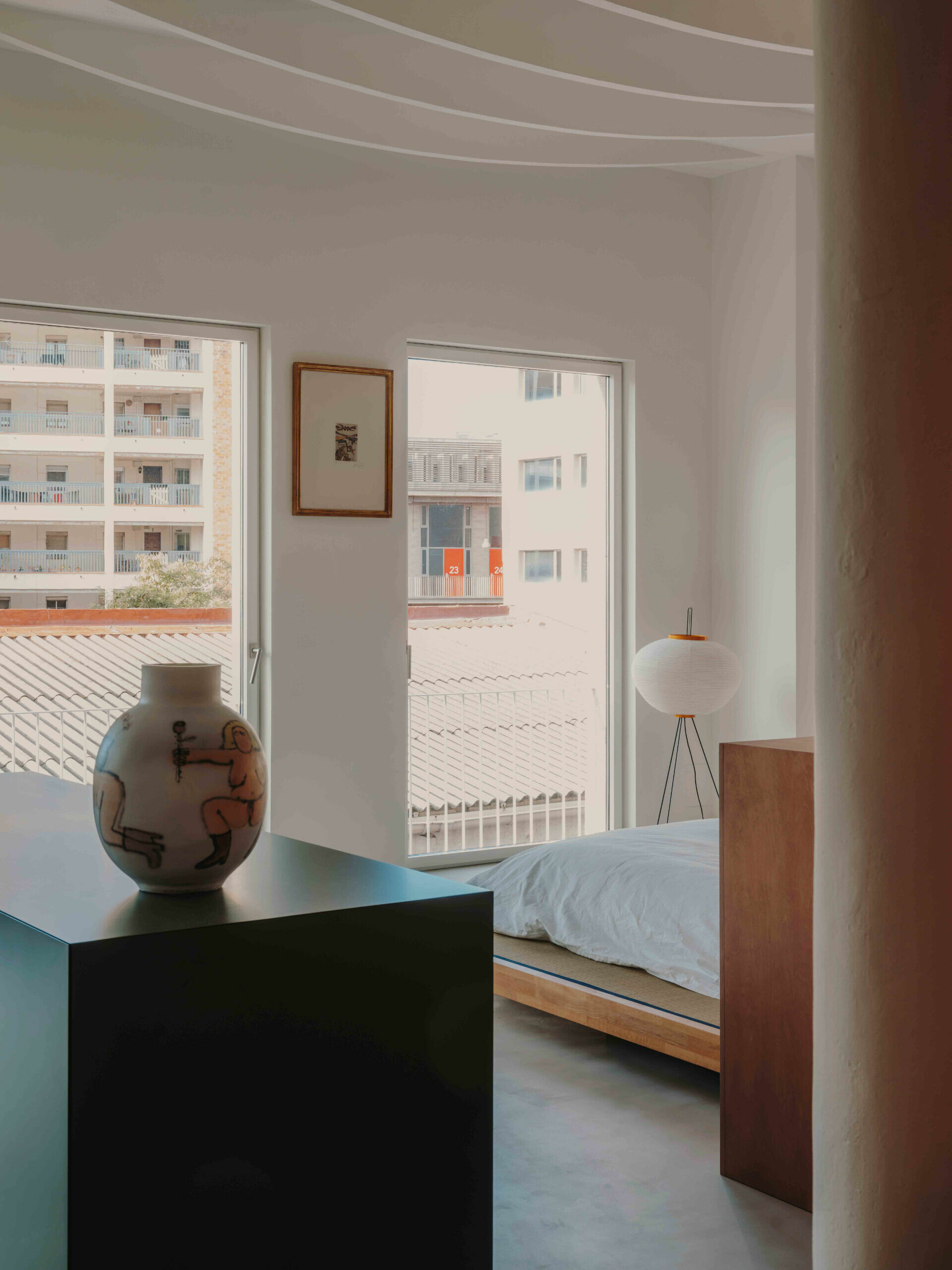
Preserving the original spatial conditions, the architects introduced a timber partition wall subtly detached from both ceiling and perimeter walls. This element conceals bathroom and dressing functions while dividing the plan into public and private zones. At the same time, it translates a sculptural sensibility into architectural strategy. Objects are treated as autonomous units, and boundaries are softened rather than rigidly defined. In the living area, only two fixed furnishings line the walls, leaving the central space free to be reconfigured according to exhibition needs. As a result, domestic life and creative practice can overlap without competing for territory.
➤ Vasto Gallery. Photography | Salva López @salvalopez
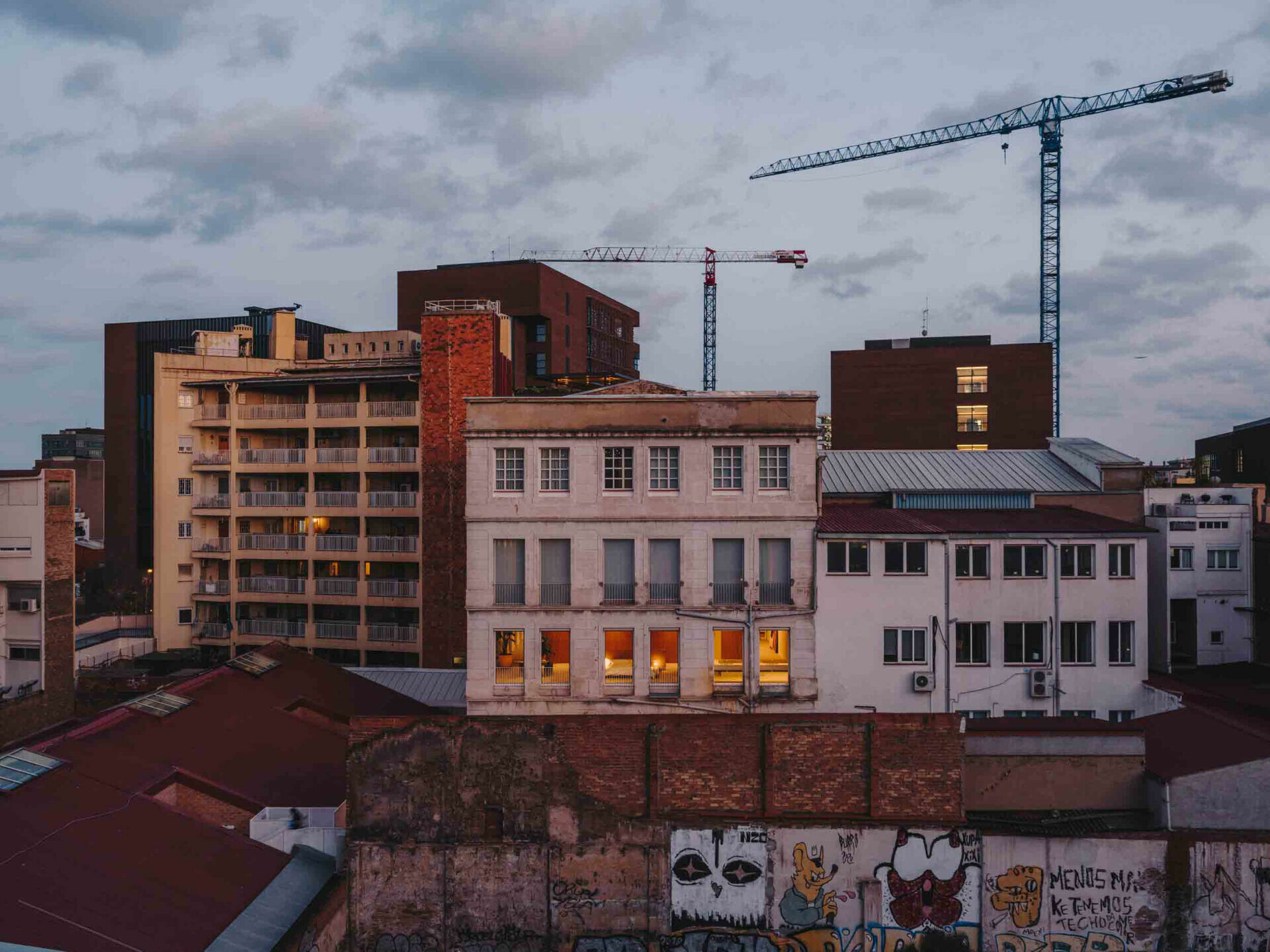
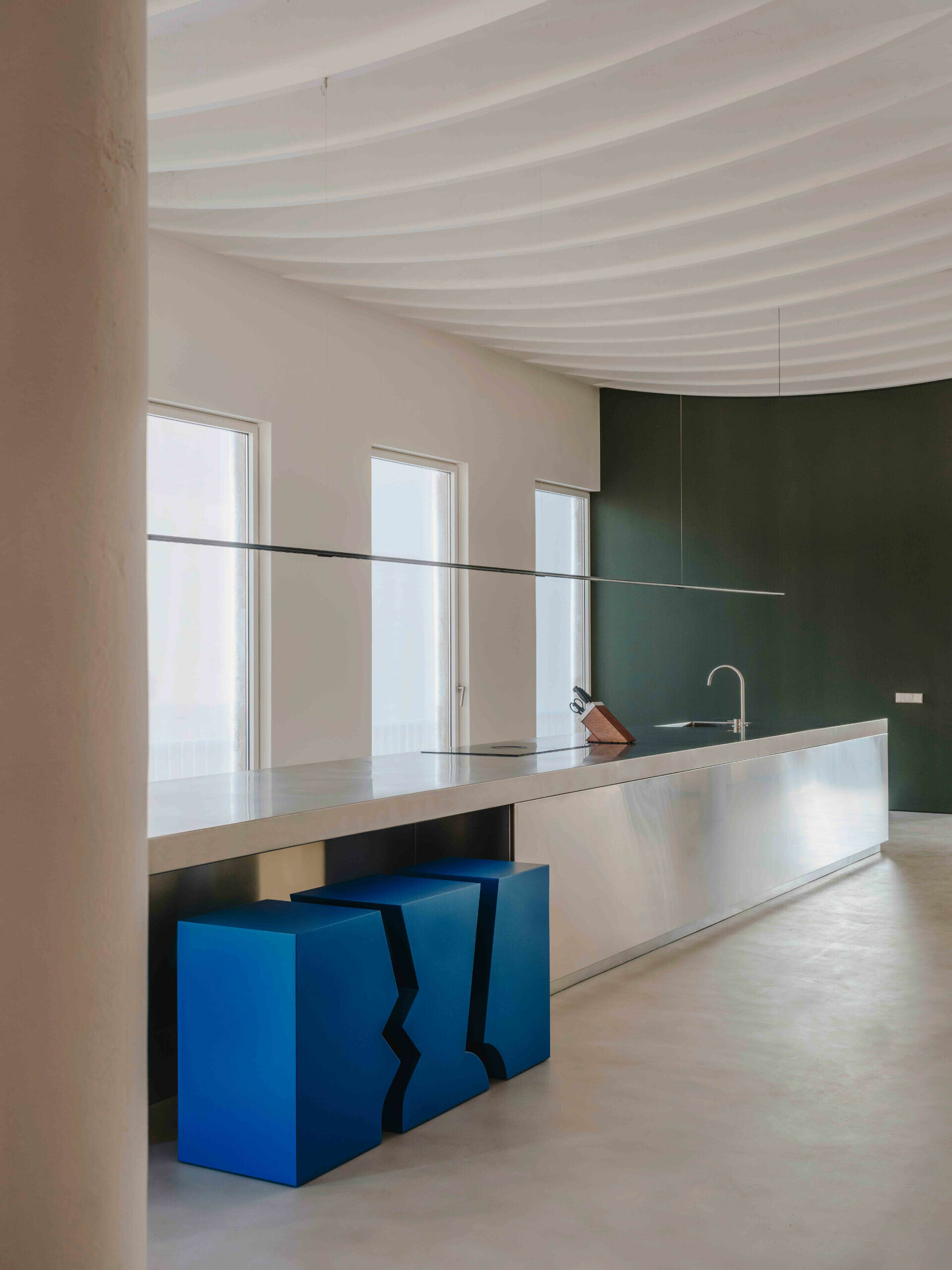
The project also resonates with Poblenou’s broader transformation from an industrial district into a contemporary creative quarter. Within the space, furniture becomes a form of spatial punctuation, reinforcing the dialogue between art and design. A multifunctional off-white table designed by Mesura is supported by two solid cylindrical bases beneath a large lacquer-finished MDF top, echoing the room’s sculptural language. In the private quarters, the bathtub and washbasin were hand-fabricated on site, maintaining the same direct relationship between making and inhabitation. As part of a collaborative dimension, resident designer Sara Regal produced the custom coffee table Split Table using salvaged construction debris, an object that draws attention to subtle variations and the quiet shifts that emerge through processes of making and experimentation.
➤ Vasto Gallery. Photography | Salva López @salvalopez
Aesop Diagonal
Walking through Barcelona, storefronts are ubiquitous, yet only a few invite pause and linger in memory after one has moved on. Aesop is known for resisting a uniform global template, allowing each location to respond closely to its immediate context.
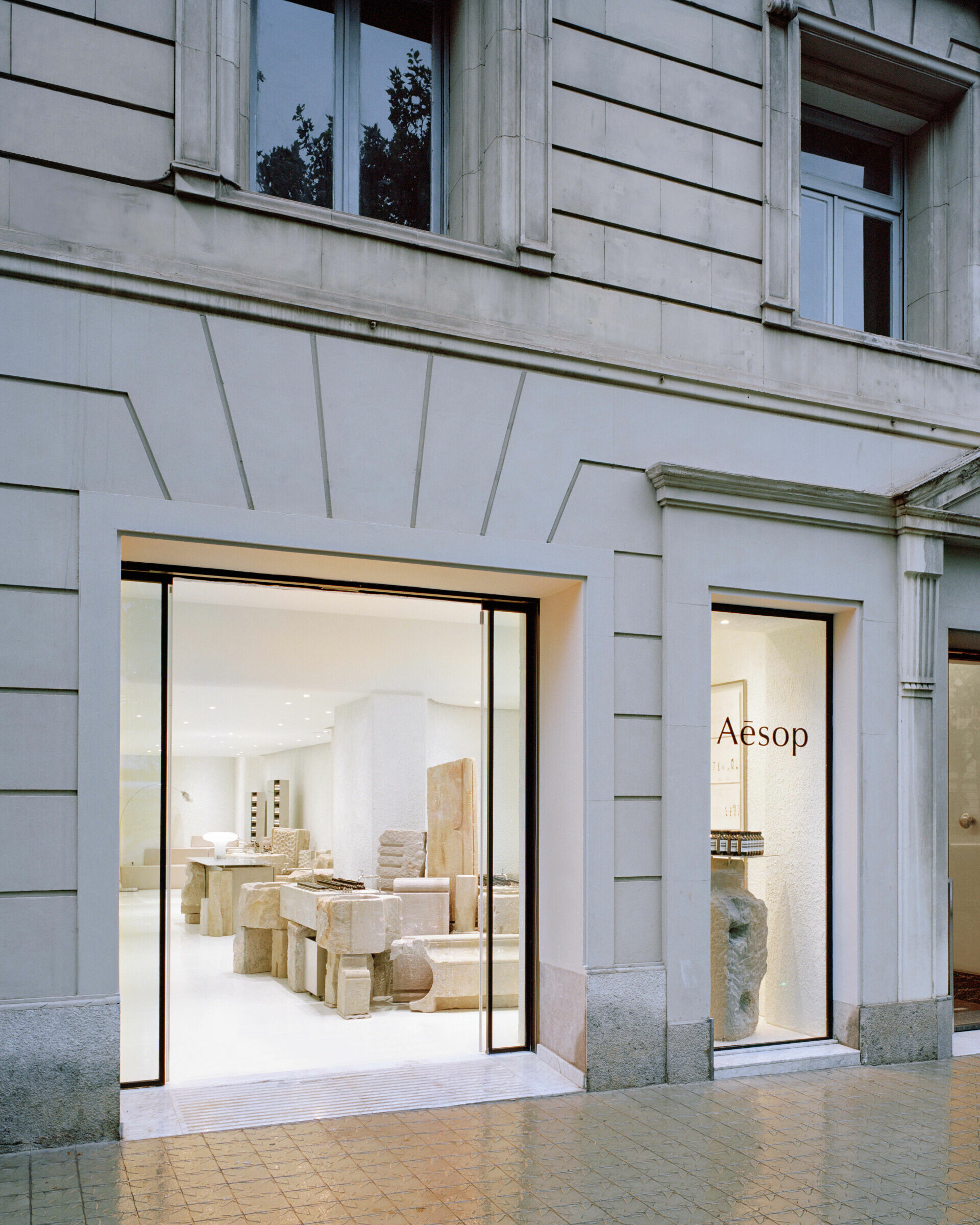
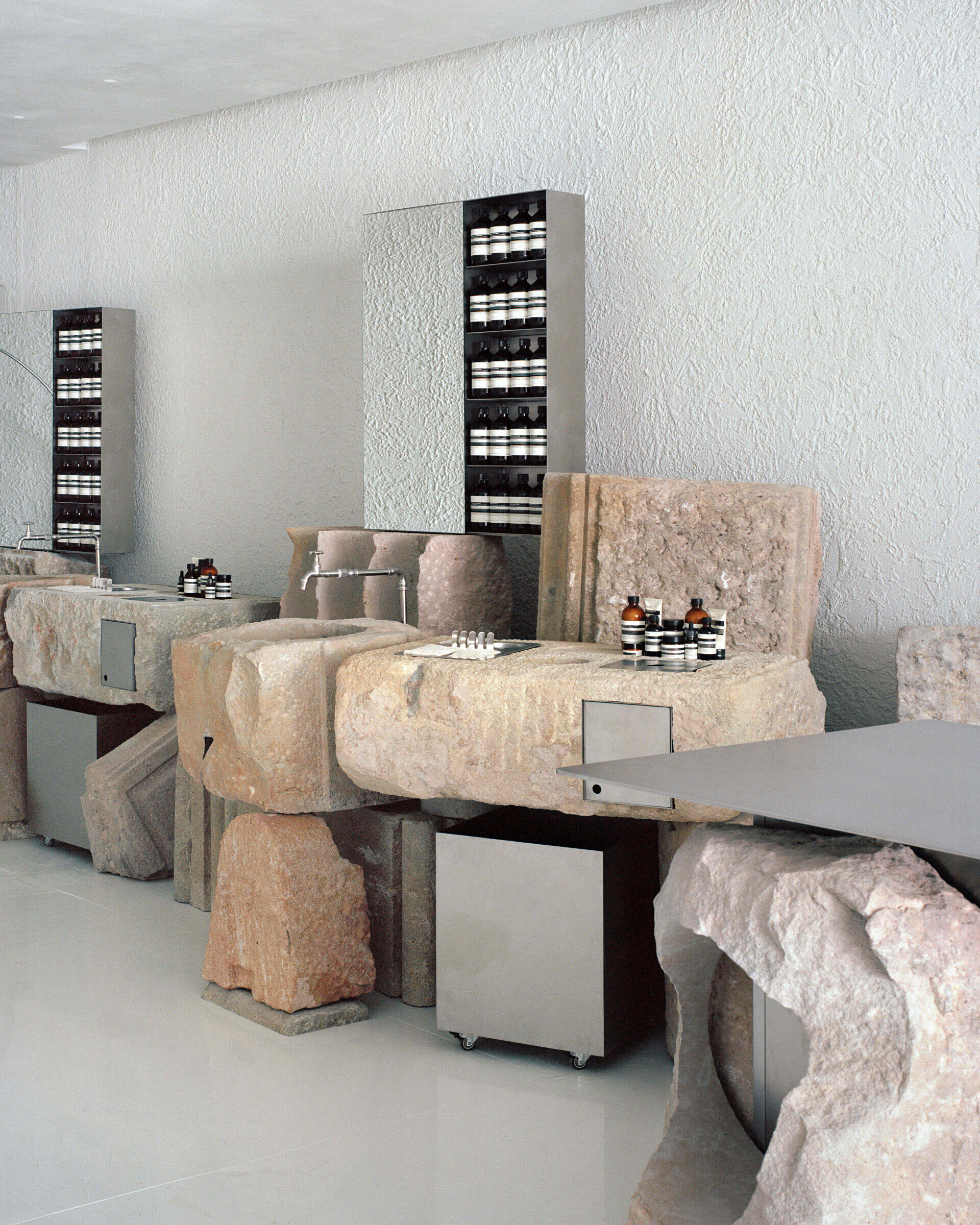
At Aesop Diagonal, the brand’s second store in Barcelona, a restrained white interior serves as a neutral backdrop against which reclaimed Montjuïc stone, salvaged from demolished buildings, is carefully stacked and composed. The material carries the city’s geological and architectural memory into the present, addressing passersby with a quiet sense of permanence. This commitment to local stone was not a stylistic decision made in haste. In addition to the brand’s established emphasis on sociability, longevity, and locality, Mesura introduced sustainability as a central design consideration. Through on-site documentation and observation, the team translated the everyday civic culture surrounding Barcelona’s public fountains into a starting point for the store’s spatial narrative.
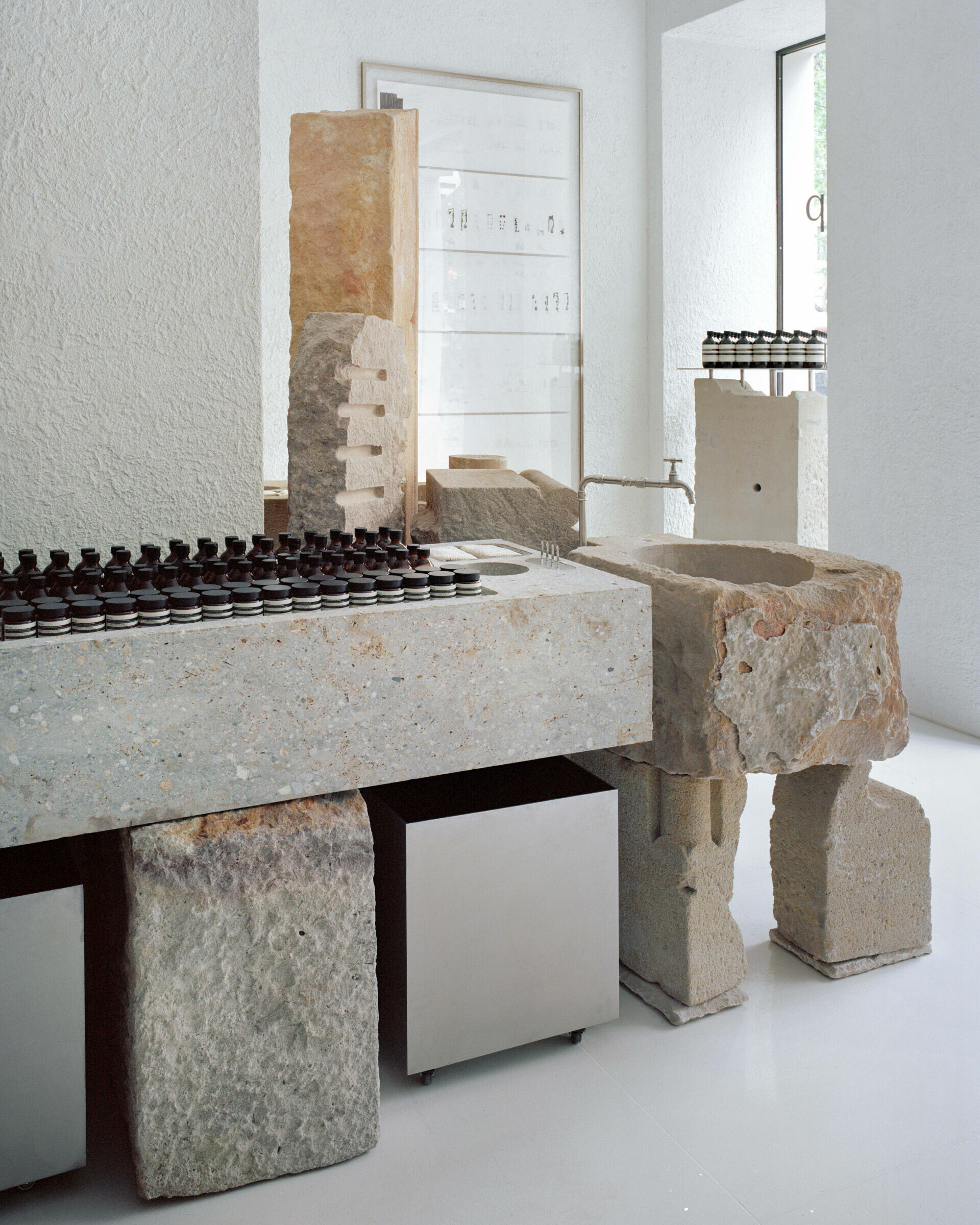
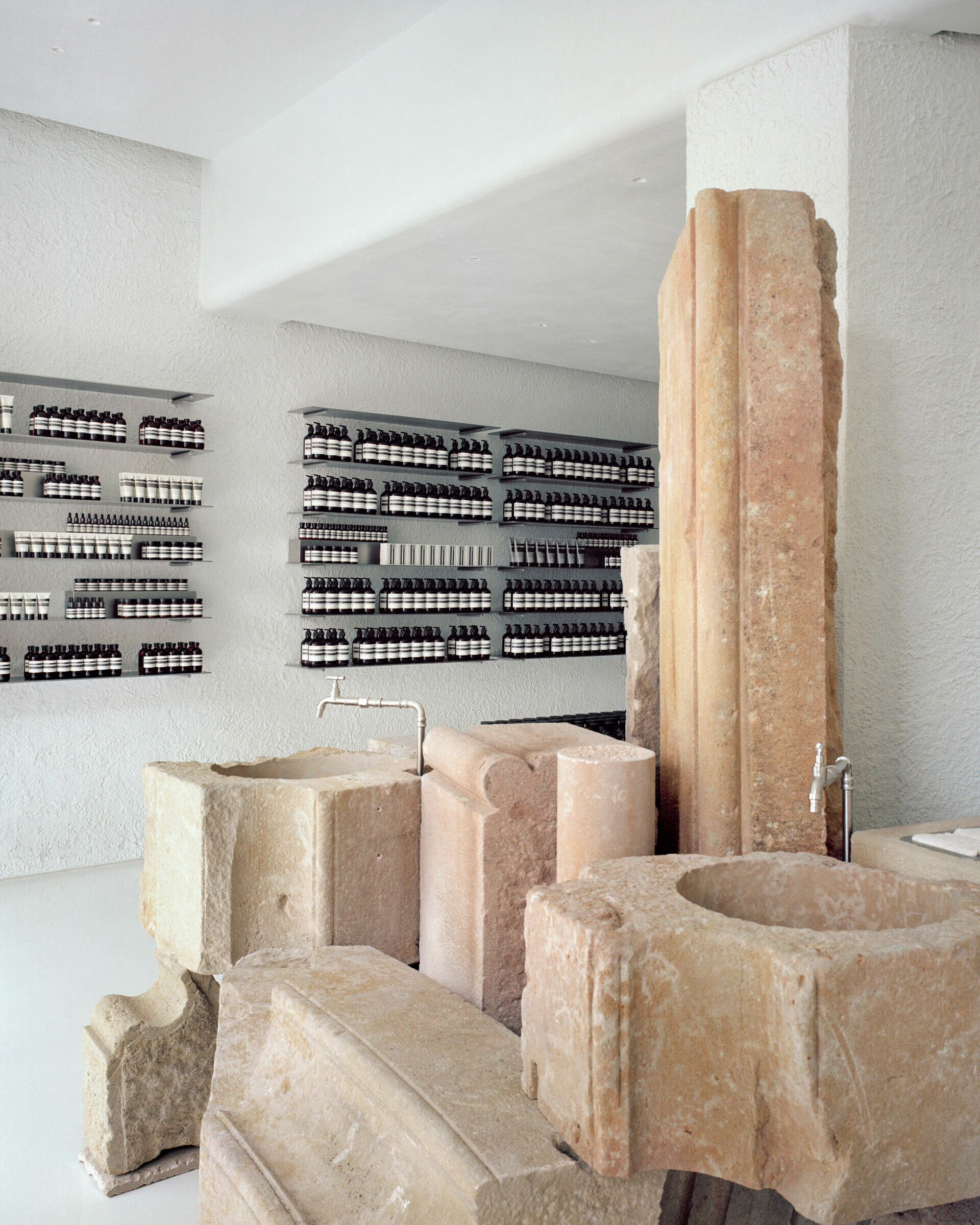
In a study titled Stone, Glass and Body, Mesura examines how the enduring qualities of Montjuïc stone can coexist with modernist traditions, contemporary technologies, and the body as a cultural reference point. The research suggests that a material’s organic character can become a carrier of urban identity. This insight shaped the project’s ambition. Working alongside stonemasons whose expertise has been passed down through generations, the architects approached the process as an archaeological investigation. Through repeated testing, they identified the local resources required for the store’s central element. Ultimately, 78 carefully selected reclaimed stones were sequenced and assembled with precision to form a washbasin that echoes local architectural traditions, allowing the cleansing ritual central to the Aesop experience to generate emotional resonance.
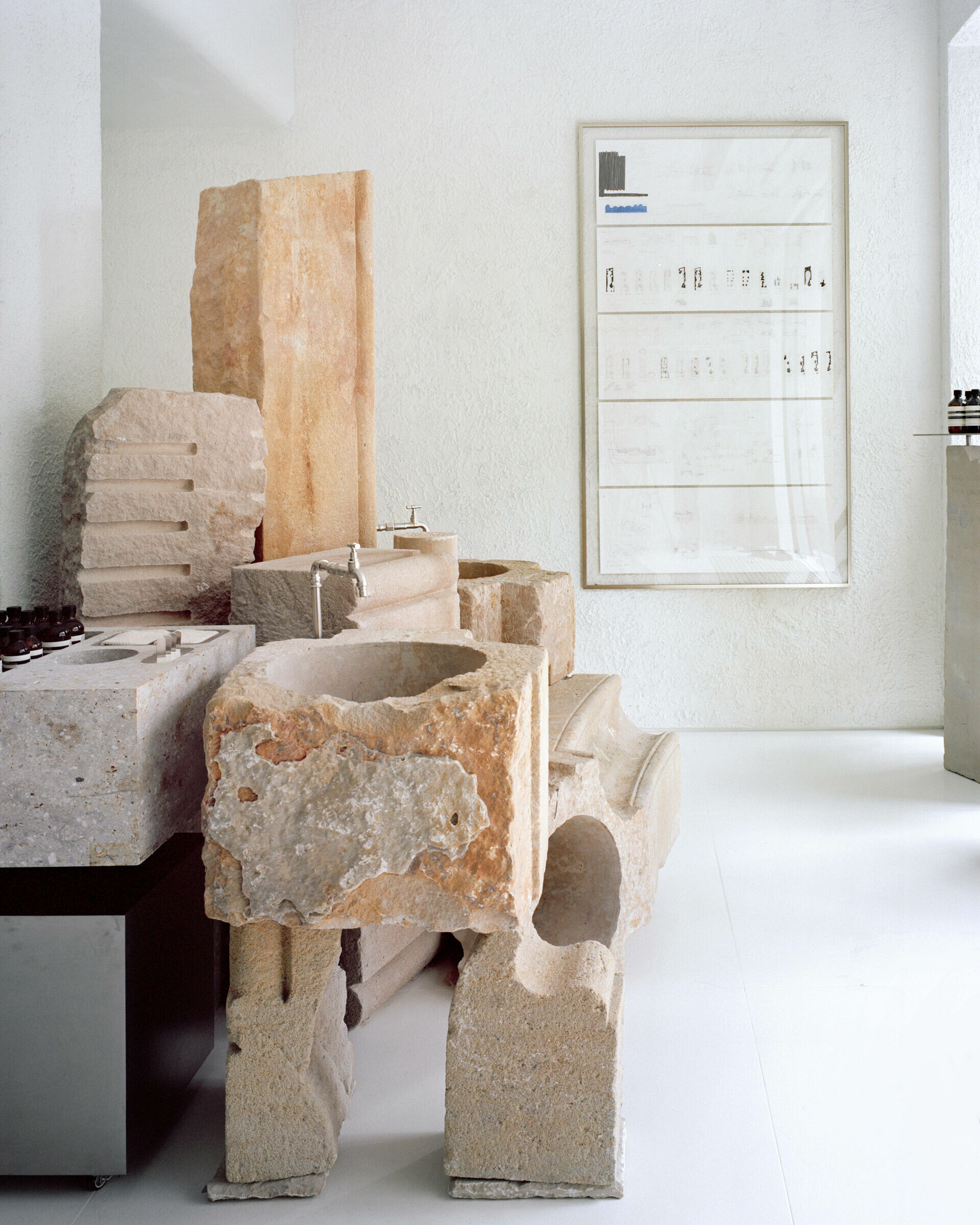
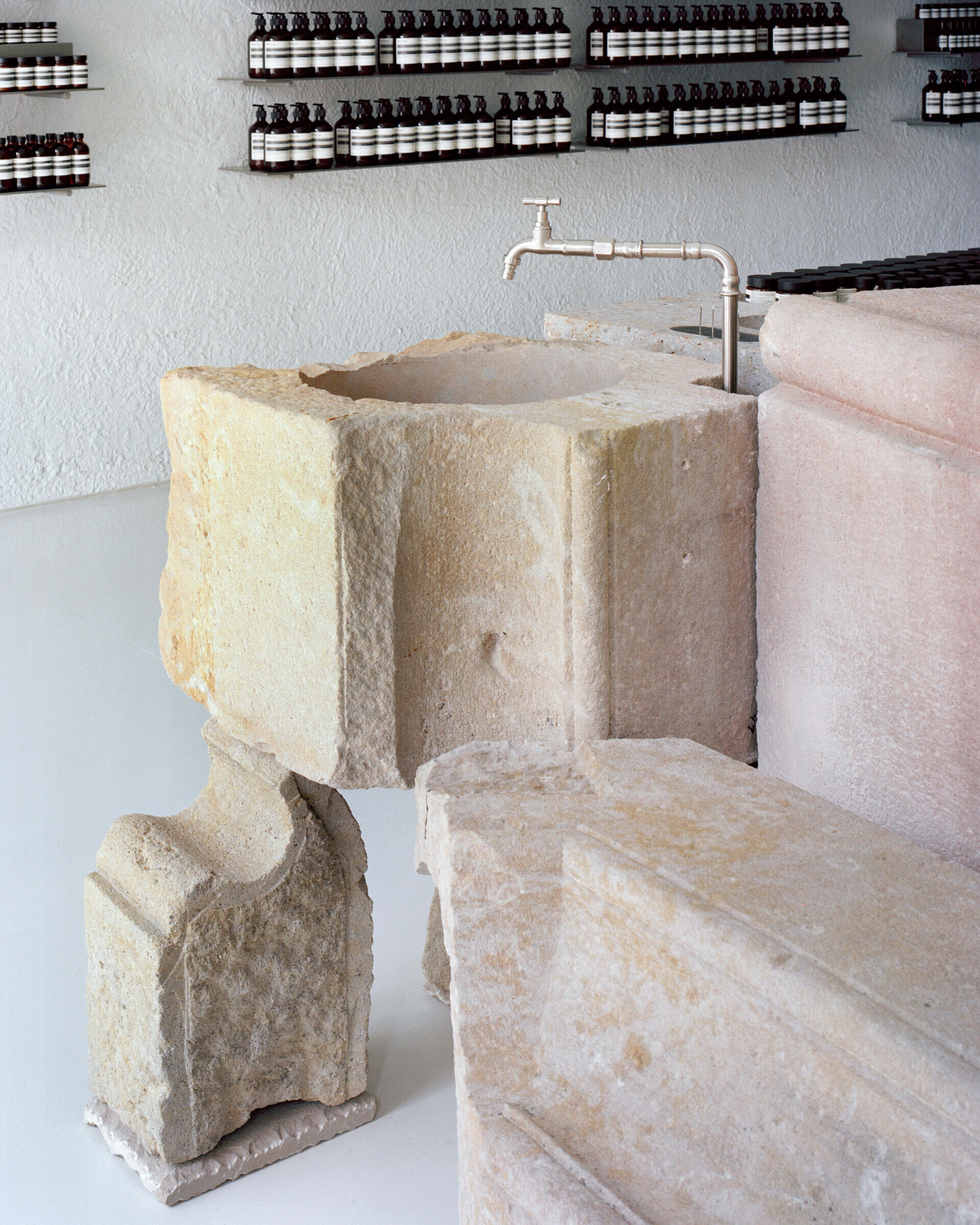
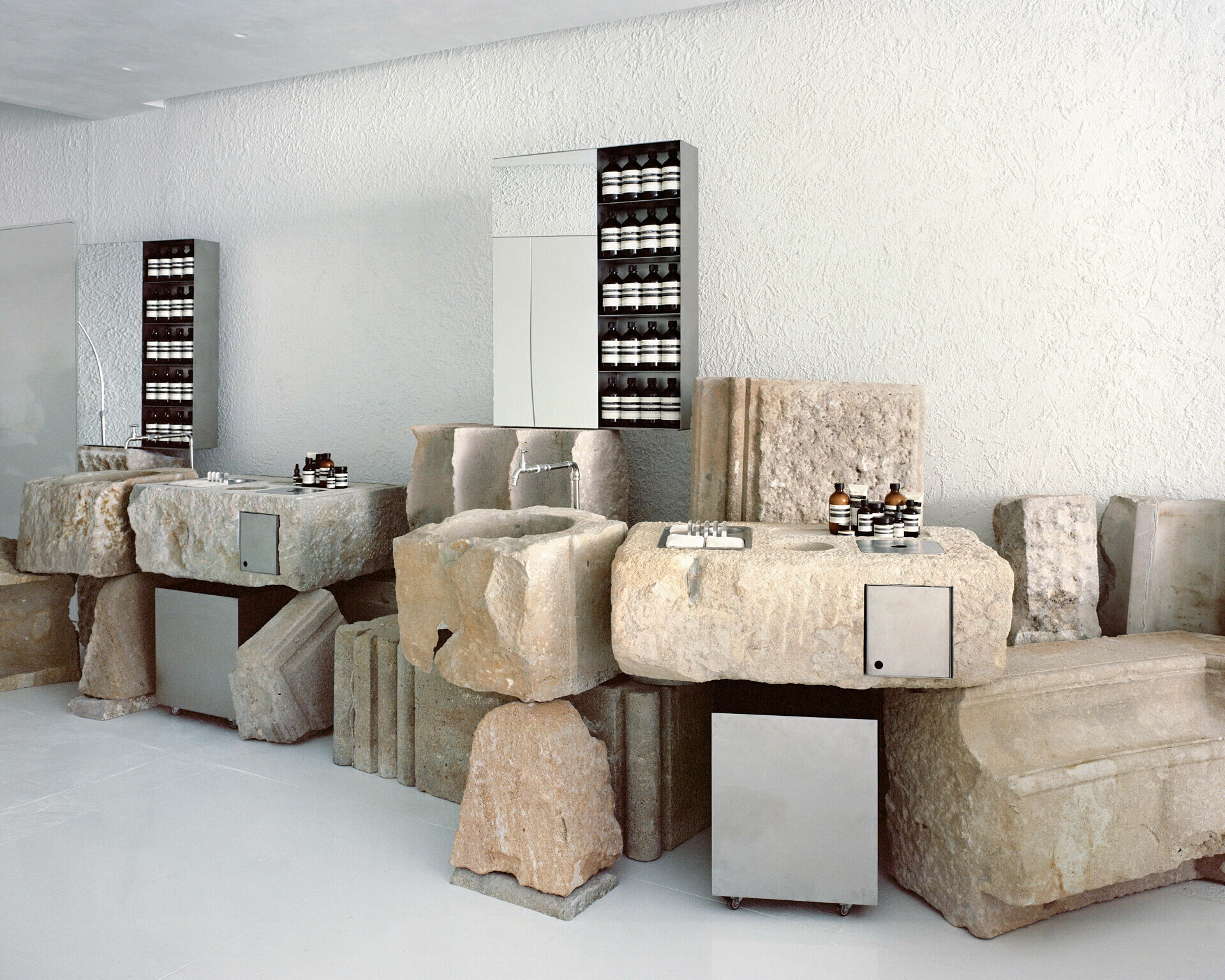
➤ Aesop Diagonal. Photography | Maxime Delvaux, Courtesy of Aesop @maxdelv @aesop
Villa AM
“The more we explore, the more curious we become about the world we inhabit and its origins.” In AlUla, Saudi Arabia, a set of notes compiled by Mesura records moments of discovery found across landscapes and at ordinary turns. The studio seeks to carry these observations forward, applying the reflections and insights gathered on site to the design projects it is developing in the same local context. Approached through a cultural lens, Saudi Arabia’s emphasis on family relationships and the responsibilities of hospitality finds subtle resonance with Asian traditions. In this sense, architecture can become a tangible vessel for the spirit of its time, giving social life a clear spatial form.
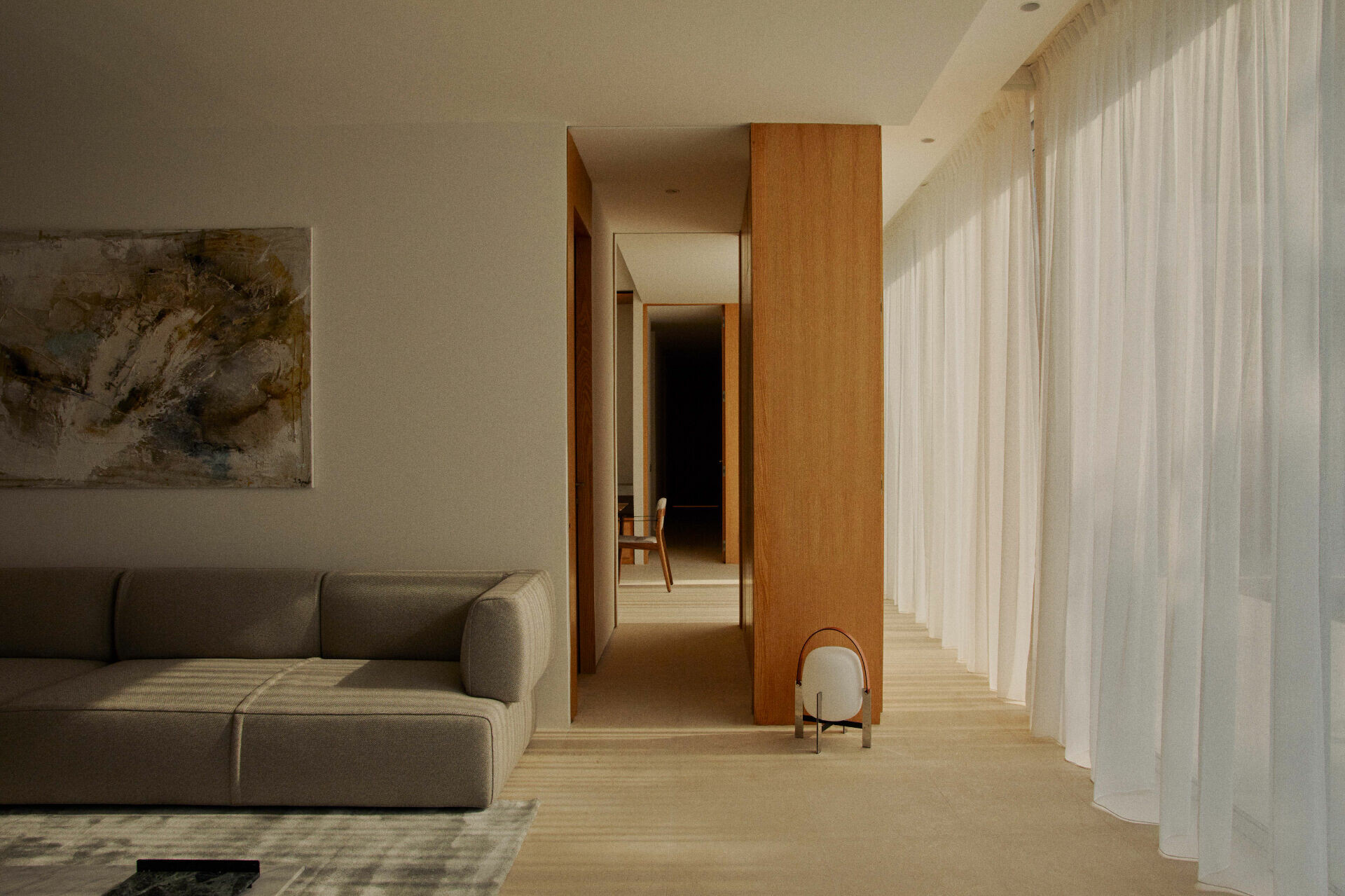
➤ Villa AM. Photography | Marina Denisova @_marinadenisova_
A closer examination shows that both Arab houses and traditional Chinese dwellings have long relied on semi-public spaces to negotiate the relationship between family life and the reception of guests. Yet as cities modernise, the architectural values embedded in these traditions have gradually weakened. In response, MESURA treats local culture and climate as tools rather than constraints. The project rethinks inherited ways of living by looking back to established spatial principles while also addressing contemporary needs.
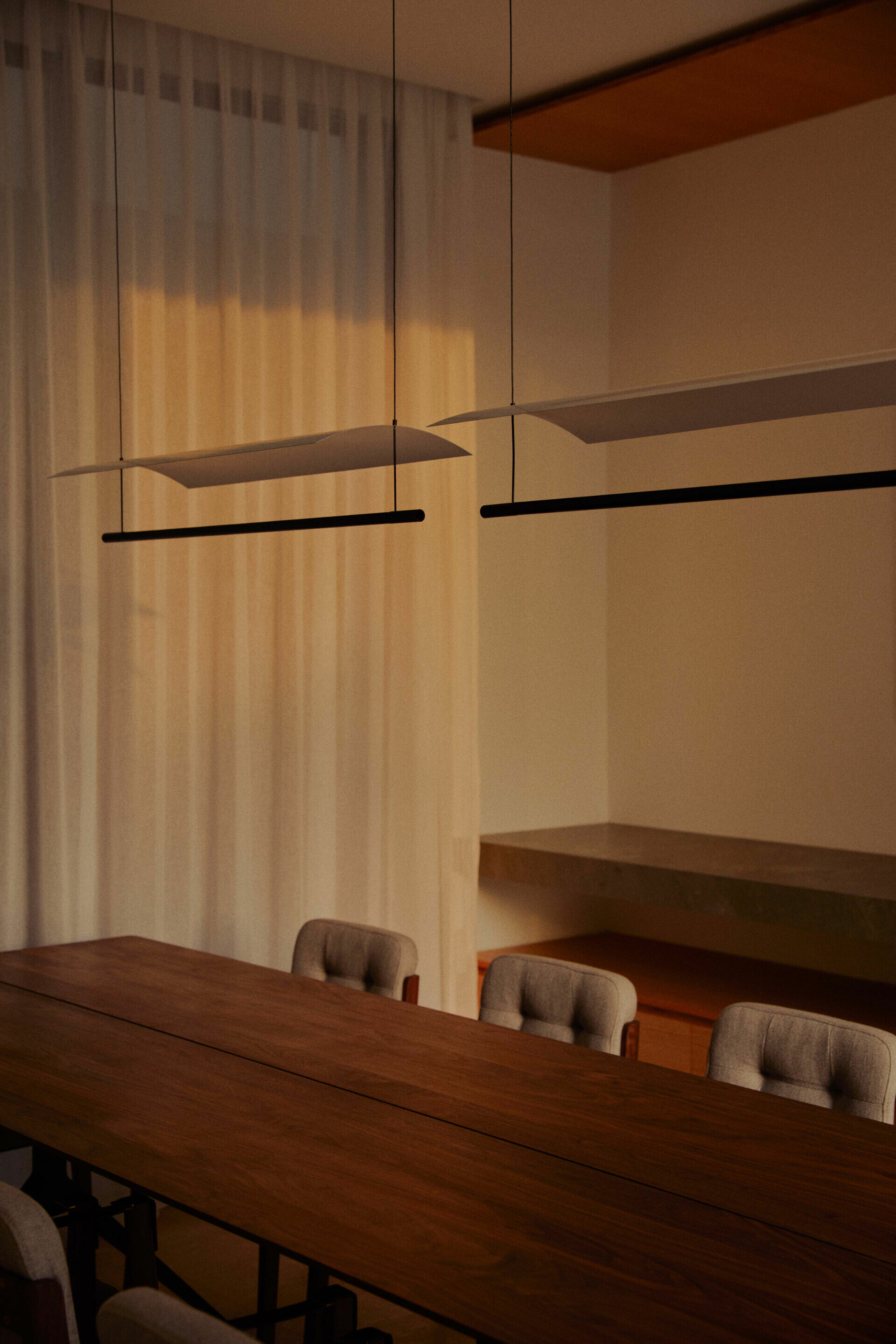
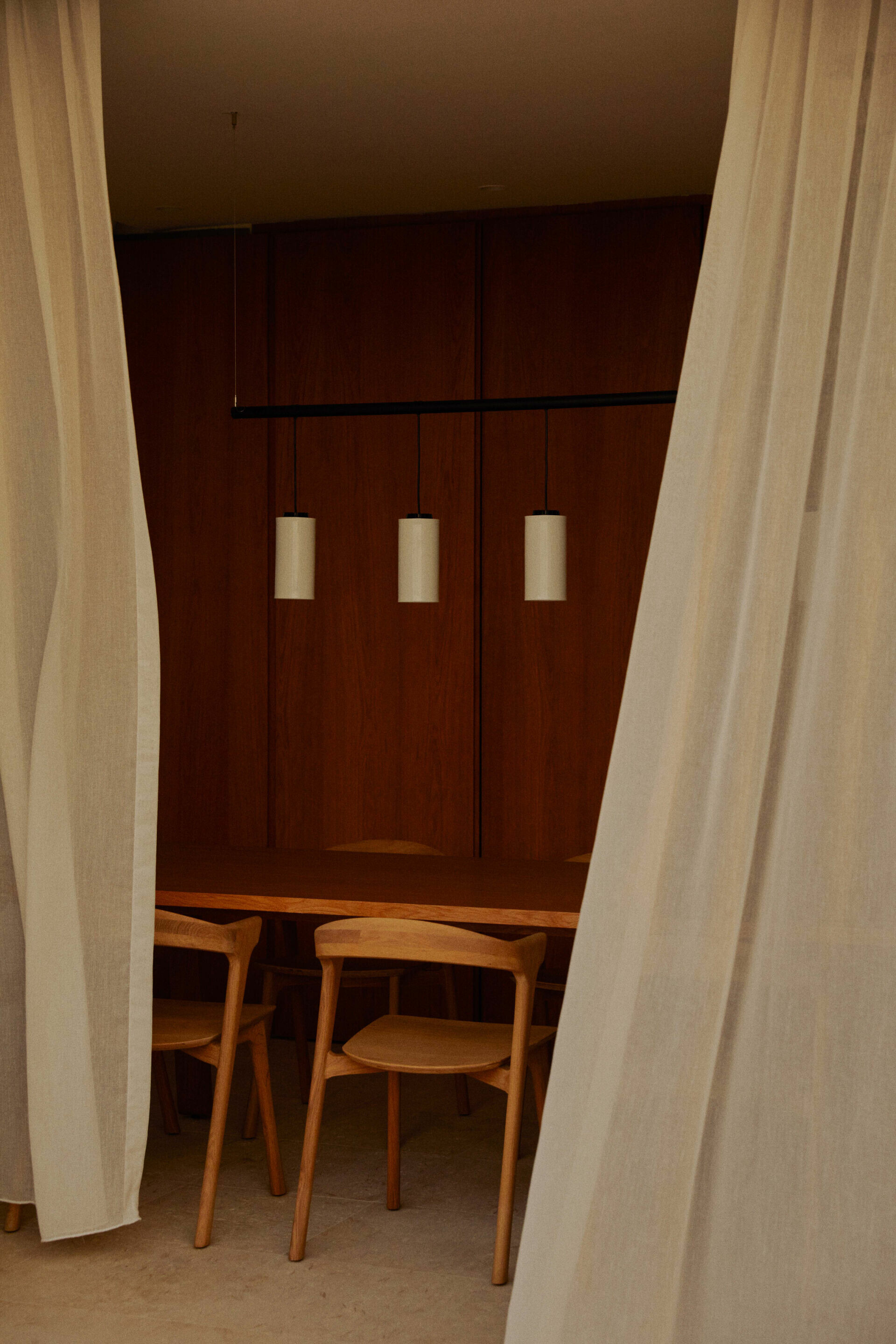
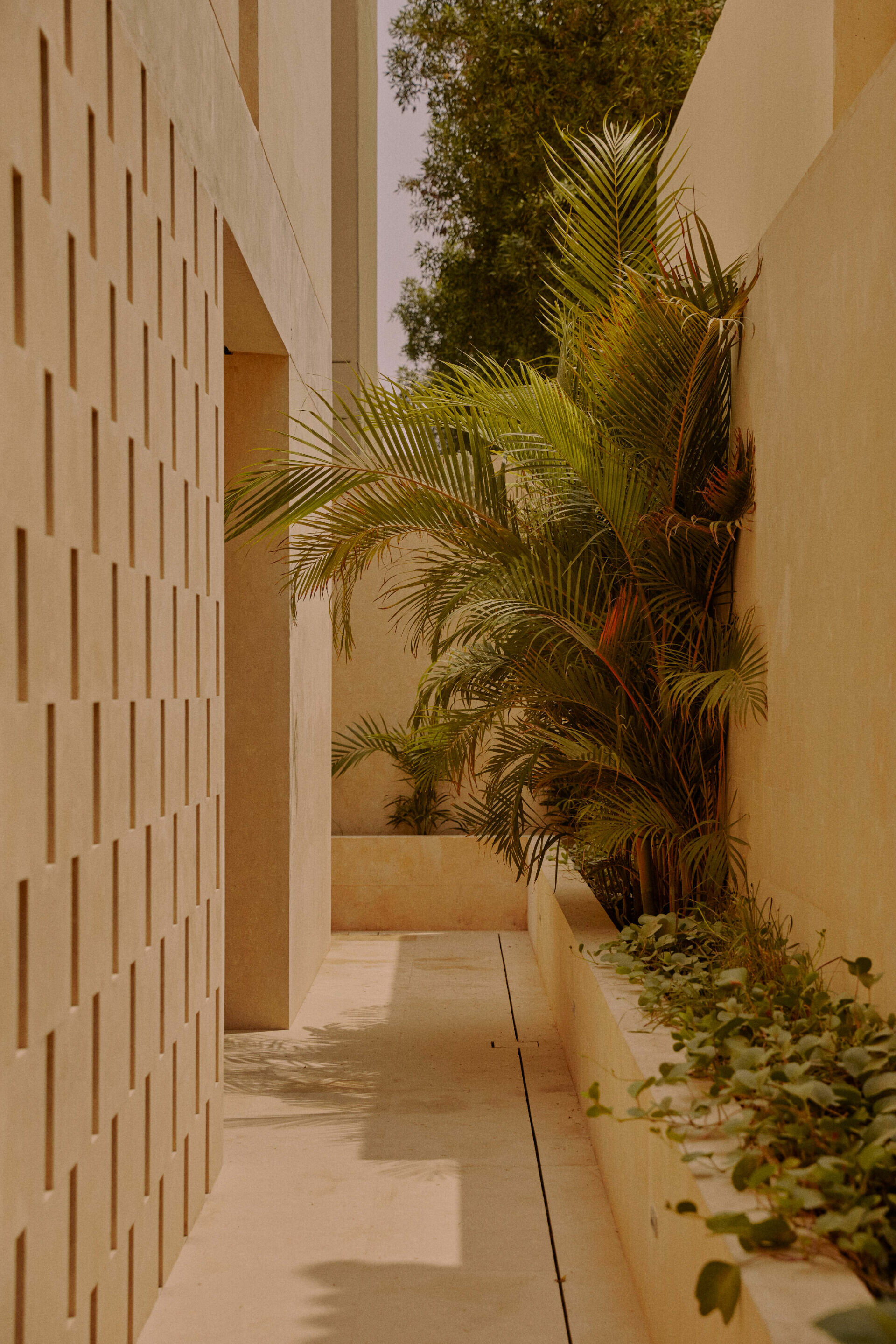
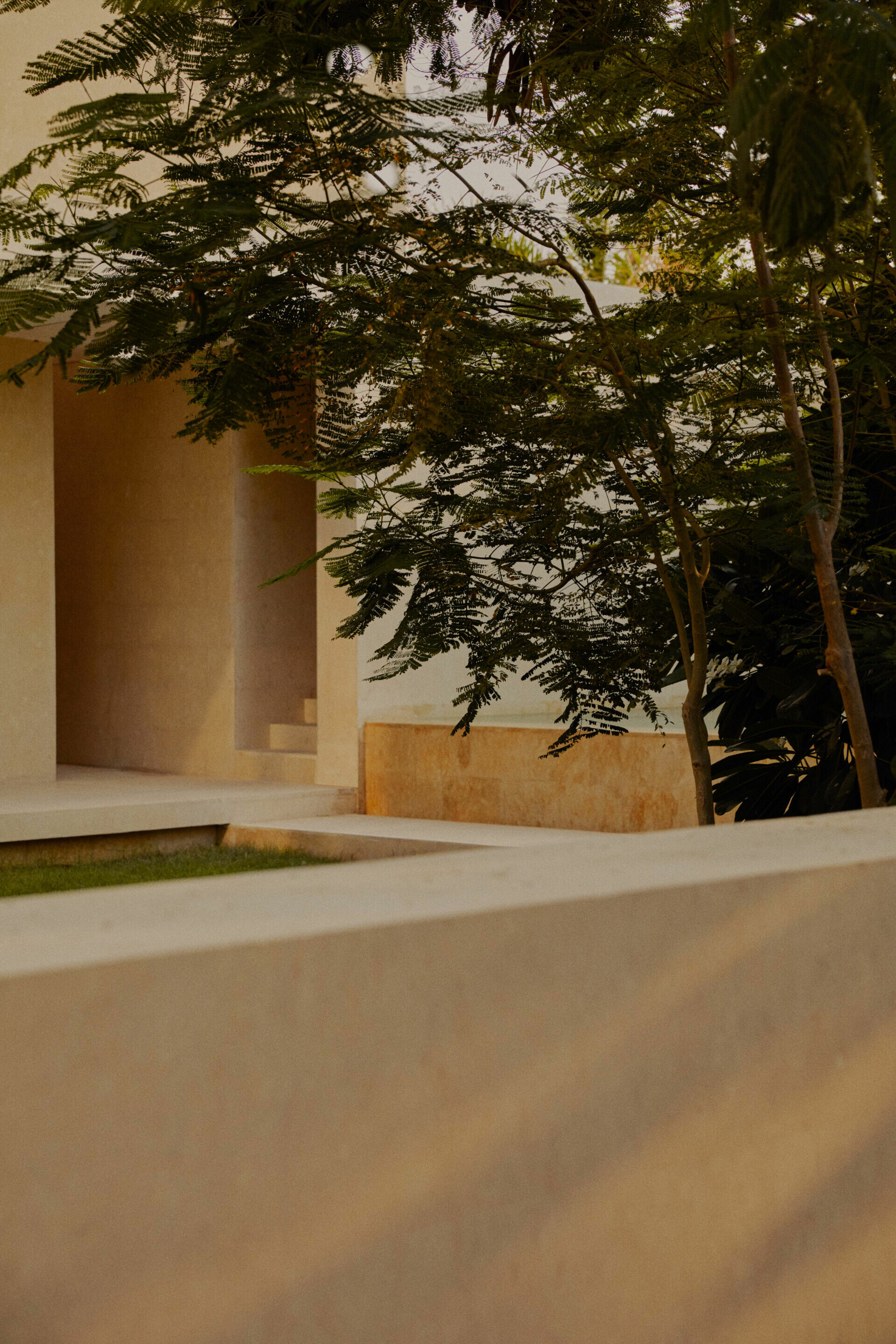
In Jeddah’s hot-arid climate, Villa AM draws on vernacular priorities of shade and ventilation as organising strategies. It replaces the conventional U-shaped house with an L-shaped configuration that better aligns with contemporary family patterns while sustaining intimacy. As daylight enters through openings, the atmosphere shifts over the course of the day, moving quietly from the coolness of early morning to the brightness of noon and the calm of dusk. Continuous walls cast shade at the right moments, and openings oriented in multiple directions receive fleeting variations of light. Here, boundaries are no longer defined by walls alone, but by a spatial order shaped by light and wind.