機能隱於無形,讓空間回應身體
Function Recedes from View; Space Responds to the Body — KEUCO
生活在由大眾秩序擘劃而成的城市矩陣裡,我們很少意識到,日常的便利性經常建立在對身體的分類之上:階梯與坡道、一般廁所與無障礙廁所,各自標示出明確的使用邊界。為老弱婦孺設置的博愛座,也時常出現「誰有資格使用」的爭點,並在無意間揭露了一道隱形的評判標準:一個人的需求往往必須建立在某種可被辨識的「障礙」上,才容易獲得認可。然而,身體的需求與狀態並非總是顯性且固定不變的,當社會習慣以「正常」與「障礙」區別身體,無形中便忽略了介於兩者之間尚未被看見的需求光譜,如此,便引來更深一層的追問:一個不預設身體立場、能穩定提供支持的輔具系統,是否本來就應該成為空間的一部分?
We live within an urban matrix shaped by collective norms, rarely noticing how often everyday convenience depends on the way we categorise bodies. Stairs and ramps, standard and accessible toilets all draw clear distinctions between their intended users. Even priority seating for older people, those who are frail, pregnant women and young children often prompts disputes over who is entitled to use it. Such disagreements inadvertently reveal an unspoken standard of judgement: a person’s needs often have to be linked to a recognisable “disability” before they are readily acknowledged. Yet our physical condition and needs are not always apparent, nor do they remain constant. When society habitually classifies bodies as “normal” or “disabled”, it overlooks a spectrum of needs between the two that has yet to be recognised. This raises a more fundamental question: shouldn’t an assistive system be integral to the space itself, offering reliable support without assuming a particular kind of body?
空間,由誰的身體定義?
Whose Body Defines Space?
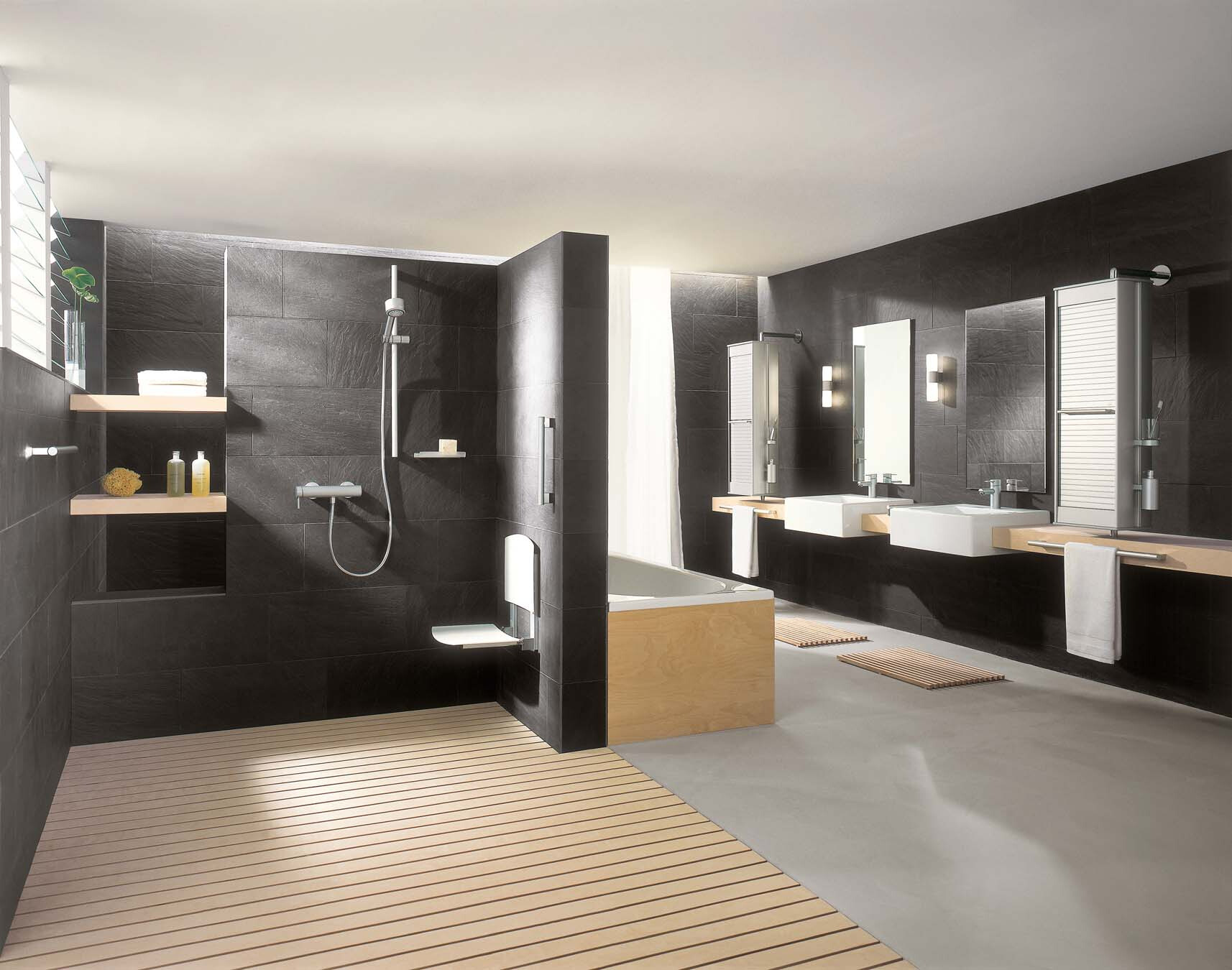
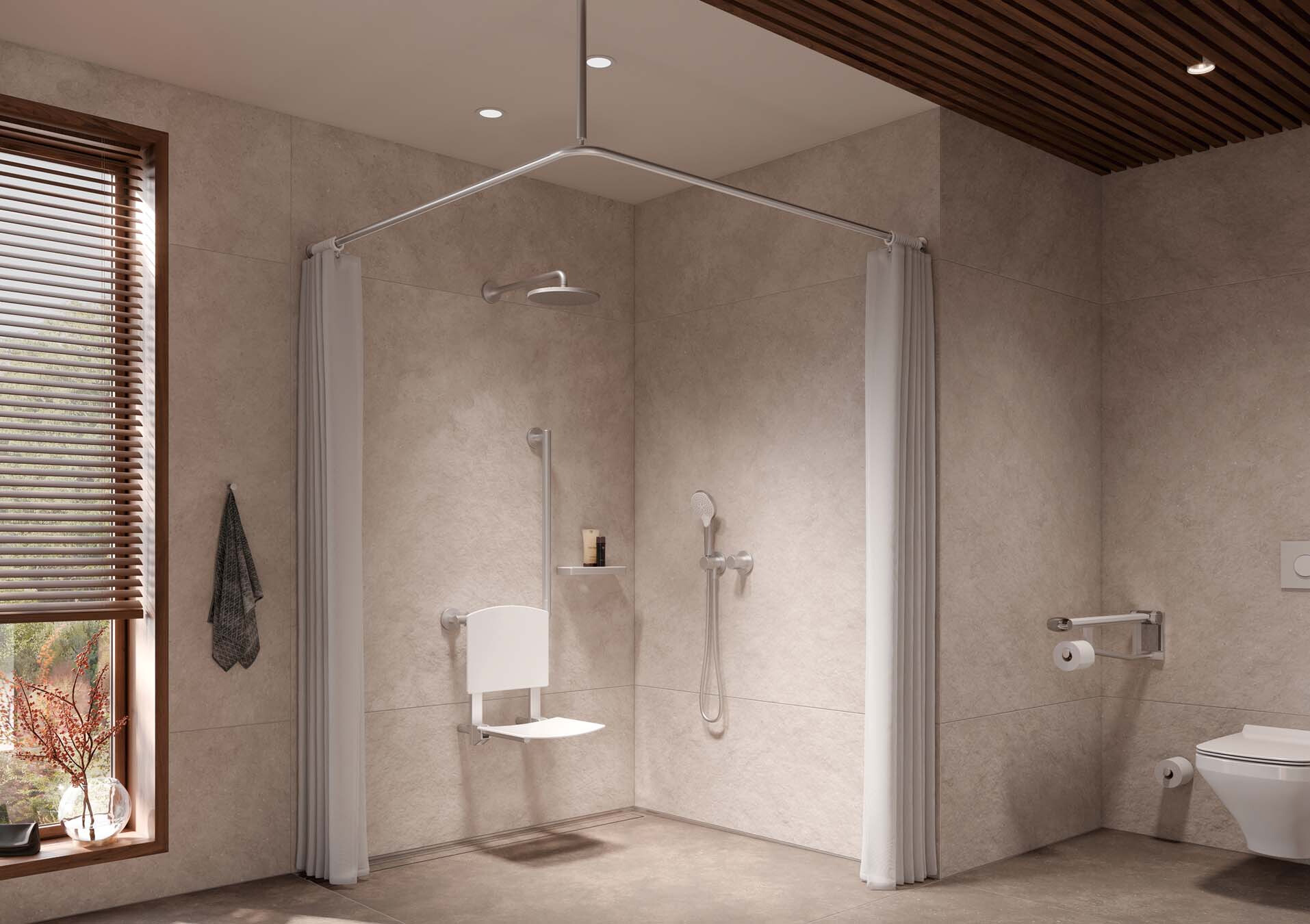
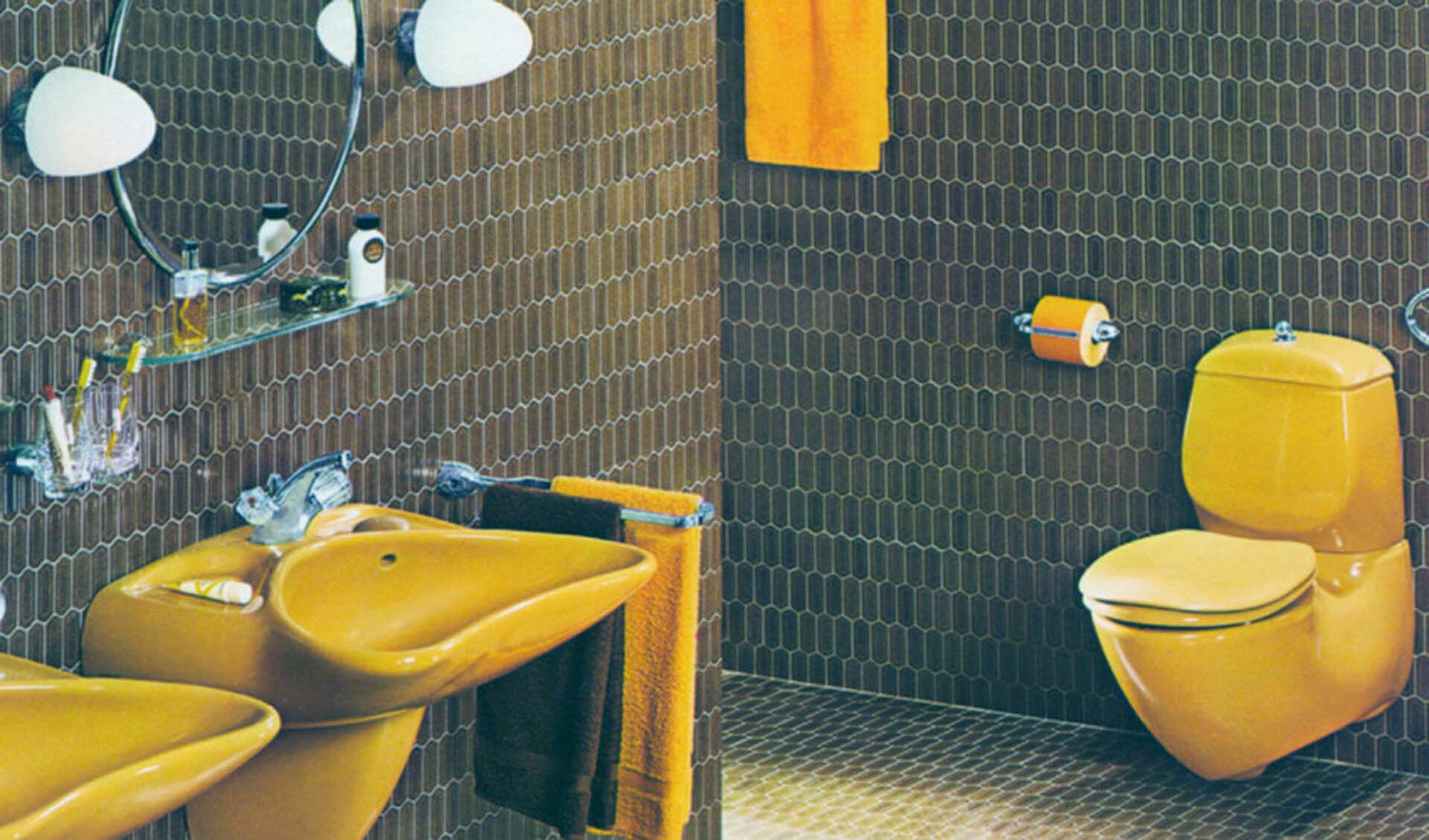
試想,在一個頭暈目眩難以起身的時刻,或者腳下突然一個踉蹌,伸出手時若牆面及時浮現一個握把,會是多麼令人有安全感的支撐。當它平常可以簡單收攏、不占空間,避免不小心碰撞的風險,「無障礙/友善設計」或許就能重新被理解為一種空間主動回應人們需求的能力,而不只是一系列為特定人士準備的設備。順著這樣的思維展開想像,衛浴裡既有的淋浴五金也可能延伸為扶手,以及幫助減輕久站負擔的淋浴椅也能折疊起來貼牆收納。透過設計為日常充實輔助機能,同時也淡化輔具予人的刻板印象。如此整合性衛浴理念可以追溯至德國衛浴品牌 KEUCO 於 1975 年與工業設計大師 Luigi Colani 、德國百年品牌 Villeroy & Boch 共同開發的第一間「以生活空間為概念的衛浴」—— Colani bathroom ,首度將浴用瓷器、五金配件、燈具與鏡面納入一致的機能與視覺語彙。其後 KEUCO 也陸續推出 PLAN Care 與 IXMO 等系列,將安全、美觀與搭配組合通過不同面向整合進衛浴設備之中,以貼近不同受眾的使用需求。
Imagine feeling dizzy and struggling to get up, or suddenly losing your footing. How reassuring it would be to reach out and find a firm handhold on the wall just when you needed it. When not in use, it could be folded neatly out of the way, keeping the space clear and reducing the risk of accidental knocks. Accessible, inclusive design might then be understood as a space’s capacity to respond actively to people’s needs, rather than simply as a set of fittings provided for particular users. Following this line of thought, familiar shower fittings could also take on a supporting role: a shower rail could be designed to double as a grab rail, while a shower seat could ease the strain of prolonged standing and fold flat against the wall when not in use. Such designs add practical support to everyday life while helping to soften the stereotypes associated with assistive equipment. This integrated approach to bathroom design can be traced to 1975, when German bathroom manufacturer KEUCO collaborated with renowned industrial designer Luigi Colani and the long-established German brand Villeroy & Boch on the Colani bathroom, the first bathroom conceived as a living space. For the first time, ceramic sanitaryware, accessories, lighting and mirrors were brought together within a consistent functional and visual language. KEUCO later introduced ranges such as PLAN CARE and IXMO, exploring different ways to integrate safety, aesthetics and flexible combinations of fittings into bathroom design to meet the needs of different users.
讓輔助成為優雅日常
Making Support an Elegant Part of Everyday Life
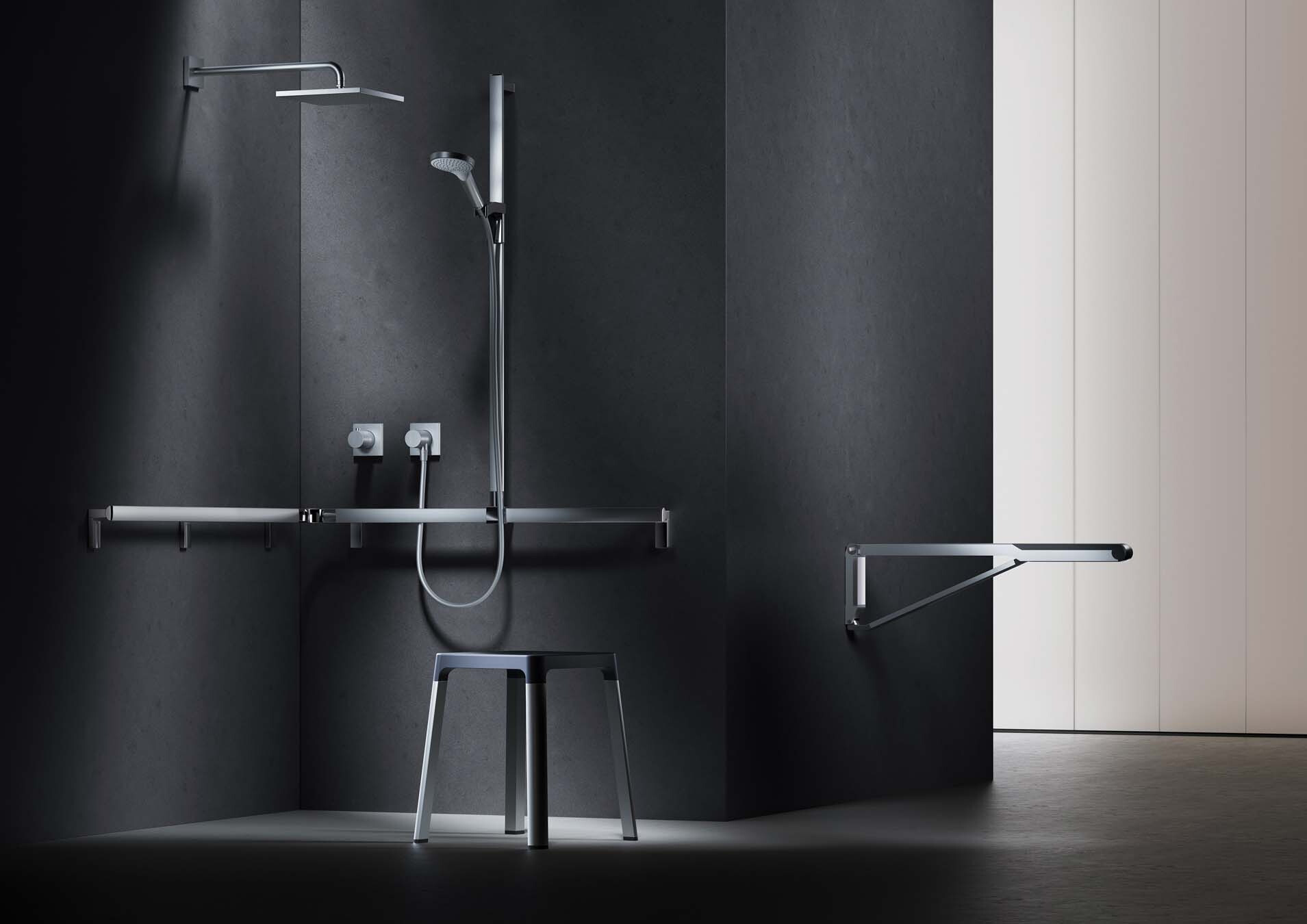
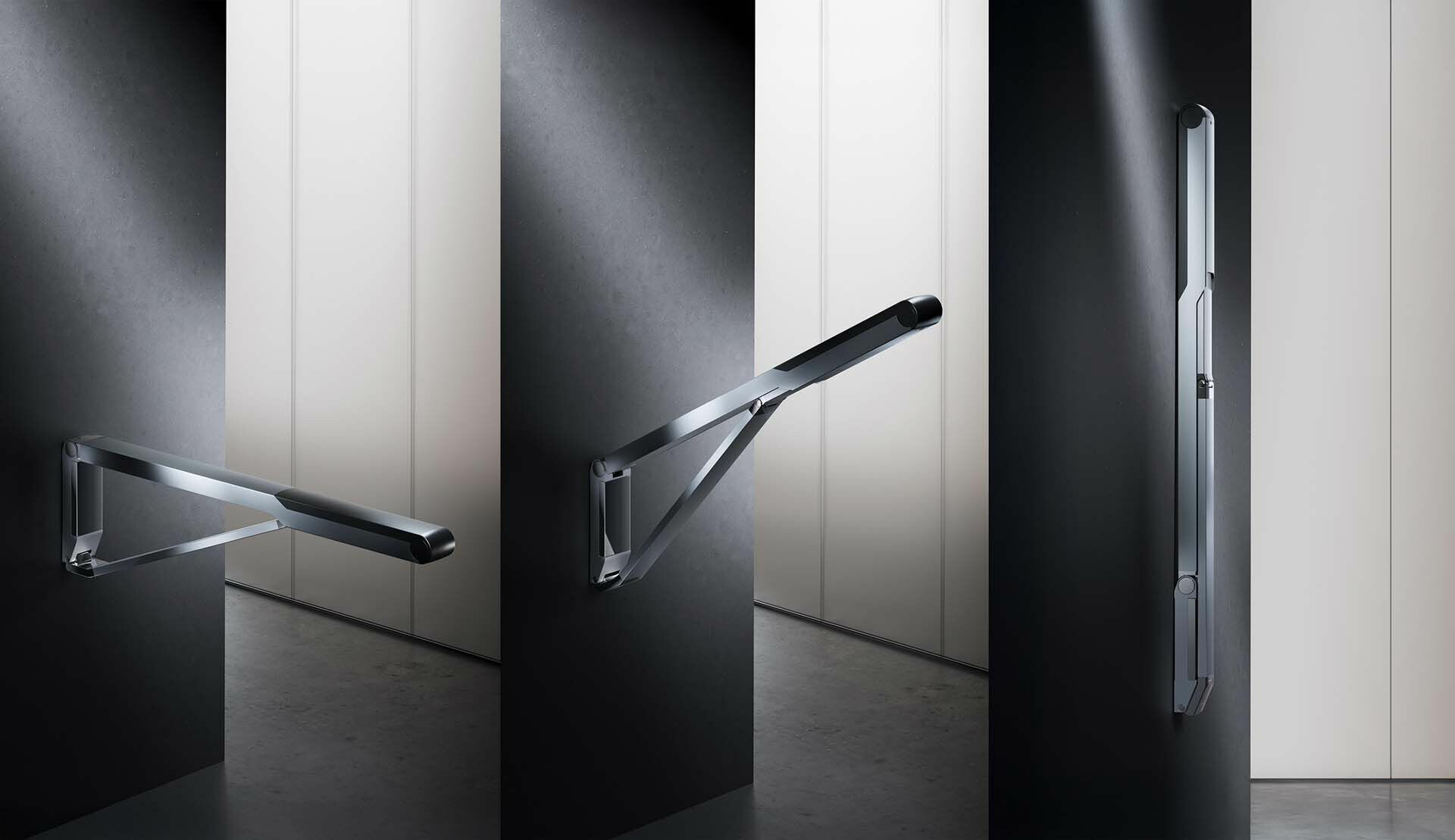
而一旦既有視角被挪移,便可能啟發全新的設計觀點。擅長以功能翻轉形式的 Studio F. A. Porsche 在重新構想產品的設計與功能時,發覺有時新的產品類別會因而出現。這讓他們在與 KEUCO 合作 AXESS 系列時更熱衷於想像:如果嘗試拿掉「輔具」的視覺識別,其機能是否仍能清晰且直覺的呈現?當通用設計語言能進入無障礙空間,那麼設計所消弭的,就不只是區隔彼此的空間符號,同時也是一層心理上的隔閡。於是具有雕塑感的線條,取代了笨重的支架輪廓;建築化的幾何結構,被轉化為輕便穩固的浴用座椅。人們進入衛浴空間時,甚至辨認不出結合捲筒衛生紙架的優美扶手,同時也可輕易承受 115 公斤的重量,其圓潤的握把剛好貼合掌心垂放的角度,能提供穩定的施力與支撐。Studio F. A. Porsche 專注於讓每一道線條、每一個角度都服務於特定功能,那些無法再被簡化的部分,在經過長時間使用與檢驗後,也將真正顯露出美的本質。
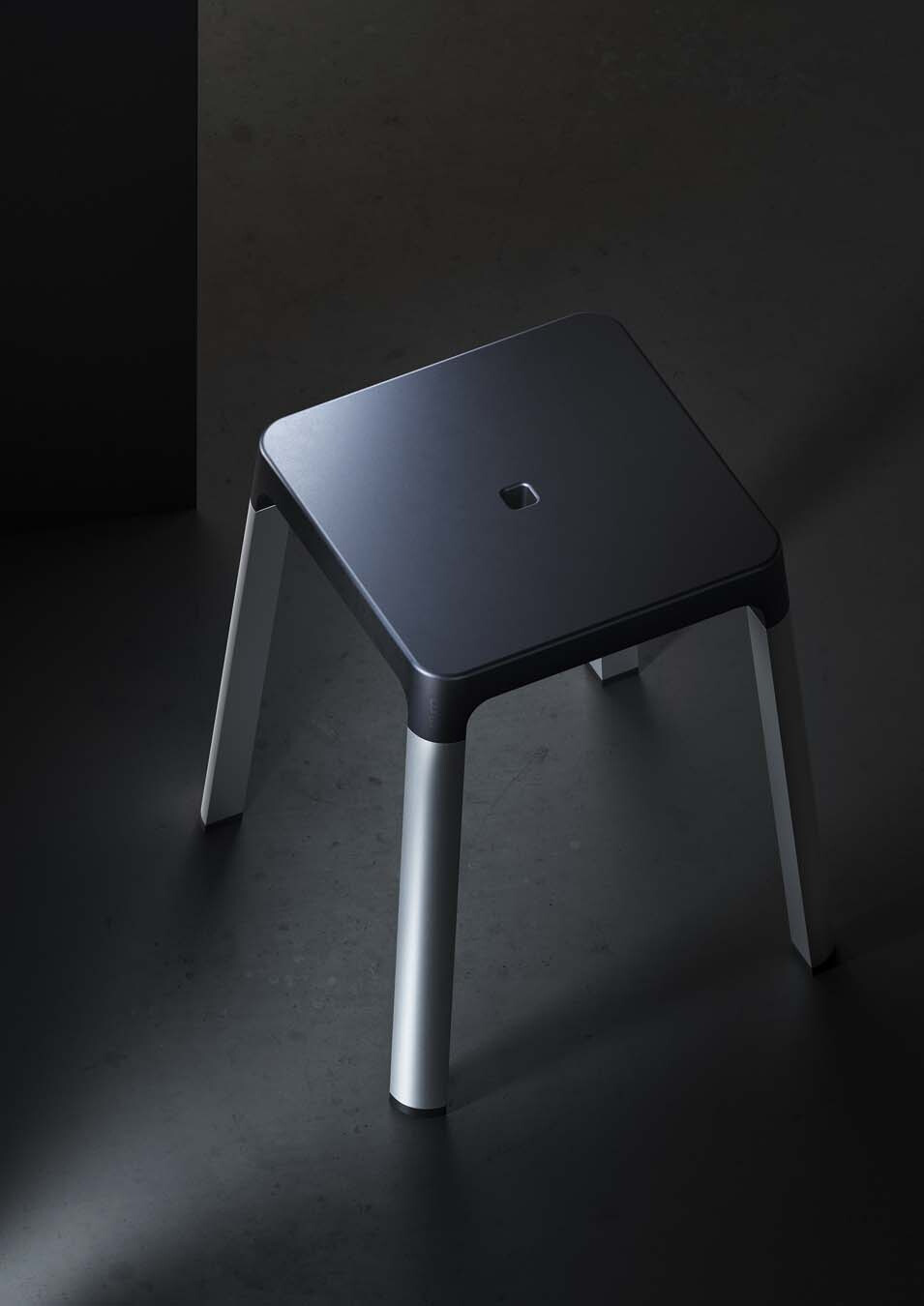
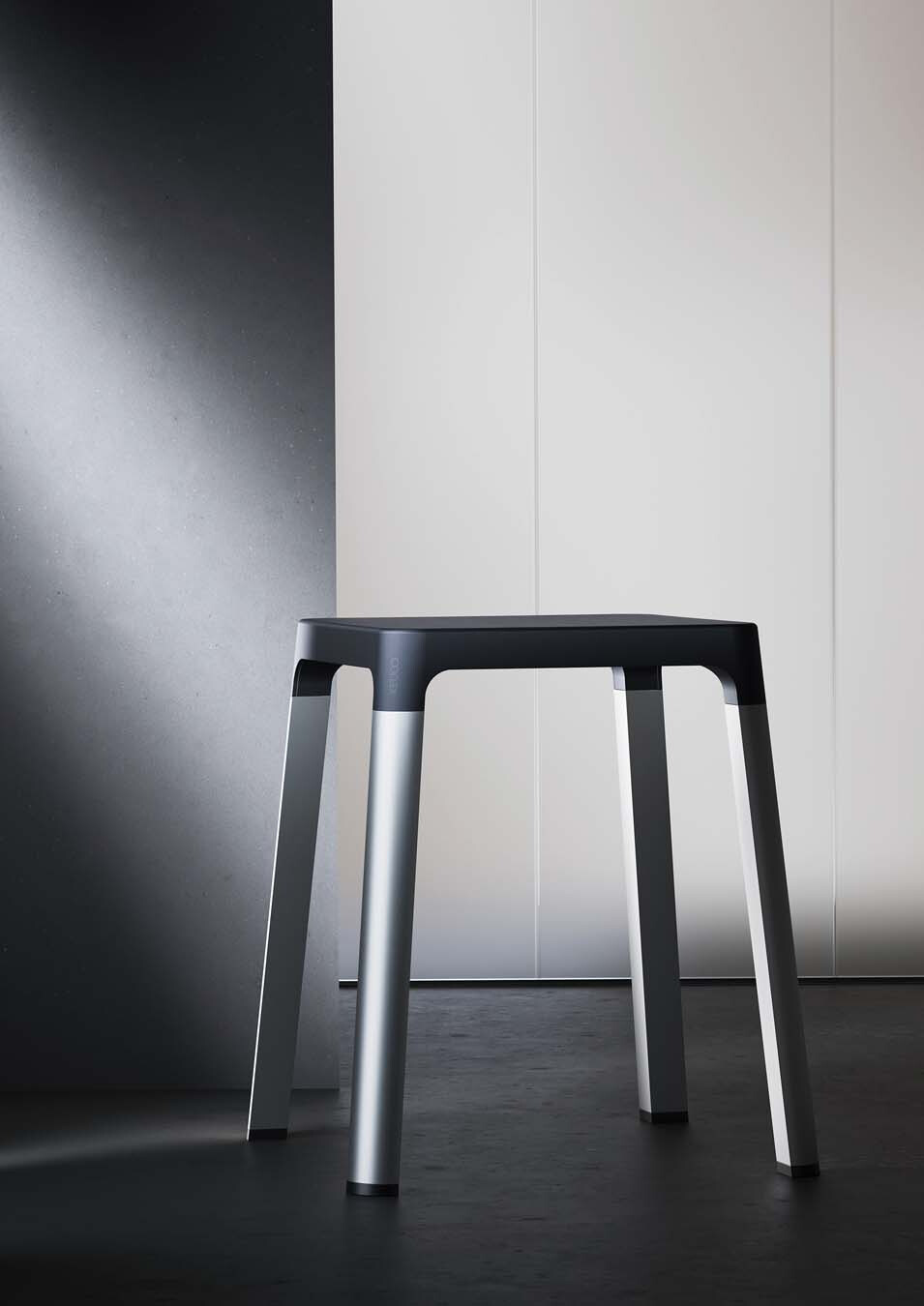
A shift in perspective can open up new ways of thinking about design. Studio F. A. Porsche, adept at reshaping form through function, has found that rethinking a product’s design and purpose can sometimes lead to a new product category. That possibility made the studio all the more keen to explore a question in its collaboration with KEUCO on AXESS: if assistive products lost their familiar visual cues, could their function still be clear and their use intuitive? When a universal design language extends to accessible spaces, design can remove not only the visual markers that set people apart but also the psychological barriers. Sculptural lines replace bulky support frames, while architectural geometry gives form to a lightweight, stable bathroom stool. Someone entering the bathroom might not even recognise the elegant folding support rail, fitted with a toilet paper holder, as assistive equipment. Yet it can readily bear a load of 115 kg. Its rounded grip lets the hand rest at a natural angle, giving users a firm hold as they press against it for support. Studio F. A. Porsche focuses on ensuring that every line and angle serves a specific function. Those elements that can be simplified no further reveal their essential beauty as they are used and put to the test over time.
在使用者的眼中,越是實用、精準的設計,經常越安靜。它無須時刻提醒人們己身的存在,只在有需要時,讓支持自然地發生。它不區別身體、不強化識別,只留出一份優雅應對的從容。如此一來,不分年齡層的移動自由、無差別對待的安全舒適,或許也將令我們生活的世界更接近理想中的平等。
The more practical and precise a design, the quieter it often seems to those who use it. It need not continually announce its presence; support comes naturally when needed. It neither categorises bodies nor singles anyone out, allowing people to use it with grace and ease. Freedom of movement at every age and equal access to safety and comfort might then bring the world we live in a little closer to the ideal of equality.