卡爾卡韋洛斯醫療中心
Carcavelos Health Complex
建築空間本身就是療癒的處方。關於健康的醫療機構,若能如公園般自然地存於生活背景裡,是不是能有效地降低人們心中主觀恐懼的抗性?這座卡爾卡韋洛斯(Carcavelos)醫療中心被建築團隊轉譯成日常靜謐陪伴的公共建築,反轉醫療機構往往予人醫療權威嚴肅的第一印象,更多是將感受留給在此的人們,讓陽光、陰影、路徑、停留以及人與人互動的溫度滲入其間,安靜的存在著。
Architectural space can be a prescription in itself. If a healthcare facility could sit in everyday life as naturally as a park, might it ease the fear people carry into care, and the resistance that fear can set off. In Carcavelos, this medical centre is translated into a quiet, companionable civic building. It reverses the stern authority medical institutions so often project. Here, feeling is given room. Sunlight and shadow, routes and pauses, and the warmth of human exchange seep into the place. It remains quietly present.
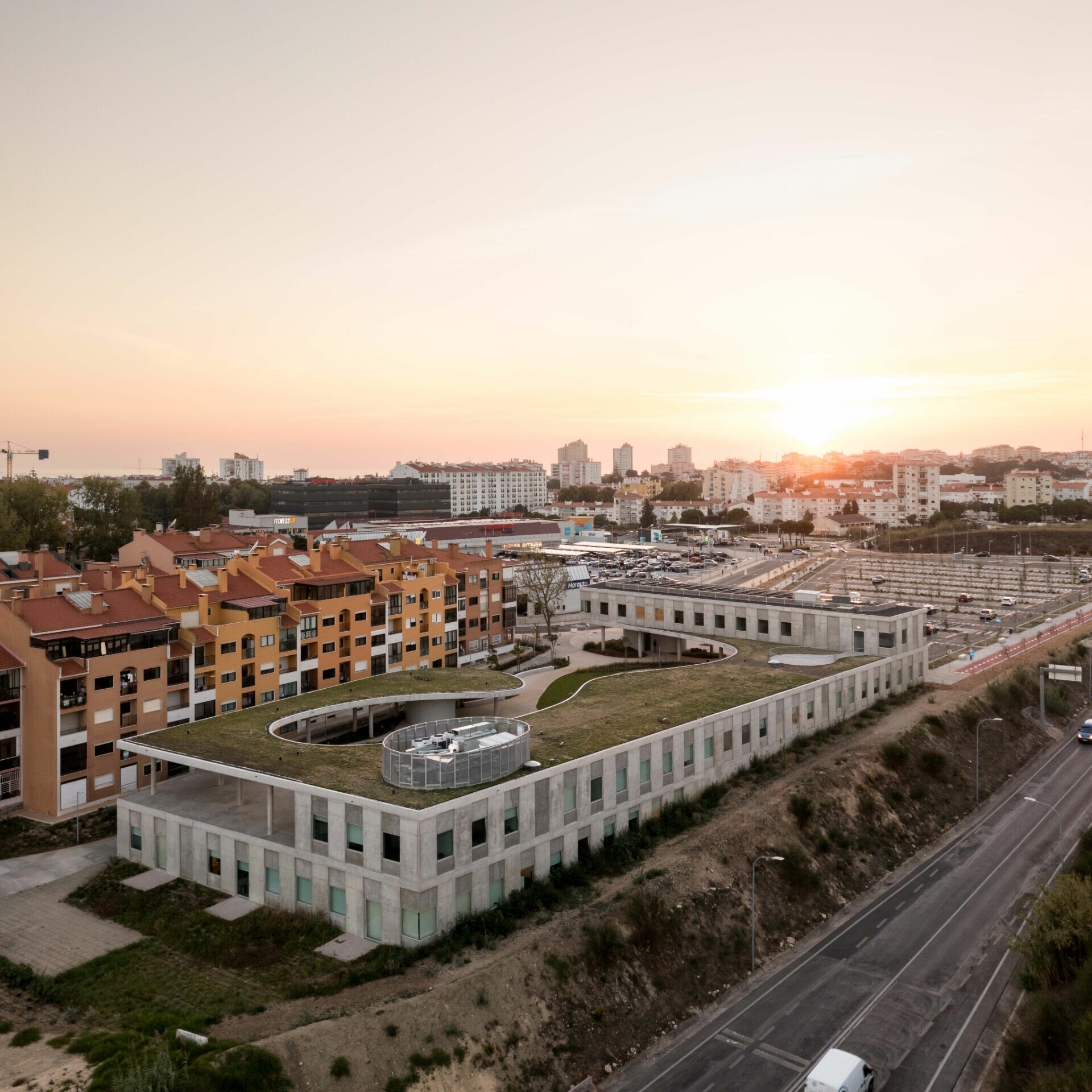
由 Simão Botelho、Studio-J 和 Duoma 共同設計,從社區日常多元互動的維度出發,將位於葡萄牙卡斯凱什(Cascais)的卡爾卡韋洛斯醫療中心整合包含家庭健康門診、共享醫療資源、藥物成癮治療及精神科等四項服務於此,透過中央公共花園串起醫療機能、包容更多活動,讓不同處境的人們能在這裡相遇、交流。
Designed by Simão Botelho, Studio-J and Duoma, the Carcavelos medical centre in Cascais, Portugal, brings four services together: family health outpatient care, shared medical resources, drug addiction treatment, and psychiatry. A central public garden ties the programmes together, accommodating more activity and allowing people in different circumstances to meet and talk.
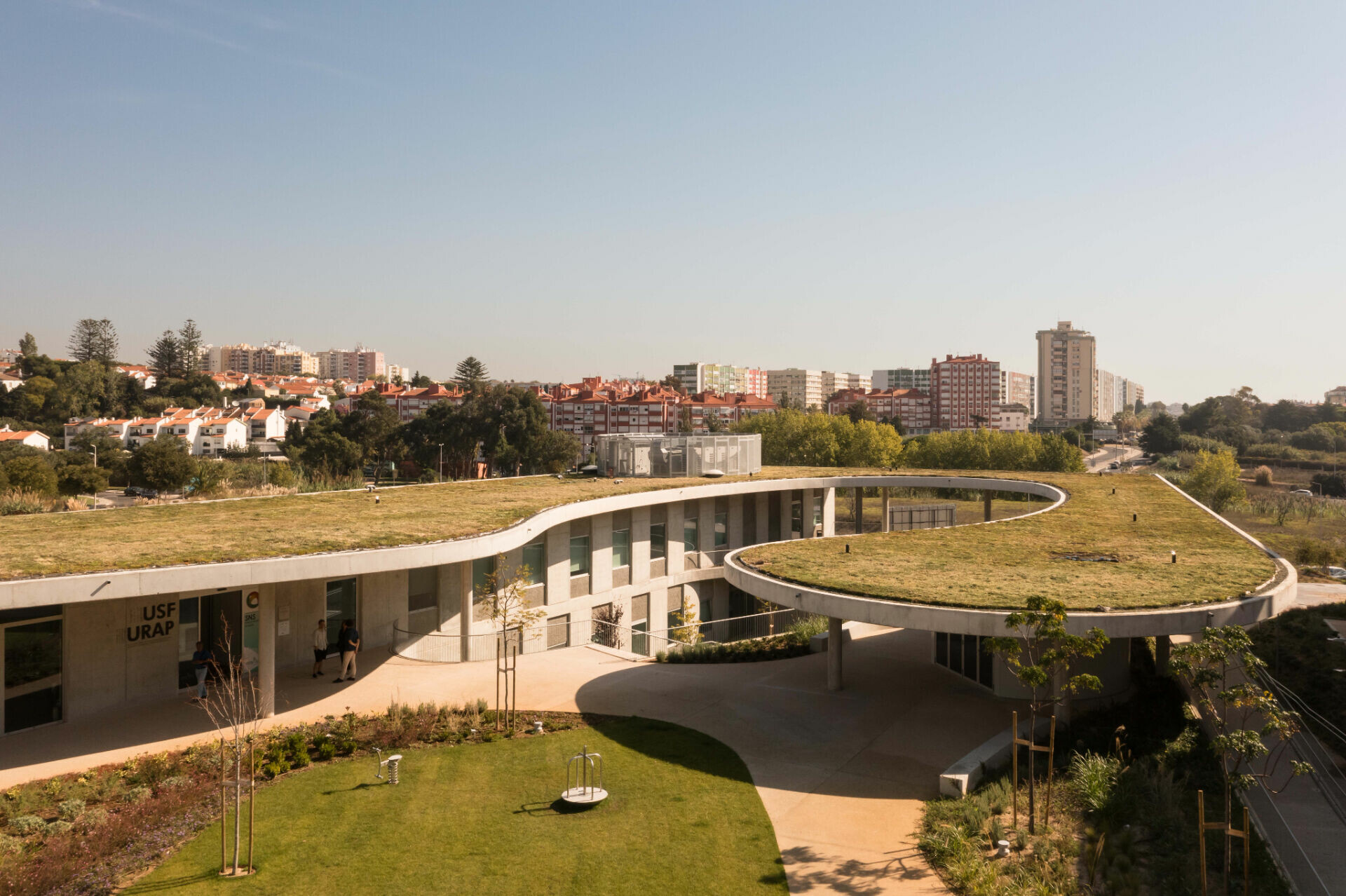
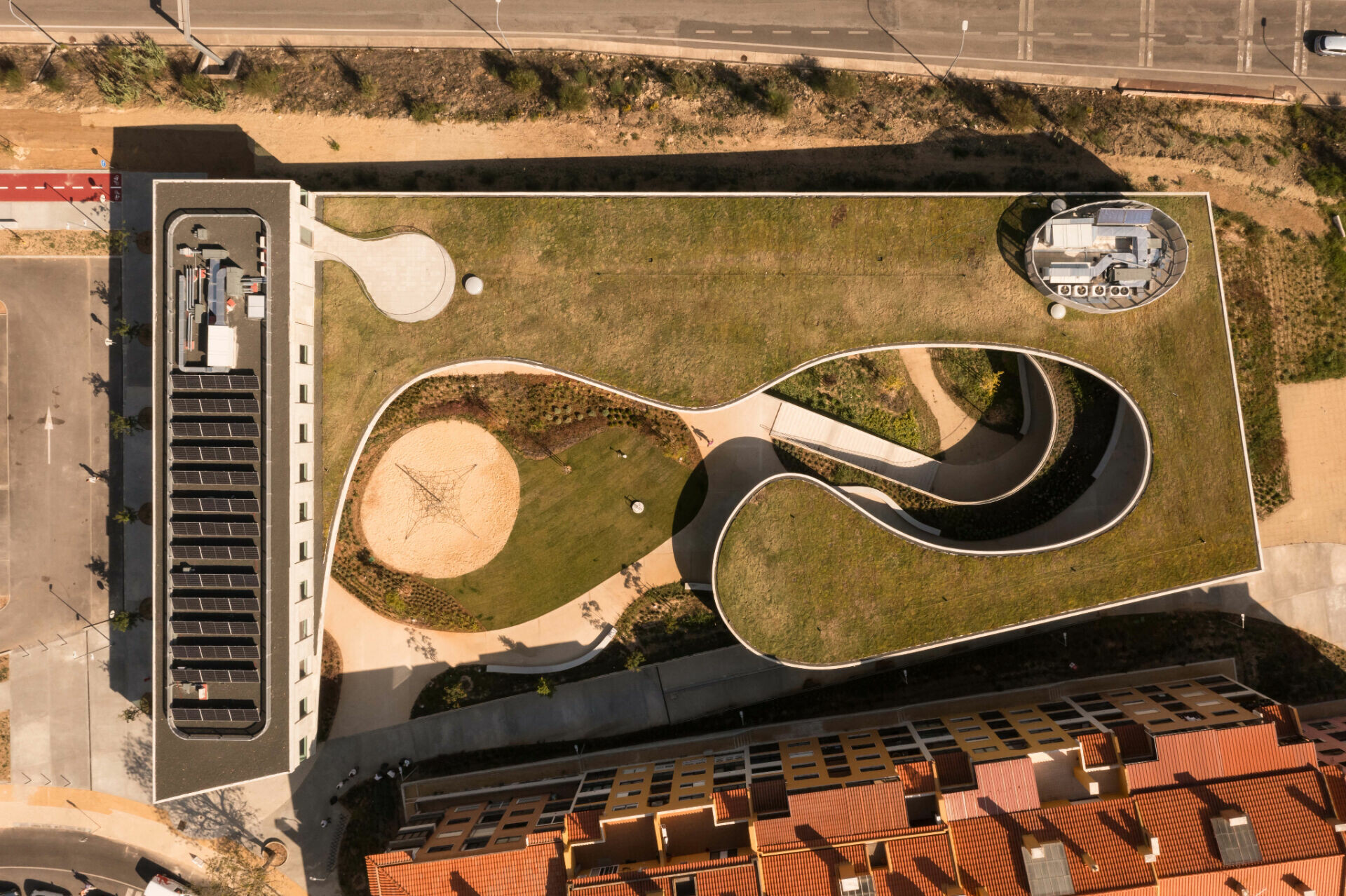
於是,設計策略選擇將建築北側主幹道存在的噪音作為一道屏障緩衝,為公共花園阻隔了喧囂,其南側則由既有住宅街廓界定,存於熟悉居住環境的生活背景之一,消隱人們對醫療中心的主觀印象,取而代之成為社區日常一隅。地面層的花園自然串起家庭健康、共享醫療門診,並於西側保留局部土壤供社區居民作為灌溉菜苗的園地,隨收成季節滋養耕作的樂趣。
The main road runs along the northern edge. The building turns that noise into a buffer, keeping the public garden clear of the city’s din. To the south, existing residential streets define the boundary and let the centre recede into a familiar domestic backdrop. Preconceptions of a medical facility begin to fall away. It reads instead as part of everyday neighbourhood life. At ground level, the garden naturally links the family health and shared outpatient functions. To the west, a patch of soil is left for residents to water and tend vegetable seedlings, with each harvest season renewing the satisfaction of cultivation.
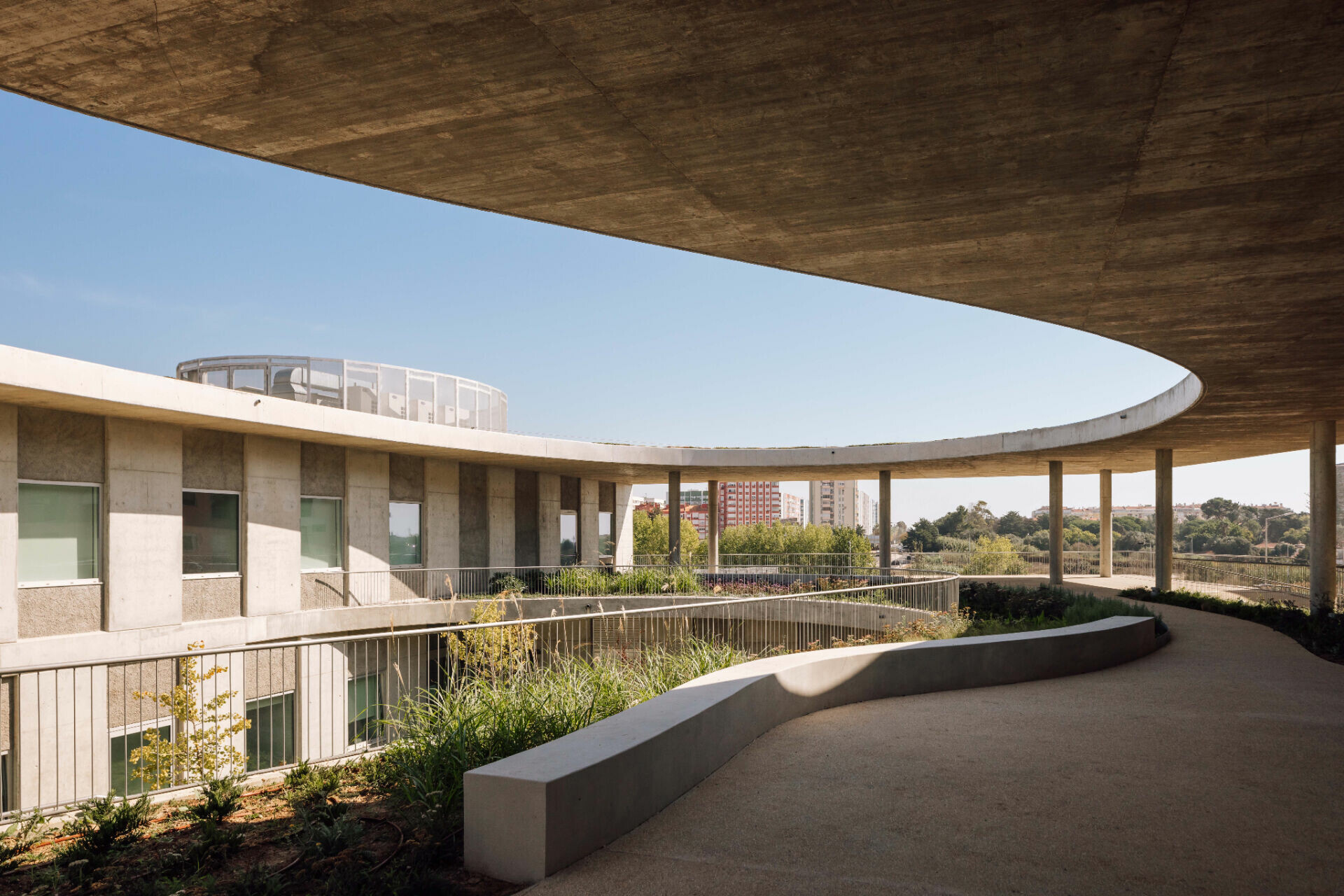
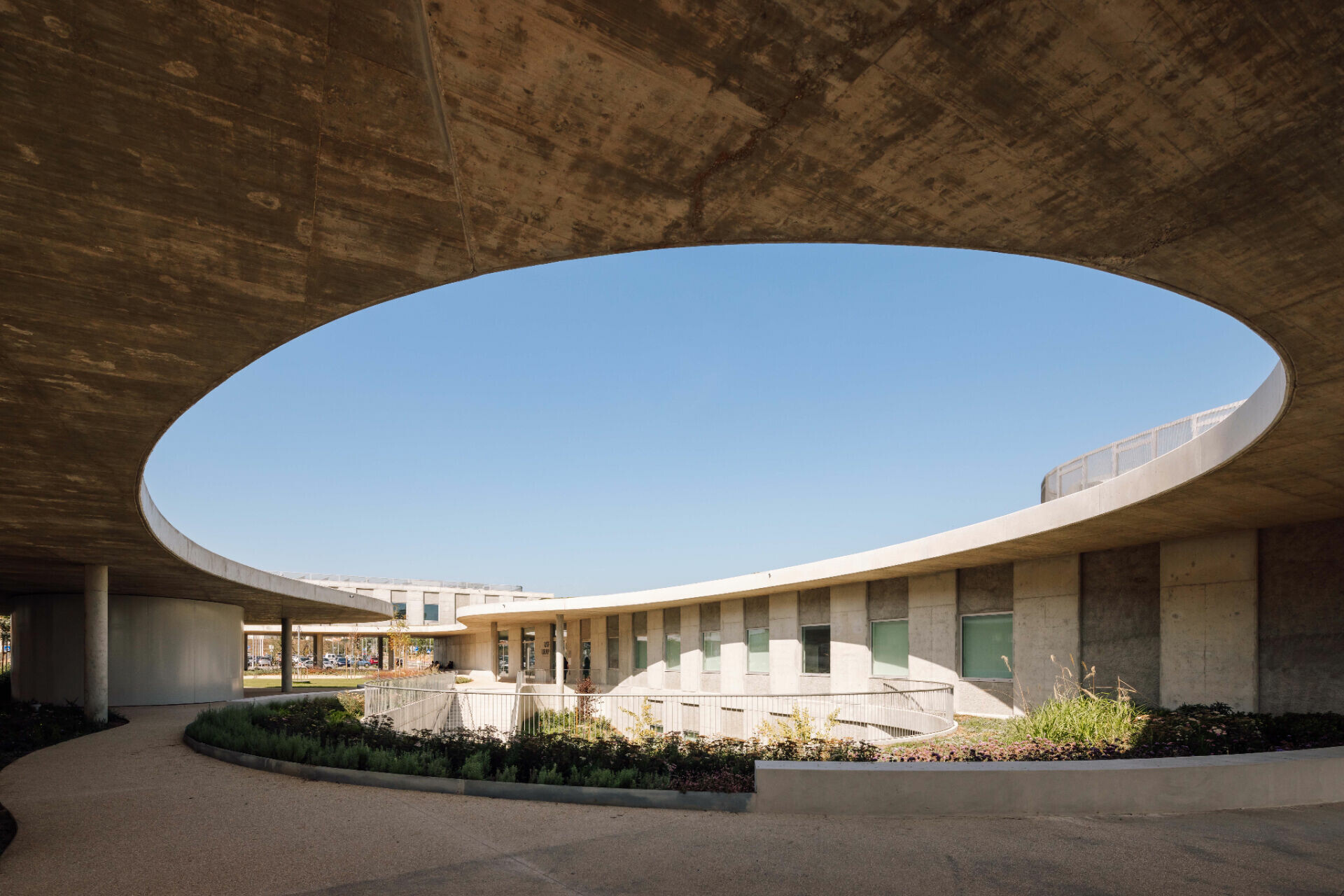
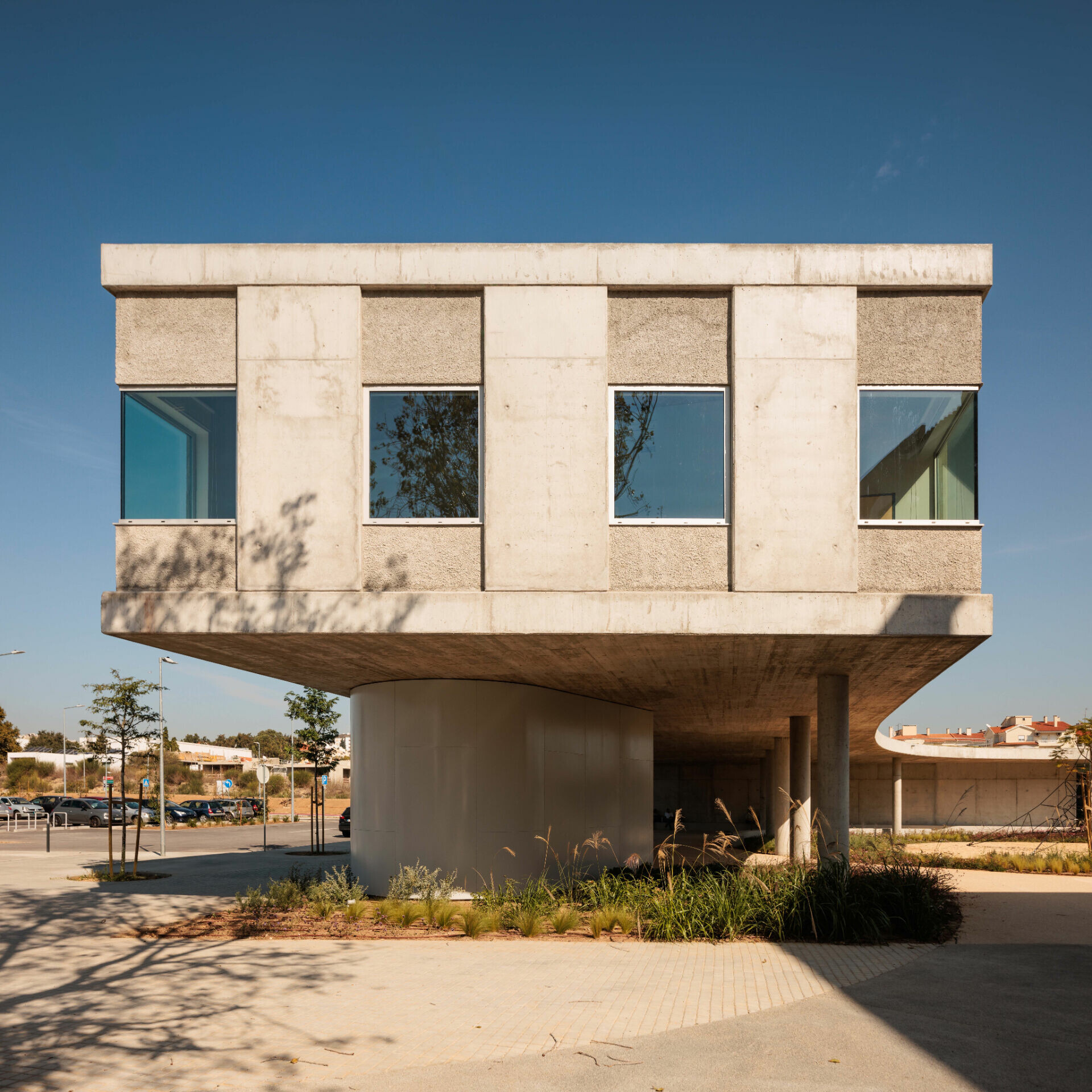
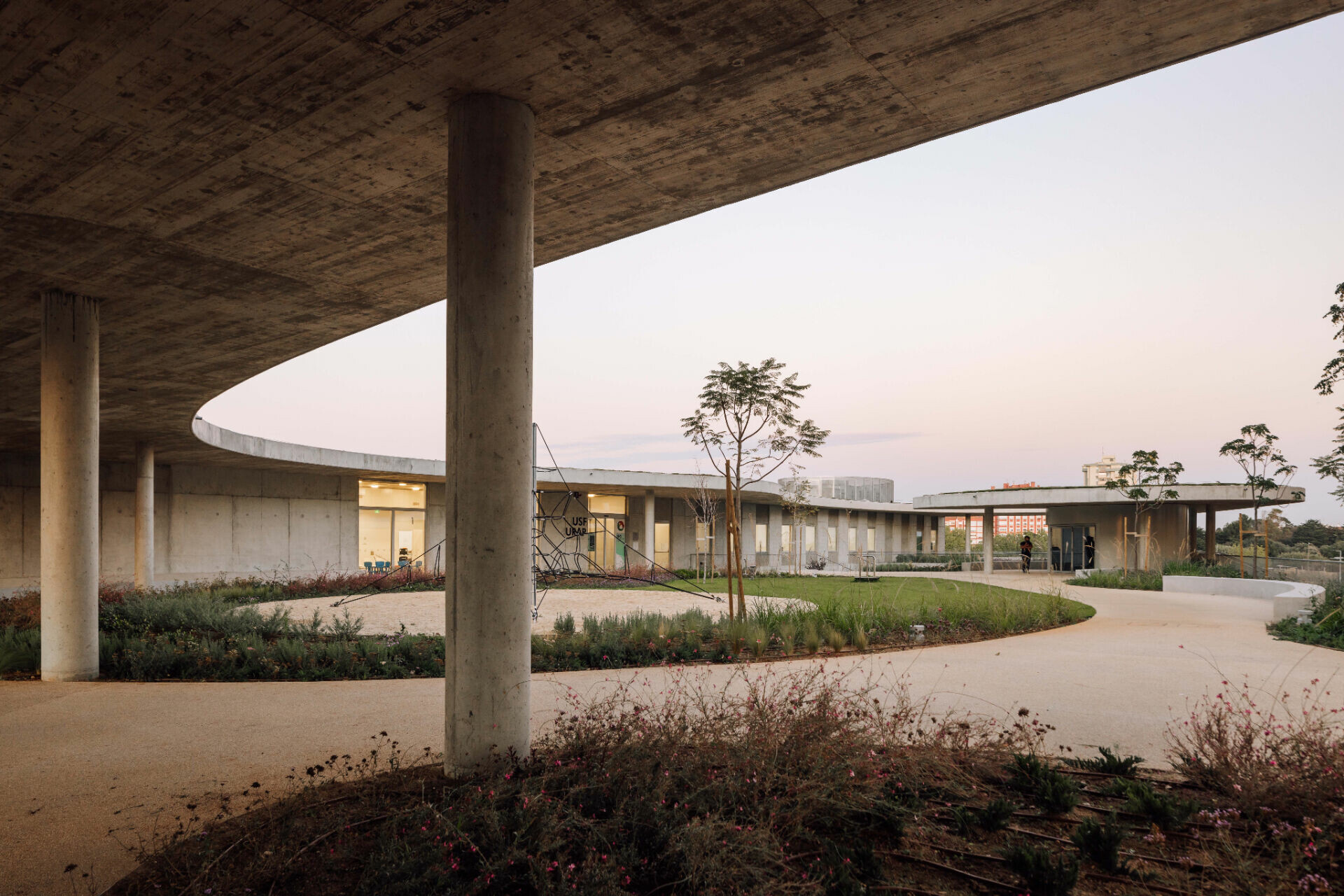
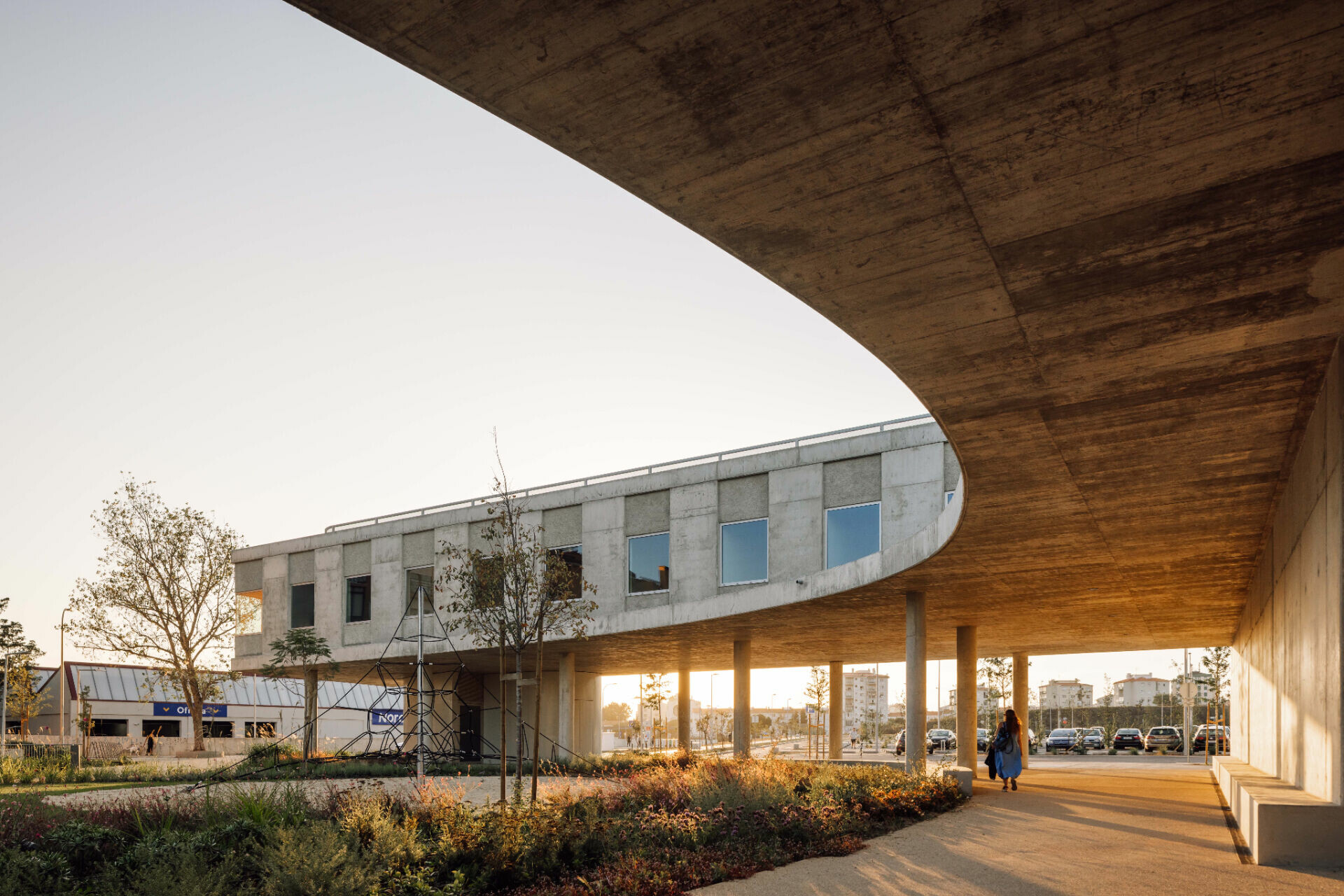
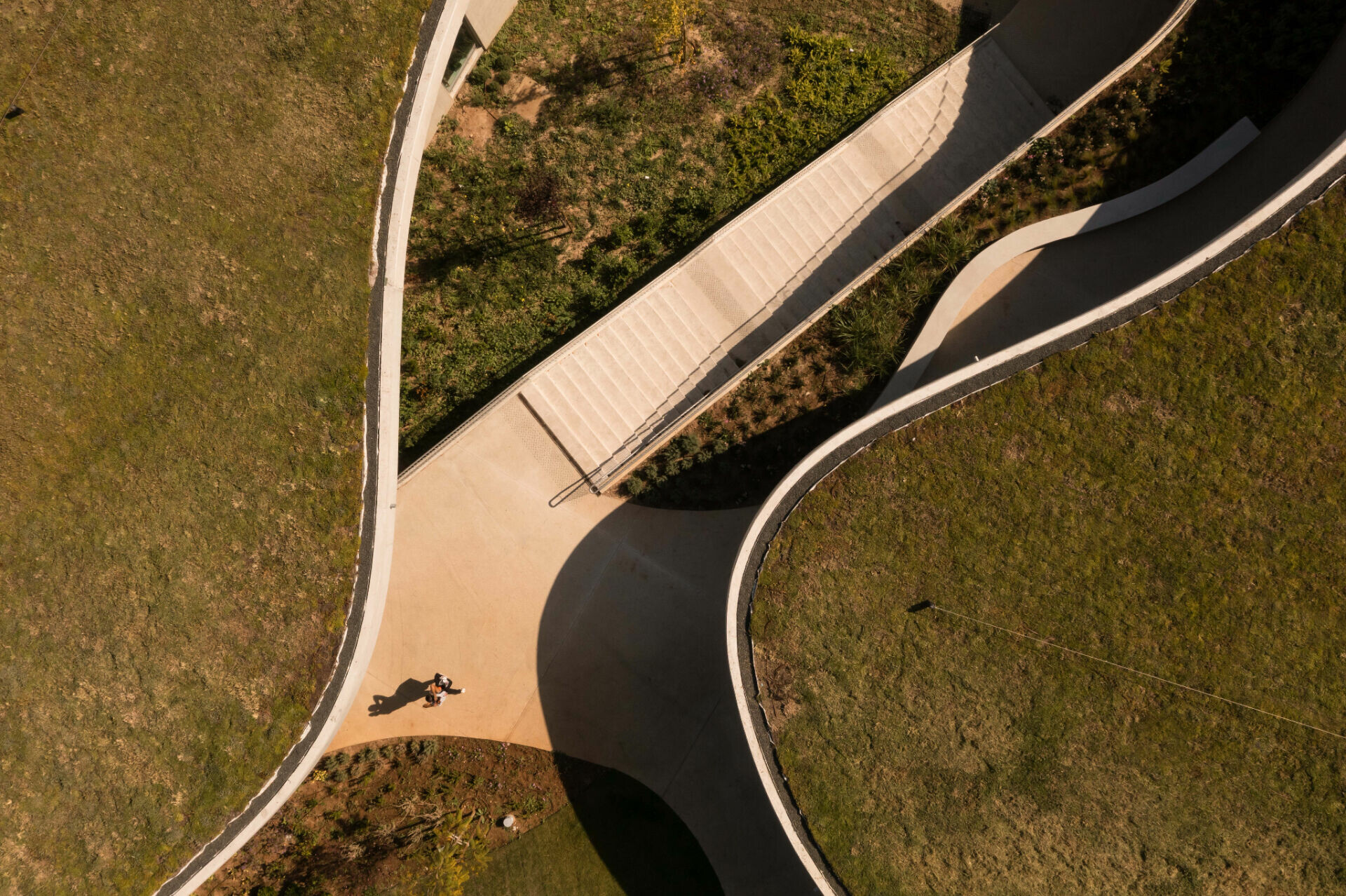
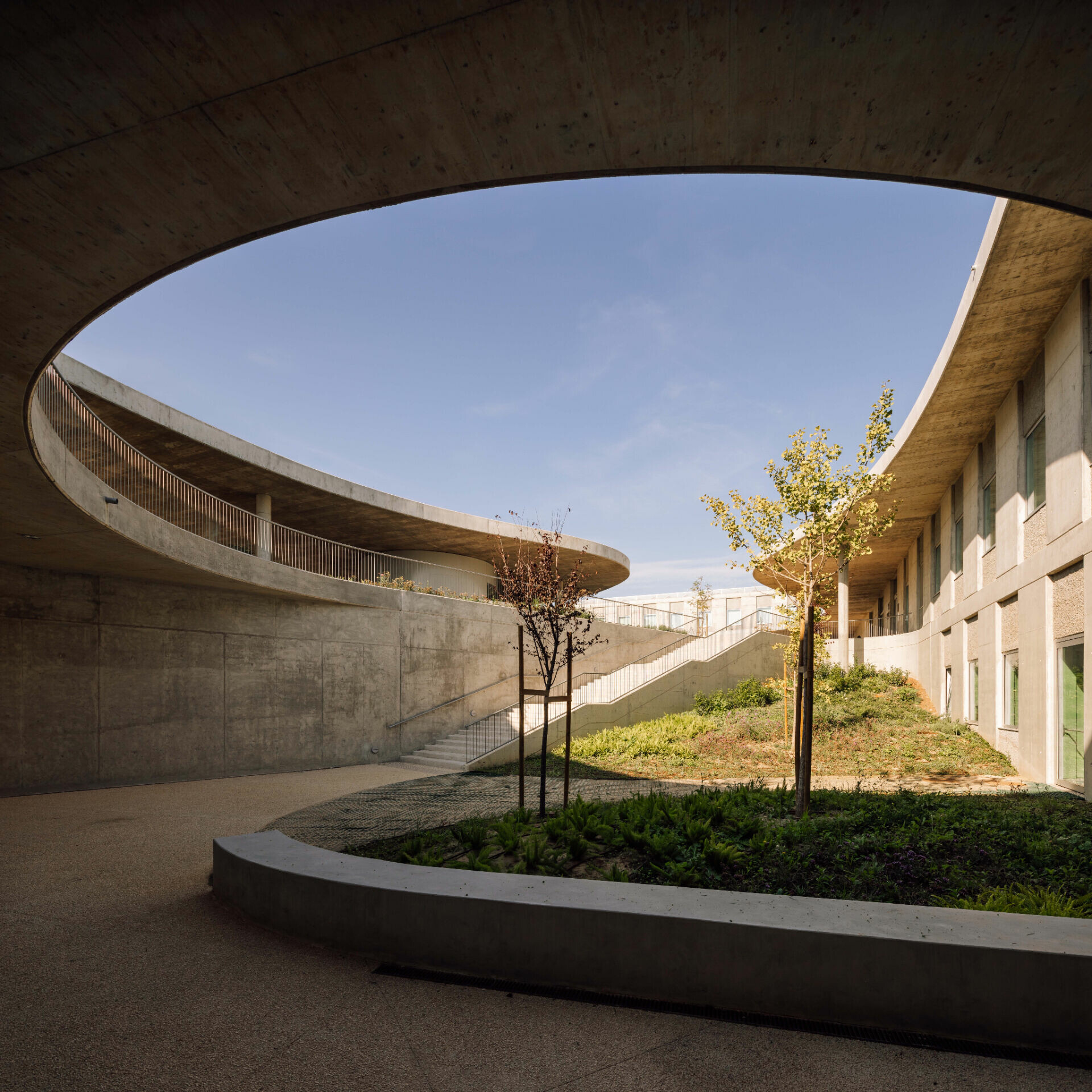
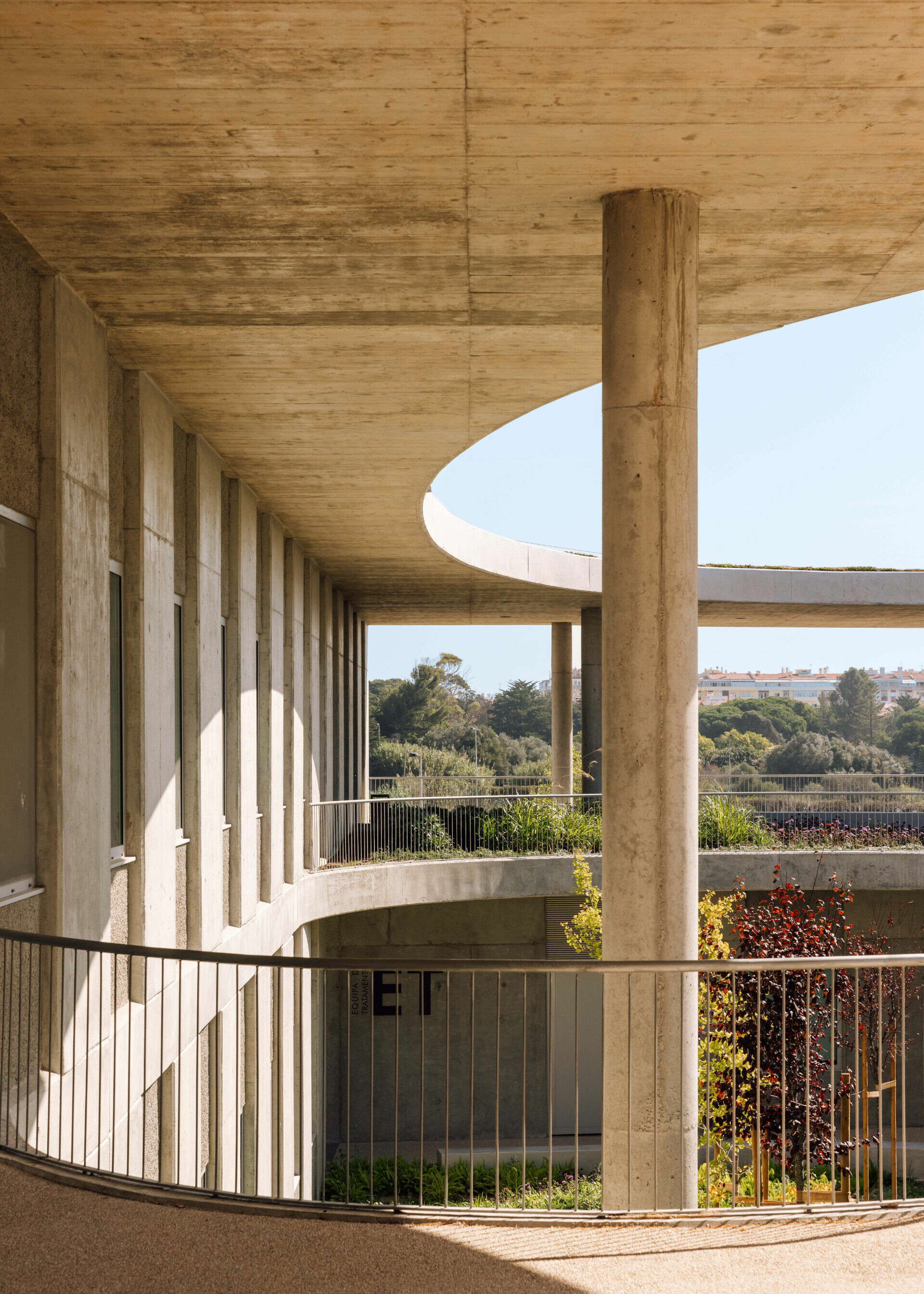
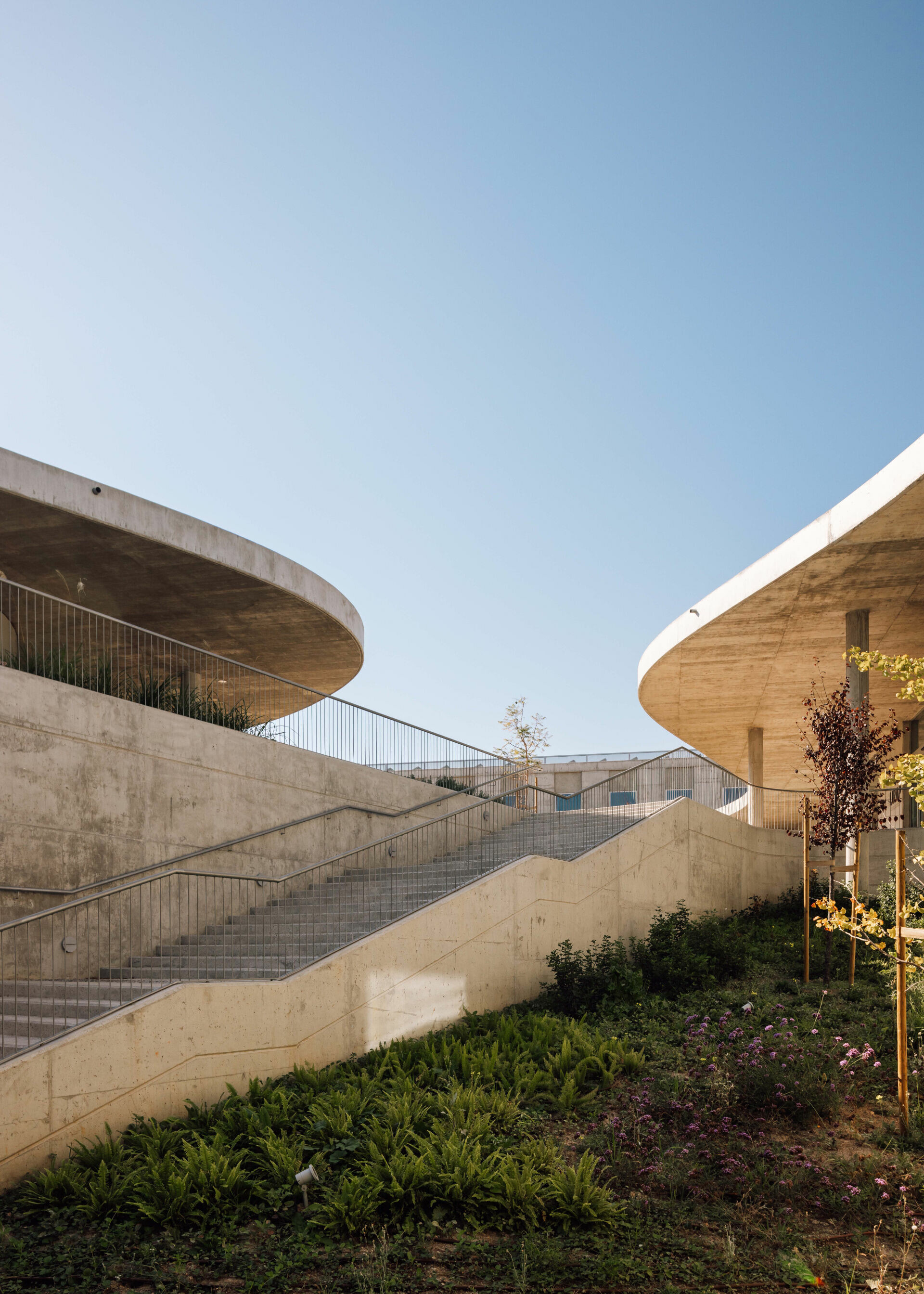
卡爾卡韋洛斯粗獷的立面,其原生材質語彙與花園形成對比,烘托蓊鬱植物的有機。量體伸出一道混凝土的雨棚為花園界定了邊界,看似溫柔的手勢曲線,將光影與植栽一起納入所及範圍 ; 下層分布喬木與低矮植栽構成了庭院,沿階梯緩緩銜接草坪地面,在這裡兒童遊具與半戶外咖啡空間,不僅是醫護人員或病患的停留處,它也向社區開放成為聚會、運動、孩子玩耍、遮蔭或散步的理想環境。
The facade is intentionally rugged. Its raw material palette stands in contrast to the garden and brings the planting’s organic presence into sharper relief. A concrete canopy extends from the volume to mark the garden edge. Its curving line reads as a gentle gesture, gathering light, shadow and vegetation beneath it. Below, tall trees and lower planting form a courtyard that steps down to the lawn. A children’s play area sits alongside a sheltered cafe space. It offers a place to pause for staff and patients, and it is open to the community for gatherings, exercise, play, shade and unhurried walks.
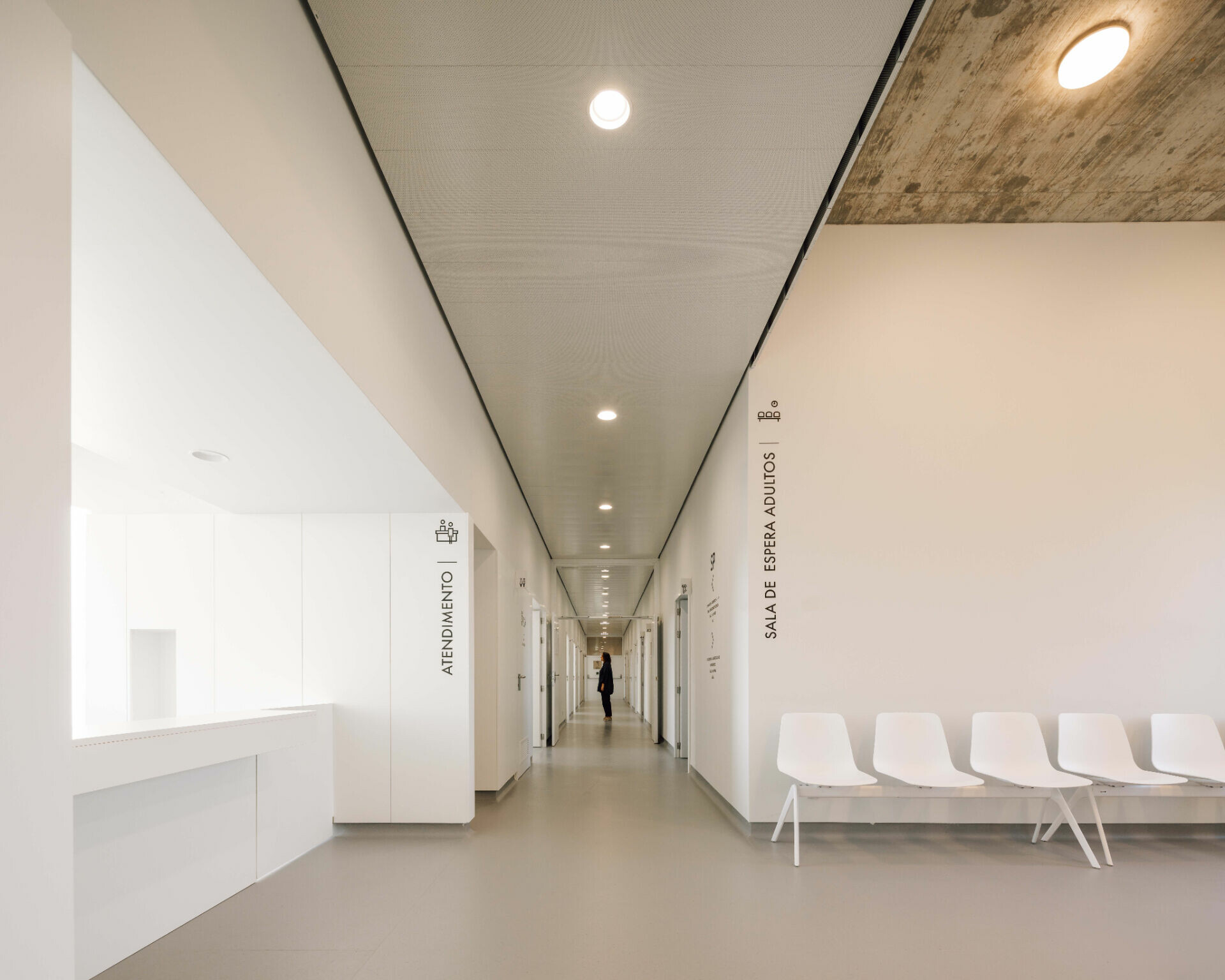
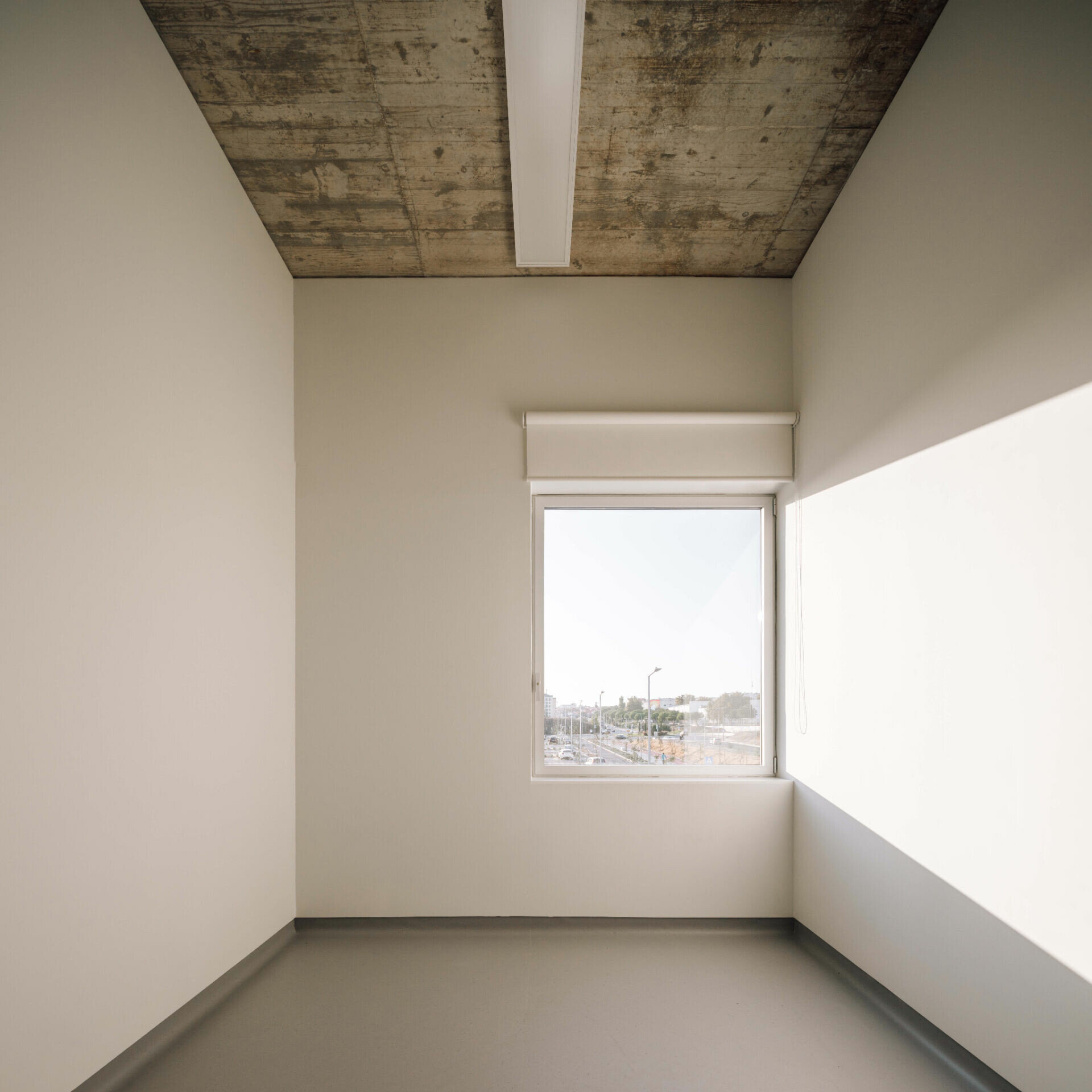
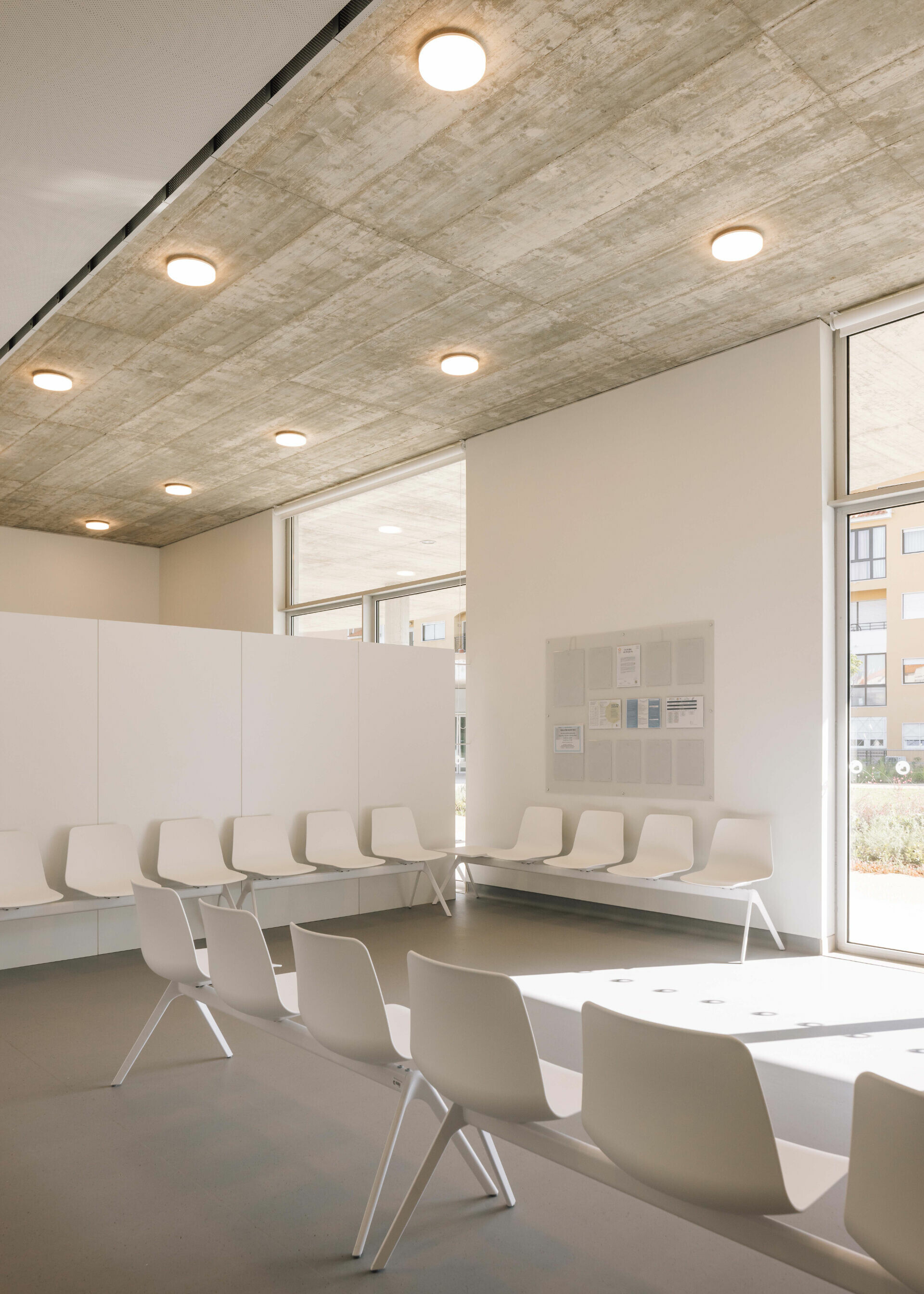
當人們進入室內,設計布局以線性配置,中央走廊整合動線與機電,診間與辦公室配置使用輕質隔間系統分列兩側,清晰的秩序成為公共醫療要素亦便民,空間在未來變動中成為可預期的日常,使其彈性得以長期延續。當人們處在明亮、潔白基調的場域裡,動線留予光與空氣流動的餘裕,推移的影悄悄地療癒身、心。這種將公共生活納入醫療建築的思考,使療癒不再是單向治療,而實踐包容與人群連結的新模式,將照護無縫地延伸到生活裡。
Inside, the layout follows a linear organisation. A central corridor integrates circulation with mechanical and electrical services. Consultation rooms and offices line both sides, defined by a lightweight partition system. The order is clear and practical, an essential condition of public healthcare and easy to navigate in daily use. It also anticipates change. As needs shift, the setting can adapt without losing its steadiness, allowing flexibility to endure. Within a bright, white-toned interior, circulation is given room for light and air to move. As shadows drift across surfaces, relief arrives quietly, in body and mind. By bringing public life into a healthcare building, the project suggests a different model of healing. It moves beyond one-way treatment and extends care smoothly into everyday life.