Villa Lago
Light, proportion, and time quietly shape the inner life of architecture. They decide whether a building deserves to be revisited. The word “classic” often implies an artistic quality: works that, even as generations turn over, can cut through time’s haze, remain meaningful in the present, resonate emotionally, and continue to provoke new readings. In doing so, they find a lasting harmony with era, culture, and environment. This sensibility aligns with Fran Silvestre Arquitectos and the ideas the studio has long advanced, including “Innovative Tradition” and “Efficient Beauty”. Design, in this view, is rooted in inherited context, drawn from a site’s resources, and shaped into a landmark inseparable from its terrain.
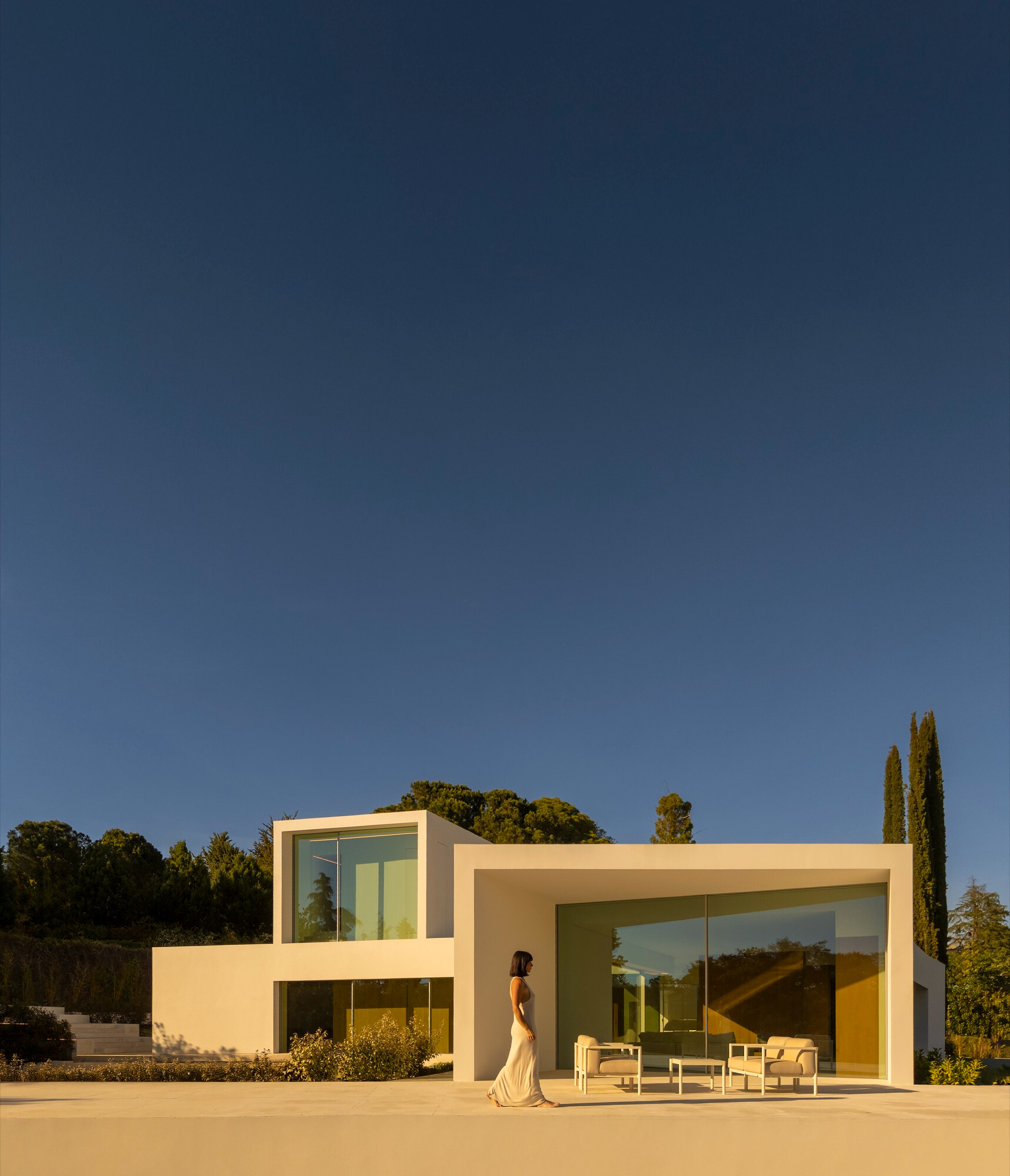

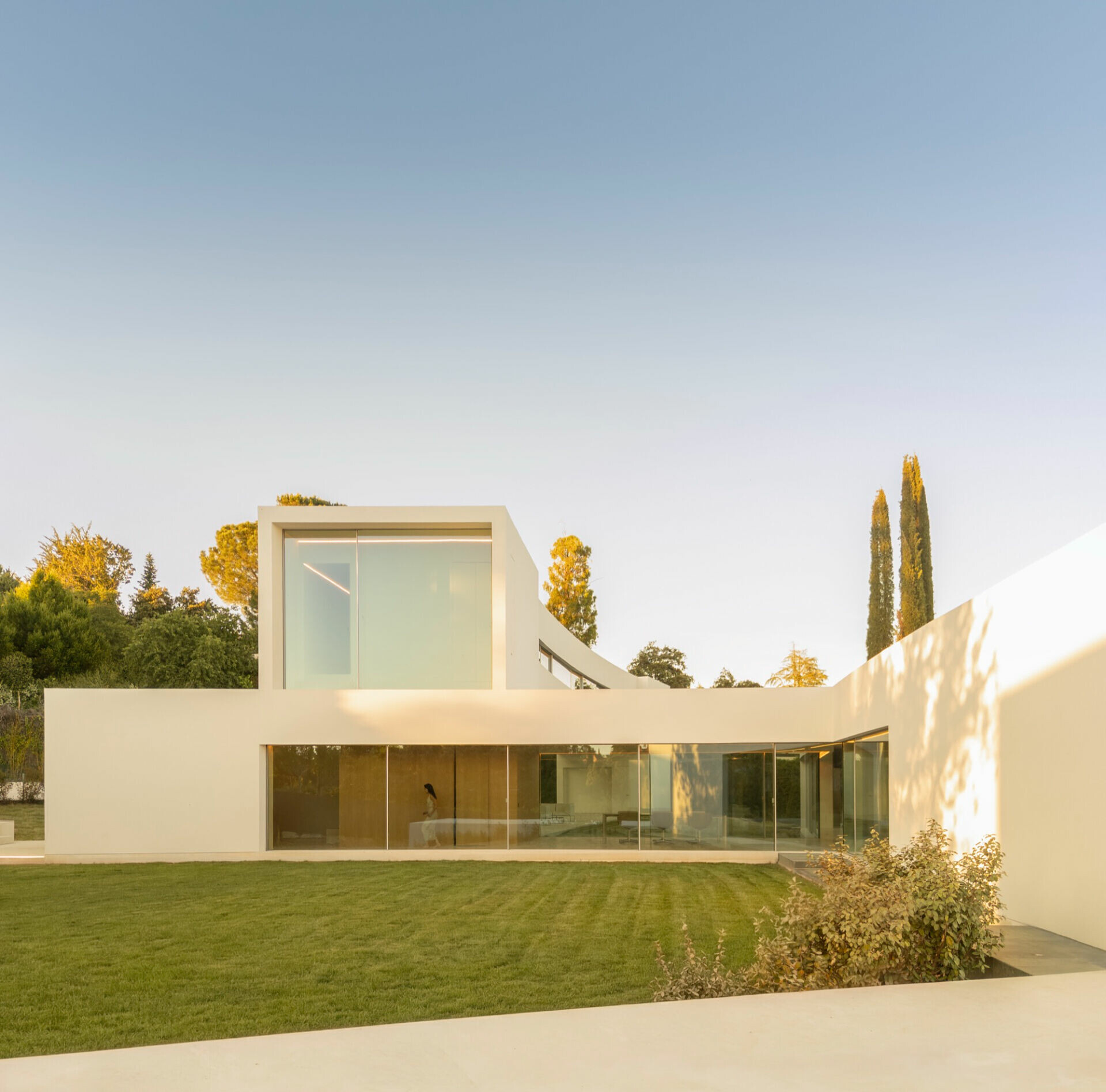
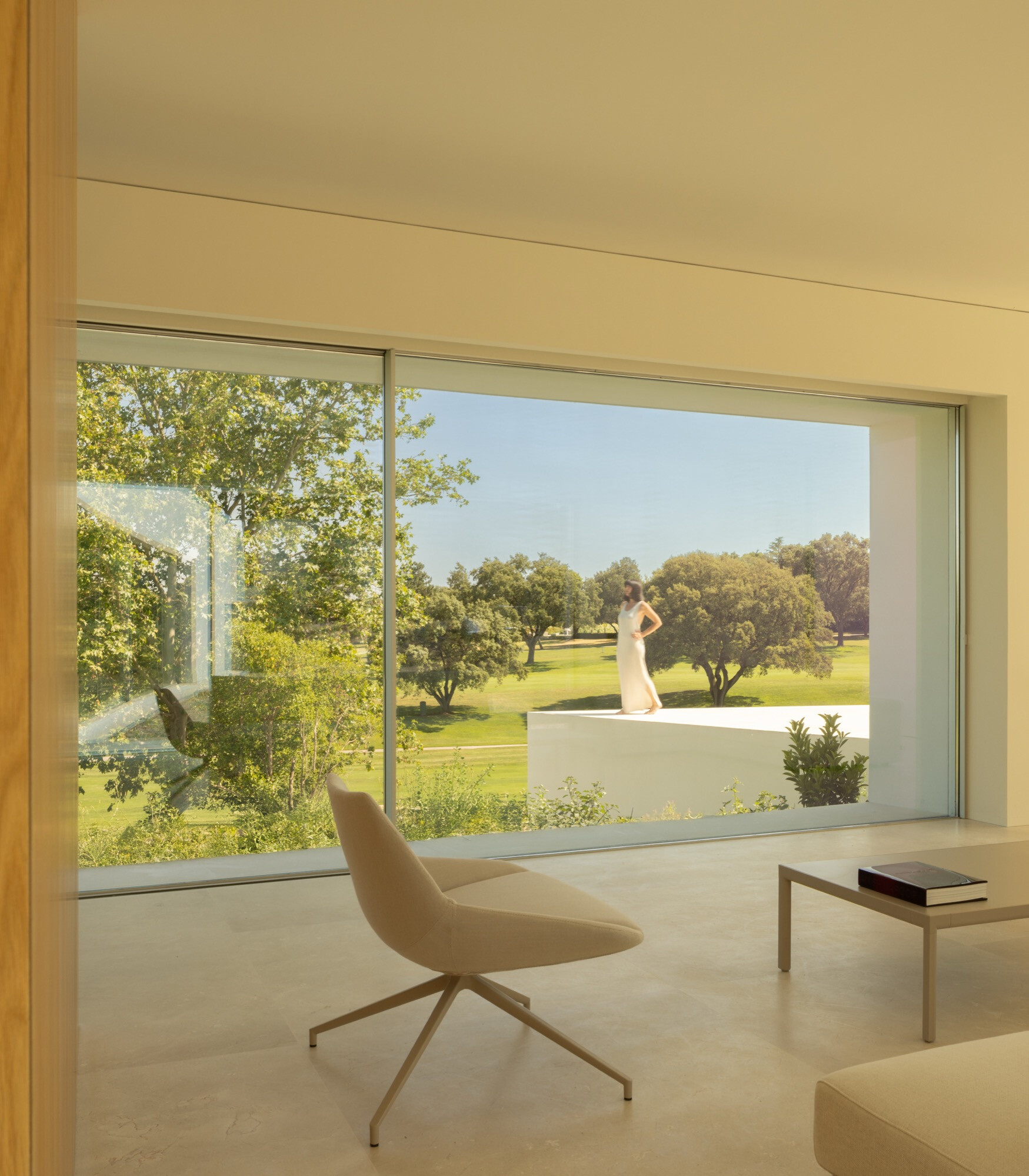
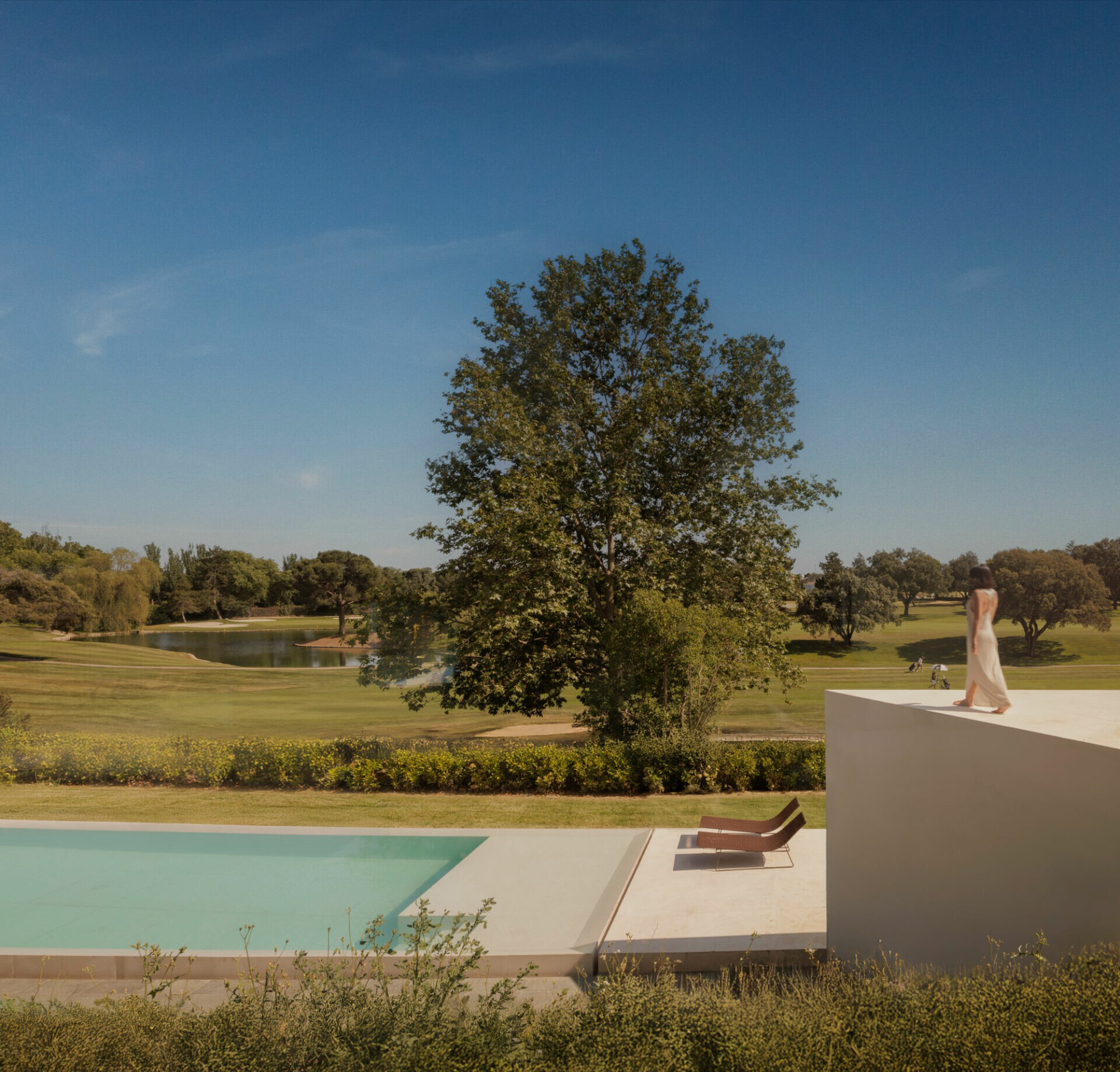
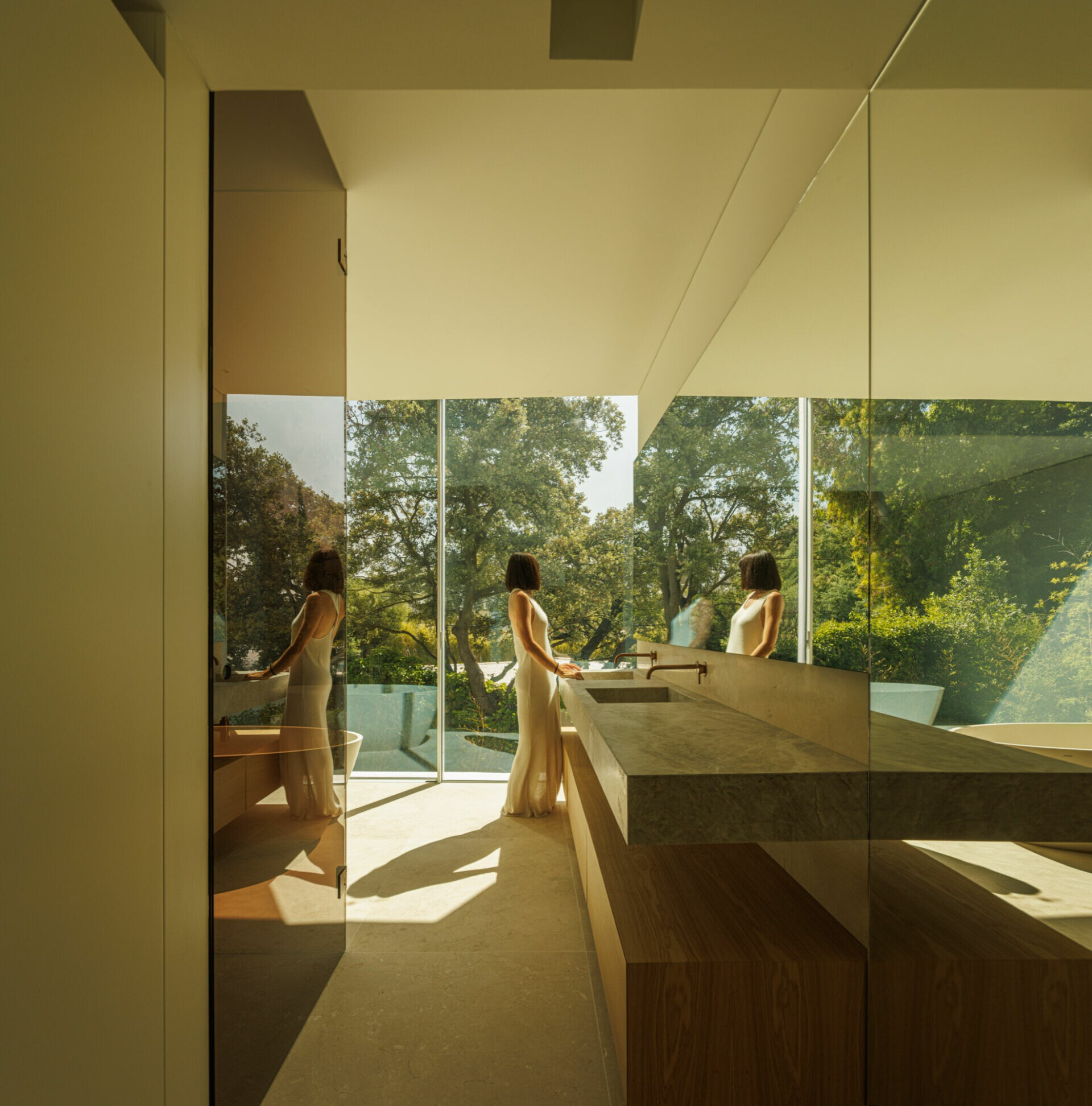
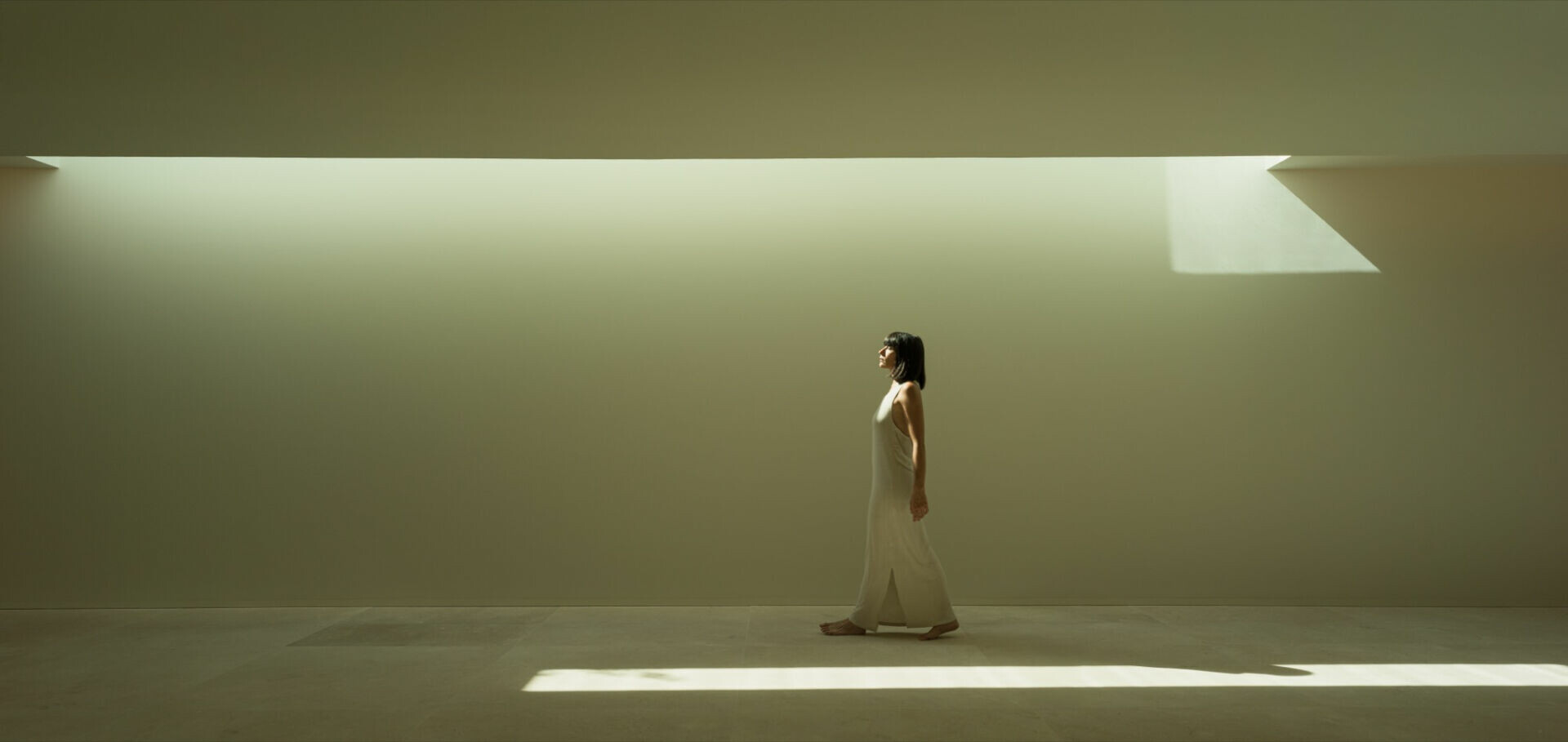
In Villa Lago, the studio again examines the interdependence of environment, people, and architecture, allowing domestic life to become part of the project’s artistic expression. The house sits in La Moraleja on Madrid’s northern edge, within a heavily wooded area shaped by low-density development. Under intense sun, light is filtered into shifting patterns of shade; breezes temper the summer heat. Between glare and shadow, the house finds its measure and lends everyday life a quiet poetry. Familiar with this setting, the team avoids a sealed, self-contained mass. Instead, it works with a softer threshold defined by nature, easing the separation between building, body, and the site’s original landform.
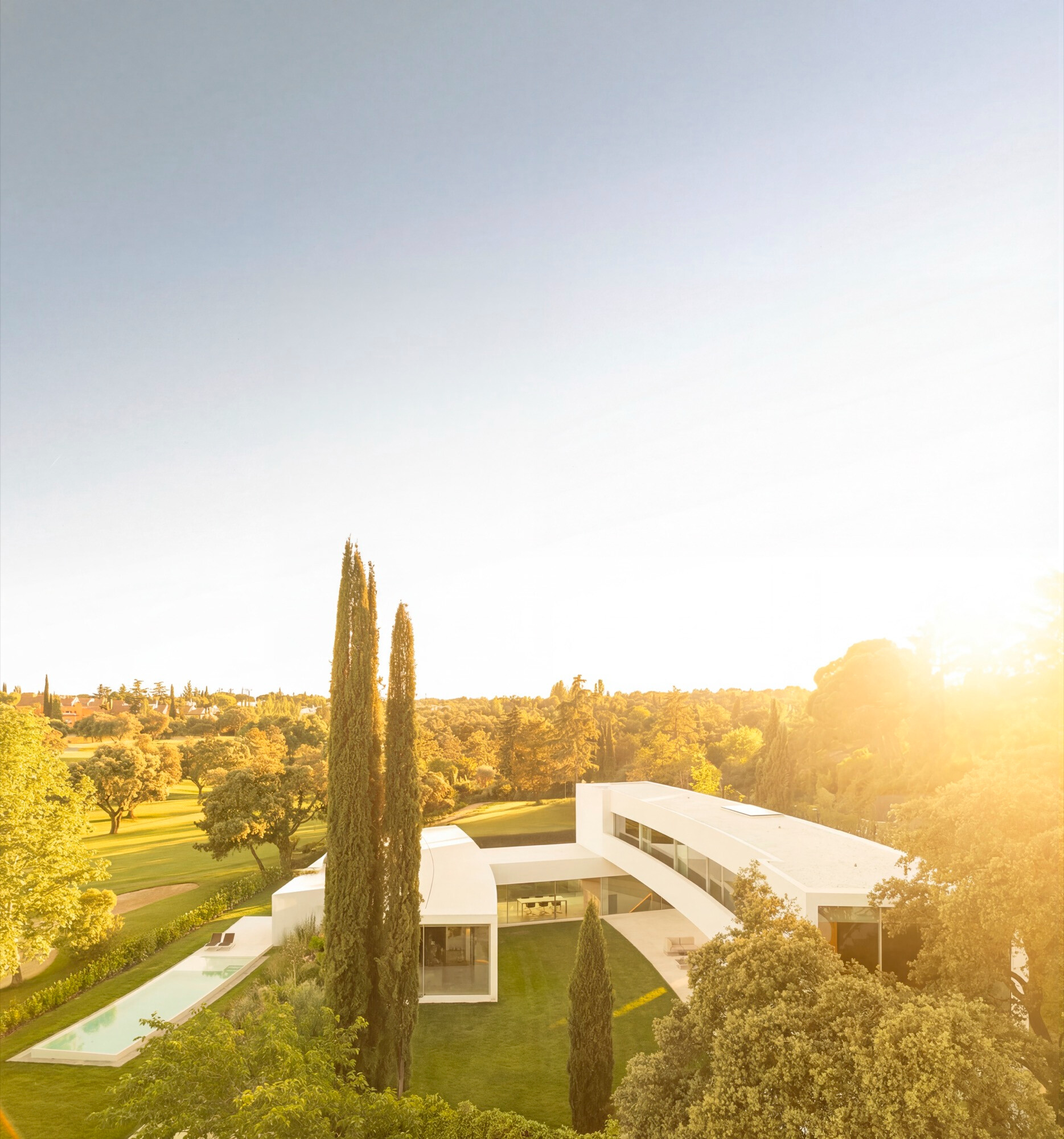
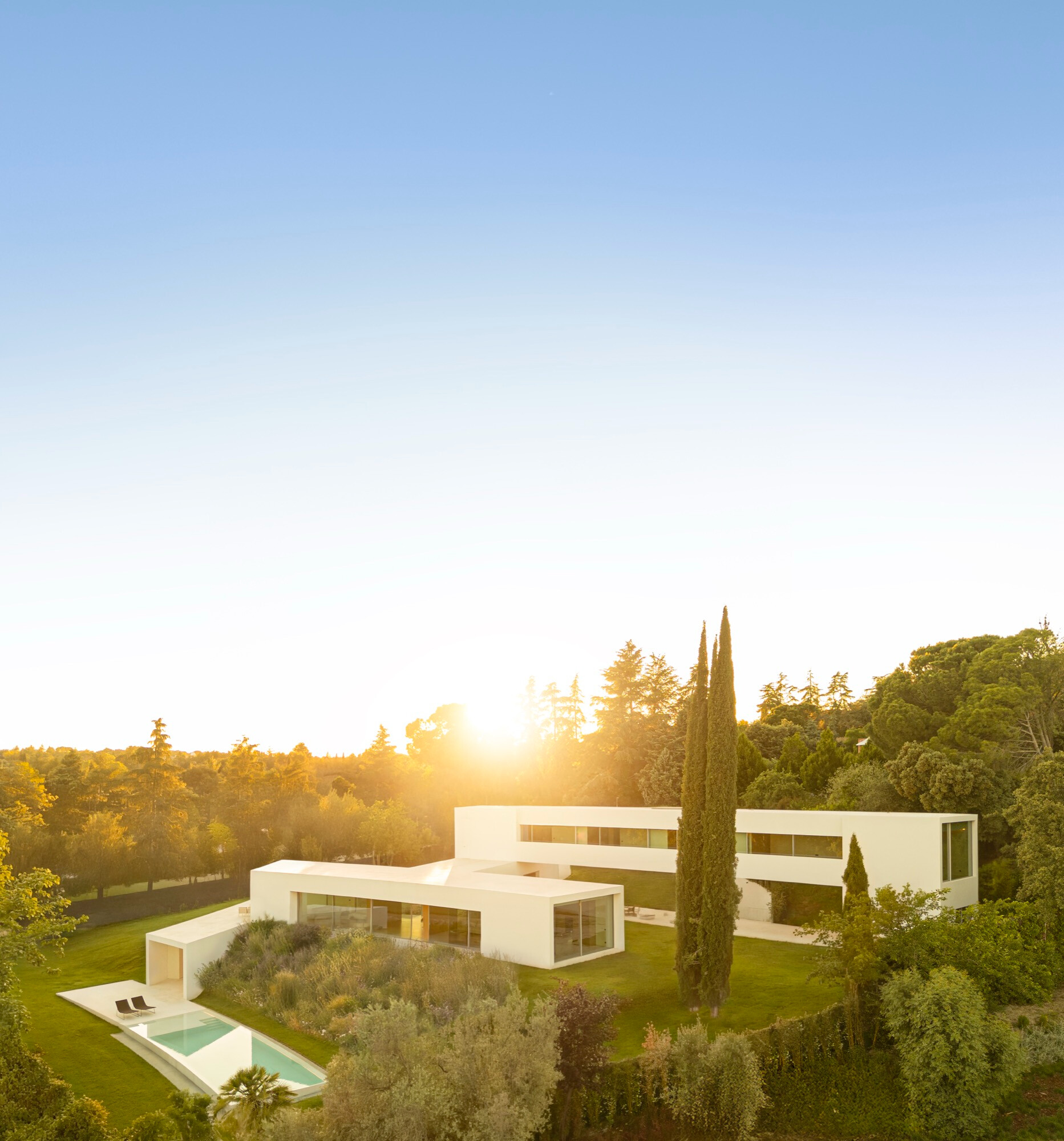
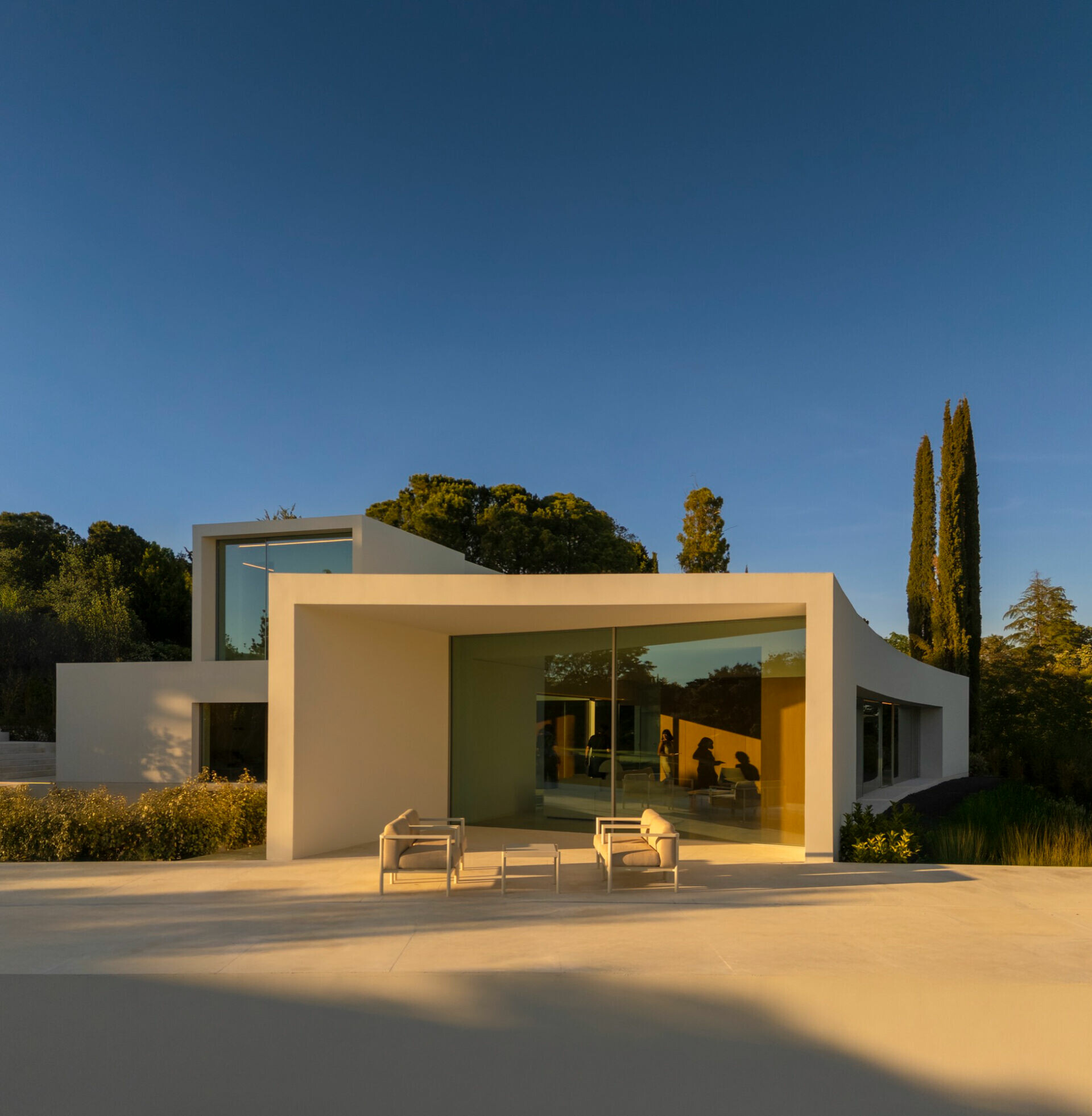
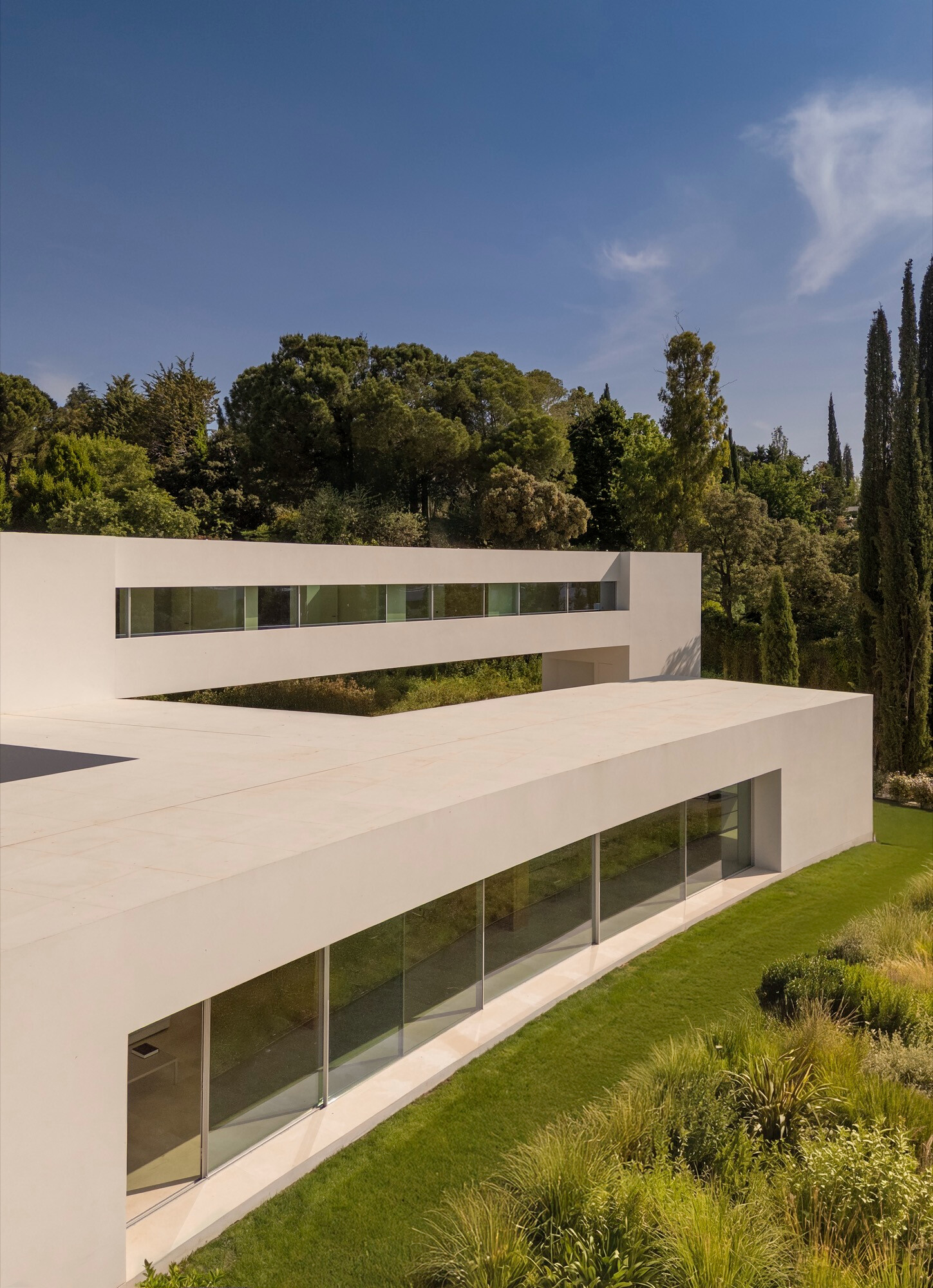
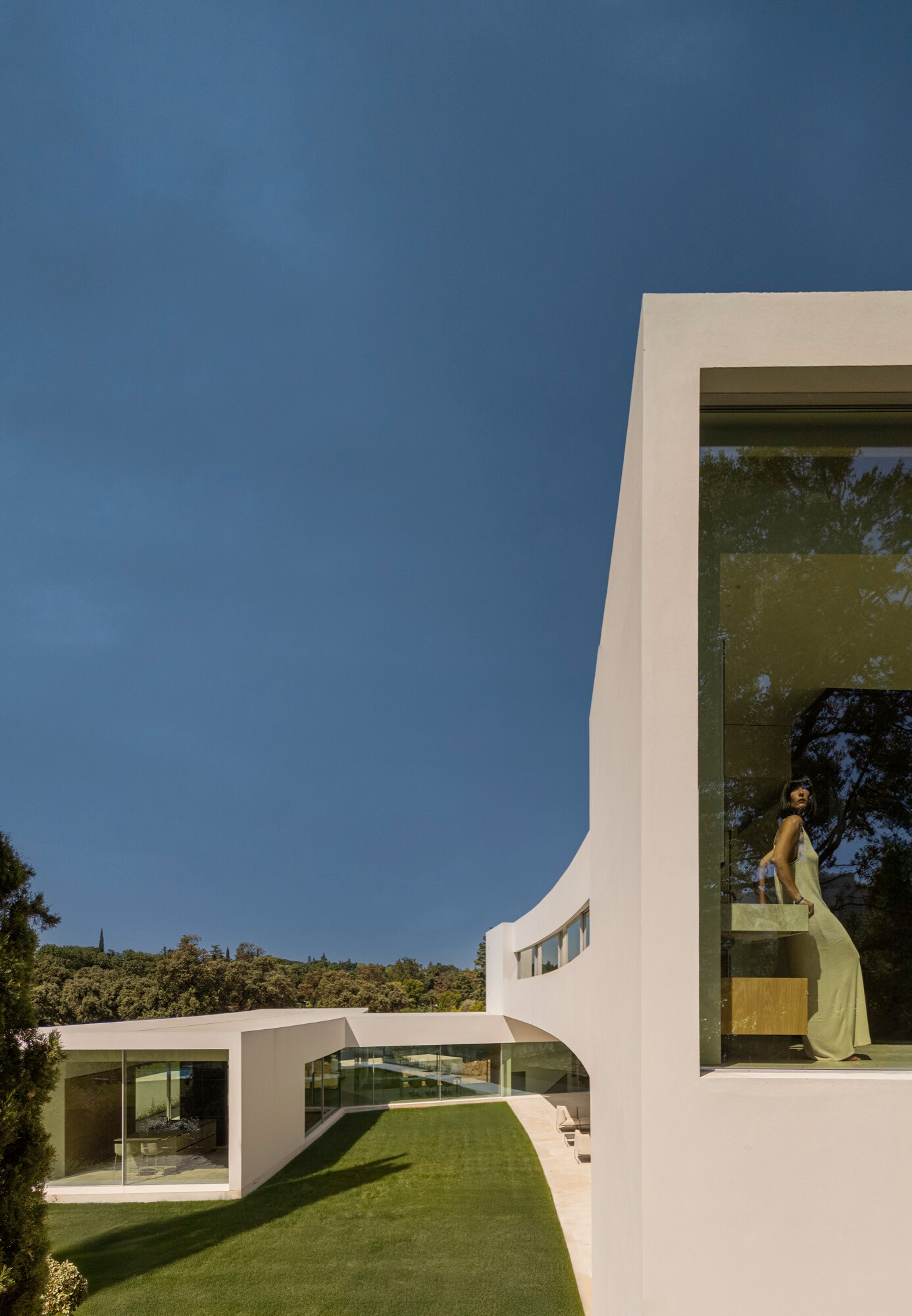
The massing strategy folds daily routines into the ecology around them. Spaces step upward with the slope, stacked and sequenced to create a layered order. From above, linear, through-running volumes connect in a curving chain. Geometry remains disciplined, yet the effect is organic, balancing architecture and landscape. The interlocked composition recalls the sculptural vocabulary of Andreu Alfaro: metal lines that loop through space with a motion that feels both rule-bound and gently unpredictable. What reads as natural movement is carried by rigorous structural logic, turning precision into a living order.
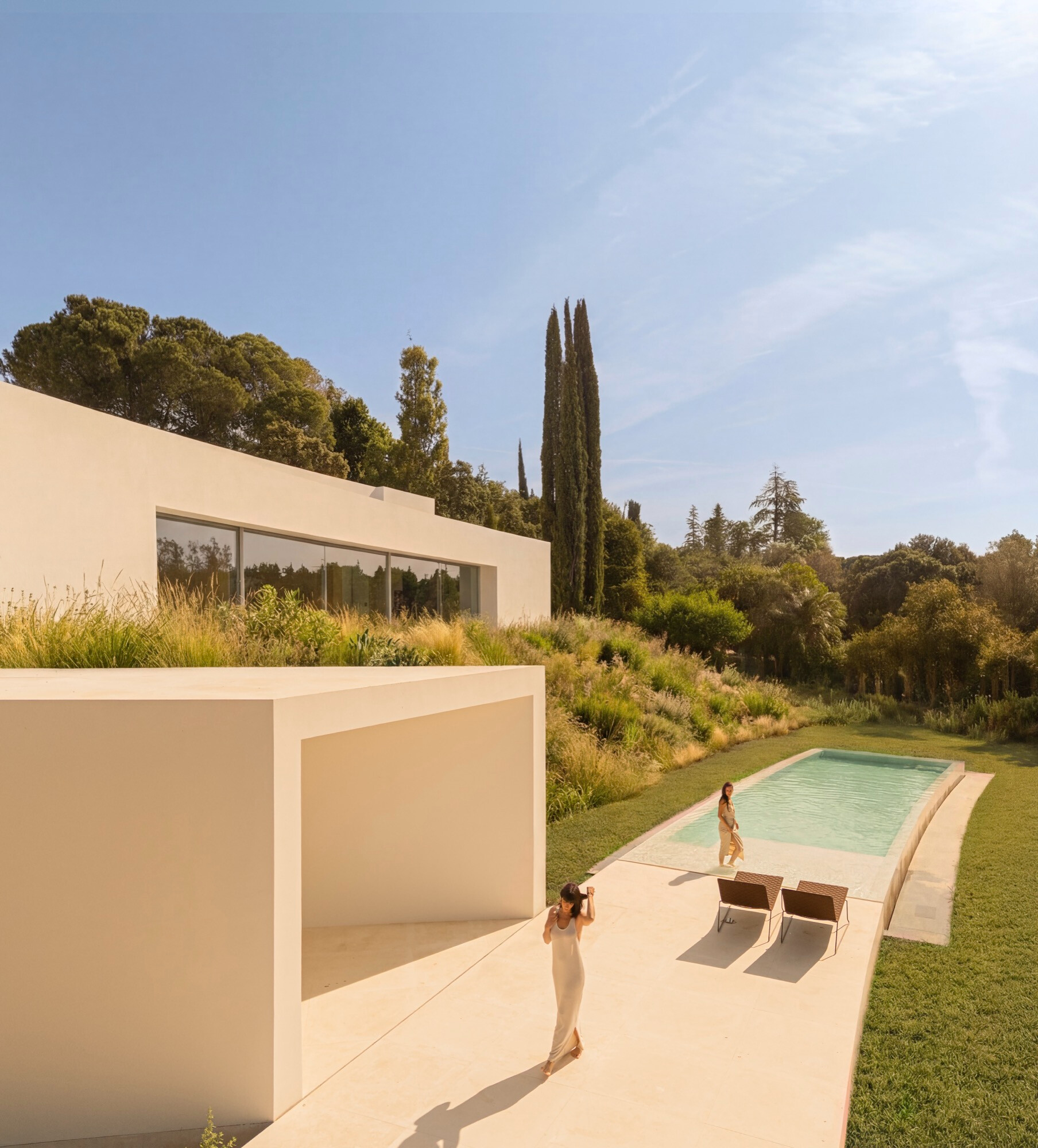
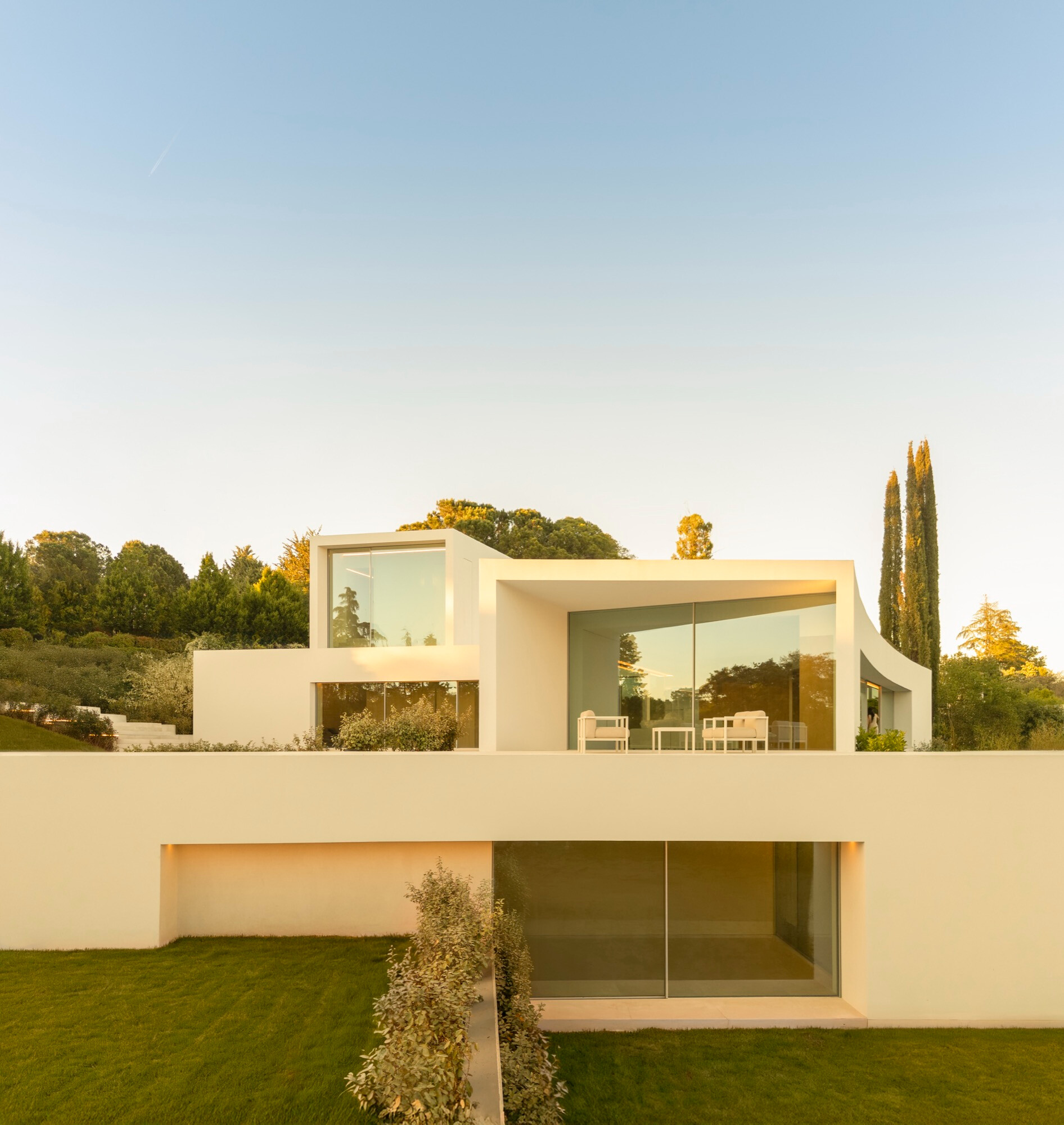
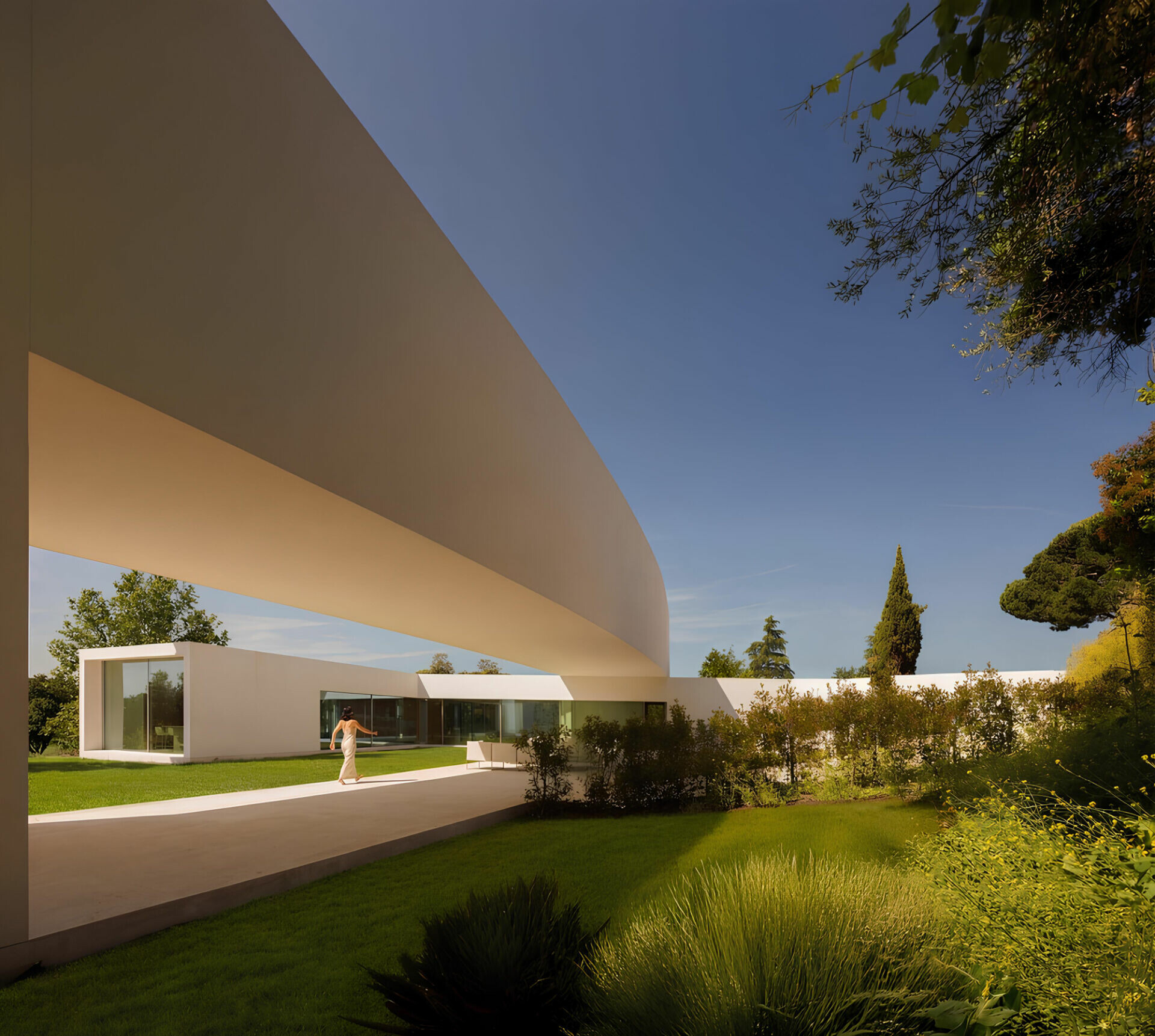
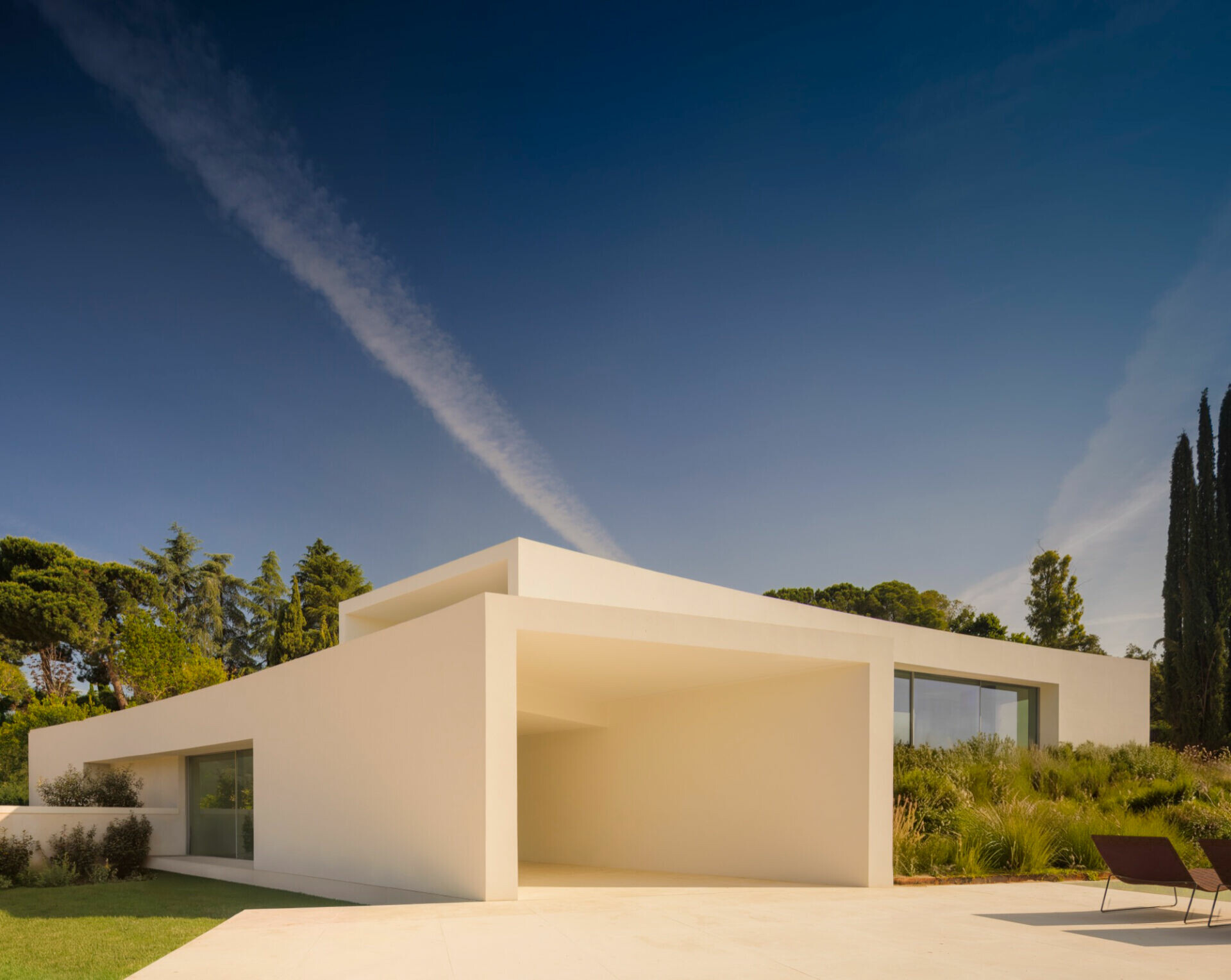
References arrive through both typology and precedent. The project draws on the pursuit of permeability in the pared-back, elongated plans of Glenn Murcutt and Stéphane Beel, while joining two ancient archetypes: the pavilion, open and outward-reaching, and the courtyard, inward and protective yet still open to the air. The house is broken into a series of longitudinal units shaped by outward-sweeping curves. This clarifies circulation and draws interior views towards the courts. In the seams between volumes, five open gardens are defined, each shaping its own atmosphere and microclimatic nuance. They are left ready to welcome richer ecology over time, becoming essential fragments of nature within the lived experience.
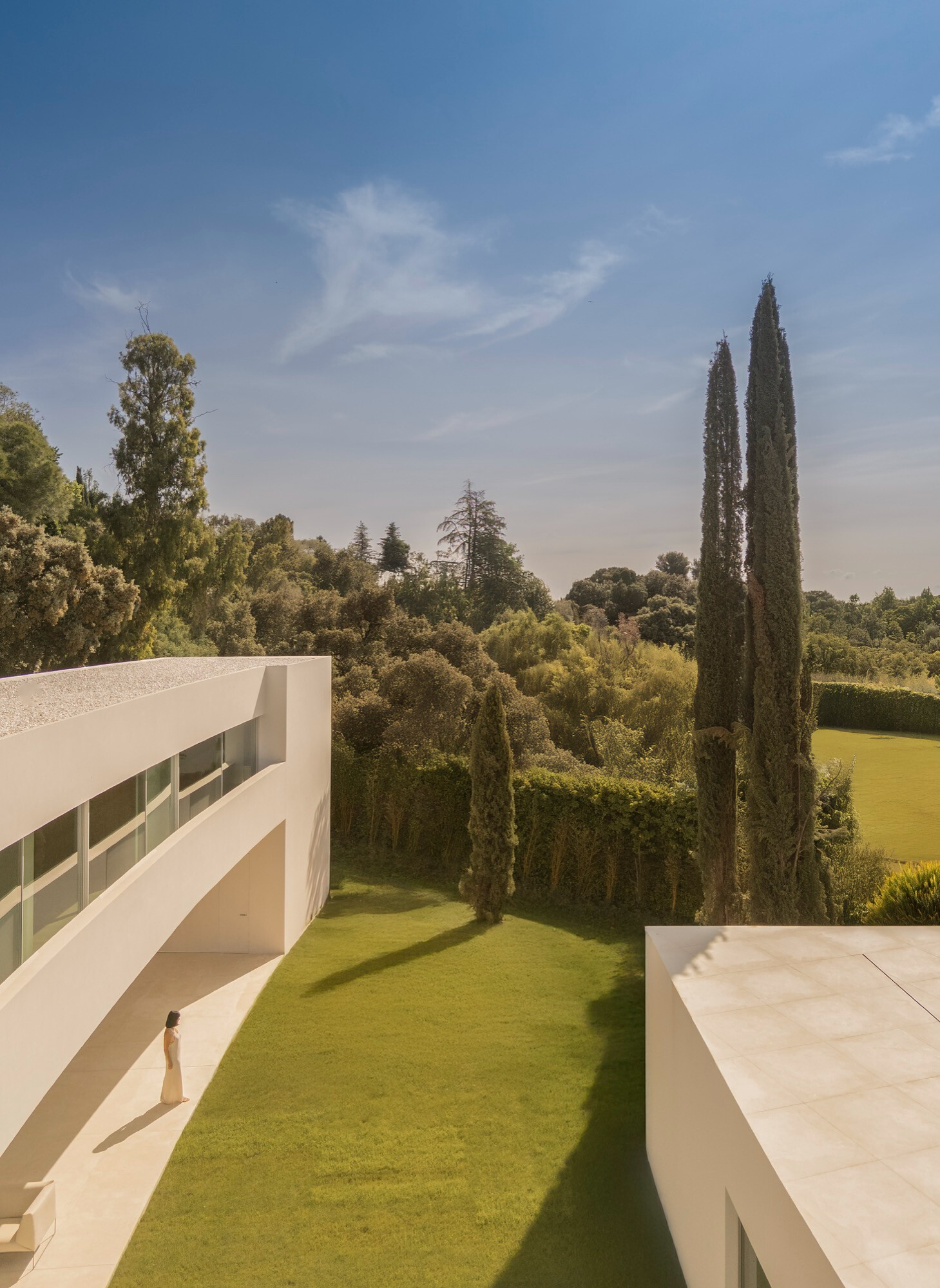
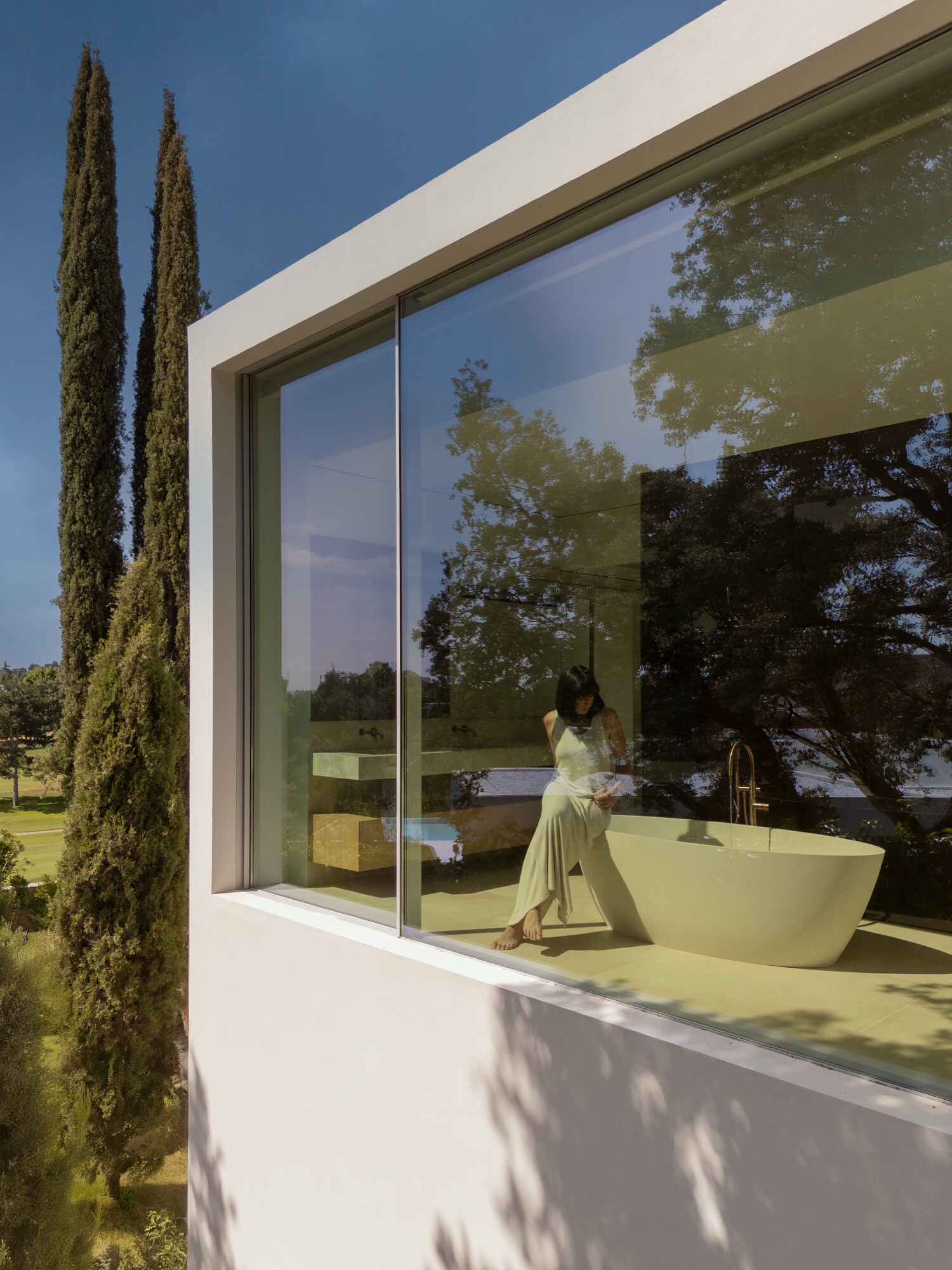
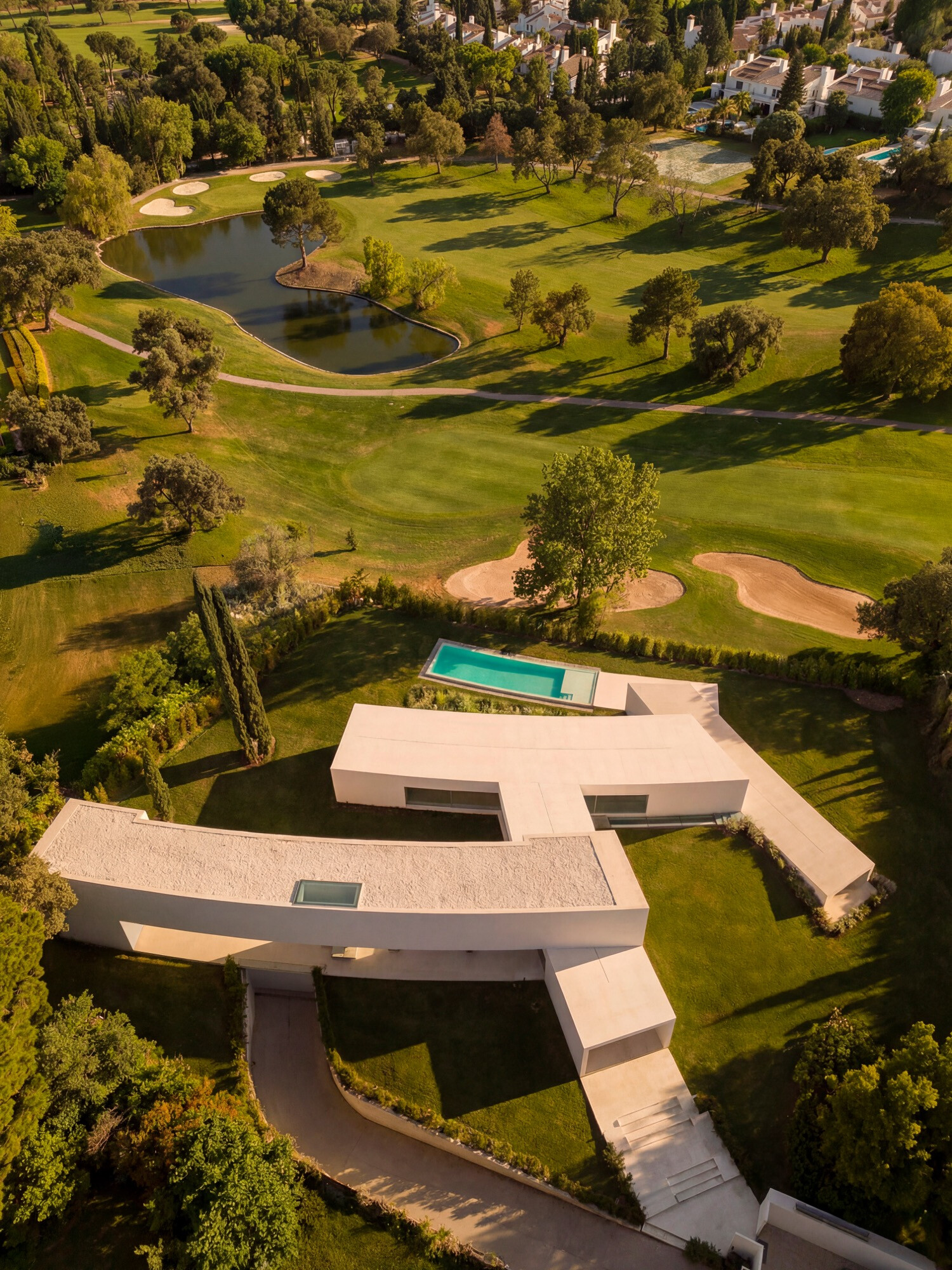
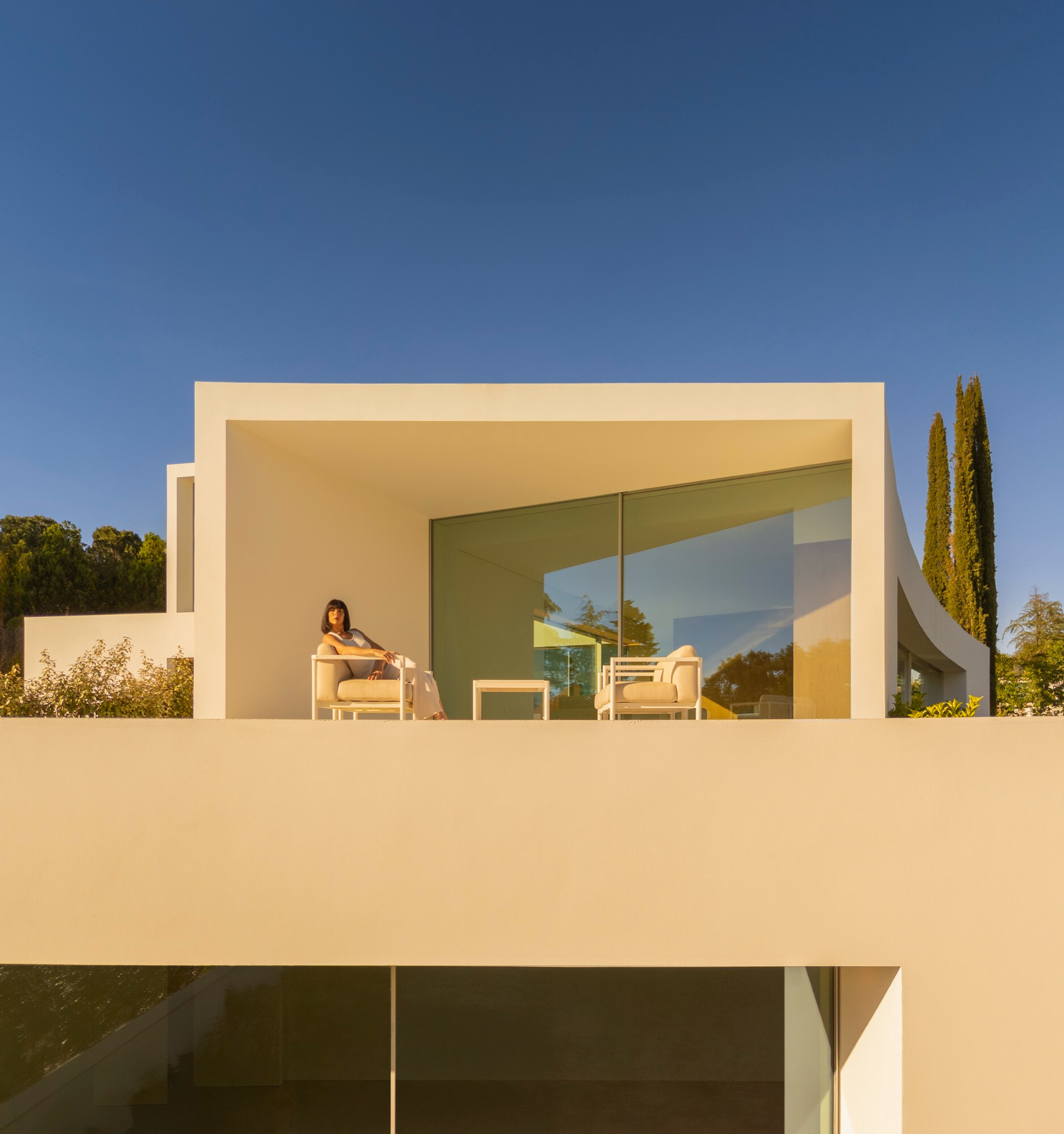
Inside, the programme continues its vertical ascent. A lower level is set into the ground, accommodating the pool and guest rooms and offering an elemental sense of shelter. Above, daytime living spaces open towards the nearby lake. The uppermost realm is reserved for the primary bedroom level, where the architecture evolves into a bridge-like element that appears to hover. Beneath it, a broad shaded gallery forms an intermediate zone, a room between inside and out. On a hot Madrid afternoon, this threshold becomes a gentle medium for dialogue with the outdoors. As you move along the vertical circulation, the landscape arrives in framed episodes, stitching the staggered levels together. Life here is narrated in light and shadow, flowing quietly through time with the stillness of art.